
Electric vehicles (EVs)

Search documents
Lower EV demand forecast to dampen down US February vehicle market
Yahoo Finance· 2026-02-23 12:46
Core Insights - Total US new light vehicle sales for February 2026 are projected to reach 1,183,000, reflecting a 3.8% decrease year-over-year [1] - The seasonally adjusted annualized rate (SAAR) for total new vehicle sales is expected to be 15.6 million units, down 0.6 million units from February 2025 [2] - New vehicle retail sales for February 2026 are projected at 931,400, a 4.6% decrease from February 2025 [2] Market Dynamics - Electric vehicle (EV) retail demand is depressed, with EVs expected to account for only 6.6% of retail sales, down 1.8 percentage points from a year ago [3] - Affordability pressure is significant, with the average monthly finance payment reaching $811, up $32 from a year ago [5] - The average interest rate for new-vehicle loans in February is 6.72%, a decrease of 31 basis points from a year ago [6] Future Outlook - An acceleration in sales pace is expected over the balance of 2026, starting with March, traditionally a high-volume sales month [4] - Competitive intensity is anticipated to rise as multiple automakers plan to increase their sales volume in 2026, despite total new vehicle sales being expected to remain similar to the previous year [6] - GlobalData forecasts US light vehicle sales at 16.2 million units in 2026, slightly down from 2025's level of 16.3 million [6]
Exclusive: Stellantis resurrects diesel cars across Europe amid EV retreat
Reuters· 2026-02-13 13:08
Core Insights - Stellantis is reintroducing diesel versions of at least seven models in Europe as it retreats from electric vehicles due to disappointing EV sales and changing emissions regulations [1] - The company aims to leverage diesel cars as a competitive advantage against Chinese EV rivals, which do not compete in the diesel segment [1] - Stellantis has reported a significant financial charge of €22.2 billion ($26.4 billion) as it scales back its EV ambitions, impacting its stock performance [1] Group 1: Company Strategy - Stellantis has decided to keep diesel engines in its product portfolio and increase its powertrain offerings in response to customer demand [1] - The company is bringing back popular combustion-engine models, including the Jeep Cherokee and Fiat 500 petrol hybrid, to regain market share in the U.S. [1] - Diesel models being reintroduced include the Opel Astra, Opel Combo van, Peugeot Rifter, and Citroën Berlingo, among others [1] Group 2: Market Context - Diesel vehicles accounted for 50% of new car sales in Europe in 2015 but have declined to just 7.7% by 2025, while fully electric cars made up 19.5% [1] - The shift towards diesel comes as Stellantis faces a 3.9% decline in European sales in 2025 and a 7.3% decline in 2024 [1] - The total number of new diesel models in the UK has decreased from 167 in 2020 to 57 in 2025, indicating a broader market trend [1]


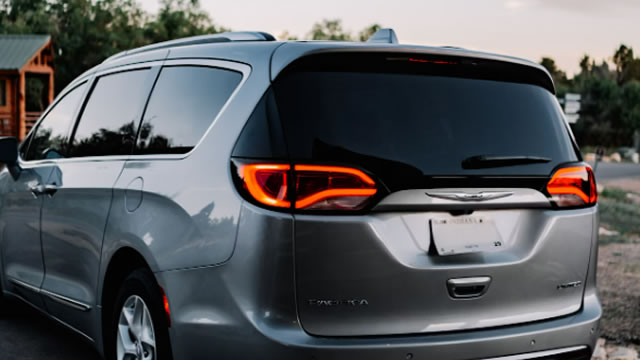
EU Needs Smart-Car Data Security Rules And Can Learn From China, Group Says
Insurance Journal· 2026-02-06 09:59
Core Viewpoint - The European Union must establish comprehensive regulations to address the security risks associated with intelligent vehicles, particularly those manufactured in China, which are gaining popularity among consumers [1][3]. Group 1: Security Risks of Intelligent Vehicles - Intelligent cars, including electric and hybrid models, collect extensive data, including geospatial and personal information, making European countries vulnerable to cyberattacks and potential exposure of sensitive military and economic activities [2]. - Connected cars can generate up to 1.4 terabytes of data per hour, equivalent to over 250 movies, with some data being sent to cloud-based servers despite limited onboard storage [6]. Group 2: Regulatory Needs and Comparisons - The increasing presence of Chinese-made cars in the EU market necessitates urgent regulatory measures to ensure cybersecurity and data protection [3][9]. - China has implemented a data security certification process for car manufacturers, which could serve as a model for Europe in developing its legal framework to address cybersecurity and data risks [4]. Group 3: Global Concerns and Actions - Global concerns regarding "spy cars" are rising as more consumers purchase vehicles with advanced driver assistance systems, which continuously capture real-time information [5]. - Some countries, including Poland and the US, are already taking steps to mitigate security risks from smart cars, with Poland considering a ban on Chinese cars from military facilities [8]. Group 4: Current Regulatory Landscape in the EU - The EU currently lacks comprehensive regulations for connected vehicles, although the European Commission has identified them as a core category for cybersecurity risk assessment [9]. - The urgency for developing comprehensive rules is heightened by the increasing popularity of electric vehicles, prompting calls for a coalition of willing countries to establish regulations if an EU-wide agreement is unattainable [9][10].

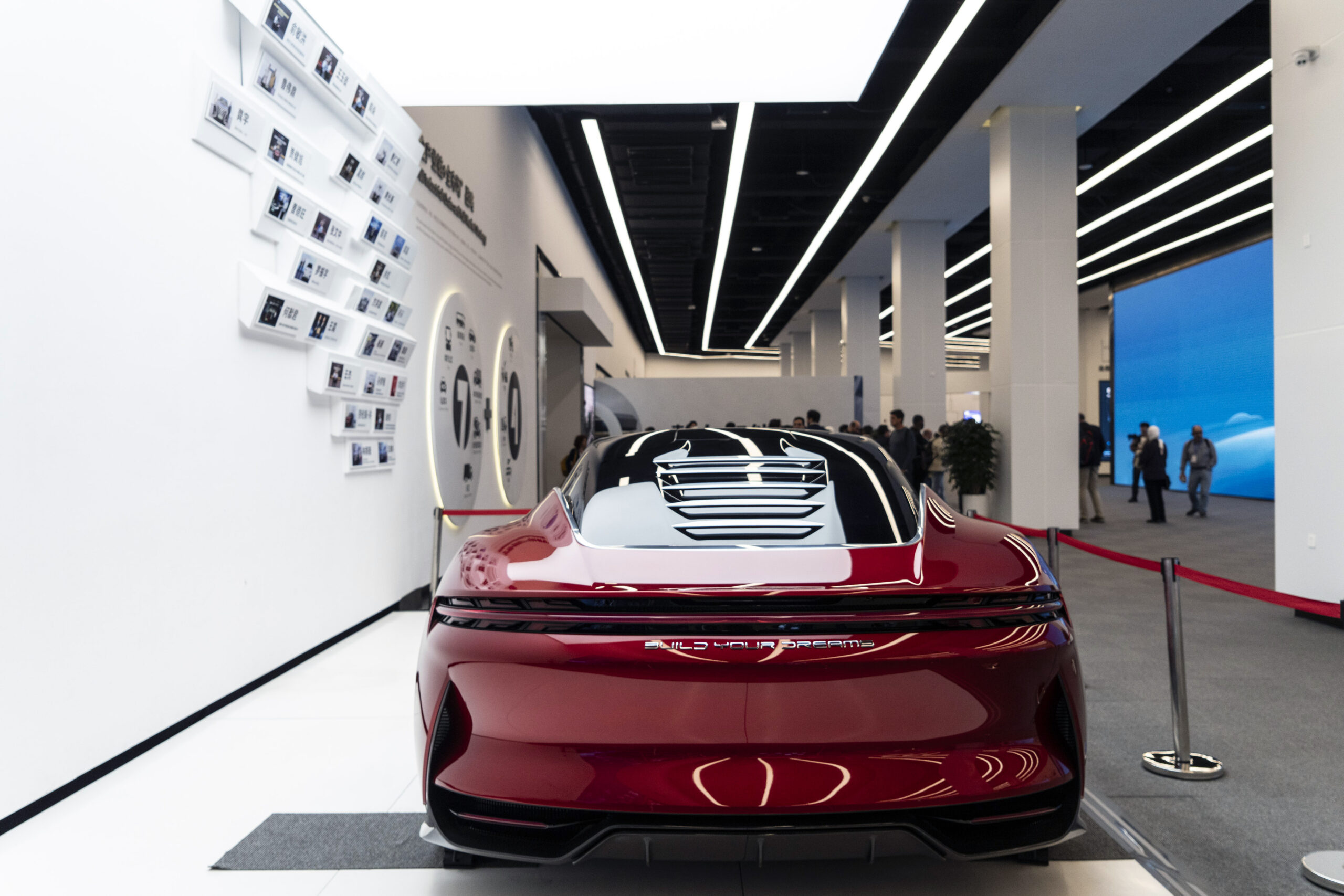
Stock Market Today, Feb. 5: Nio Jumps After Forecasting Its First Adjusted Operating Profit in Q4 2025
Yahoo Finance· 2026-02-05 22:14
Core Viewpoint - Nio has projected its first-ever adjusted operating profit for Q4 2025, leading to a significant increase in its stock price and trading volume, indicating positive investor sentiment towards the company's future performance [1][3]. Group 1: Company Performance - Nio's stock closed at $4.7, up 5.86%, following a profit alert that estimates an adjusted operating profit between $100 million and $172 million for Q4 2025, marking a significant milestone for the company [1][3]. - The company reported record monthly EV deliveries in October and December, contributing to the anticipated profit and indicating strong sales growth [3]. - Management highlighted a favorable product mix and effective cost controls as key factors enhancing profit margins, suggesting potential for sustained financial improvement [4]. Group 2: Market Context - The broader market experienced a decline, with the S&P 500 falling 1.20% and the Nasdaq Composite sliding 1.59%, while Nio's performance stood out positively against its automotive peers like Tesla and Rivian, which saw declines [2]. - Trading volume for Nio reached 120.4 million shares, significantly above its three-month average of 48.5 million shares, reflecting heightened investor interest [1]. Group 3: Investor Sentiment - Investors reacted positively to Nio's profit alert, indicating a shift in sentiment as the company moves towards profitability [3]. - Despite the positive outlook for Nio, it was not included in a list of top stock recommendations by The Motley Fool, which may influence investor decisions [5].

Ford's and GM's Largest Threat Could Set Up Shop Next Door
Yahoo Finance· 2026-01-26 14:32
Group 1 - Foreign automakers were initially eager to enter the Chinese market, which became the world's largest automotive market by 2009, but were required to form joint ventures with domestic companies [1] - Chinese automakers have rapidly advanced, particularly in electric vehicles (EVs), due to government subsidies and incentives, allowing them to undercut foreign competitors like Ford and General Motors [2] - A recent shift in North American trade policy may facilitate Chinese brands' entry into the U.S. market, posing additional challenges for traditional automakers [3] Group 2 - Canada has announced a new strategic partnership with China, reopening its market to Chinese EVs after previously aligning with the U.S. on tariffs [4] - Under the new agreement, Canada will allow an annual quota of nearly 50,000 Chinese EVs at a tariff rate of 6.1%, while China will reduce tariffs on Canadian canola seed and lift restrictions on lobster and crab [5] - Although the initial volume of Chinese EVs entering Canada is low, it could signify the beginning of a larger influx of Chinese EVs into North America, especially as affordable EVs are projected to dominate the market [6][7]
Is Tesla Stock a Buy Before Jan. 28?
Yahoo Finance· 2026-01-16 14:07
Core Viewpoint - Technology stocks, particularly Tesla, have been under scrutiny due to a disconnect between promises made by CEO Elon Musk and the company's actual performance, especially in light of the upcoming earnings report on January 28, 2026 [1][3]. Group 1: Company Performance - Tesla's stock gained only 11.4% last year, underperforming the S&P 500 and Nasdaq Composite, which rose by 16.4% and 20.4% respectively [2]. - The company provided a preview of its fourth-quarter earnings, revealing expected deliveries of 422,850 for Q4 and 1,640,752 for the full year of 2025, which were later missed with actual deliveries of 418,227 and 1,636,129 vehicles [5][6]. - Declining vehicle deliveries, which are Tesla's primary source of revenue and profit, raise concerns about the company's financial health and market share [7]. Group 2: Market Sentiment - As of January 12, 2026, Tesla's stock is at breakeven, with some brief rallies expected leading up to the earnings report [8]. - Despite missing Wall Street's delivery estimates, Tesla's stock continues to trade at a premium, indicating a potential disconnect between market sentiment and actual performance [9].
One of Wall Street’s Most Iconic Companies Is Warning of a ‘Blue-Collar Crisis’ in 2026. What That Means, and Why It Matters for You.
Yahoo Finance· 2026-01-09 16:18
Core Viewpoint - The U.S. manufacturing sector is facing a "blue-collar crisis," with a significant shortage of skilled labor necessary for reshoring operations, which poses a strategic risk to various industries and the overall economy [3][4]. Group 1: Manufacturing and Labor Dynamics - Historically, manufacturing and skilled trades have been essential to the U.S. economy, providing steady productivity and growth [1]. - The shift towards globalization has led corporations to rely heavily on outsourcing to cut costs, influenced by a cultural narrative promoting non-industrial college degrees [2]. - Recent political pressures are pushing American corporations to reshore manufacturing, but there is a critical lack of skilled labor to operate these facilities [3]. Group 2: Industry Challenges - Ford's CEO, Jim Farley, emphasizes the urgent need for skilled labor in the automotive sector, particularly as companies transition to electric vehicles and advanced manufacturing technologies [6]. - The Bureau of Labor Statistics reports a steady decline in domestic manufacturing employment since 2022, with approximately 400,000 unfilled vacancies in American factories as of November [7]. - Farley suggests that even an additional 500,000 skilled workers may not suffice to meet the industry's needs [7].

VinFast Auto Ltd. (VFS) Scales Up Indonesia Expansion After Plant Launch
Yahoo Finance· 2025-12-18 10:23
Investment Plans - VinFast Auto Ltd. plans to increase its investment in Indonesia to up to $1 billion, following the inauguration of its first manufacturing plant with an annual production capacity of 50,000 cars [1][2] - The CEO of VinFast Indonesia, Kariyanto Hardjosoemarto, stated that the company aims to boost production capacity to 350,000 cars per year [2] Production and Capacity - The manufacturing plant located in Subang, West Java, has recently begun trial production and is expected to reach full capacity in the first quarter of 2026 [3] - VinFast has already invested $300 million in the region, indicating a strong commitment to expanding its operations in Southeast Asia [2] Strategic Focus - VinFast management emphasized the company's focus on expanding its international footprint and announced a new vehicle platform for 2026, which could contribute approximately 70-80% to sales [4] - The company remains committed to international market growth and aims to achieve economies of scale through higher production [4] Company Overview - VinFast Auto Ltd. is a Vietnamese company specializing in electric vehicles (EVs), e-scooters, and e-buses, and was incorporated in 2017 [5]

GM, Ford Become World’s Greatest Car Companies
Yahoo Finance· 2025-11-13 15:15
Core Insights - Ford Motor Co. and General Motors Co. have reportedly wasted significant investments in electric vehicles, with rumors suggesting Ford may discontinue its F-150 Lightning EV [1] - Despite their struggles in the EV market, both companies are trading near historical highs, with GM at an all-time high and Ford close to its 52-week high [2][6] - The stock market currently favors traditional gasoline-powered vehicle manufacturers, particularly in regions outside of China, where the EV market is highly competitive [1][3] Market Position - Ford and GM are not competitive players in the Chinese EV market, which has over 100 companies vying for market share, leading to intense competition that has affected even established leaders like BYD [3] - In the European Union, both companies lag behind competitors such as Volkswagen, Renault, and Stellantis, having not performed well in that market for years [3] - In the United States, GM leads with a 17% market share, followed by Toyota at 16% and Ford at 13%, benefiting from established factory networks and a large number of dealerships [4] Leadership and Financial Performance - Executives Mary Barra of GM and Bill Ford have not received much recognition for their successes, as both companies have struggled to capture a significant share of the EV market, resulting in substantial annual losses for Ford [5] - The potential for a successful EV future could elevate their stock prices to levels comparable to newer entrants like Rivian Automotive Inc. and Lucid Group Inc. [5]

Tesla Hits Another Speed Bump as the Brand's Value Tumbles
Yahoo Finance· 2025-10-20 12:00
Core Insights - Brand value is a significant asset for companies, but quantifying it is challenging [2][4] - Tesla's brand image has suffered in 2025 due to various negative developments [3][7] Group 1: Importance of Brand Value - Strong brands foster customer loyalty and emotional connections, leading to repeat purchases and word-of-mouth marketing [5][6] - Established brands often have higher perceived values, allowing them to charge premium prices and attract top talent [6] Group 2: Tesla's Brand Decline - Tesla's brand value has decreased by 35%, falling to less than $30 billion due to several issues [8] - Factors contributing to Tesla's brand decline include CEO Elon Musk's political involvement, controversial statements, increased competition in the EV market, declining sales and profits, an aging vehicle lineup, and the Cybertruck's commercial failure [7]