Flowers

Search documents
Americans are demanding refunds from the $180 billion in tariffs they paid for, and they’re suing companies like Costco to make it happen
Yahoo Finance· 2026-03-13 17:49
Core Viewpoint - U.S. consumers are seeking refunds for tariffs imposed under the International Emergency Economic Powers Act (IEEPA), following a Supreme Court ruling that allows companies to claim refunds from approximately $180 billion in import tax revenue [1][2]. Group 1: Impact of Tariffs on Consumers - Data from the Federal Reserve Bank of New York indicates that U.S. importers bore the majority of the tariffs, with up to 90% of the costs passed down to American consumers [2]. - Goldman Sachs estimated that the tariffs contributed to a 0.7% increase in inflation over a 10-month period, with an additional projected increase of 0.1% in 2026 due to these levies [2]. - A lawsuit has been filed by a consumer against Costco, alleging that the retailer raised prices on various goods due to tariffs, which resulted in inflated costs for consumers [3][4]. Group 2: Legal Actions and Consumer Response - Consumers are actively pursuing litigation against companies like Costco to recover the extra costs incurred from tariffed goods, with claims that companies would receive "double recovery" if they collect import tax refunds without returning funds to consumers [3][5]. - The lawsuit claims that the proposed class could include over 100 Costco customers, collectively owed more than $5 million in tariff refunds [5]. - Previous reports indicated that consumers absorbed 22% of total tariff costs, with projections suggesting they would bear 67% of those costs by October 2025 as more costs were passed down [7]. Group 3: Company Pricing Strategies - Costco's pricing strategy during the peak of the IEEPA tariff regime involved selectively raising prices on tariffed goods, which contributed to expanded profit margins [5]. - The CFO of Costco acknowledged that the retailer raised prices on discretionary items due to tariffs, while maintaining stable prices on essential produce items [6].

Cupid's Arrow Hits Wallets As Valentine's Day Spending Set To Break Records— Candy Is Most Popular, But Jewelry Commands The Dollars - 1-800-Flowers.com (NASDAQ:FLWS), Hershey (NYSE:HSY)
Benzinga· 2026-02-13 14:01
Group 1 - Americans are expected to spend a record $29.1 billion this Valentine's Day, with the average shopper spending nearly $200 on gifts [1][2] - The average budget for gifts has increased to $199.78, up from $188.81 last year, indicating a growing willingness to spend among consumers [2] - The spending on Valentine's Day is projected to surpass the previous record of $27.5 billion set in 2025, reflecting a trend of increased consumer expenditure [2][4] Group 2 - The most popular gifts include candy, flowers, greeting cards, an evening out, and jewelry, with jewelry expected to see the highest spending at $7 billion [3] - Online shopping remains the top destination for Valentine's Day purchases, followed by department stores, discount stores, and specialty stores [3] - This increase in spending follows a resilient 2025 holiday shopping season, where retail spending rose 4.2% year-over-year despite economic uncertainties [4]



1-800-FLOWERS.COM (FLWS) Earnings Transcript
Yahoo Finance· 2026-01-29 14:09
Core Insights - The company is undergoing a transformation aimed at improving efficiency, accountability, and collaboration through organizational restructuring, including workforce reductions and leadership realignments [1][2][10] - The marketing strategy focuses on enhancing profitability and efficiency while stabilizing the business for future growth, moving from a brand-based to a function-based operating structure [2][5][7] Financial Performance - In the second quarter, consolidated revenue decreased by 9.5%, with a 22.7% decline in the Consumer Floral and Gift segment and a 3.8% decline in the BloomNet segment, primarily due to a strategic shift towards more efficient marketing spending [11][12] - Adjusted EBITDA for the second quarter was $98.1 million, down from $116.3 million in the prior year, reflecting the impact of lower revenue and increased costs [13] Cost Management - The company has achieved approximately $15 million in annualized run rate cost savings for fiscal 2026, with expectations to reach around $50 million in total cost savings across fiscal 2026 and 2027 [11][10] - Ongoing cost reduction initiatives, including organizational simplification and tighter expense management, are beginning to benefit the business, although full benefits are not yet reflected in the P&L [10][12] Marketing and Sales Strategy - The updated marketing approach is improving the ad-to-sales ratio and enhancing product discoverability, which is expected to drive better conversion rates across online experiences [7][30] - The company is discontinuing unprofitable initiatives, such as temporary pop-up stores, and is focusing on a more disciplined retail approach to optimize capital deployment [5][41] Future Outlook - For fiscal 2026, the company expects revenue to decline in the low double-digit range, influenced by ongoing marketing adjustments and changes in search engine result pages [14][15] - The company anticipates that adjusted EBITDA will decline slightly compared to the prior year, but on a normalized basis, it is expected to increase slightly year over year, excluding certain anticipated costs [15]
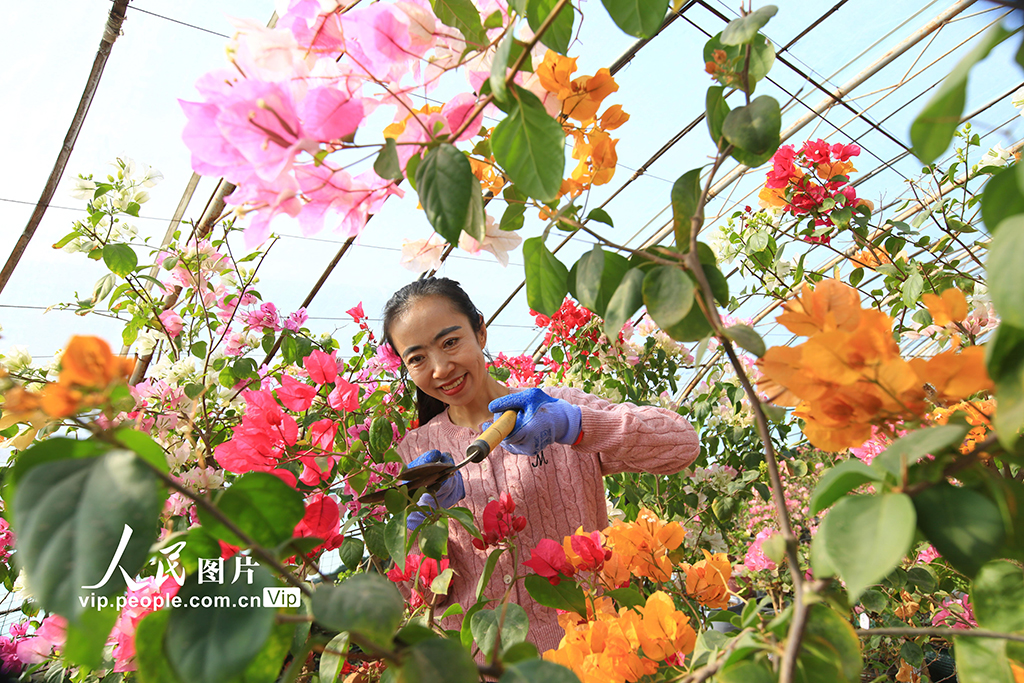
安徽阜阳:花卉产业助农增收
Ren Min Wang· 2025-12-15 02:30
Core Viewpoint - The flower industry in Fuyang, Anhui Province, is significantly contributing to farmers' income growth and rural economic development [1][2][3][4] Group 1: Economic Impact - The flower industry has become a vital source of income for local farmers, with many households reporting increased earnings [1][2] - The total output value of the flower industry in Fuyang has reached approximately 1 billion yuan, showcasing its economic significance [3] - The industry has created numerous job opportunities, further enhancing the local economy [4] Group 2: Development Initiatives - Local government initiatives have been implemented to promote the flower industry, including training programs for farmers [1][3] - Investment in infrastructure and technology has been prioritized to improve production efficiency and product quality [2][4] - The establishment of flower markets and sales channels has facilitated better access to consumers, boosting sales [1][3]
X @Documenting ₿itcoin 📄
Documenting ₿itcoin 📄· 2025-12-03 18:52
This tulip farm in the Netherlands uses heat from Bitcoin mining computers to warm its greenhouses, recycling energy that would otherwise be wasted. The system keeps flowers growing through the cold months while the miners continue generating profit.https://t.co/fz5yfLDg6D ...
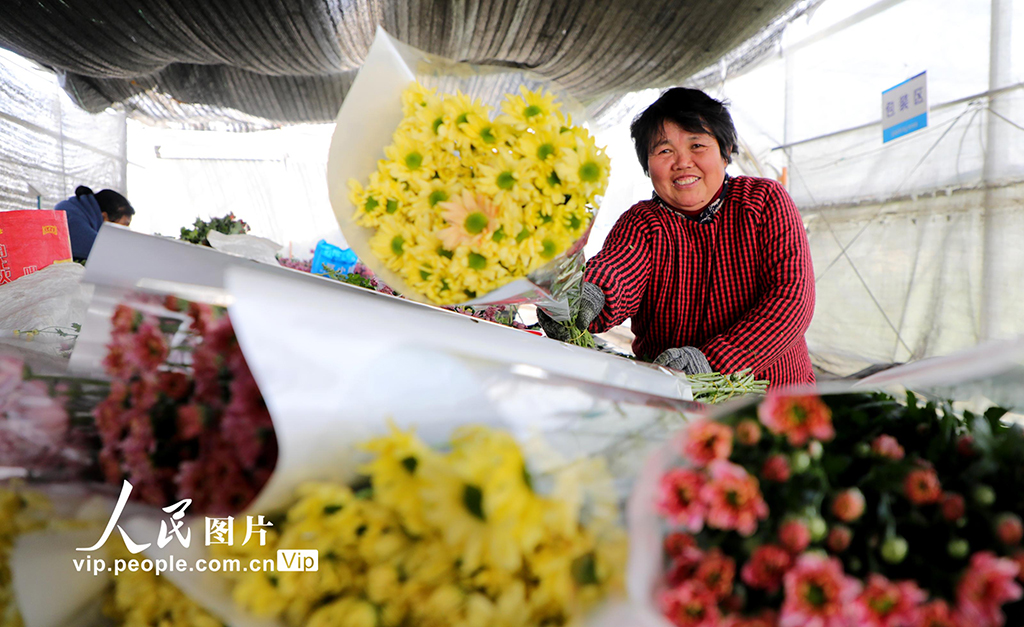
“鲜花经济”助增收
Xin Hua Wang· 2025-12-01 08:35
Core Insights - The article highlights the flourishing flower industry in Luancheng District, Shijiazhuang City, Hebei Province, where 200,000 various flower seedlings are being cultivated and shipped to the market, showcasing the growth and potential of the local agricultural sector [2] Industry Development - Luancheng District has actively introduced high-quality seedlings and advanced management techniques to enhance the flower industry [2] - The focus on standardization and branding in the flower industry is aimed at injecting new vitality into the local economy [2]
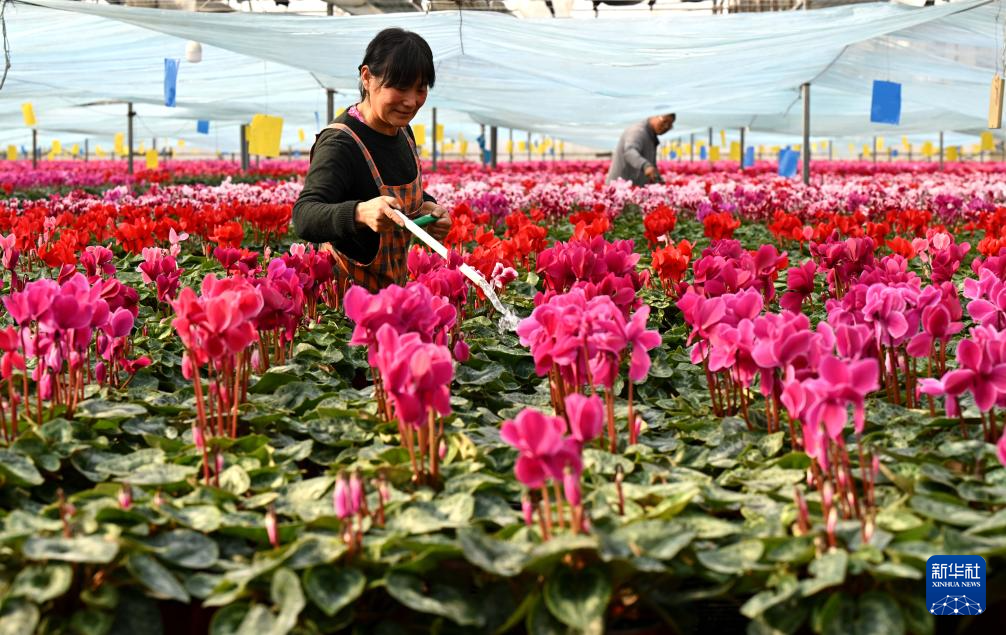
甘肃嘉峪关:鲜花产业助农增收
Ren Min Wang· 2025-11-10 02:03
Core Viewpoint - The flower industry in Gansu Jiayuguan is significantly contributing to farmers' income growth and enhancing local economic development [1][2][3][4][5][6] Group 1: Economic Impact - The flower industry has become a vital source of income for local farmers, with many households reporting increased earnings due to flower cultivation [1][2] - The local government has implemented supportive policies to promote the development of the flower industry, which has led to a rise in employment opportunities [3][4] - The industry is expected to continue growing, with projections indicating a substantial increase in production and sales in the coming years [5][6] Group 2: Agricultural Development - The introduction of modern agricultural techniques in flower cultivation has improved yield and quality, making the industry more competitive [1][3] - Farmers are being trained in best practices for flower cultivation, which is enhancing their skills and productivity [2][4] - The diversification into flower farming is helping to reduce reliance on traditional crops, thus promoting sustainable agricultural practices [5][6]