Fuchsia

Search documents
安卓 ChromeOS 要合体,谷歌新系统曝光!网友:Fuchsia当年惨败,这次靠谱吗?
程序员的那些事· 2025-11-28 07:18
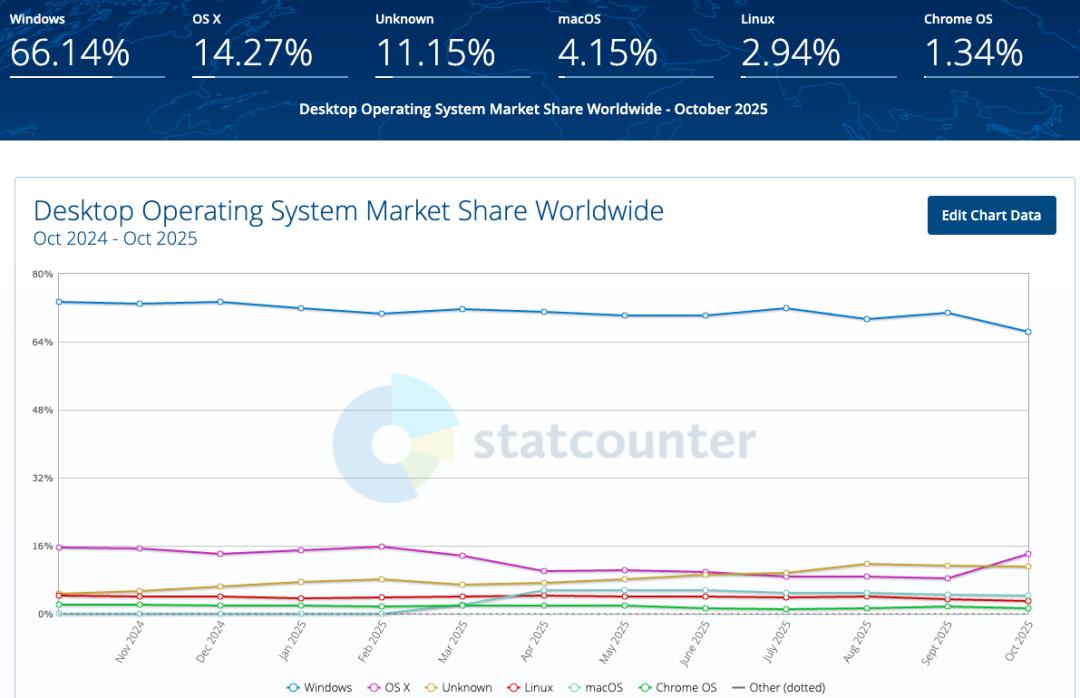
Core Viewpoint - Google is developing a new desktop operating system called Aluminium OS, aiming to integrate Android and ChromeOS into a single platform, indicating a strategic shift to replace ChromeOS with Android [1][9]. Group 1: System Development and Strategy - The initiative to bring Android to the PC market is not Google's first attempt, as Android has been prevalent in various devices but has had minimal impact on traditional computers, which are dominated by ChromeOS [3]. - ChromeOS has a significantly lower market share compared to Windows and macOS, even lagging behind Linux, which has led Google to seek a more competitive position [4]. - Google previously worked on Fuchsia, a new operating system designed to run on all platforms, but its priority has diminished over time, leading to its near disappearance from public view [6][7]. Group 2: Features and AI Integration - Aluminium OS is not merely a port of Android to PCs; it is designed with artificial intelligence at its core, aiming to provide a smarter and more efficient user experience [14]. - The integration of AI technologies, such as the Gemini model and Assistant, is expected to enhance the functionality of Aluminium OS across various computing forms [14]. Group 3: Hardware and Market Positioning - Aluminium OS is intended to cover a wide range of devices, from entry-level to premium, indicating Google's ambition to penetrate both low-end and high-end markets [15]. - The transition from ChromeOS to Aluminium OS will be gradual, with both systems coexisting for a period, and a clear strategy for this transition is being developed [15][16]. Group 4: Future Outlook and Release Timeline - Google is actively testing Aluminium OS, with plans to release it in 2026, although the exact timing within that year remains uncertain [23]. - There is speculation about whether ChromeOS will be completely phased out or retain its brand identity, as it holds significant recognition in the education and enterprise markets [22]. Group 5: Community Reactions and Implications - The introduction of Aluminium OS has sparked discussions about its potential to serve as a Linux alternative, given its mature application ecosystem and security features, while also raising concerns about system flexibility and compatibility [25].



Android、ChromeOS要合体,谷歌新系统曝光,网友:Fuchsia当年惨败,这次靠谱吗?
3 6 Ke· 2025-11-25 11:44
Core Insights - Google is developing a new desktop operating system called Aluminium OS, aiming to integrate Android and ChromeOS into a single platform, indicating a strategic shift to replace ChromeOS with Android [1][6][10] - This move is seen as similar to Huawei's HarmonyOS and has reignited discussions about Google's previous Fuchsia system, which aimed for a universal operating system across devices [1][4] Market Context - Google's previous attempts to bring Android to PCs have not gained traction, as ChromeOS dominates the traditional laptop and desktop market, but its market share is significantly lower than Windows and macOS [2][5] - ChromeOS's market presence is notably weak, even lagging behind Linux, prompting Google to seek a more competitive position [2] Development History - Google has been exploring a unified operating system concept since at least 2016 with the Fuchsia project, which was designed to run on various platforms but has since lost priority within the company [4][10] - In July 2025, a Google executive confirmed plans to merge ChromeOS and Android into a single platform, with further announcements made at the Qualcomm Snapdragon summit [6][10] Aluminium OS Features - Aluminium OS is not merely an Android port for PCs; it is designed with artificial intelligence at its core, leveraging Google's existing AI technologies like the Gemini model and Assistant [10][11] - The system aims to cater to a wide range of devices, including laptops, detachable devices, tablets, and mini-PCs, with plans for various tiers such as AL Entry, AL Mass Premium, and AL Premium [10][11] Transition Strategy - The transition from ChromeOS to Aluminium OS will be gradual, with existing ChromeOS devices expected to receive updates until the end of their lifecycle [12] - Google is exploring optional upgrade paths for capable hardware, indicating a careful approach to ensure compatibility and user experience during the transition [12] Future Outlook - Bug reports indicate that Aluminium OS devices are already being tested, with a public release expected in 2026, potentially based on Android 17 [19][20] - The introduction of Aluminium OS represents a significant strategic shift for Google, aiming to leverage Android's flexibility and AI capabilities to penetrate the traditional PC market more effectively [20]