Game Porting Toolkit

Search documents
Chart your game’s course to Apple platforms | Meet with Apple
Apple Developer· 2025-12-12 22:00
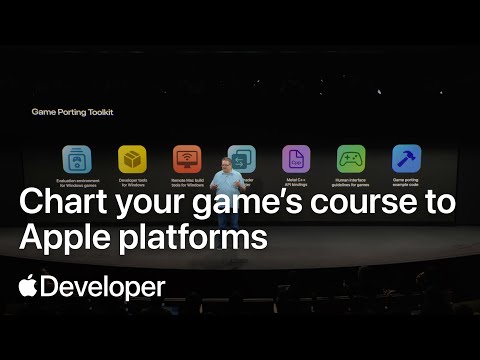
Apple's Unified Gaming Platform - Apple's unified gaming platform enables developers to target Mac, iPad, and iPhone from a single code base, supporting graphically demanding games across various hardware and platforms [3] - The unified architecture also serves as the foundation for building games for spatial computing on Apple Vision Pro [3] Game Engine Support - Unity and Unreal Engine offer deep support for Apple platforms, leveraging Metal for direct GPU access, simplifying the process of targeting Apple devices [7] - Apple provides Unity plug-ins that bridge native APIs, allowing developers to integrate features like Game Center, Game Controller support (MFI compliant controllers, Sony, Microsoft), accessibility features (VoiceOver, Dynamic Type), and Core Haptics [9][10][11][12][13][14][15] - Apple's Game Center plugin facilitates integration of Leaderboards, Achievements, Challenges, and matchmaking [11] Game Porting Toolkit - Apple offers a Game Porting Toolkit for bringing Windows or console games to Apple platforms, enabling developers to leverage existing PC workflows and tools [21] - The toolkit includes an evaluation environment to run existing x86 Windows binaries on Mac, Metal developer tools for Windows, and Mac remote developer tools for Windows [22][23][26][28] - The Metal Shader Converter automatically converts DirectX Intermediate Language (DXIL) into a Metal library [29] - Metal-cpp, a header-only C++ wrapper for the Metal API, allows developers to use Metal in a familiar language [31] - The Game Porting Toolkit includes Human Interface guidelines for games, offering advice on platform conventions, on-screen controls, and input handling [31][32] - The game porting sample code serves as a tutorial for porting and a standalone example of a native game built for Mac, iPad, and iPhone [33][34]

3A大作登陆 macOS,硬件先天不足,苹果游戏梦难圆?
3 6 Ke· 2025-07-28 09:49
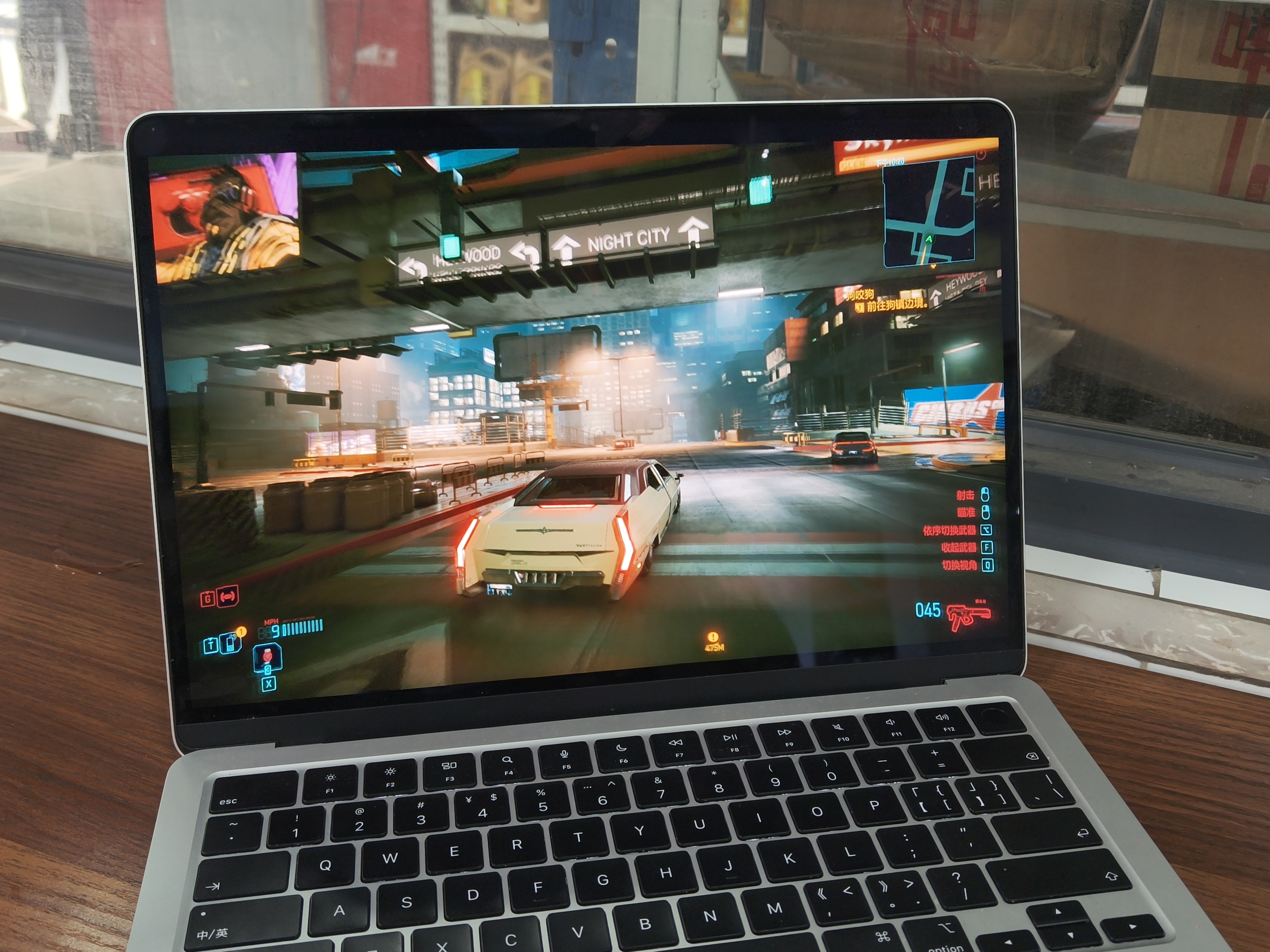
Core Viewpoint - Apple is making efforts to enhance gaming on macOS to attract developers and improve the gaming experience on Mac, despite the platform's historical limitations in gaming performance and content availability [4][6][8]. Group 1: Apple's Gaming Strategy - Apple aims to showcase the capabilities of its M-series chips through gaming, as gaming performance is a direct indicator of hardware capability [8]. - The company is also motivated to retain gaming content within its ecosystem, as it has strict in-app purchase policies on iOS, and wants to prevent users from relying on external platforms like Steam and Epic [8][14]. - Despite the limited gaming market on Mac, Apple is pushing for more native game versions to create a viable gaming environment, even if the current offerings are sparse [8][17]. Group 2: Technical Limitations - The transition from Intel to Apple Silicon has created challenges for gaming on Mac, as many games are developed for Windows and do not have macOS versions [9][11]. - Hardware limitations, such as performance and power consumption issues, hinder the ability of Macs to run demanding games effectively [11][13]. - The unified memory architecture of Macs, while beneficial for certain tasks, may not meet the needs of high-performance gaming, as dedicated video memory is often preferred [13]. Group 3: Content Development Challenges - Apple's dual approach to gaming—offering services like Apple Arcade while also promoting high-profile games—creates a conflicting strategy that may confuse users [14][15]. - The lack of significant investment from developers in adapting games for macOS results in a limited selection of titles, which undermines the potential for a robust gaming ecosystem [17]. - The overall perception of Mac as a gaming platform remains skeptical, as developers are hesitant to invest in creating content specifically for macOS [17].