GeoGuessr

Search documents
沪游简报|游戏成为气候议题传播的新途径
Xin Lang Cai Jing· 2025-11-03 08:24
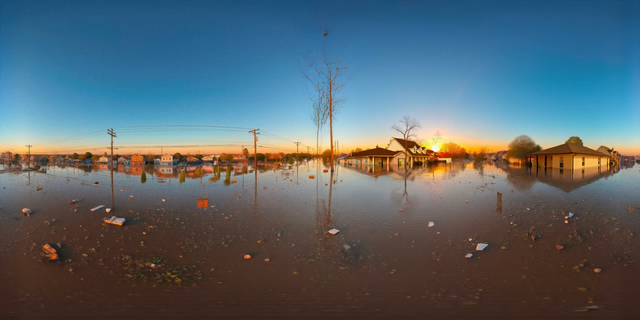
Core Viewpoint - FutureGuessr is a free video game that combines gameplay with climate imagery, encouraging players to explore climate change and envision the future world in 2100 [2][7]. Group 1: Game Overview - FutureGuessr was launched in June 2025 and is inspired by GeoGuessr, allowing players to guess geographical locations based on AI-generated future images [2]. - The game aims to raise awareness about climate change by providing players with information on its impacts and the necessity for action as they progress [2][7]. Group 2: Educational Impact - Games like FutureGuessr serve as effective communication tools for climate change, engaging a diverse audience through entertaining and thought-provoking content [3][6]. - Serious games can connect players with real-world issues, enhancing awareness of disaster prevention and resilience [6]. Group 3: Visual Communication - FutureGuessr visualizes climate change data, collaborating with organizations like Réseau ActionClimat to showcase the negative impacts of climate change on well-known locations [7]. - Research indicates that extreme climate imagery resonates more with audiences, particularly when linked to their personal lives, thus motivating support for climate action [7]. Group 4: Industry Initiatives - The gaming industry is increasingly focusing on its environmental impact, with initiatives like the "Playing for the Planet Alliance" promoting sustainability within game development [9]. - FutureGuessr exemplifies the potential of combining game design with climate issue visualization to foster dialogue and awareness [9].

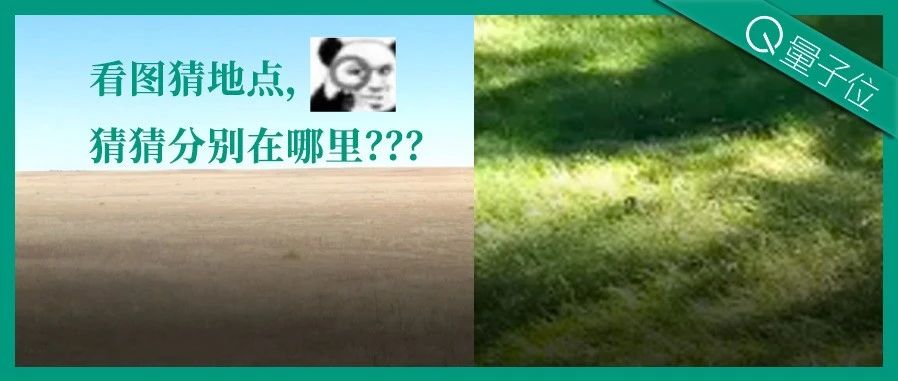
o3一张图锁定地球表面坐标,AI看图猜地点战胜人类大师,奥特曼:这是我的「直升机」时刻
量子位· 2025-05-05 04:27
Core Insights - The article discusses the advanced capabilities of AI models, particularly o3, in identifying geographical locations from images, showcasing its impressive accuracy and reasoning skills [3][17][72]. Group 1: AI Capabilities - o3 demonstrated the ability to accurately guess locations from images, including specific places like the Ganges River and the Mississippi River, with a high degree of confidence [3][4][17]. - The AI's performance improved significantly when provided with detailed prompts, which enhanced its ability to analyze images and infer locations [27][70]. - The article highlights that o3's guessing abilities are comparable to human experts in geographical guessing games, indicating its advanced reasoning capabilities [72][74]. Group 2: Testing Methodology - The author conducted a series of tests using images that were not previously available online to ensure o3's guesses were based solely on visual analysis [29][31]. - The testing included various types of images, from landscapes to indoor scenes, to evaluate o3's performance across different contexts [51][57]. - The results showed that while o3 excelled in outdoor settings, it struggled with indoor environments, indicating limitations in its contextual understanding [54][58]. Group 3: Community Reactions - The article notes significant public interest and discussion surrounding o3's capabilities, with many expressing surprise at its performance [9][70]. - Some skeptics questioned whether o3's success was due to luck rather than skill, suggesting that human input and the quality of prompts played a crucial role in its performance [72][74]. - The competitive aspect of AI versus human performance in geographical guessing games was highlighted, with some humans managing to outperform o3 in specific instances [73].