Halide

Search documents
iPhone上最好的相机App,是怎么和苹果决裂的?
创业邦· 2026-03-28 01:10
Core Viewpoint - Apple has significantly invested in iPhone imaging over the past decade, emphasizing that for most users, the iPhone serves as their primary camera. However, the default iOS camera app lacks advanced features needed by professional users, creating a gap that third-party apps like Halide aim to fill [4][6][8]. Group 1: Investment in Imaging Technology - Apple has consistently communicated that the iPhone is sufficient for most users' photography needs, but the default camera app is limited to a "point-and-shoot" mode, which may not satisfy advanced users [6][8]. - The iPhone Pro series has seen continuous upgrades in imaging specifications, making the limitations of the default camera app more apparent for users seeking manual controls [8][9]. Group 2: Halide's Role and Market Position - Halide, developed by Lux Optics, addresses the gap left by the default camera app by offering professional features such as RAW shooting, manual focus, and histograms, while maintaining an intuitive design [9][10]. - Halide Mark II is currently the most popular paid camera app on the App Store, priced at $59.99 for a one-time purchase or $19.99 per year for a subscription, indicating its quality in a market dominated by free apps [10]. Group 3: Lux Optics and Acquisition Talks - Lux Optics was founded in 2016 by Ben Sandofsky and Sebastiaan de With, who aimed to create a camera app that replicates the tactile experience of traditional cameras on the iPhone [12][14]. - Apple has shown strong support for Lux, with Halide receiving multiple awards and recognition as a model developer in the App Store ecosystem [18][21]. - Discussions about acquiring Lux Optics by Apple were reported, with the expectation that integrating Halide into the native camera app would enhance iPhone's capabilities [21][24]. Group 4: Legal Disputes and Internal Conflicts - Following the failed acquisition talks, a lawsuit was filed by Sandofsky against de With, alleging financial misconduct and breach of trust, including unauthorized personal expenses charged to the company [26][30][31]. - De With's subsequent hiring by Apple raised concerns about potential intellectual property theft and the implications of direct competition between Lux and Apple [34][40]. Group 5: Developer Community Reactions - The developer community has expressed mixed feelings regarding de With's transition to Apple, with some viewing it as a loss for Lux and others as an opportunity for Apple to innovate [42][46]. - The ongoing situation highlights a broader concern among developers about Apple's tendency to absorb third-party functionalities into its ecosystem, raising questions about the future of independent developers [47][50][57]. Group 6: Future Directions - Despite the internal conflicts, Lux continues to develop Halide, with plans to introduce features that challenge Apple's camera algorithms, aiming to provide users with a more personalized photography experience [59][60]. - The impact of de With's design philosophy on Apple's ongoing UI redesign remains uncertain, as the company navigates its internal changes [64].


iPhone上最好的相机App,是怎么和苹果决裂的?
36氪· 2026-03-25 00:22
Core Viewpoint - The article discusses the competitive dynamics between Apple and Lux Optics, particularly focusing on the Halide camera app and the fallout from failed acquisition talks, highlighting the implications for developers in the Apple ecosystem [5][30][82]. Group 1: Halide and Its Market Position - Halide is a third-party camera app that fills the gap left by the default iOS camera app, offering professional features like RAW shooting and manual controls, which are essential for advanced users [10][14]. - Halide Mark II is currently the most popular paid camera app on the App Store, priced at $59.99 for a one-time purchase or $19.99 per year for a subscription, indicating its quality in a market dominated by free apps [13][14]. - The app was developed by Lux Optics, founded by former Twitter and Apple engineers, aiming to replicate the tactile experience of traditional cameras on the iPhone [16][18]. Group 2: Acquisition Talks and Fallout - Apple attempted to acquire Lux Optics to enhance its camera capabilities but the talks ended due to disagreements over pricing related to new product developments [33][30]. - Following the failed acquisition, tensions escalated between the co-founders, leading to a lawsuit where one co-founder accused the other of financial misconduct and attempting to join Apple [32][37]. - The lawsuit reveals deeper issues within Lux, including allegations of misusing company funds for personal expenses, which the accused co-founder denies, claiming the expenses were legitimate [40][48]. Group 3: Developer Community Reactions - The developer community reacted with mixed feelings to the news of one co-founder joining Apple, raising concerns about the implications for independent developers when Apple integrates similar features into its products [56][63]. - The article highlights a historical pattern where Apple has absorbed features from third-party apps, leading to fears of being "Sherlocked," a term used to describe when Apple replicates a third-party app's functionality [64][66]. - The ongoing legal dispute and the dynamics between Lux and Apple underscore the precarious position of developers in the Apple ecosystem, questioning their future if Apple directly recruits their talent [82].
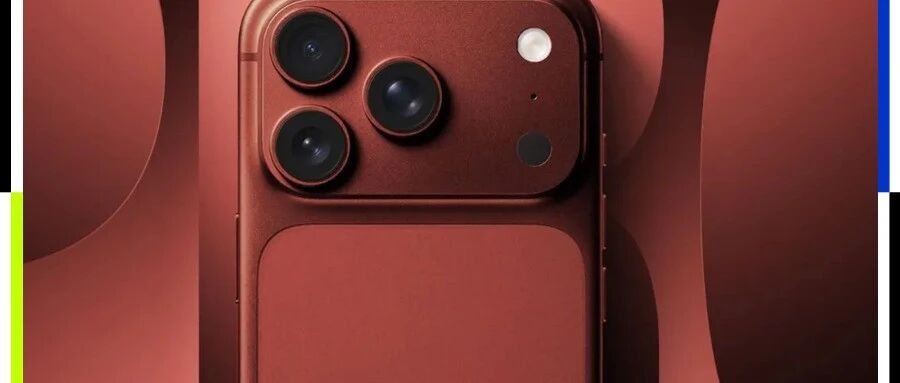
最懂iPhone相机的人,回到苹果了
36氪· 2026-02-04 09:39
Core Viewpoint - The article discusses the return of Sebastiaan de With to Apple, highlighting his significant contributions to iPhone photography and the implications of his return for the future of iPhone imaging technology [6][9][12]. Group 1: Sebastiaan de With's Background and Contributions - Sebastiaan de With, known for developing the photography app Halide, has a history with Apple, having worked on key projects like Mobile Me and iCloud [9][10]. - His team, Lux Optics, has developed award-winning photography applications, including Halide and Spectre Camera, which have received accolades for their design and functionality [10][12]. - De With has maintained a tradition of evaluating iPhone imaging capabilities annually, providing insights into the evolution of Apple's camera technology [12][13]. Group 2: iPhone 17 Pro Camera System - The iPhone 17 Pro features significant upgrades, including a new long-focus lens with a 56% larger sensor area and 48 million pixels, allowing for an optical-grade 8x zoom [18][19]. - The front camera has been upgraded to a square sensor, enhancing the "Center Stage" feature, which automatically frames subjects in the center of the shot [20][23]. - The rear camera system is described as powerful, with three 48 million pixel lenses, providing extensive creative freedom for users [26][29]. Group 3: Performance and Image Quality - The main camera's recent focusing distance has been criticized, as it struggles to switch effectively between modes, impacting the quality of close-up shots [29][30]. - The 2x mode of the main camera shows noticeable improvements in clarity and reduced digital artifacts, attributed to advanced deep learning techniques [31][33]. - The overall image system has improved color consistency and smoother zoom transitions, enhancing the user experience [34][36]. Group 4: Video Capabilities - The iPhone 17 Pro's video features are highlighted as being on par with professional cinema cameras, offering advanced specifications like Genlock and ProResRAW [70][73]. - These capabilities position the iPhone as a versatile tool for both casual users and professionals, enabling high-quality video production [71][73]. Group 5: Material and Software Changes - The return to aluminum materials is noted for improved heat dissipation during intensive use, enhancing the device's durability [75]. - The introduction of iOS 26 brings significant changes to the camera application and overall user experience, although initial updates have faced performance issues [76][77]. Group 6: Professionalism in Design - The iPhone 17 Pro is positioned as a professional-grade device, akin to a DSLR, emphasizing the importance of advanced features for creative expression [82][84]. - The article suggests that while the device may lack some of the aesthetic qualities of previous models, its focus on professional capabilities represents a positive evolution in Apple's product line [81][82].
最懂 iPhone 相机的人,回到苹果了
3 6 Ke· 2026-02-02 01:38
Core Insights - Sebastiaan de With, a prominent figure in iPhone photography, has returned to Apple to join the Human Interface Design Team, which is a core design team at Apple [1][4]. Group 1: Sebastiaan de With's Background - Sebastiaan de With is known for developing the photography app Halide and has a history with Apple, having worked on projects like MobileMe and the "Find My" application [2][4]. - He co-founded Lux Optics, which developed Halide and Spectre Camera, both of which received prestigious awards [4][6]. - His recent evaluations of the iPhone camera systems have provided insights into the evolution of Apple's imaging technology [6][10]. Group 2: iPhone 17 Pro Camera Features - The iPhone 17 Pro features significant upgrades, including a new long-focus lens with a 56% larger sensor area and 48 million pixels, allowing for an optical-grade 8x zoom [14][19]. - The front camera has been upgraded to a square sensor, enhancing the "Center Stage" feature for better framing during video calls [16][18]. - The overall camera system is described as powerful, with three 48 million pixel lenses providing extensive creative options [19][24]. Group 3: Performance and Image Quality - The iPhone 17 Pro's image processing has improved, resulting in more natural details and colors, particularly in the 2x and 8x zoom modes [24][51]. - The camera system's consistency across different focal lengths has been noted, with a smoother zoom experience compared to previous models [24][51]. - However, issues with focusing distances have been highlighted, particularly in low-light conditions, affecting the usability of the camera [20][21]. Group 4: Video Capabilities - The iPhone 17 Pro's video features are positioned to compete with professional cinema cameras, offering advanced specifications like ProRes RAW and Open Gate recording [53][56]. - This positions the iPhone as a versatile tool for both casual users and professionals, enhancing its appeal in the market [56]. Group 5: Design and User Experience - The return to aluminum materials is aimed at improving heat dissipation during intensive use, enhancing the device's durability [57]. - The introduction of iOS 26 has brought significant changes to the camera application, although initial experiences have reported various bugs and performance issues [60][61]. - The iPhone 17 Pro is seen as a shift towards a more professional-grade device, emphasizing the importance of advanced features in mobile photography [66][67].