L5E89拉丝级聚丙烯

Search documents
山东聚丙烯产业链的场外期权创新应用
Qi Huo Ri Bao Wang· 2025-10-14 00:56
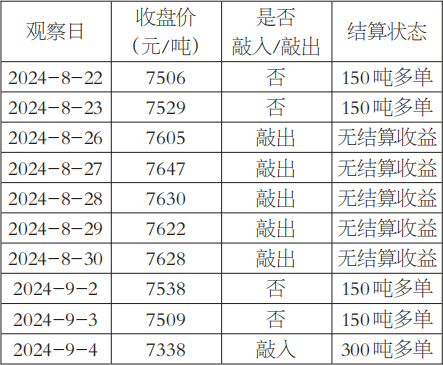
Core Insights - The article highlights the innovative application of derivative tools in the polypropylene industry chain in Shandong, showcasing how companies are utilizing customized over-the-counter options to manage risks in a complex market environment [1][2]. Industry Background - The polypropylene industry is facing challenges due to global economic uncertainties, including fluctuations in crude oil prices and supply-demand imbalances [2]. - In 2024, the price range for polypropylene in East China is projected to be between 7265 to 7795 yuan/ton, with significant price volatility observed throughout the year [2]. - The industry is characterized by high costs, high production rates, and high maintenance rates, coupled with weak orders and cash flow [2]. Case Studies - A plastic packaging company in Linyi utilized a strategy of selling out-of-the-money put options to hedge against inventory devaluation, achieving a net gain of 32,000 yuan [4][5]. - A medical products manufacturer employed a zero-cost cumulative purchase option to manage raw material costs, successfully locking in 900 tons of low-priced raw materials [6][8]. Implementation Process - The plastic packaging company sold a put option with a strike price of 7605 yuan/ton, receiving a premium of 102 yuan/ton for a contract of 500 tons [4][5]. - The medical products company bought a cumulative purchase option with a trigger mechanism to dynamically lock in procurement costs, ultimately securing a purchase price of 7500 yuan/ton for 900 tons of polypropylene [6][7]. Advantages and Highlights - Selling put options requires less capital compared to traditional futures trading, allowing companies to enhance inventory value while mitigating devaluation risks [10]. - The cumulative purchase option optimizes procurement processes, enabling companies to lock in low-cost raw materials without needing to predict market timing [11]. Summary and Outlook - The case studies demonstrate how structured derivative solutions can effectively address risk management challenges in the chemical industry, enhancing companies' ability to hedge against market risks [12]. - This practice not only supports the transformation and upgrading of the chemical industry but also illustrates the positive role of financial instruments in stabilizing commodity prices and ensuring the smooth operation of the industry chain [12].