
LM254—160kWh电池

Search documents
电池厂商“抢滩”新能源物流车市场
中国能源报· 2025-12-28 00:40
Core Viewpoint - The logistics sector is undergoing a rapid transition towards electrification, driven by the need for green and low-carbon solutions, although challenges such as battery performance and charging infrastructure remain significant [3][8]. Group 1: Industry Trends - The traditional models in the logistics sector are accelerating their transition to new energy vehicles, with increasing applications of green transport vehicles [3]. - Major battery manufacturers, including CATL and EVE Energy, are strategically entering the logistics sector, leveraging their technological expertise in commercial vehicle batteries [3][5]. - The demand for electric vehicles in logistics is rising, with companies like JD.com and SF Express actively pursuing partnerships to enhance their electric vehicle fleets [5][6]. Group 2: Battery Performance and Requirements - The performance requirements for batteries in logistics vehicles are becoming more stringent, necessitating faster charging speeds, lighter weights, and longer lifespans [9][11]. - Current challenges include limited range, inconvenient charging, and heavy battery weights, which hinder the widespread adoption of electric heavy-duty trucks in long-distance transport [9][11]. - Battery companies are developing tailored products for logistics, such as EVE Energy's LM254 battery for light trucks, which offers a range of 400 kilometers [11]. Group 3: Infrastructure Development - The establishment of a robust charging infrastructure is critical for the efficient operation of electric logistics vehicles, with calls for improved charging networks at logistics hubs and distribution centers [11][12]. - The National Development and Reform Commission has emphasized the need for planning and constructing high-power charging facilities specifically for logistics and heavy-duty transport [12]. - The logistics industry's green transition is viewed as a long-term process that requires collaboration across the entire supply chain to address issues like charging convenience and range anxiety [12].




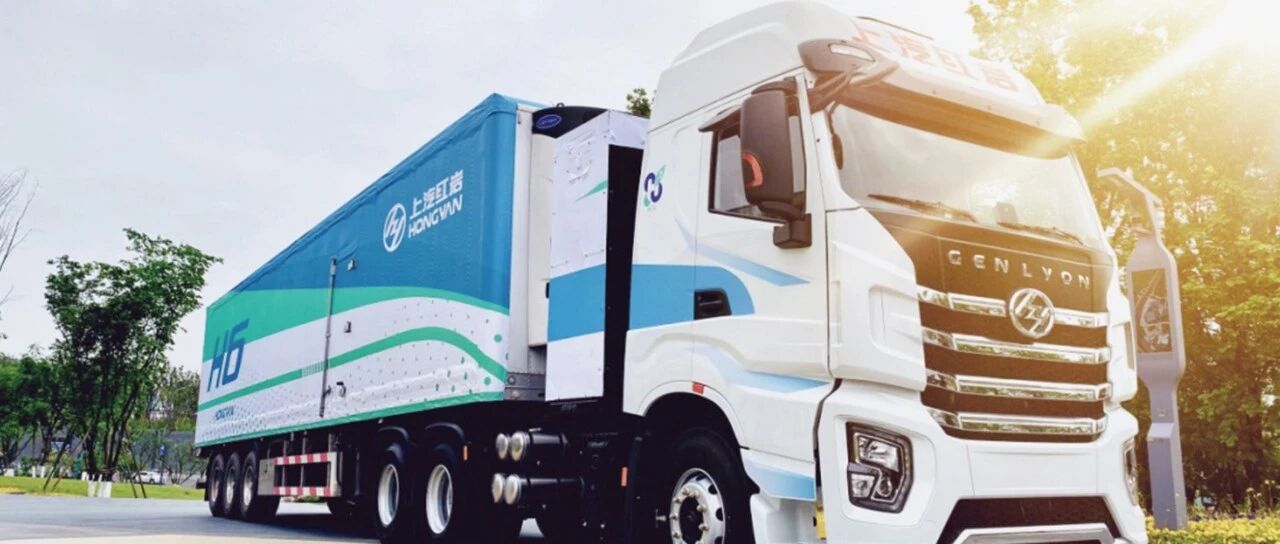
商用车电动化进入深水区:物流场景倒逼电池技术升级,补能网络建设同步加速
Zhong Guo Neng Yuan Wang· 2025-12-25 06:47
Core Viewpoint - The logistics sector is accelerating its transition to electric vehicles, driven by the need for green and low-carbon solutions, with significant involvement from leading battery manufacturers like CATL and EVE Energy [1][2]. Group 1: Strategic Collaborations - Multiple battery manufacturers have engaged in strategic partnerships within the logistics sector this year, such as the collaboration between Dola Haoyun and BYD's Fudi Battery to enhance electric commercial vehicle solutions [2]. - JD Group has signed a strategic cooperation agreement with CATL to explore high-quality development paths in the logistics industry, focusing on the electrification of urban distribution vehicles [2]. - EVE Energy and SF Express have also formed a strategic partnership to promote the integration of new energy technologies with modern logistics systems [3]. Group 2: Battery Performance Requirements - The demand for power batteries in logistics vehicles is increasing, driven by the need for zero emissions and lower operational costs [4]. - Logistics companies are increasingly incorporating electric vehicles into their fleets, with significant interest in electric heavy-duty trucks for high-energy, fixed-route transport scenarios [4]. - The logistics sector's unique operational demands require batteries with higher performance standards, including longer range, faster charging, and lighter weight [5][7]. Group 3: Charging Infrastructure Development - The development of a robust charging network is essential for the efficient operation of electric logistics vehicles, with calls for improved infrastructure at logistics parks and distribution centers [7][8]. - The National Development and Reform Commission has emphasized the need for planning and constructing high-power charging facilities for logistics and heavy-duty freight [8]. - Industry experts believe that the green transition in logistics will require collaborative efforts across the entire supply chain to address challenges such as charging convenience and range anxiety [8].