LeRobot训练平台

Search documents
正式开始学习!使用低成本机械臂复现pi0和pi0.5~
具身智能之心· 2026-01-06 00:32
Core Viewpoint - The article emphasizes the increasing demand for VLA (Vision-Language Alignment) algorithms in the industry, highlighting the challenges faced by practitioners in data collection and model optimization, which are critical for effective implementation in embodied intelligence applications [2][4]. Group 1: Industry Demand and Challenges - There is a significant demand for VLA algorithms, as reflected in the numerous job postings and research papers related to this area [2]. - Practitioners often face difficulties with VLA due to complex data collection processes and the need for real machine data, which is not always reliable [2][4]. - Many newcomers to the field report spending considerable time troubleshooting and facing obstacles in model training and optimization [4]. Group 2: Educational Initiatives - The article introduces a practical course aimed at addressing the learning curve associated with VLA, developed in collaboration with industry experts [5]. - The course covers a comprehensive curriculum that includes hardware, data collection, VLA algorithms, and real-world applications, designed to facilitate effective learning [8][9]. - Participants in the course will receive a SO-100 robotic arm as part of their enrollment, enhancing hands-on learning opportunities [9]. Group 3: Course Structure and Content - The course is structured into nine chapters, covering topics from VLA basics to advanced model deployment and evaluation [11][12][13][14]. - Key areas of focus include data acquisition, model training, simulation environments, and the integration of VLA with world models [15][16][17]. - The curriculum aims to equip students with practical skills and knowledge necessary for careers in embodied intelligence and robotics [24][25].

从零开始!使用低成本机械臂复现pi0和pi0.5~
具身智能之心· 2025-12-25 01:41
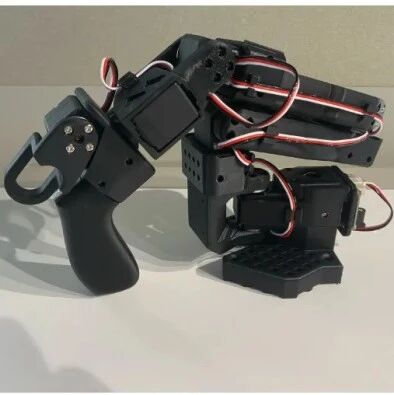
Core Viewpoint - The article emphasizes the increasing demand for VLA (Vision-Language Alignment) algorithms in the industry, highlighting the challenges faced by practitioners in data collection and model optimization [2][4]. Group 1: Industry Demand and Challenges - There is a significant demand for VLA algorithms, as reflected in the numerous job postings and research papers related to this field [2]. - Practitioners often face difficulties with VLA due to complex data collection processes and the reliance on hardware, leading to frustrations about wasted time and ineffective model training [2][4]. - Many companies in the embodied intelligence sector are committed to using real machine data, but the quality of this data can be suboptimal, complicating the training process [2][4]. Group 2: Educational Initiatives - The article introduces a practical course aimed at addressing the learning curve associated with VLA, developed in collaboration with industry experts [5]. - The course covers a comprehensive curriculum, including hardware, data collection, VLA algorithms, and real-world applications, designed to facilitate effective learning [8][9]. - Participants in the course will receive a SO-100 robotic arm, enhancing hands-on experience and practical application of the learned concepts [9]. Group 3: Course Structure and Content - The course is structured into nine chapters, covering topics from VLA basics to advanced model deployment and evaluation [11][12][13][14][15][16][17][18]. - Key areas of focus include data acquisition, model training, simulation environments, and the integration of VLA with world models [8][9][11][12][13][14][15][16][17]. - The course aims to equip learners with the necessary skills to transition into roles as algorithm engineers with 1-2 years of experience upon completion [25].