《面向实战与求职的VLA小班课》

Search documents
VLA任务的成本已经越来越低了~
具身智能之心· 2026-01-24 01:05
Core Viewpoint - The cost of robotic arms has significantly decreased, with prices now below 5000 yuan, making them more accessible for various VLA tasks [1][2]. Group 1: Cost Trends - Two years ago, the price for a single robotic arm for VLA tasks was over 30,000 yuan, which has now dropped to around 15,000 yuan last year, and currently below 5000 yuan [2]. - This price reduction allows for easier implementation of various VLA tasks such as pi0 and pi0.5 [2]. Group 2: Challenges for Beginners - Many beginners face difficulties in replicating VLA tasks due to high costs and lack of effective data collection methods [3][4]. - A significant amount of time is wasted by beginners on troubleshooting and overcoming obstacles in data collection and model training [4]. Group 3: Educational Initiatives - The company has developed a comprehensive course aimed at addressing the challenges faced by beginners in the VLA field, covering hardware, data collection, algorithms, and practical experiments [9][14]. - The course includes a free SO-100 robotic arm for participants, enhancing hands-on learning [19]. Group 4: Target Audience and Requirements - The course is designed for individuals seeking practical experience in VLA, including students and professionals transitioning from traditional fields [26]. - Participants are expected to have a foundational knowledge of Python and Pytorch, as well as experience with real machines and data collection [26].

VLA任务的成本马上被干到了白菜价......
具身智能之心· 2026-01-20 09:30
Core Viewpoint - The cost of robotic arms has significantly decreased, with prices now below 5000 yuan, making them more accessible for various VLA tasks [1][2]. Group 1: Cost Trends - Two years ago, the price for a single robotic arm for VLA tasks was over 30,000 yuan, which dropped to around 15,000 yuan last year, and now it is below 5,000 yuan [2]. - The reduction in costs allows for easier implementation of various VLA tasks such as pi0 and pi0.5 [2]. Group 2: Challenges for Beginners - Many beginners face difficulties in replicating VLA tasks due to high costs and lack of effective data collection methods [3][4]. - A significant amount of time is wasted by beginners on troubleshooting and overcoming obstacles in data collection and model training [4]. Group 3: Educational Initiatives - The company has developed a comprehensive course aimed at addressing the challenges faced by beginners in the VLA field, covering hardware, data collection, algorithms, and practical experiments [9][14]. - The course includes a free SO-100 robotic arm for participants, enhancing hands-on learning [19]. Group 4: Target Audience and Requirements - The course is designed for individuals seeking practical experience in VLA, including students and professionals transitioning from other fields [26]. - Participants are expected to have a foundational knowledge of Python and Pytorch, as well as experience in debugging and data collection with real machines [26].
VLA学习“成本太高”的问题,正在被解决......
具身智能之心· 2026-01-14 09:00
Core Viewpoint - The article discusses the challenges faced by beginners in the field of VLA (Vision-Language Alignment) tasks due to high costs and the complexity of data collection and model training, while introducing a comprehensive course aimed at addressing these issues and providing practical skills for aspiring professionals in the field [3][5][9]. Group 1: Challenges in VLA Tasks - Many beginners express frustration over the high costs associated with mechanical arms and sensors, which can exceed 15,000 yuan, making it difficult for self-learners or those without equipment to engage in VLA tasks [3]. - Open-source low-cost robotic arms are available, but many beginners struggle to achieve effective results due to difficulties in data collection and model training [4]. - A significant amount of time is wasted by beginners on troubleshooting and overcoming obstacles in data collection, model training, and deployment, particularly with complex models like π0 and π0.5 [5]. Group 2: Course Offerings - The "Embodied Intelligence Heart" platform has developed a course that replicates methods such as ACT, GR00T, π0, and π0.5, aimed at helping individuals who lack access to expensive equipment and do not know how to get started [8]. - The course includes practical tutorials and is designed to assist students in effectively learning VLA techniques, even if they have access to real machines but are unsure how to utilize them [9]. - The curriculum covers a wide range of topics, including hardware for robotic arms, data collection, VLA algorithms, evaluation, simulation, deployment of mainstream VLA models, and various real machine experiments [14]. Group 3: Course Details and Target Audience - The course is the most comprehensive offering from "Embodied Intelligence Heart," combining both software and hardware aspects to facilitate effective learning [15]. - It is targeted at individuals seeking practical experience and projects in the VLA field, including those transitioning from traditional computer vision, robotics, or autonomous driving [25]. - Participants will receive a SO-100 robotic arm as part of the course, which includes both teaching and execution arms, enhancing hands-on learning [18].
自驾转具身!使用低成本机械臂复现pi0和pi0.5~
自动驾驶之心· 2026-01-14 00:48
Core Viewpoint - The article emphasizes the increasing demand for VLA (Variable Latency Algorithms) talent, particularly in the autonomous driving sector, highlighting the challenges faced in data collection and model optimization [2][3][4]. Group 1: VLA Demand and Challenges - There is a significant demand for VLA algorithms, especially for autonomous driving, as reflected in the job market and academic publications [2]. - Many practitioners express frustration over the difficulties in tuning VLA models and the complexities involved in data collection [3][4]. - The reliance on real machine data for effective model training is underscored, with many companies advocating for a "real machine data" approach despite its challenges [5][8]. Group 2: Learning and Practical Application - The article discusses the difficulties beginners face in integrating data, VLA models, training optimization, and deployment, with some struggling for months without success [8]. - A new course has been developed to address these challenges, providing practical tutorials and hands-on experience with VLA methods [10][11]. - The course covers a comprehensive curriculum, including hardware, data collection, VLA algorithms, and real machine experiments, aimed at enhancing learning efficiency [13]. Group 3: Course Details and Target Audience - The course is designed for individuals seeking practical experience in the VLA field, including students and professionals transitioning from traditional fields [21]. - Participants will receive a SO-100 robotic arm as part of the course, facilitating hands-on learning [14]. - The course schedule is outlined, with classes starting on December 30, 2025, and continuing into early 2026 [22].
自动驾驶的人才,正疯狂涌入具身智能......
自动驾驶之心· 2026-01-13 09:52
Core Viewpoint - The article discusses the transition from autonomous driving to embodied intelligence, indicating a new wave of technological advancement and talent movement within the industry [2]. Group 1: Industry Trends - The autonomous driving sector is entering a mature phase, while embodied intelligence is emerging as the next significant trend, with many professionals shifting their focus [2]. - Major players in the autonomous driving field are beginning to embrace robotics, forming teams dedicated to embodied intelligence [3]. Group 2: Technological Developments - The π series represents a milestone in the VLA (Vision-Language-Action) field, focusing on continuous technological breakthroughs that redefine the learning paradigms for robots in the generative AI era [4]. - Key developments in the π series include: - π0, which introduces Flow Matching for continuous action trajectory prediction, enhancing precision in manufacturing and autonomous driving scenarios [5]. - π0.5, which achieves a 94% success rate in generalizing complex tasks in unfamiliar environments, significantly reducing data costs by 90% [5]. - π0.6, which utilizes reinforcement learning for zero-shot generalization, achieving 100% task completion rates in industrial settings [5]. Group 3: Learning and Training Challenges - Many newcomers face difficulties in utilizing the π series effectively, often spending significant time troubleshooting without achieving satisfactory results [6][7]. - There is a demand for guided projects to enhance learning and improve job prospects in the field [8]. Group 4: Educational Initiatives - The "Embodied Intelligence Heart" platform has replicated π series methods to address the lack of real-world projects and guidance for learners [9]. - A comprehensive course has been developed, covering hardware, data collection, VLA algorithms, and real-world applications, aimed at providing practical experience [10][14]. - The course includes a SO-100 robotic arm as part of the training package, facilitating hands-on learning [17]. Group 5: Target Audience and Requirements - The course is designed for individuals seeking practical experience in the embodied intelligence field, including those transitioning from traditional CV, robotics, or autonomous driving sectors [24]. - Participants are expected to have a foundational understanding of Python and Pytorch, as well as experience with real machines and VLA algorithms [24].
低成本机械臂一直复现不出pi0,该怎么办?
具身智能之心· 2026-01-13 00:54
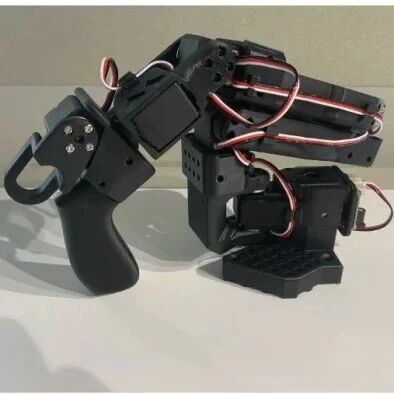
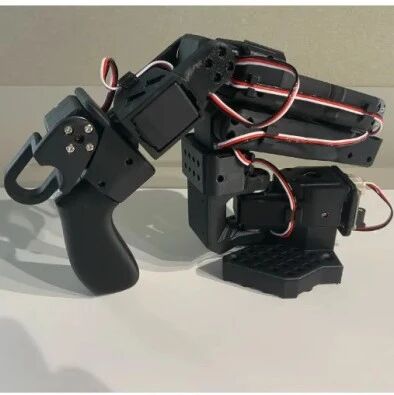
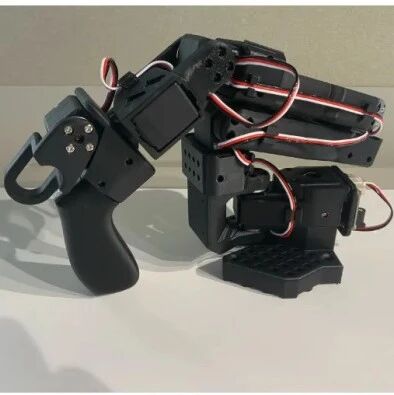
Core Viewpoint - The article discusses the challenges faced by beginners in the field of VLA (Vision-Language Alignment) tasks due to high costs and the complexity of data collection and model training, while introducing a comprehensive course aimed at addressing these issues and providing practical skills for aspiring professionals in the field [3][5][9]. Group 1: Challenges in VLA Tasks - Many beginners express frustration over the high costs associated with mechanical arms and sensors, which can exceed 15,000 yuan, making it difficult for self-learners or those without equipment to engage in VLA tasks [3]. - Open-source low-cost robotic arms are available, but many beginners struggle to achieve effective results due to difficulties in data collection and model training [4]. - A significant amount of time is wasted by beginners on common pitfalls when trying to integrate data, VLA models, and training optimizations [5]. Group 2: Course Offerings - The "Embodied Intelligence Heart" platform has replicated various VLA methods such as ACT, GR00T, π0, and π0.5 to help users overcome the challenges of lacking physical devices and not knowing how to get started [8]. - A practical course titled "VLA Small Class for Practical and Job-Seeking" has been developed in collaboration with industry experts to assist learners in effectively utilizing VLA technologies [9]. - The course covers a wide range of topics including robotic arm hardware, data collection, VLA algorithms, evaluation, simulation, deployment of mainstream VLA models, and real-world experiments [14]. Group 3: Course Details and Requirements - The course is designed for individuals seeking practical experience and projects in the VLA field, including students at various academic levels and professionals transitioning from traditional fields [25]. - Participants will receive a SO-100 robotic arm as part of the course, which includes both teaching and execution arms [18]. - The course aims to equip learners with skills equivalent to 1-2 years of experience as algorithm engineers upon completion [27].
用低成本复现这几个Git上最受欢迎的VLA任务
具身智能之心· 2026-01-11 03:02
Core Viewpoint - The article discusses the challenges faced by beginners in the field of VLA (Vision-Language Alignment) tasks due to high costs and the complexity of data collection and model training, while introducing a comprehensive course aimed at addressing these issues and providing practical skills for aspiring professionals in the field [3][5][9]. Group 1: Challenges in VLA Tasks - Many beginners express frustration over the high costs associated with mechanical arms and sensors, which can exceed 15,000 yuan, making it difficult for self-learners or those without equipment to engage in VLA tasks [3]. - Open-source low-cost mechanical arms are available, but many beginners struggle to achieve effective results due to difficulties in data collection and model training [4]. - A significant amount of time is wasted by beginners on common pitfalls, particularly with models like π0 and π0.5, which require specific tricks for data collection and training [5]. Group 2: Course Offerings - The "Embodied Intelligence Heart" platform has successfully replicated methods such as ACT, GR00T, π0, and π0.5 using SO-100 and LeRobot, aiming to help those lacking access to expensive equipment [8]. - A new practical course titled "VLA Small Class for Practical and Job-Seeking" has been developed in collaboration with VLA experts to assist learners in effectively utilizing VLA technologies [9]. - The course covers a wide range of topics, including hardware for robotic arms, data collection, VLA algorithms, evaluation, simulation, deployment of mainstream VLA models, and various real-machine experiments [14]. Group 3: Course Details and Requirements - The course is designed for individuals seeking practical experience and projects in the VLA field, including students at various academic levels and those transitioning from traditional fields like computer vision and robotics [25]. - Participants will receive a SO-100 robotic arm as part of the course package, which includes both teaching and execution arms [18]. - The course aims to equip learners with skills equivalent to 1-2 years of experience as algorithm engineers upon completion [27].
成本仅2k!完成各类VLA任务的复现
具身智能之心· 2026-01-09 00:55
Core Viewpoint - The article discusses the challenges faced by beginners in the field of VLA (Vision-Language Alignment) tasks due to high costs and the complexity of data collection and model training, while introducing a comprehensive course aimed at addressing these issues and providing practical skills for aspiring professionals in the field [3][5][9]. Group 1: Challenges in VLA Tasks - Many students express frustration over the high costs associated with mechanical arms and sensors, which can exceed 15,000 yuan, making it difficult for self-learners or those without equipment to engage in VLA tasks [3]. - Open-source low-cost robotic arms are available, but many beginners struggle to achieve effective results due to difficulties in data collection and model training [4]. - A significant amount of time is wasted by students on troubleshooting and overcoming obstacles in data collection, model training, and deployment, particularly with complex models like π0 and π0.5, and GR00T [5]. Group 2: Course Offerings - The "Embodied Intelligence Heart" platform has replicated methods such as ACT, GR00T, π0, and π0.5 using SO-100 and LeRobot to help students who lack access to expensive equipment and do not know how to get started [8]. - A comprehensive VLA practical course has been developed in collaboration with industry experts, focusing on real-world applications and job readiness [9][14]. - The course covers a wide range of topics, including hardware for robotic arms, data collection, VLA algorithms, evaluation, simulation, deployment of mainstream VLA models, and various real-world experiments [14][15]. Group 3: Course Details and Requirements - Students who purchase the course will receive a SO-100 robotic arm, which includes both teaching and execution arms, delivered directly to them [18]. - The course is designed for individuals seeking practical experience and projects in the VLA field, including those transitioning from traditional computer vision, robotics, or autonomous driving [25]. - The course requires a foundational knowledge of Python and Pytorch, as well as experience in debugging real machines and data collection [25].
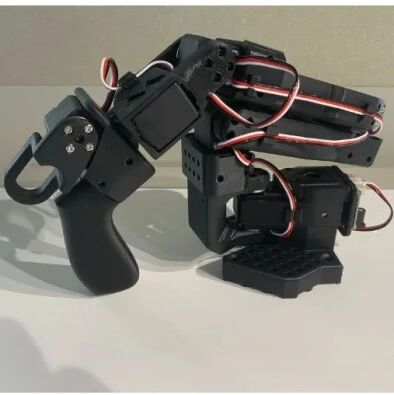
为什么π系列对行业产生了这么大的影响?
具身智能之心· 2026-01-07 07:02
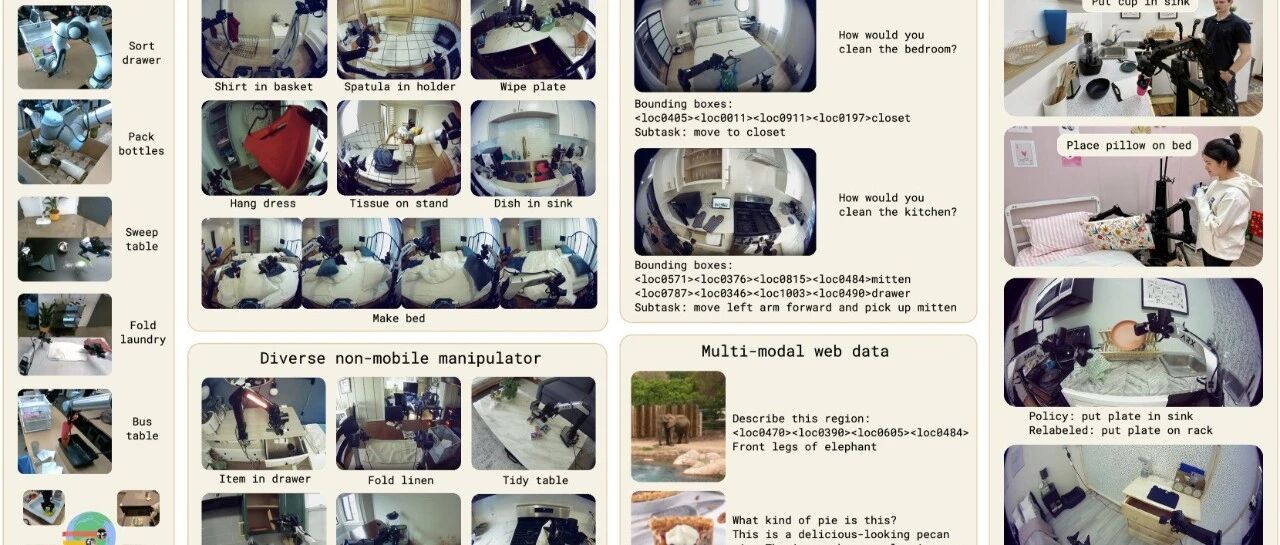
Core Viewpoint - The article discusses the advancements in the π series, which is a significant milestone in the VLA (Vision-Language-Action) field, emphasizing its role in leading the paradigm of robot learning in the era of generative AI and reshaping industry application logic [2]. Summary by Sections π Series Development - The π0 model introduces Flow Matching for continuous action trajectory prediction, overcoming traditional discrete action precision limitations, providing a foundation for millimeter-level operations in precision manufacturing and autonomous driving scenarios [3]. - The π0.5 model features heterogeneous task collaborative training and hierarchical reasoning, achieving a 94% success rate in generalizing complex tasks in unfamiliar environments, while reducing data costs by 90% through human video training, addressing the industry's data scarcity issue [3]. - The π0.6 model utilizes RECAP reinforcement learning to enable zero-shot generalization and efficient fine-tuning, surpassing human efficiency and precision in real-world applications, facilitating flexible production [3]. Industry Impact - The π series models serve as core references for numerous VLA models in the industry since 2025, transitioning general-purpose robots from laboratory settings to real-world applications in industrial manufacturing and home services [3]. - Companies are building their own demo machines based on the π series, such as for folding clothes and unpacking, indicating the practical applications and industry response to advancements in physical intelligence [3]. Learning and Training Challenges - Many beginners face difficulties in completing data and VLA model training optimizations based on the π series, with some spending up to six months without achieving satisfactory results [5]. - The article highlights the need for guided projects to enhance learning and provide practical experience for job applications [6][11]. Educational Initiatives - The company "具身智能之心" has replicated the π0, π0.5, ACT, and GR00T methods to address the lack of real machines and project guidance for learners [7]. - A new course titled "VLA Small Class for Practical and Job-Oriented Learning" has been developed in collaboration with VLA experts to help students effectively learn and apply VLA technologies [8][13]. Course Details - The course includes comprehensive content covering hardware, data collection, VLA algorithms, evaluation, simulation, deployment of mainstream VLA models, and various real machine experiments [13][14]. - Students purchasing the course will receive a SO-100 robotic arm, enhancing hands-on learning opportunities [16]. Target Audience - The course is aimed at individuals seeking practical experience and projects for job applications, as well as those looking to advance their knowledge in the VLA field [24].
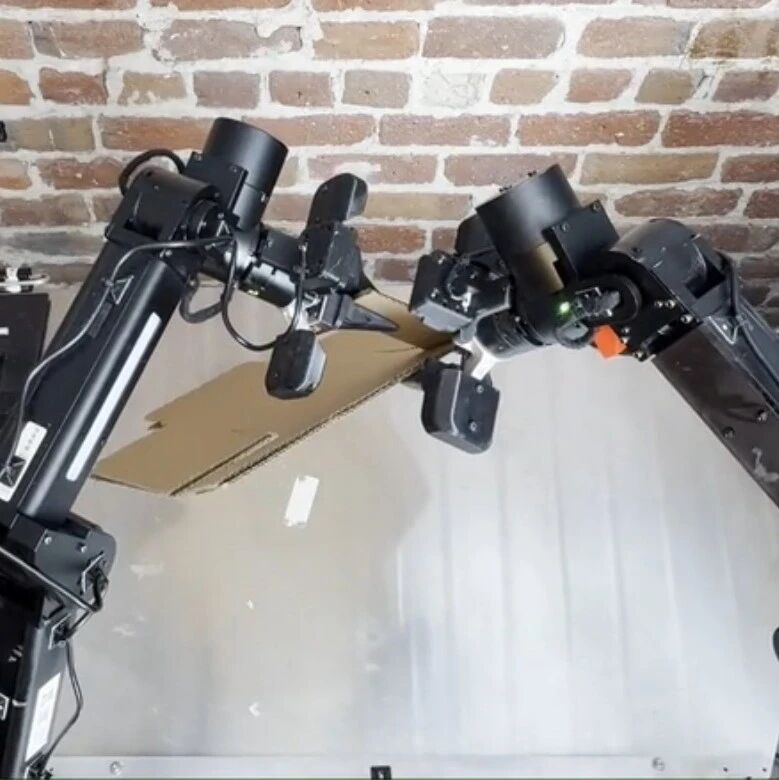
正式开始学习!使用低成本机械臂复现pi0和pi0.5~
具身智能之心· 2026-01-06 00:32
Core Viewpoint - The article emphasizes the increasing demand for VLA (Vision-Language Alignment) algorithms in the industry, highlighting the challenges faced by practitioners in data collection and model optimization, which are critical for effective implementation in embodied intelligence applications [2][4]. Group 1: Industry Demand and Challenges - There is a significant demand for VLA algorithms, as reflected in the numerous job postings and research papers related to this area [2]. - Practitioners often face difficulties with VLA due to complex data collection processes and the need for real machine data, which is not always reliable [2][4]. - Many newcomers to the field report spending considerable time troubleshooting and facing obstacles in model training and optimization [4]. Group 2: Educational Initiatives - The article introduces a practical course aimed at addressing the learning curve associated with VLA, developed in collaboration with industry experts [5]. - The course covers a comprehensive curriculum that includes hardware, data collection, VLA algorithms, and real-world applications, designed to facilitate effective learning [8][9]. - Participants in the course will receive a SO-100 robotic arm as part of their enrollment, enhancing hands-on learning opportunities [9]. Group 3: Course Structure and Content - The course is structured into nine chapters, covering topics from VLA basics to advanced model deployment and evaluation [11][12][13][14]. - Key areas of focus include data acquisition, model training, simulation environments, and the integration of VLA with world models [15][16][17]. - The curriculum aims to equip students with practical skills and knowledge necessary for careers in embodied intelligence and robotics [24][25].