Liquefied natural gas

Search documents
How the big oil and gas CEOs think the Iran war supply disruption will play out
CNBC· 2026-03-28 12:09
Core Message - The CEOs of major oil and gas companies have expressed concerns about the significant impact of the Iran war on global energy supplies and the broader economy, indicating that the market is not adequately reflecting the disruption caused by the conflict [1][2]. Group 1: Impact on Energy Supplies - Asia and Europe are expected to face fuel shortages if the war continues, with oil prices likely to remain elevated as countries work to replenish depleted reserves [2] - The closure of the Strait of Hormuz by Iran has effectively imposed an economic blockade on Middle Eastern oil producers, severely affecting global oil exports [3] - The current oil shock is described as the worst since the 1973 Arab oil embargo, with significant repercussions anticipated across the global economy [4][5] Group 2: Market Reactions and Price Trends - Oil prices have shown volatility, dropping when there are hopes for a resolution to the conflict and rising with renewed tensions, with U.S. crude prices increasing by 49% to $99.64 per barrel since the onset of the conflict [8] - Brent crude prices have surged over 55% to $112.57 per barrel, indicating a tightening physical supply of oil compared to futures market prices [9] - Executives emphasize that the market is reacting based on limited information and perceptions rather than actual physical supply dynamics [9] Group 3: Industry Responses and Concerns - Executives are calling for U.S. military protection for energy assets in the region, highlighting the vulnerability of investments due to the ongoing conflict [6] - The closure of the world's largest liquefied natural gas hub in Qatar due to drone attacks has forced companies to evacuate non-essential staff, further complicating operations [7]


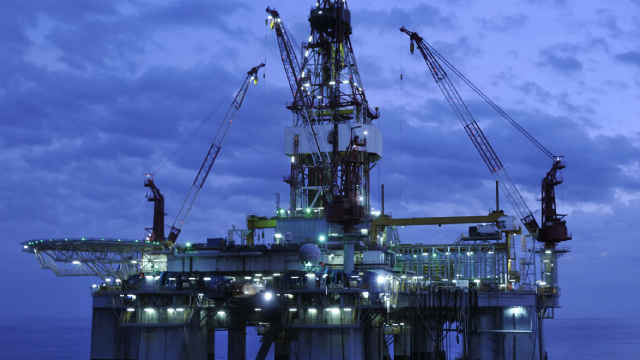
Middle East tensions push global oil prices up by 2%
Yahoo Finance· 2026-03-26 12:06
Group 1 - Oil prices increased by 2% on March 26, recovering losses from the previous day, driven by concerns over Middle East conflicts affecting energy supplies [1] - Brent crude futures rose by $2.08, or 2.03%, reaching $104.30 per barrel, while US West Texas Intermediate (WTI) crude futures climbed $1.93, or 2.14%, to $92.25 per barrel [1] - The International Energy Agency (IEA) identified the ongoing Middle East conflict as causing unprecedented disruptions to oil supplies, particularly through the Strait of Hormuz, which facilitates around 20% of global crude oil and liquefied natural gas transport [2] Group 2 - Iran is evaluating a US proposal to resolve the conflict but has not indicated a willingness to negotiate an end to hostilities, according to Iran's foreign minister [3] - The US proposal includes demands such as the elimination of Iran's highly enriched uranium reserves and restrictions on its ballistic missile program [3] - Japanese Prime Minister Sanae Takaichi has requested coordinated releases from oil stockpiles during discussions with IEA head Fatih Birol to address supply disruptions [4] Group 3 - Ukrainian drone strikes and other conflicts have halted around 40% of Russia's export capacity, adding strain to global oil supply concerns [5] - Iraqi oil production is also under pressure as storage tanks approach maximum capacity [5]
South Korea braces for 'worst-case scenarios' as Iran oil shock deepens
CNBC· 2026-03-25 07:11
Core Insights - South Korea is enhancing its emergency economic planning in response to ongoing Middle East conflicts, with Prime Minister Kim Min-seok emphasizing the need to prepare for "worst-case scenarios" [1][2] Group 1: Government Response - An emergency economic task force will be established, led by Prime Minister Kim, to coordinate efforts across various ministries [2] - The task force will meet bi-weekly and will focus on the impacts of the conflict on energy, macroeconomics, financial markets, and household livelihoods [3] - An emergency economic situation room will be set up at the presidential office to monitor the situation [3] Group 2: Economic Vulnerability - South Korea imports approximately 70% of its crude oil and 20% of its liquefied natural gas from the Middle East, making the economy particularly susceptible to energy supply disruptions [4] - The Strait of Hormuz, a critical passage for global energy, has been effectively closed by Iran, causing significant disruptions in energy markets and increasing inflationary pressures due to rising energy prices [5] Group 3: Emergency Measures - In response to the escalating situation, South Korea has implemented several emergency measures, including the introduction of a fuel price cap for the first time in nearly 30 years to mitigate rising energy costs [6]
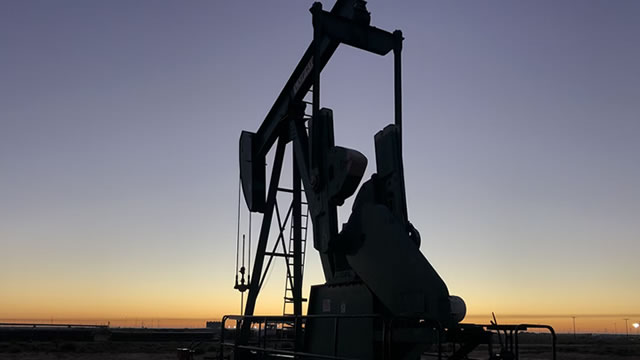
CERAWEEK Venture Global has adequate long-term supply of LNG, CEO says
Reuters· 2026-03-24 17:36
Core Viewpoint - Venture Global, a liquefied natural gas exporter, has sufficient short, medium, and long-term supplies and is collaborating with various countries to deliver essential cargoes [1] Group 1 - The CEO of Venture Global, Mike Sabel, emphasized the company's capability to meet global demand for liquefied natural gas [1] - The company is actively working with countries worldwide to ensure the delivery of critical cargoes [1]
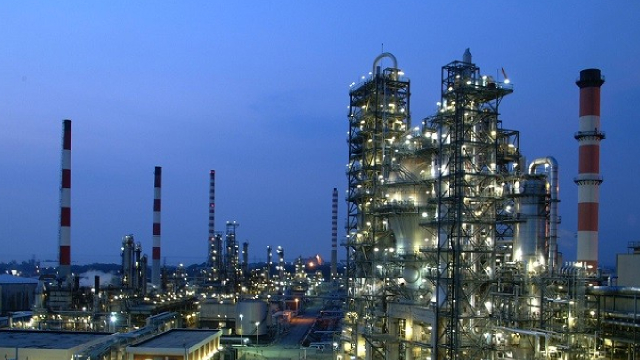
U.S. economy will show resilience, despite rising oil prices
Yahoo Finance· 2026-03-23 15:07
Group 1 - The Iran-U.S.-Israel conflict is escalating, with significant threats exchanged, indicating that the war is unlikely to end soon [1][2] - The recent spike in oil and gas prices due to the conflict poses challenges to the optimistic outlook for the U.S. economy, although underlying resilience is noted [2][5] - The U.S. has become a net exporter of energy products, which is expected to mitigate the negative impact of rising prices on economic growth [3][5] Group 2 - The U.S. economy is well-positioned to withstand oil shocks, with a reduced sensitivity to oil price changes and stimulative monetary and fiscal policies [4][5] - Analysts at BNP Paribas maintain a positive outlook on the U.S. economy, expecting the unemployment rate to remain stable unless oil prices exceed $150 per barrel [6] - The closure of the Strait of Hormuz by Iran, through which about 20% of the world's oil flows, presents a significant problem for the global economy [7]

US EXIM announces USD 10 billion support to Essar's Mesabi Metallics
The Economic Times· 2026-03-21 18:37
Group 1 - The US Export-Import Bank (EXIM) announced support of up to USD 10 billion for Mesabi Metallics, aimed at a major minerals and manufacturing project in Minnesota, which is expected to unlock nearly USD 30 billion in strategic deals to enhance America's supply chain security with Indo-Pacific allies [10][11]. - Mesabi Metallics is developing an integrated iron ore mining and processing facility that will produce approximately seven million tons of high-grade direct-reduction iron ore pellets annually, which are critical for modern steelmaking and will create hundreds of jobs in the US [2][11]. - The high-grade pellets produced will be essential for next-generation steel production and will supply materials necessary for infrastructure, manufacturing, and advanced industries, while also strengthening economic ties with India [5][11]. Group 2 - EXIM is advancing America's Energy Dominance agenda through initiatives that strengthen domestic industry and build partnerships with allies in the Indo-Pacific [6][11]. - EXIM issued Letters of Interest for up to USD 4.2 billion in potential financing for nuclear fuel sales by General Matter to nuclear power operators in Japan and South Korea, which will support the purchase of American enriched uranium [6][11]. - In Australia, RZ Resources is developing the Copi Project, expected to produce titanium feedstocks and other strategic minerals, with EXIM providing up to USD 550 million in financing, reflecting increased coordination among global economies to secure critical minerals supply chains [7][8][11]. Group 3 - The USD 14 billion Delfin LNG Project, developed by Delfin Midstream Inc., will establish the first offshore liquefied natural gas export facility in the US, involving partners from Japan and South Korea [9][11]. - EXIM's support for these projects aligns with the Trump Administration's priority to enhance America's energy dominance and expand energy supply while boosting domestic maritime capabilities [10][11].


Charting the Global Economy: Interest-Rate Hikes May Be Coming
Yahoo Finance· 2026-03-21 09:00
Monetary Policy Developments - Central banks globally, including the US, Europe, and Japan, maintained current interest rates while evaluating the economic impact of rising energy costs due to geopolitical tensions [2][3] - The European Central Bank is expected to consider rate hikes, potentially as early as next month, in response to inflation pressures [2][8] - The Bank of England has adopted a more hawkish stance, and the Bank of Japan is also contemplating a rate increase [2] Global Economic Impact - Soaring energy prices are likely to increase inflation but may also dampen business activity and consumer spending [3] - The Iranian missile strike on Qatar's liquefied natural gas plant has caused significant disruptions, leading to a surge in European gas futures and Brent crude prices exceeding $119 per barrel [6] - The ongoing closure of the world's largest liquefied natural gas plant is projected to have long-term repercussions on energy markets, with substantial energy losses equivalent to powering Sydney for a year [7] Regional Central Bank Actions - Several central banks, including those in Taiwan, Sweden, Switzerland, and others, opted to keep interest rates unchanged, while Brazil, Russia, and Ghana reduced borrowing costs [5] - Australia has raised interest rates for the second consecutive meeting, indicating a tightening of monetary policy [5]
World trade growth set to slow to 1.9% this year, Iran war may weigh more, says WTO
Yahoo Finance· 2026-03-19 14:07
Core Insights - Global trade in goods is projected to slow down significantly to 1.9% in 2026 from 4.6% in 2025, with potential further deceleration due to ongoing conflicts in the Middle East affecting energy prices and global transport [1][2] - The growth forecast for global trade is under pressure from the U.S.-Israeli conflict, which could lead to crude oil and liquefied natural gas prices remaining high, potentially slowing trade growth to 1.4% [2] - A blockade of the Strait of Hormuz could disrupt fertilizer imports, impacting major producers and exacerbating food security risks [3] Trade Growth Dynamics - Trade in AI-related products has been a significant driver of growth, accounting for 42% of global trade growth in 2025, with a year-on-year increase of 21.9% to $4.18 trillion [5] - The ongoing strength of investment in AI-related sectors is uncertain for 2026 and beyond, raising questions about future growth [6] - Global goods and services trade is expected to grow at a rate of 2.7% in 2026, closely aligning with the projected GDP growth of 2.8% [6] Regional Trade Forecasts - Asia is expected to lead merchandise import growth in 2026, with imports increasing by 3.3% and exports by 3.5%, while Africa will see 3.2% import growth and 1.2% export growth [7] - North America is projected to have flat growth in imports at 0.3% [7] Trade Policy Context - Approximately 72% of world trade is conducted on a Most-Favored-Nation basis, a decrease from about 80% at the beginning of the previous year due to higher import tariffs imposed by the U.S. [7]
Oil Prices Could Hit $150 If War Continues Through End of March
Yahoo Finance· 2026-03-19 10:44
Core Viewpoint - Oil prices could potentially rise to $150 per barrel or more if the conflict in the Middle East continues until the end of March, driven by intensified attacks on energy infrastructure by Iran [1]. Group 1: Supply Shock and Market Reaction - The ongoing conflict represents a significant supply shock affecting not only oil but also other energy resources globally [2]. - Brent oil prices surged by 6% to over $114 per barrel due to Iranian attacks on Middle Eastern oil infrastructure, with the Strait of Hormuz currently closed to all vessels except Iranian cargoes [2]. - Analysts have been predicting oil prices could reach $200 per barrel amid escalating tensions in the region [5]. Group 2: Impact of Iranian Attacks - Iran's recent strike on the South Pars gas field has led to retaliatory attacks on energy infrastructure in Qatar and Saudi Arabia, causing "extensive damage" to Qatar's Ras Laffan industrial complex, the largest liquefied natural gas facility in the world [3]. - The Samref refinery in Saudi Arabia has also been targeted, although the impact was reported to be minor [4]. - The Iranian retaliation raises concerns about prolonged disruptions to energy supplies in the Persian Gulf [4]. Group 3: OPEC+ Stability - Despite the ongoing conflict, the OPEC+ alliance is expected to remain intact, similar to its resilience during previous conflicts among its members [2].
Global Market Today | Asian stocks decline as oil’s surge saps sentiment
The Economic Times· 2026-03-19 00:53
Market Overview - Japan's Nikkei 225 index fell by 2.4%, while a broader measure of Asian shares dropped over 1.3% as investors reduced risk exposure [1] - US futures also declined after the S&P 500 and Nasdaq 100 both decreased by 1.4% [1] - Brent crude oil prices rose above $111 per barrel due to strikes between Iran and Israel affecting critical energy facilities, including the world's largest liquefied natural gas export plant in Qatar [1] Federal Reserve Insights - Federal Reserve Chair Jerome Powell indicated that the Iran conflict has introduced new uncertainty into the inflation outlook, complicating the interest rate trajectory [2][6] - The Federal Reserve left interest rates unchanged but maintained expectations for one rate cut this year [2][6] - Economic forecasts from the Fed showed an increase in the inflation outlook for 2026 to 2.7% from 2.4%, with the core measure also projected to rise to 2.7% [7][9] Private Credit Market Concerns - S&P Global Ratings downgraded its outlook on Cliffwater LLC's flagship private credit fund to negative due to high redemption requests [5] - Pacific Investment Management Co. is avoiding private credit loans for sale due to concerns over quality, as stated by its president Christian Stracke [5] Market Reactions - Following Powell's comments, traders adjusted their expectations for rate cuts this year, leading to a higher-for-longer rate outlook amid energy market volatility [6] - The yield on two-year Treasuries stabilized after a previous increase of 10 basis points to 3.77% [6]