MCE

Search documents
创新药下一个风口浮现
3 6 Ke· 2025-11-24 23:19
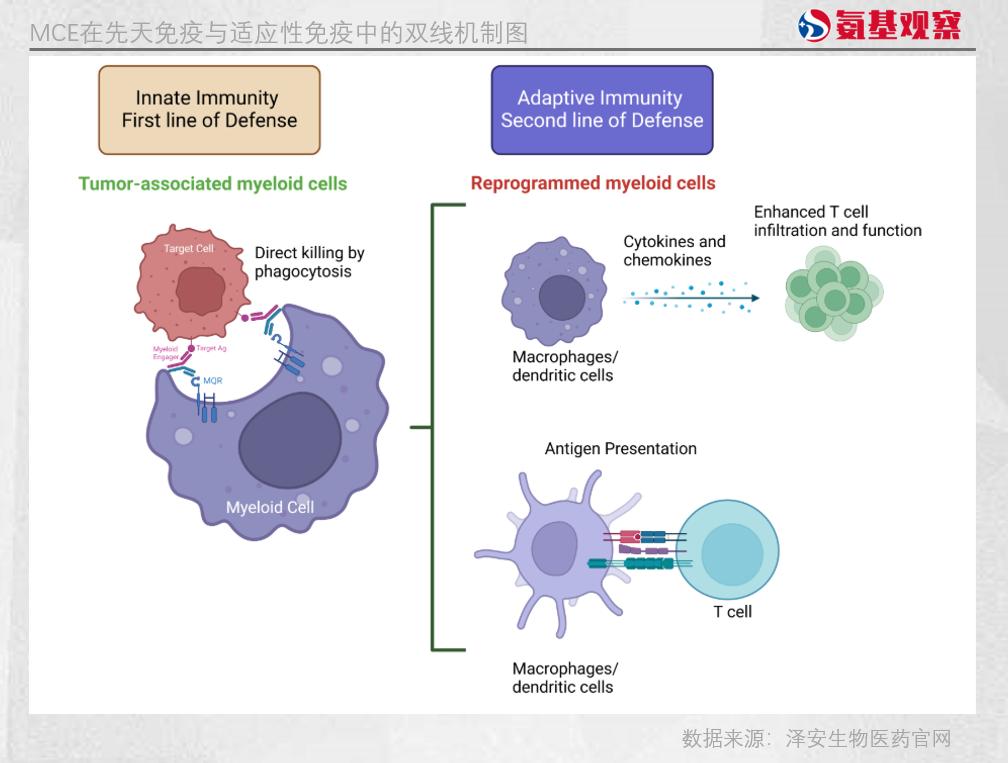
Core Insights - The MCE (myeloid cell engager) technology is rapidly gaining attention in the immunotherapy sector, with significant transactions indicating its strategic value among major pharmaceutical companies [1][4][6] - MCE's mechanism targets myeloid cells, potentially offering broader applications and reduced risks compared to TCE (T cell engager) therapies, which is a key factor in its appeal to large pharmaceutical firms [2][10] Group 1: Major Transactions and Collaborations - Novartis initiated interest in MCE by partnering with Dren Bio for $3 billion, aiming to develop a new class of bispecific antibodies using Dren's myeloid cell engager platform [4][5] - Sanofi followed by acquiring Dren Bio's promising CD20-targeting MCE, DR-0201, for an upfront payment of $600 million, with total milestone payments potentially reaching $1.9 billion [4][11] - GSK has also entered the MCE space by signing agreements for four MCE projects with Zealand Bio, integrating MCE into its broader ADC+IO Engager strategy [5][11] Group 2: Mechanism and Advantages of MCE - MCE operates through a "bind-activate-kill" mechanism, connecting myeloid cells with target cells, which enhances the immune response against tumors [7][10] - The targeting of tumor-associated myeloid cells (TAMCs) allows MCE to modulate the immune system more effectively, potentially overcoming limitations faced by TCE therapies in solid tumors [8][10] - MCE's ability to safely release pro-inflammatory factors reduces the risk of cytokine release syndrome (CRS), presenting a significant safety advantage over TCE [10][12] Group 3: Clinical Development and Future Potential - MCE is not merely a derivative of TCE but represents a new approach to harnessing innate immunity, with the potential to complement existing therapies like PD-1 and CAR-T [13][14] - The ongoing clinical trials and pipeline developments from companies like Dren Bio and Zeal Bio indicate a strong focus on both oncology and autoimmune diseases, showcasing MCE's versatility [11][14] - The growing interest from major pharmaceutical companies reflects the belief that MCE could fill critical gaps in the current immunotherapy landscape, leading to innovative treatment options [14]