ME Agent共创计划

Search documents
以产驱教,AI+制造业的「救星」?
36氪· 2025-05-21 10:40
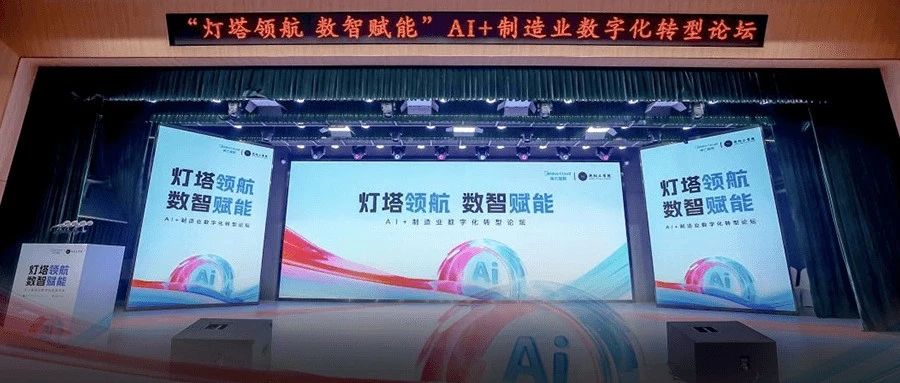
Core Viewpoint - The transformation of AI's technological potential into sustainable business momentum requires a simultaneous emphasis on talent and knowledge assets [1][29]. Group 1: AI and Talent Shortage - The year 2025 is anticipated to be the inaugural year for AI agents [2]. - In the manufacturing sector, the expectation for AI's role in digital transformation has increased, moving from being merely an "assistant" to a "digital employee" [3]. - A significant talent gap exists, with only 2% of manufacturing employees possessing AI-related skills, highlighting a structural contradiction where new digital applications are deployed without the necessary human expertise [3][6]. - The talent shortage is projected to reach 5 million in the smart manufacturing sector by this year [8]. Group 2: Challenges in Digital Transformation - Over 70% of digital transformation projects fail to meet expectations, primarily due to excessive application systems, traditional automation processes, and a notable lack of digital talent [7]. - The current educational system fails to adequately prepare engineering students with data thinking skills, leading to a disconnect between academic training and industry needs [9]. Group 3: Solutions through Collaboration - To address the talent shortage, a collaborative ecosystem between educational institutions and enterprises is essential, termed "industry-education integration" [10]. - The ME20+ forum and ME Agent co-creation plan aim to foster collaboration between over ten leading manufacturing companies and educational institutions to cultivate digital talent [10][20]. - The integration allows for real-world scenarios to be transformed into educational curricula, enabling students to gain practical experience [10]. Group 4: Innovative Educational Models - The Shenyang Institute of Technology has established a "Digital Lighthouse Academy" as part of the ME20+ initiative, connecting modern industry colleges and experimental centers to enhance talent training efficiency [16][18]. - This academy utilizes a task-driven teaching approach, allowing students to engage in practical projects that align with industry needs [16]. Group 5: Future Directions - The ME Agent co-creation plan serves as a bridge for industry-education integration, linking AI capabilities with talent development [20][21]. - The dynamic nature of market demands necessitates continuous adaptation in educational programs to prevent a mismatch between student skills and industry requirements [24][25]. - The focus on creating a flexible talent pool that can adapt to various industries is crucial for the future of manufacturing [27].