
AI+制造业

Search documents
聚智聚力 同心同行 为确保支点建设取得决定性进展而团结奋斗
Chang Jiang Shang Bao· 2026-01-30 00:56
Core Viewpoint - The meeting emphasizes the importance of unity and collaboration among various sectors to ensure decisive progress in the construction of Hubei's development framework during the "14th Five-Year Plan" period [2][4]. Group 1: Meeting Highlights - The meeting was attended by various representatives from different sectors, including the Communist Party, youth organizations, and the business community, to discuss the government work report and the draft of the "14th Five-Year Plan" [2][3]. - Participants provided insightful suggestions on topics such as modernizing Wuhan, integrating AI with manufacturing, enhancing ecological capacity, and developing a modern industrial system in Hubei [3]. Group 2: Achievements and Challenges - Over the past five years, Hubei has faced significant challenges, including the pandemic and natural disasters, yet has successfully completed its "13th Five-Year Plan" goals, showcasing advancements in economic development, technological innovation, and improved living standards [4]. - The leadership of Xi Jinping and the guiding principles of the Xi Jinping Thought on Socialism with Chinese Characteristics have been pivotal in overcoming these challenges [4]. Group 3: Strategic Focus for the "14th Five-Year Plan" - The "14th Five-Year Plan" period is characterized by significant changes in the development environment, necessitating alignment with the central government's strategic deployments [5]. - Key focuses include adapting to global shifts, embracing technological revolutions, promoting green development, and transitioning from a demographic dividend to a talent dividend [5]. Group 4: Goals and Implementation - The year marks the beginning of the "14th Five-Year Plan" and is crucial for advancing Hubei's development initiatives [6]. - Emphasis is placed on maintaining a consistent vision, achieving high-quality development, and ensuring a balance between economic and social progress [6].
宁德时代首席制造官倪军:生成式AI在工业领域需更深层知识与更多数据训练
Di Yi Cai Jing Zi Xun· 2025-11-04 10:41
Core Insights - The manufacturing industry is facing significant challenges in workforce transformation and talent supply due to aging populations and declining interest from younger generations in manufacturing jobs [1] - A report from the World Economic Forum indicates that over 40% of Generation Z employees in manufacturing are considering leaving their jobs within the next three to six months [1] - There is a mismatch between the skills taught in educational institutions and the needs of the manufacturing industry, exacerbated by rapid technological advancements [1] Group 1: Talent Shortage and Demand - The manufacturing sector globally is experiencing a talent shortage, particularly in developed countries, where young people prefer more comfortable jobs in finance rather than in the manufacturing sector [3] - In the U.S., a report from the Manufacturing Institute and Deloitte forecasts a need for up to 3.8 million manufacturing workers from 2024 to 2033, with approximately 1.9 million positions expected to remain unfilled [3] - The industry requires talent with foundational scientific knowledge and digital skills to effectively utilize advanced technologies like AI and automation [4] Group 2: Role of Education and Innovation - Universities and companies should play distinct roles in research and development, with universities focusing on foundational research that can lead to innovative ideas, while companies concentrate on short-term R&D goals [5] - The World Manufacturing Foundation reported that 29.9 million workers in advanced manufacturing will need to change their skills due to trends like green transformation and new technology applications [5] - There is a growing need for interdisciplinary and comprehensive talent that can adapt to rapid changes in the industry, rather than individuals with expertise in only one field [5][6] Group 3: Lifelong Learning - Educational institutions should aim to cultivate talent capable of lifelong learning, preparing individuals for long-term career development rather than just their first job [6]


视频丨工业机器人产量大增 前三季度我国实现“智”造升级
Yang Shi Xin Wen Ke Hu Duan· 2025-11-03 11:43
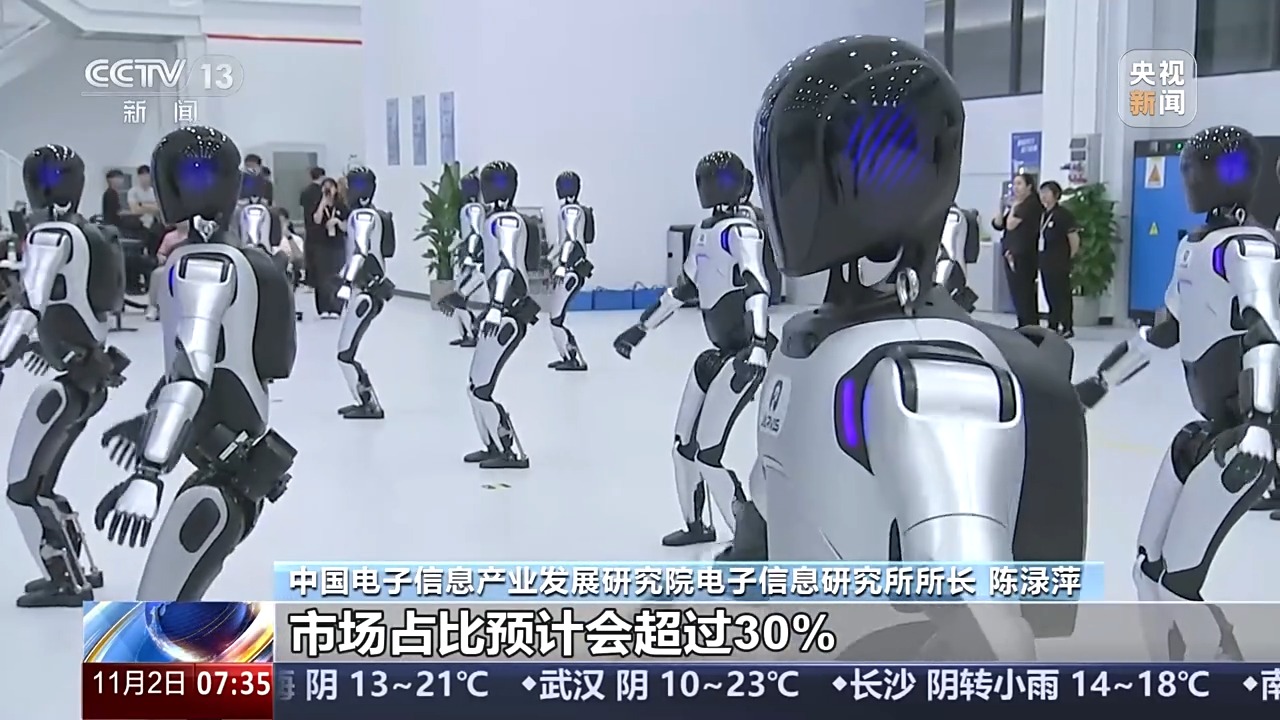
Core Viewpoint - High-tech manufacturing is a core engine driving new industrialization, accelerating industrial transformation and upgrading, and enhancing the international competitiveness of the manufacturing sector, becoming a key driver of high-quality economic development in China [1] Group 1: High-tech Manufacturing Growth - In the first three quarters of this year, the added value of China's high-tech manufacturing industry increased by 9.6% year-on-year, surpassing the average industrial growth rate by 3.4 percentage points [1] - The contribution rate of high-tech manufacturing to the growth of all above-scale industries reached 24.7%, highlighting its role as a stabilizing force in the industrial economy [1] Group 2: Intelligent Manufacturing - The production of intelligent products such as drones, industrial robots, 3D printing equipment, and satellite navigation receivers saw significant growth, with increases of 59.9%, 29.8%, 40.5%, and 28.5% respectively [1] - The rapid growth of robot production is a notable highlight, with industrial robot production reaching 76,300 units in September, a year-on-year increase of 28.3%, and cumulative production from January to September exceeding 595,000 units, surpassing the total production for the previous year [2] Group 3: AI Integration in Manufacturing - The integration of "AI+" in manufacturing is transforming the entire production chain, enhancing efficiency across research, production, management, and service sectors [5][6] - AI applications are extending beyond high-end equipment to traditional manufacturing sectors such as home appliances and building materials, significantly improving operational efficiency and reducing downtime [8] Group 4: Technological Breakthroughs - Continuous technological breakthroughs are essential for the sustained growth of high-tech manufacturing, with significant advancements in key areas such as high-end equipment and new materials [11] - The development of a directional drilling system, referred to as the "snake," has enabled precise navigation in extreme underground conditions, marking a shift from experience-driven to data-driven exploration [13] Group 5: Market Dynamics and Policy Support - The growth of high-tech manufacturing is supported by both policy and market forces, with a focus on overcoming bottlenecks and expanding advantages in core areas [16] - Investment in sectors related to high-tech manufacturing, such as aerospace and computer equipment, has seen year-on-year increases of 20.6% and 7.4% respectively, indicating robust market demand [15] Group 6: Future Outlook - The global robot market is projected to exceed $400 billion by 2029, with intelligent robots expected to account for over 30% of the market share [4] - Experts emphasize the need for China to adapt to new technological revolutions and industrial transformations, reinforcing the role of AI and innovation in driving high-tech manufacturing development [18]

一年时间完成三轮融资,工业AI智能体公司「设序科技」获数千万元Pre B轮融资|早起看早期
36氪· 2025-10-15 00:12
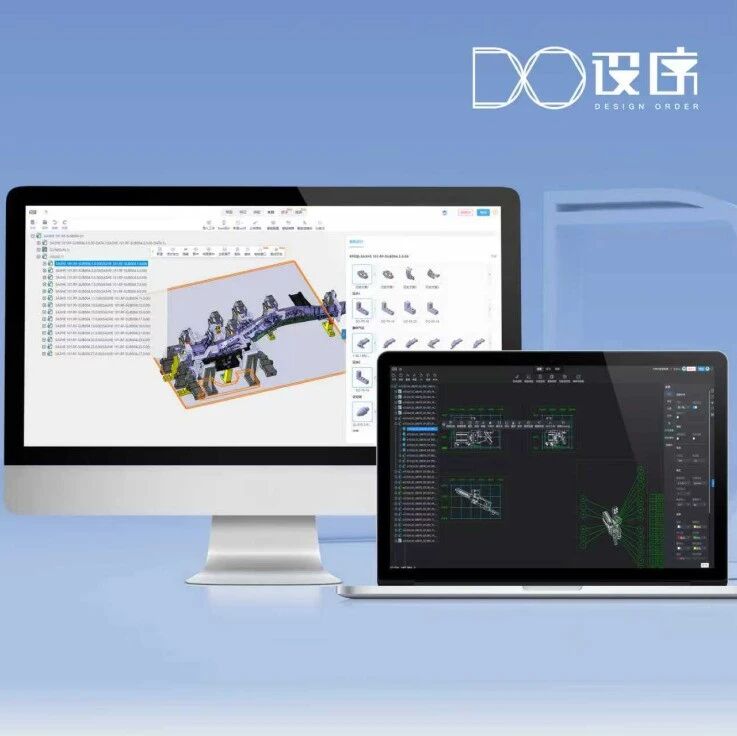
Core Insights - The article discusses the recent funding round of "Shexu Technology," a provider of industrial AI generative design software, which raised several million yuan in a Pre-B round led by Yonghua Investment and GF Xinde, with a total funding exceeding 100 million yuan over the past year [6][10]. Company Overview - "Shexu Technology" was established in 2020 and offers a product called "Shanshe," an industrial intelligent generative design software that utilizes a self-developed industrial world model and a natural language model to provide intelligent 3D design solutions and 2D engineering drawings [6][7]. - The founder and CEO, Wu Yongrong, has a background in advanced manufacturing from Tongji University and has previously worked at General Advanced Manufacturing Laboratory and NIO [6]. Market Trends - The article highlights two major trends in the industrial AI software sector: the continuous enhancement of foundational large model capabilities, which improves multi-modal information processing and interaction experiences, and the deepening specialization of vertical industrial world models that reach the essence of industrial mechanisms [6][7]. Product Capabilities - "Shanshe" has been applied in various sectors, including automotive, 3C, and energy, with major clients such as BYD, Honda, Shanghai Electric, and COMAC. The software significantly enhances design efficiency, reportedly increasing it by several times to over tenfold, while also improving consistency and quality [7][9]. Financial Performance - Wu Yongrong stated that the company expects to exceed 100 million yuan in orders this year, with revenue approaching 100 million yuan, and has maintained a compound annual growth rate of over 100% in recent years [9]. Future Plans - "Shexu Technology" plans to expand its model capabilities and product offerings, extending from design to processes and manufacturing, including intelligent design reviews, intelligent process planning, and intelligent machining code generation [9]. - The company aims to enhance its software business and penetrate overseas markets, where there is strong demand for its products, having already established preliminary cooperation with some European clients [9]. Investor Perspectives - Yonghua Investment's managing director, Tang Zheng, emphasized the importance of AI in driving efficiency in the manufacturing sector and praised "Shexu Technology" for addressing complex industrial needs and developing a robust industrial world model [10]. - GF Xinde's project leader, Zhang He, highlighted the innovative potential of "Shexu Technology" in redefining the value of engineers and creating significant commercial value through its product "Shanshe," which enhances design efficiency and reduces costs for clients [11].
一年时间完成三轮融资,工业AI智能体公司「设序科技」获数千万元Pre B轮融资|36氪首发
3 6 Ke· 2025-10-13 01:29
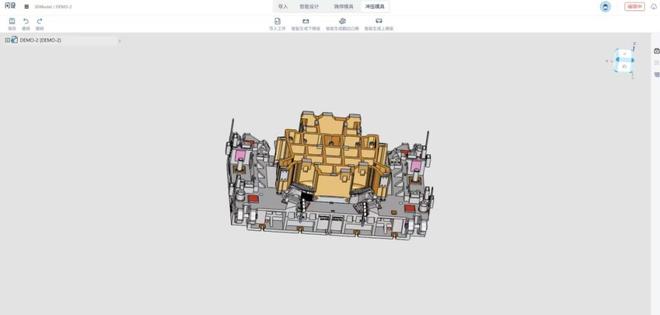
Core Insights - "Shexu Technology," an industrial AI generative design software provider, recently completed a multi-million Pre-B round financing, with total funding exceeding 100 million in the past year [1][2] - The company's product "Flash Design" utilizes self-developed industrial world models and natural language models to provide intelligent 3D design solutions and 2D engineering drawings [1][2] - The CEO, Wu Yongrong, emphasizes the potential of AI to redefine industrial design and manufacturing processes in China, which has the largest industrial manufacturing sector globally but lags in industrial software development [1][2] Company Overview - "Shexu Technology" was founded in 2020 and has developed the "Flash Design" software, which has been applied in various sectors including automotive, 3C, and energy, with clients such as BYD, Honda, and Shanghai Electric [2][4] - The software significantly enhances design efficiency, reportedly improving it by several times, and is expected to generate over 100 million in orders this year [4] Industry Trends - The industrial AI software sector is gaining attention as the commercial value of "AI + manufacturing" becomes increasingly evident [1][2] - Two major trends identified in the industry include the continuous enhancement of foundational large model capabilities and the deepening specialization of vertical industrial world models [1][2] Challenges in Industrial World Model - The construction of industrial world models faces three core challenges: difficulty in data acquisition, complexity in processing unstructured data, and stringent output requirements for industrial-grade precision and reliability [2] Future Plans - "Shexu Technology" plans to expand its model capabilities and product offerings, extending from design to processes and manufacturing, including intelligent design reviews and smart process planning [5] - The company aims to enhance its software business and penetrate overseas markets, where demand for its products is reportedly strong [5] Investor Perspectives - Investors highlight the importance of AI in driving efficiency in the manufacturing sector and recognize "Shexu Technology" for addressing complex industrial needs through self-developed industrial world models [6][7] - The innovative team at "Shexu Technology" combines AI potential with rigorous industrial design practices, creating significant commercial value for clients [7]
以产驱教,AI+制造业的「救星」?
36氪· 2025-05-21 10:40
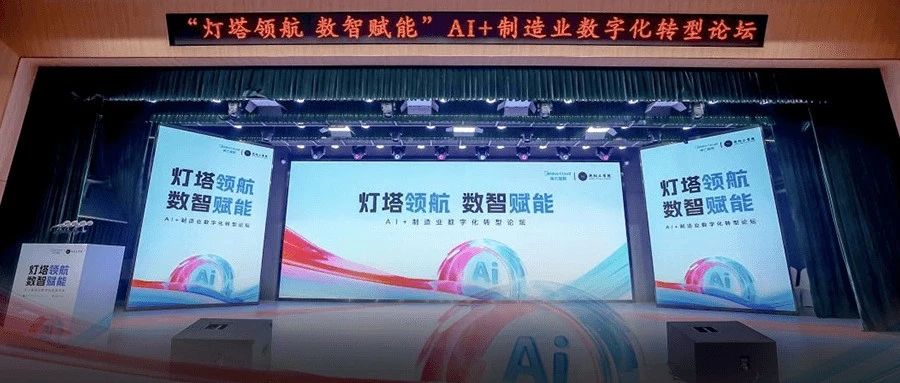
Core Viewpoint - The transformation of AI's technological potential into sustainable business momentum requires a simultaneous emphasis on talent and knowledge assets [1][29]. Group 1: AI and Talent Shortage - The year 2025 is anticipated to be the inaugural year for AI agents [2]. - In the manufacturing sector, the expectation for AI's role in digital transformation has increased, moving from being merely an "assistant" to a "digital employee" [3]. - A significant talent gap exists, with only 2% of manufacturing employees possessing AI-related skills, highlighting a structural contradiction where new digital applications are deployed without the necessary human expertise [3][6]. - The talent shortage is projected to reach 5 million in the smart manufacturing sector by this year [8]. Group 2: Challenges in Digital Transformation - Over 70% of digital transformation projects fail to meet expectations, primarily due to excessive application systems, traditional automation processes, and a notable lack of digital talent [7]. - The current educational system fails to adequately prepare engineering students with data thinking skills, leading to a disconnect between academic training and industry needs [9]. Group 3: Solutions through Collaboration - To address the talent shortage, a collaborative ecosystem between educational institutions and enterprises is essential, termed "industry-education integration" [10]. - The ME20+ forum and ME Agent co-creation plan aim to foster collaboration between over ten leading manufacturing companies and educational institutions to cultivate digital talent [10][20]. - The integration allows for real-world scenarios to be transformed into educational curricula, enabling students to gain practical experience [10]. Group 4: Innovative Educational Models - The Shenyang Institute of Technology has established a "Digital Lighthouse Academy" as part of the ME20+ initiative, connecting modern industry colleges and experimental centers to enhance talent training efficiency [16][18]. - This academy utilizes a task-driven teaching approach, allowing students to engage in practical projects that align with industry needs [16]. Group 5: Future Directions - The ME Agent co-creation plan serves as a bridge for industry-education integration, linking AI capabilities with talent development [20][21]. - The dynamic nature of market demands necessitates continuous adaptation in educational programs to prevent a mismatch between student skills and industry requirements [24][25]. - The focus on creating a flexible talent pool that can adapt to various industries is crucial for the future of manufacturing [27].

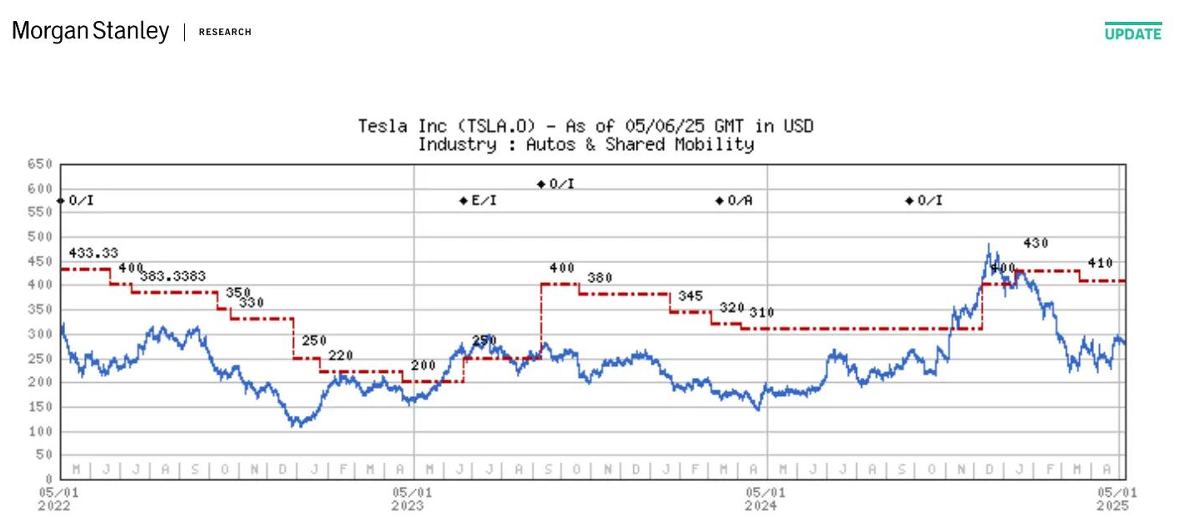
人工智能正在主导制造业复兴! 大摩深度解码特斯拉(TSLA.US)“六维护城河”
智通财经网· 2025-05-08 09:34
Core Insights - The article highlights the resurgence of AI investment logic, driven by positive trade negotiations and support from major financial institutions like BlackRock and Oppenheimer, emphasizing the long-term growth potential of AI investments [1][2] - Tesla is identified as a key player in the AI and manufacturing integration, with its advancements in AI-driven technologies such as Full Self-Driving (FSD) and Robotaxi contributing to its stock price rebound [1][2][3] Group 1: AI and Manufacturing Integration - Morgan Stanley's report suggests that the combination of AI and traditional manufacturing could revitalize the long-stagnant U.S. manufacturing sector, with Tesla being the prime example of this synergy [2][3] - The report outlines Tesla's competitive advantages through a "six-dimensional moat" framework, highlighting its unique position in the AI and manufacturing landscape [3][9] Group 2: Tesla's Competitive Advantages - The six dimensions of Tesla's moat include Data, Robotics, Energy, AI, Manufacturing, and Space, which collectively enhance its market position and operational efficiency [9][10] - Tesla's ability to gather extensive data from its fleet of 7 million vehicles, projected to exceed 100 million by 2040, provides a significant edge over competitors [9] - The integration of advanced manufacturing techniques and a robust domestic supply chain positions Tesla favorably against global trade challenges [10] Group 3: Future Outlook - Morgan Stanley maintains a bullish outlook on Tesla, reiterating an "overweight" rating with a target price of $410, reflecting confidence in its growth trajectory [3][10] - The report emphasizes the importance of manufacturing as a core component of Tesla's strategy, likening its role to that of books for Amazon, indicating a closed-loop system of data and product development [10][12]

大明国际:2024年实现营收464.53亿元 行业变局中稳健前行
Sou Hu Cai Jing· 2025-03-31 07:45
Group 1: Industry Overview - In 2024, the apparent consumption of crude steel in China decreased by 5.4% year-on-year, with export volumes reaching a historical high but prices dropping over 19%, severely squeezing profit margins for enterprises [1] - The demand for high-end and special steel is gradually increasing due to the ongoing transformation and upgrading of domestic manufacturing, providing new growth points for the steel industry [1] Group 2: Company Performance - Daming International (01090.HK) reported a revenue of RMB 46.453 billion in 2024, with a loss of RMB 385 million, reflecting the severe external environment rather than a lack of internal momentum [1] - The company achieved significant sales in 2024, with stainless steel sales reaching 2.057 million tons and carbon steel sales reaching 5.059 million tons, showing resilience against industry trends [2] - The processing business generated approximately RMB 43.69 billion in revenue, while the manufacturing business contributed about RMB 1.46 billion, highlighting Daming International's leadership in one-stop metal processing services [2] Group 3: Infrastructure and Logistics - The Daming Yangtze River Terminal commenced operations in 2024, designed to handle 1.053 million tons annually, enhancing logistics services and expanding the service capacity of the Daming Jingjiang base [3] Group 4: International Expansion - Daming International is actively expanding its overseas business, with products sold to major countries and regions, and reported overseas revenue of RMB 1.48 billion in 2024, remaining stable year-on-year [4] - Successful overseas projects include the export of condenser equipment to Spain and support for major projects in South America and Australia, enhancing the company's global brand recognition [4] Group 5: Technological Innovation - The company is increasing investments in advanced processing equipment and technology to enhance service capabilities and operational efficiency, including exploring AI applications in manufacturing [5] - Analysts suggest that ongoing investments in infrastructure and high-end manufacturing will sustain demand for high-quality steel products, providing Daming International with opportunities for recovery [5][6]