
Mate XT

Search documents
实探三星三折叠首销:首批秒罄,全球限量2万台,一机难求,与华为贴身肉搏
3 6 Ke· 2025-12-10 04:10
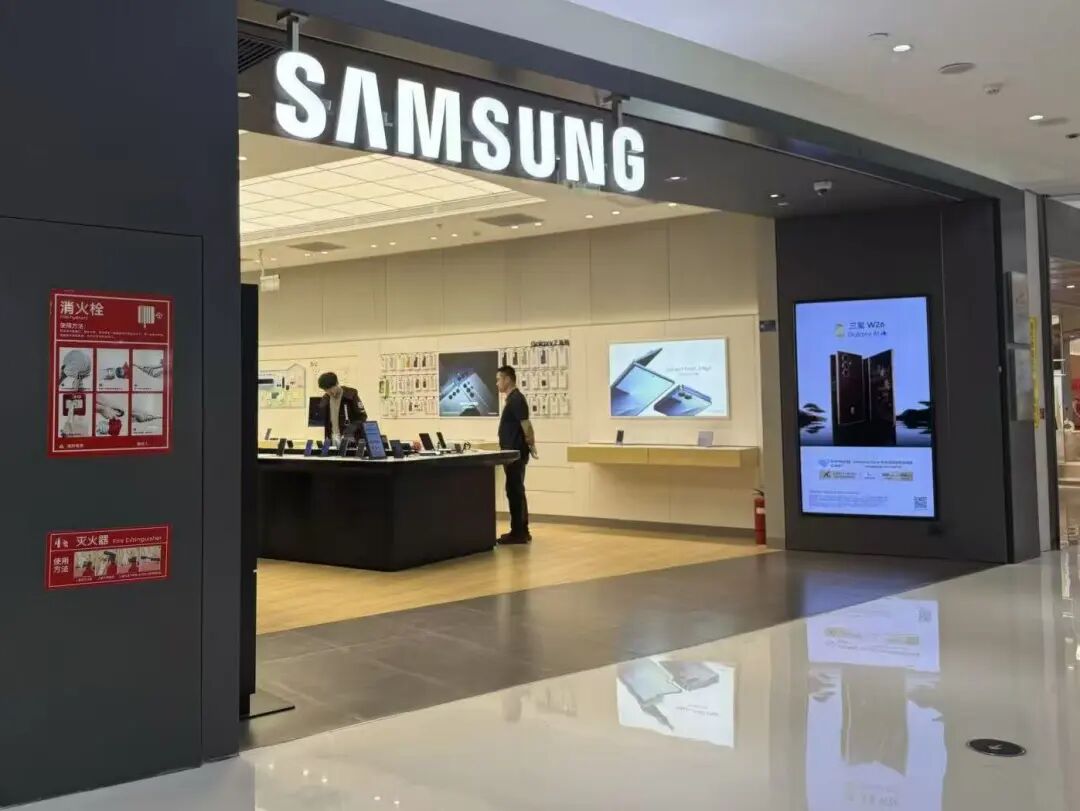
Core Viewpoint - The competition in the foldable smartphone market intensifies as Samsung launches its first tri-fold smartphone, the Galaxy Z TriFold, which features a dual-side inward folding design, contrasting with Huawei's Z-shaped foldable phone design [1][4]. Group 1: Product Launch and Market Response - Samsung's Galaxy Z TriFold is available for pre-order, with prices set at 19,999 yuan for the 16GB+512GB version and 21,999 yuan for the 16GB+1TB version, matching Huawei's pricing for its tri-fold model [1]. - The initial stock of the Galaxy Z TriFold sold out quickly, indicating strong market interest despite the high price point [1][2]. - The limited availability of the Galaxy Z TriFold is attributed to Samsung's cautious inventory strategy, with only 20,000 units produced globally, and a very limited number allocated to the Chinese market [2][4]. Group 2: Competitive Landscape - Samsung and Huawei have been in a competitive race in the foldable smartphone sector since 2019, with both companies continuously innovating in design and technology [4]. - Huawei's recent advancements, including the launch of the Mate XT, have allowed it to capture a larger market share, with Huawei achieving a 48% market share in the first half of 2025, significantly surpassing Samsung's 20% [6][7]. - The market share dynamics between Samsung and Huawei have shifted dramatically from 2022 to 2024, with Samsung's share decreasing from 78% to 45%, while Huawei's share increased from 14% to 24% [7]. Group 3: Strategic Implications - The limited initial stock of the Galaxy Z TriFold may serve as a strategic move for Samsung to test the market response and reinforce its brand positioning in the high-end segment [9]. - The foldable smartphone market is seen as a platform for demonstrating technological leadership rather than achieving immediate mass-market sales, with companies focusing on brand differentiation and long-term profitability [9]. - Samsung's challenge lies in regaining its former dominance in the foldable market against Huawei, which has established a strong brand presence and market position [9].

Is two hinges better than one?
The Verge· 2025-12-04 16:58
Product Launch & Innovation - Samsung has announced the Galaxy Z Trifold, its first double-folding phone, launching in Korea in a couple of weeks [1] - The Galaxy Z Trifold features a 10-inch internal screen with two outer panels that fold inward [2] - The device includes a 200 megapixel camera and is fully water resistant [4] Design & Features - The Trifold has a screen on the back panel, potentially protecting the inner screen, unlike Huawei's Mate XT [3] - The device is powered by batteries in each panel, totaling 5600 milliamp hours [3] Pricing & Availability - Korean pricing is approximately $2,500 [4] - The Galaxy Z Trifold is expected to arrive in the first quarter of 2026 [4] Market Positioning - Only one other company is currently manufacturing a trifold phone, positioning Samsung as a key player in this emerging market [1] - The "Trifold" name has become associated with this type of phone, despite only folding twice [5]

比华为多个屏幕但更厚重,三星要用三折叠跟苹果硬碰硬
Tai Mei Ti A P P· 2025-12-03 03:27
Core Viewpoint - The smartphone market is facing a decline, particularly in China, which has experienced two consecutive quarters of negative growth. However, the foldable smartphone segment is still growing, with both Huawei and Samsung leading the market. Samsung has recently launched its first tri-fold smartphone, the Galaxy Z TriFold, which is set to compete with Huawei's offerings [2][12][18]. Group 1: Product Launches and Features - Samsung's Galaxy Z TriFold features a unique G-shaped folding mechanism, allowing for an additional external display, but it is thicker and heavier compared to Huawei's Mate X [5][9]. - The Galaxy Z TriFold has a thickness of 3.9mm at its thinnest point and weighs 309g, while Huawei's Mate X has a thickness of 3.6-12.8mm and weighs 298g [5][12]. - The device is equipped with a Snapdragon processor from the previous year, not the latest version, which raises questions about its competitiveness [3][18]. Group 2: Market Dynamics and Competition - Samsung and Huawei together hold 58% of the global foldable smartphone market share, with Samsung at 34% and Huawei at 24% [12][17]. - The foldable smartphone market is still considered niche, accounting for only 2.5% of global smartphone shipments as of Q3 2025 [17]. - The introduction of the Galaxy Z TriFold is seen as a strategic move to counter Apple's anticipated entry into the foldable market next year [18][21]. Group 3: Challenges and Future Outlook - The tri-fold design presents technical challenges in terms of components like screens and hinges, which Samsung is addressing with its Armor FlexHinge technology [7][24]. - The foldable smartphone segment is expected to evolve, with a focus on software optimization to enhance user experience, particularly as Apple prepares to launch its own foldable device [22][24]. - The Chinese market is projected to maintain a significant share of the global foldable smartphone market, with expectations of 40% over the next five years [15][17].

比华为晚了逾一年,三星发布三折叠手机
3 6 Ke· 2025-12-03 00:57
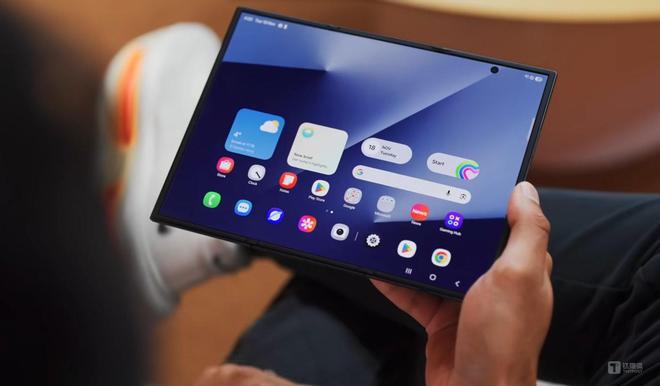
Core Viewpoint - Samsung Electronics has launched its first tri-fold smartphone, the Galaxy Z TriFold, showcasing its engineering capabilities in the foldable device market, despite being over a year late compared to competitors like Huawei [1][3]. Product Launch and Market Position - The Galaxy Z TriFold will debut in South Korea on December 12, priced at 3.59 million KRW (approximately $2,450), and will later be available in markets including China, Singapore, UAE, and the USA [1]. - Samsung's launch precedes Apple's anticipated foldable iPhone, expected in fall next year, which will feature a book-style design similar to Samsung's Galaxy Z Fold 7 released earlier this year [3]. Design and Features - The TriFold utilizes a dual-hinge design, allowing it to unfold into a tablet-sized device, while Huawei's Mate XT features a Z-shaped structure when folded [4]. - In tablet mode, the device can run multiple applications simultaneously, akin to using three 6.5-inch smartphones side by side, enhancing multitasking capabilities [6]. - The device is equipped with a 5,600 mAh battery, the largest capacity for Samsung's foldable phones to date, supporting up to 17 hours of continuous video playback when fully unfolded [6]. User Experience and Software - The TriFold features intuitive operation, with alerts for incorrect folding methods, and includes a complete Galaxy AI software suite, offering various generative editing and assistant functionalities [8]. - Samsung has optimized the device's hinge, aluminum frame, and display technology for durability, and offers a 50% discount on screen repair costs if needed [6]. Sales Performance and Future Outlook - Initial sales of Samsung's new foldable phones have often surpassed previous models, but still lag behind more affordable models like the Galaxy S25 Ultra [8]. - Following its recent release pattern, Samsung is expected to launch the Galaxy S26 series early next year [8].
罗永浩锐评三星三折叠手机
Zheng Quan Shi Bao· 2025-12-02 10:10
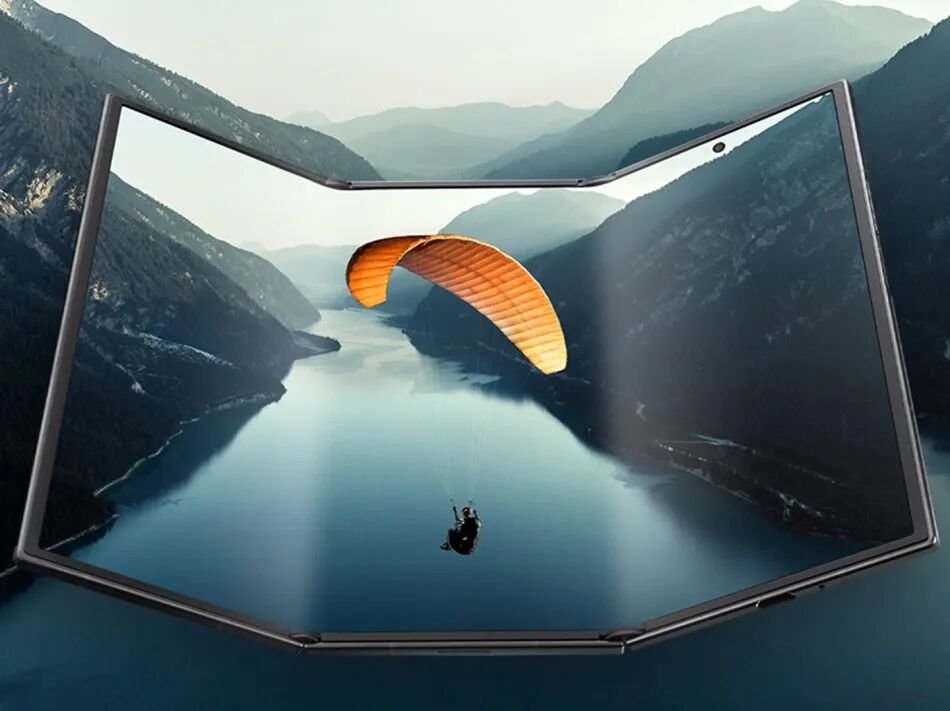
Core Insights - Samsung launched its first tri-fold smartphone, the Galaxy Z TriFold, on December 2, 2025, featuring a G-shaped dual-side inward folding design with a 6.5-inch outer screen and a 10-inch inner screen when fully unfolded [1] - The Galaxy Z TriFold is priced at approximately 3.59 million KRW (around 17,000 RMB) and is manufactured in South Korea [1] - The Huawei Mate XT was the first commercially available tri-fold smartphone, released in September 2024, with a 10.2-inch screen and a starting price of 19,999 RMB [1] Product Comparison - The Galaxy Z TriFold has a peak brightness of 2600 nits and a refresh rate of 120Hz for the outer screen, while the inner screen has a brightness of 1600 nits and also supports 120Hz [1] - The Mate XT, in its unfolded state, is 3.6 mm at its thinnest point, showcasing a different design approach compared to the Galaxy Z TriFold [1] - Commentary from industry figure Luo Yonghao questions the practicality of the Galaxy Z TriFold's design, suggesting it may be thicker than Huawei's offering without significant advantages [1]
罗永浩锐评三星三折叠手机
证券时报· 2025-12-02 09:45
Group 1 - The core viewpoint of the article is the introduction of Samsung's first tri-fold smartphone, the Galaxy Z TriFold, which features a unique G-shaped dual-side inward folding design, allowing both side screens to fold inward around the main screen [1] - The Galaxy Z TriFold has a 6.5-inch outer screen with a peak brightness of 2600 nits and a refresh rate of 120Hz, and when fully unfolded, it boasts a 10-inch inner screen with a brightness of 1600 nits and a refresh rate of 120Hz [1] - The device is manufactured in South Korea and is priced at approximately 3.59 million KRW (around 17,000 RMB) [3] Group 2 - Luo Yonghao commented on the Galaxy Z TriFold, questioning the practicality of its design, suggesting that it effectively functions as four separate phone screens and criticizing its thickness compared to Huawei's design [2] - Huawei previously launched the world's first commercial tri-fold smartphone, the Mate XT, which features a 10.2-inch screen when unfolded and has a minimum thickness of 3.6 mm, with a starting price of 19,999 RMB [3]

罗永浩评三星三折叠手机:除了比华为更厚,意义在哪?
Feng Huang Wang· 2025-12-02 06:34
Core Viewpoint - Samsung has officially launched the world's first inward-folding tri-fold smartphone, the Galaxy Z TriFold, which features a unique design and is set to compete with Huawei's earlier model [1] Group 1: Product Features - The Galaxy Z TriFold has a main display size of 10 inches when unfolded and a 6.5-inch outer screen when closed [1] - The device includes a "lightly open and close" folding mechanism with an alert function to notify users of improper folding [1] Group 2: Market Launch and Pricing - The Galaxy Z TriFold will first be available in South Korea on December 12, with a price of approximately 3.59 million Korean Won (around 17,000 RMB) [1] - The smartphone is expected to launch in other markets, including mainland China, Singapore, and the UAE by the end of the year, and will reach the US market in the first quarter of 2026 [1] Group 3: Competitive Landscape - Huawei previously released the world's first commercial tri-fold smartphone, the Mate XT, which features a 10.2-inch display when unfolded and a starting price of 19,999 RMB [1] - The thickness of Huawei's Mate XT is noted to be 3.6 mm at its thinnest point, highlighting a potential design advantage over Samsung's offering [1]
三星最贵三折叠手机发布,国内售价约1.7万元
Feng Huang Wang· 2025-12-02 05:43
Core Viewpoint - Samsung Electronics has officially launched the world's first inward-folding tri-fold smartphone, the Galaxy Z TriFold, to strengthen its position in the increasingly competitive foldable smartphone market [1][2] Group 1: Product Features - The Galaxy Z TriFold features a 10-inch screen when unfolded and a 6.5-inch outer screen, claiming to minimize creases [1] - The device has a unique folding mechanism with an alert function to notify users of improper folding [1] - The thinnest part of the phone measures only 3.9 mm when unfolded, with the main screen slightly thicker at 4.2 mm [1] - It includes a robust battery system with a total capacity of 5600 mAh, the largest used in a smartphone to date, with each display panel having its own battery [1] - The camera system consists of a 200 MP wide-angle camera, a 12 MP ultra-wide camera, and a 10 MP telephoto camera with 3x optical zoom, along with a 10 MP selfie camera on both the outer and main screens [1] Group 2: Market Launch and Pricing - The Galaxy Z TriFold is manufactured in South Korea and will first launch in Korea on December 12, priced at approximately 3.59 million KRW (around 17,000 RMB) [2] - The device is expected to be available in other markets, including mainland China, Taiwan, Singapore, and the UAE by the end of the year, with a planned release in the US in Q1 2026 [2] Group 3: Competitive Landscape - Huawei previously launched the world's first commercial tri-fold smartphone, the Mate XT, in September last year, which features a 10.2-inch screen and a starting price of 19,999 RMB [2]
首发三折叠屏新赛道 三星Galaxy Z TriFold叫板华为、抢跑苹果
智通财经网· 2025-12-02 03:50
Group 1 - Samsung Electronics has launched its first tri-fold smartphone, the Galaxy Z TriFold, showcasing engineering breakthroughs in the foldable device sector, despite the category not being widely accepted in the mainstream market [1] - The device features a dual-hinge design that expands to a 10-inch tablet-sized screen, set to debut in South Korea on December 12, priced at 3.59 million KRW (approximately 2,450 USD), with plans to enter markets in mainland China, Taiwan, Singapore, and the UAE [1] - The launch precedes Apple's anticipated foldable iPhone, expected to be unveiled in the fall of next year, which may feature a design similar to Samsung's Galaxy Z Fold 7 released in July [1] Group 2 - The TriFold employs a dual inward-folding design, allowing for three independent applications to run simultaneously on a screen equivalent to three 6.5-inch smartphones side by side, enhanced by Samsung DeX software for a desktop-like interface [2] - Samsung has reinforced the durability of the device with improved hinges, aluminum alloy frames, and display technology, offering a 50% discount on display screen replacements [2] - The device is equipped with a 5,600 mAh battery, the largest capacity for Samsung's foldable models, supporting 17 hours of continuous video playback in full-screen mode, although regular usage battery data has not been disclosed [2]
三星三折叠手机首秀,售价或高达2万
Guan Cha Zhe Wang· 2025-10-30 13:41
Core Insights - Samsung has unveiled its first tri-fold smartphone prototype, tentatively named "Galaxy Z TriFold," during the APEC Business Leaders Summit, showcasing its engineering capabilities in a competitive market [1][2] Group 1: Product Features - The Galaxy Z TriFold features a dual inward-folding structure, with a thickness of approximately 4.2 mm when fully opened and between 1.2 to 1.5 cm when closed [1] - The device is estimated to have a screen size of around 10 inches when fully opened, resembling a "mini tablet" with a significantly wider aspect ratio [1] - The external screen size is approximately 6.5 inches, comparable to the Galaxy Z Fold series, and the prototype reportedly has minimal visible creases [1] Group 2: Market Position and Pricing - The estimated price for the Galaxy Z TriFold is around 4 million KRW (approximately 20,000 RMB), significantly higher than the starting price of the Galaxy Z Fold7 at 2.38 million KRW [2] - Initial production is expected to be between 50,000 to 100,000 units, with a focus on the South Korean and Chinese markets before considering a global rollout [2] - The launch of the Galaxy Z TriFold will position Samsung in direct competition with Huawei's tri-fold smartphone, the Mate XT, which was released last year [2] Group 3: Market Trends - The global foldable smartphone market is currently dominated by Huawei, holding a 45% market share, while Samsung's share has decreased to 9% due to competition from Motorola [2] - According to IDC, the global foldable smartphone market is projected to reach approximately 19.83 million units by 2025, with a compound annual growth rate of 7.8% expected through 2029 [3] - Despite being a niche high-end market, foldable smartphones serve as a critical platform for manufacturers to showcase their hardware innovation and technological capabilities [3]