Meta AI 助手

Search documents
Meta内部混乱持续:FAIR自由不再,LeCun考虑辞职
机器之心· 2025-10-03 03:39
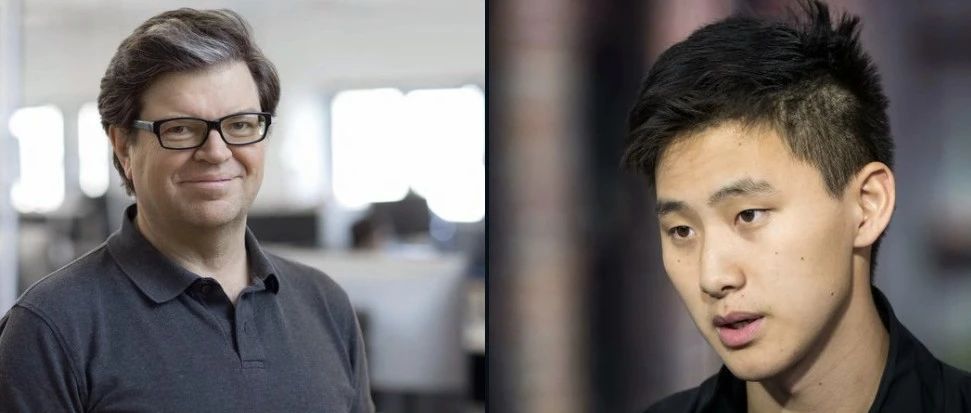
Core Insights - Meta has implemented a new policy requiring additional internal review of research results from FAIR before public publication, which has sparked significant internal controversy [2][5] - The changes are seen as a restriction on the academic freedom that has historically attracted top talent to FAIR, as the company shifts its focus to internal product development and reducing external research sharing that could benefit competitors [5][6] - Yann LeCun, co-founder of FAIR, has expressed frustration over the new policy and the internal dynamics of the newly formed Meta Super Intelligence Lab (MSL), indicating a potential resignation from his position [6][7] Group 1: Internal Dynamics and Leadership Changes - The establishment of MSL has led to tensions between old and new teams, with many veteran researchers feeling discontent over the new leadership and the perceived high salaries of new hires from companies like OpenAI and Google [8][10] - Alexandr Wang, appointed as co-leader of MSL, faces the challenge of aligning the organization with CEO Mark Zuckerberg's ambitious vision for "superintelligence" [12][13] - The internal culture at Meta has been described as competitive and fraught with conflicts, complicating the integration of the new AI team [13][17] Group 2: Organizational Structure and Employee Sentiment - MSL has been restructured into four groups, with significant resources allocated to projects like Llama 5, but this has created a high-pressure work environment that some employees are reluctant to join [11][15] - Discontent has also arisen from the requirement for researchers in the TBD Lab to work on-site five days a week, contrasting with the more flexible arrangements for other AI researchers [15][16] - Leadership is actively seeking to improve internal conditions, with efforts to empower technical team members and reduce bureaucratic processes [16]


是的,LeCun要向28岁的Alexandr Wang汇报!这是Meta新AI团队的一些独家内部消息
机器之心· 2025-07-11 02:43
Core Viewpoint - Meta's aggressive recruitment strategy in the AI sector has raised questions about its sustainability and the potential impact on company culture and performance [2][24]. Group 1: Recruitment and Team Structure - Meta has made headlines by offering exorbitant salaries, reportedly up to $200 million for key talent, to attract AI experts from competitors like OpenAI and Apple [3][4]. - The newly formed Meta Superintelligence Labs (MSL), led by Alexandr Wang, is a focal point of interest regarding its operational structure and research direction [5]. - There is a significant internal restructuring, with high-level executives being allowed to recruit their own teams, which may lead to internal competition and integration challenges [21][22]. Group 2: Internal Dynamics and Culture - Concerns have been raised about the impact of these changes on Meta's corporate culture, with reports of a "fear culture" emerging due to performance evaluations and ongoing layoffs [24]. - A lack of clear vision and strategic confusion has been noted, particularly within the Llama team, where many employees are unclear about the company's goals [24]. - The retention rate of top talent recruited from other companies is low, indicating potential issues with employee satisfaction and organizational stability [24]. Group 3: Research Focus and Distinctions - The Fundamental AI Research (FAIR) division operates independently from the GenAI and MSL teams, focusing on long-term foundational research rather than product development [8][16]. - The Llama team, initially part of FAIR, has been transitioned to the GenAI product group following the success of Llama1, highlighting the distinction between exploratory research and product-oriented development [15][16]. - The controversy surrounding the Llama 4 model, including allegations of "ranking cheating," has raised questions about Meta's technical reputation and credibility in the AI field [24].