Michael Burry的电子报

Search documents
金融圈都在搞知识付费
投资界· 2026-01-16 03:39
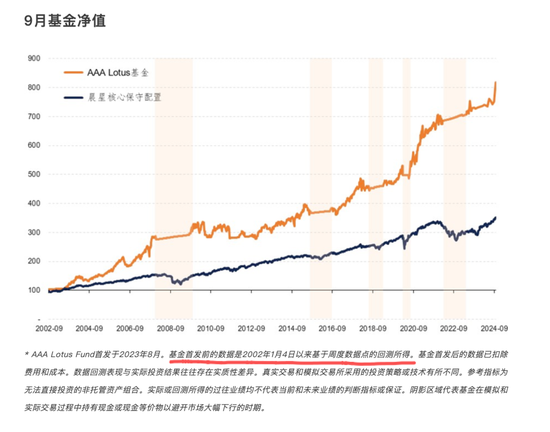
Core Viewpoint - The article discusses the rising trend of knowledge payment in the financial industry, highlighting how financial professionals are leveraging their expertise to create new revenue streams through subscription services and online courses, despite the traditional media business being considered poor-performing [3][4][16]. Group 1: Knowledge Payment Trends - Hong Hao's knowledge platform recently increased its annual fee to 1,499 yuan, generating a GMV of 12.586 million yuan within two months from 14,000 subscribers [3]. - Li Bei, a friend of Hong Hao, sold a course priced at 12,888 yuan in just two days, earning 257,000 yuan [3]. - The article notes that the media sector is generally underperforming, yet knowledge payment models are attracting significant interest from financial professionals [3][4]. Group 2: Leveraging Different Types of Leverage - Silicon Valley investor Naval emphasizes three types of leverage for wealth creation: labor leverage, capital leverage, and the most crucial, the ability to replicate products with zero marginal cost, such as code and media [5]. - Hong Hao and Li Bei effectively utilize all three types of leverage, with Li Bei's company, Banxia, surpassing 10 billion yuan in scale by 2022 [6]. - The article highlights that Hong Hao's recent fund performance has been inconsistent, but he claims a cumulative investment return of 718.77% over 20 years [6][9]. Group 3: Market Positioning and Audience Engagement - Hong Hao and Li Bei's focus on macroeconomic topics allows them to reach a broader audience, as many people are interested in general market trends rather than niche financial models [9][10]. - Their engaging presentation styles, which mix serious analysis with relatable content, help attract and retain followers [9][10]. - The article suggests that their ability to blend macroeconomic analysis with personal narratives enhances their appeal and marketability [9][10]. Group 4: Challenges and Strategies - Fund managers are often cautious about entering the knowledge payment space due to concerns about being perceived as neglecting their core investment responsibilities [11][12]. - Hong Hao and Li Bei's ventures into knowledge payment are not merely about transitioning to media but are strategic moves to enhance their market presence and client engagement [12][16]. - Li Bei's strategy includes offering free online courses to existing investors to retain them and prevent redemptions, especially as her firm faces increased competition [12][14][15]. Group 5: Future of Knowledge Payment in Finance - The article posits that the trend of knowledge payment in finance is driven by both the pressure of declining salaries in the industry and the dual needs of investors for reliable information and managers for long-term clients [16][17]. - As traditional channels become less effective, fund managers are increasingly turning to private domains and courses to connect with more targeted client bases [17]. - The ability to provide valuable insights and maintain trust is becoming essential in a noisy information environment, making knowledge payment a viable business model for financial professionals [16][17].


金融圈都在搞知识付费
Xin Lang Cai Jing· 2026-01-13 07:14
Core Insights - The rise of knowledge payment platforms among financial professionals indicates a shift in the industry, where subscription numbers are becoming more important than investment ideas [2][20] - The trend reflects a broader need for reliable information sources among investors, while financial managers seek long-term clients [34][35] Group 1: Knowledge Payment Trends - Hong Hao's knowledge platform has increased its annual fee to 1499 yuan, generating a GMV of 12.586 million yuan within two months from 14,000 subscribers [1][19] - Li Bei's course, priced at 12,888 yuan, sold out in two days, earning 2.57 million yuan [1][19] - The media industry is generally considered a poor business, yet knowledge payment and private domain marketing are exceptions attracting many financial professionals [1][19] Group 2: Leveraging Strategies - Three types of leverage are essential for wealth creation: labor leverage, capital leverage, and the most crucial, the ability to replicate products with zero marginal cost, such as media [2][20] - New wealth is increasingly generated through media and digital platforms, allowing for significant income with minimal costs [21][22] Group 3: Individual Case Studies - Hong Hao and Li Bei effectively utilize all three types of leverage, with Li Bei's firm surpassing 10 billion yuan in scale by 2022 [22][24] - Hong Hao's recent fund performance has been inconsistent, but he claims a cumulative return of 718.77% over 20 years [24][27] - Both individuals excel in creating engaging content that attracts a large audience, enhancing their ability to monetize knowledge [27][28] Group 4: Market Dynamics - The financial industry is experiencing pressure due to salary reductions, prompting professionals to seek alternative income sources through knowledge payment [34] - The shift towards media and knowledge sharing is seen as a way to maintain relevance and attract clients in a competitive market [34][35] - Financial managers are increasingly targeting high-level executives and industry experts as clients, enhancing their market positioning [35][36]