资本杠杆

Search documents
鲁政委:A股难现2015年那样的大型股灾
Sou Hu Cai Jing· 2026-02-05 00:56
Core Viewpoint - The chief economist of Industrial Bank, Lu Zhengwei, stated that a large-scale stock market crash similar to that of August 2015 is unlikely to occur in the foreseeable future [1] Group 1: Reasons for the Outlook - The first reason provided is the implementation of market stabilization mechanisms after the "9.24" incident in the A-share market [1] - The second reason is the regulatory awareness of the dangers of high leverage, leading to strict control over capital leverage since 2015 [1] - Lu Zhengwei emphasized that without leverage, it is difficult to trigger a stock market crash like that of 2015 [1]

这一次,宝能姚振华,真急了
创业家· 2026-01-16 10:16
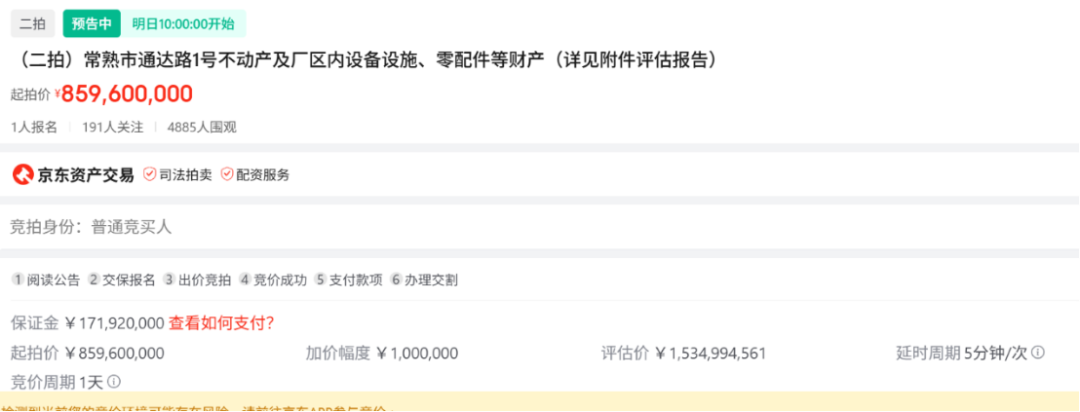
Core Viewpoint - The auction of Qoros Automotive's core assets has become a critical issue for Yao Zhenhua, highlighting the financial struggles of Baoneng Group and the potential loss of significant investments [4][30]. Group 1: Qoros Automotive Auction and Financial Implications - The second auction of Qoros Automotive's assets is set to start with a starting price of 860 million yuan, significantly lower than the estimated value of 8 billion yuan [6][10]. - Baoneng Group has invested approximately 26 billion yuan in Qoros Automotive from 2018 to 2025, despite facing liquidity issues [8]. - Yao Zhenhua's allegations include collusion among local authorities to manipulate the asset valuation, which could lead to a drastic reduction in the value of Baoneng's investments [9][11]. Group 2: Baoneng Group's Debt Crisis - Baoneng Group is currently facing over 105.8 billion yuan in executed amounts across its core platforms, indicating severe financial distress [19]. - The company's aggressive diversification strategy, including significant investments in Qoros Automotive and other sectors, has contributed to its current debt crisis [29]. - A recent court ruling requires Baoneng to repay 7.3 billion yuan in loans, further exacerbating its financial challenges [28]. Group 3: Yao Zhenhua's Response and Future Outlook - Yao Zhenhua's public denunciation of the asset auction reflects desperation to protect Baoneng's interests amid mounting debt pressures [31]. - The outcome of the Qoros asset auction is crucial for Baoneng's ability to recover from its financial difficulties and maintain relationships with over 1,500 suppliers owed 13.9 billion yuan [30].

这一次,宝能姚振华,真急了
商业洞察· 2026-01-15 09:23
Group 1 - The article discusses a significant controversy involving Baoneng Group and its chairman, Yao Zhenhua, who publicly accused officials from Changshu City of colluding to manipulate the auction of assets related to Qoros Auto, potentially jeopardizing Baoneng's substantial investments [4][5]. - Baoneng has invested approximately 260 billion yuan in Qoros Auto from 2018 to the end of 2025, despite facing liquidity issues, including a net investment of 25 billion yuan in 2022 to maintain operations [8][29]. - The core dispute centers around the valuation of Qoros Auto's assets, with a third-party assessment valuing them at around 8 billion yuan, while the court's valuation was only 1.5 billion yuan, leading to concerns about the potential undervaluation of Baoneng's investments [11][12]. Group 2 - Baoneng Group is currently facing a debt crisis, with total executed amounts exceeding 1,058 billion yuan across its core platforms, highlighting the financial strain on the company [24]. - The article outlines Yao Zhenhua's past successes in the capital market, including significant investments in Vanke and Gree Electric, contrasting sharply with the current financial difficulties faced by Baoneng [20][23]. - The ongoing auction of Qoros Auto's assets is seen as a critical moment for Baoneng, as losing these assets could further diminish the company's chances of restructuring and recovering from its debt situation [31][32].
这一次,宝能姚振华,真急了
Feng Huang Wang Cai Jing· 2026-01-14 11:08
Core Viewpoint - The recent public accusation by Yao Zhenhua, chairman of Baoneng Group, against officials from Changshu City and the Changshu Economic and Technological Development Zone has unveiled a significant dispute involving the potential undervaluation and forced sale of assets related to Qoros Auto, which could jeopardize Baoneng's substantial investments in the company [1][2][3]. Group 1: Allegations and Financial Implications - Yao Zhenhua claims that the involved parties colluded to manipulate a 2.7 billion yuan execution case concerning Qoros Auto, where Baoneng has invested over 200 billion yuan [2][4]. - The core assets of Qoros Auto are estimated to be worth approximately 80 billion yuan, but the court's valuation is only 15 billion yuan, with an auction starting at 8.6 billion yuan [2][8]. - If the auction proceeds, Baoneng's significant investment in Qoros Auto could be drastically reduced, leading to a potential loss of value [3][4]. Group 2: Legal and Procedural Concerns - The dispute centers on the legality of the asset liquidation process, with Yao alleging that the establishment of a liquidation committee and excessive asset seizures were unlawful [5][9]. - The case originated from a financial loan dispute between Suzhou Asset Management Co. and Qoros Auto, which has led to the court's decision to auction Qoros Auto's assets to settle debts [6][7]. - Yao argues that the auction should be paused due to the initiation of bankruptcy reorganization proceedings for Qoros Auto, which were formally accepted by the Suzhou Intermediate People's Court [10][11]. Group 3: Baoneng's Financial Struggles - Baoneng Group is currently facing a debt crisis, with total liabilities exceeding 1 trillion yuan, and the ongoing auction of Qoros Auto's assets reflects the broader financial challenges the company is experiencing [15][20]. - The company's aggressive expansion strategy, including significant investments in various sectors, has led to a liquidity crisis, exacerbated by regulatory restrictions on its financing capabilities [24][25]. - The potential loss of Qoros Auto's assets could further diminish Baoneng's chances of restructuring and recovering from its financial difficulties [25].
这一次,宝能姚振华,真急了
凤凰网财经· 2026-01-14 09:31
Core Viewpoint - The article discusses the serious allegations made by Yao Zhenhua, chairman of Baoneng Group, against officials in Changshu regarding the undervaluation and potential forced sale of assets related to Qoros Auto, which could result in significant financial losses for Baoneng [1][2][3]. Group 1: Allegations and Financial Implications - Yao Zhenhua claims that the Changshu officials colluded to manipulate a 2.7 billion yuan execution case involving Qoros Auto, where Baoneng has invested over 200 billion yuan [2][5]. - The core assets of Qoros Auto were assessed at approximately 80 billion yuan by third-party institutions, but the court's valuation was only 15 billion yuan, with an auction starting at 8.6 billion yuan [2][11][15]. - If the auction proceeds, Baoneng's substantial investment in Qoros Auto could be drastically reduced, leading to a potential "half-cut" realization of their investment [3][36]. Group 2: Baoneng's Financial Struggles - From 2018 to the end of 2025, Baoneng's total investment in Qoros Auto is reported to be around 260 billion yuan, which includes equity acquisition, technology development, and operational support [4][36]. - Despite facing liquidity issues in late 2022, Baoneng continued to invest 25 billion yuan into Qoros Auto to maintain operations and clear 2.6 billion yuan in financial debts [4][36]. - The ongoing auction and asset liquidation reflect Baoneng's broader financial distress, with total executed amounts across its core platforms exceeding 1,058 billion yuan [26][30]. Group 3: Legal and Procedural Concerns - Yao Zhenhua argues that the auction should be paused due to the initiation of bankruptcy reorganization proceedings for Qoros Auto, which was formally accepted by the Suzhou Intermediate People's Court [12][13][14]. - The legal framework suggests that once a bankruptcy application is accepted, execution measures should be lifted, yet the auction is still proceeding, raising concerns about the legality of the actions taken by the involved parties [17][30]. - The case highlights the potential risks of undervaluing assets and the implications for Baoneng's ability to recover from its debt crisis, as losing Qoros Auto would severely impact its restructuring efforts [37][38].

金融圈都在搞知识付费
Xin Lang Cai Jing· 2026-01-13 07:14
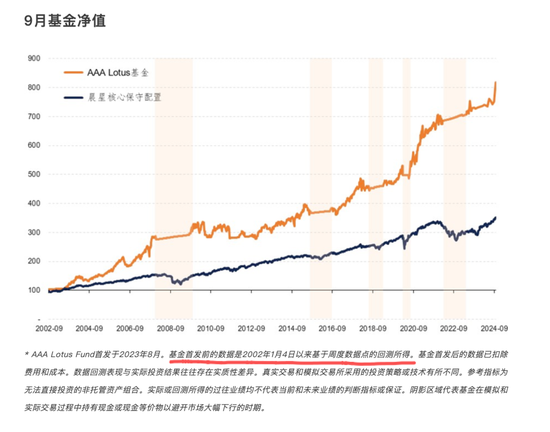
Core Insights - The rise of knowledge payment platforms among financial professionals indicates a shift in the industry, where subscription numbers are becoming more important than investment ideas [2][20] - The trend reflects a broader need for reliable information sources among investors, while financial managers seek long-term clients [34][35] Group 1: Knowledge Payment Trends - Hong Hao's knowledge platform has increased its annual fee to 1499 yuan, generating a GMV of 12.586 million yuan within two months from 14,000 subscribers [1][19] - Li Bei's course, priced at 12,888 yuan, sold out in two days, earning 2.57 million yuan [1][19] - The media industry is generally considered a poor business, yet knowledge payment and private domain marketing are exceptions attracting many financial professionals [1][19] Group 2: Leveraging Strategies - Three types of leverage are essential for wealth creation: labor leverage, capital leverage, and the most crucial, the ability to replicate products with zero marginal cost, such as media [2][20] - New wealth is increasingly generated through media and digital platforms, allowing for significant income with minimal costs [21][22] Group 3: Individual Case Studies - Hong Hao and Li Bei effectively utilize all three types of leverage, with Li Bei's firm surpassing 10 billion yuan in scale by 2022 [22][24] - Hong Hao's recent fund performance has been inconsistent, but he claims a cumulative return of 718.77% over 20 years [24][27] - Both individuals excel in creating engaging content that attracts a large audience, enhancing their ability to monetize knowledge [27][28] Group 4: Market Dynamics - The financial industry is experiencing pressure due to salary reductions, prompting professionals to seek alternative income sources through knowledge payment [34] - The shift towards media and knowledge sharing is seen as a way to maintain relevance and attract clients in a competitive market [34][35] - Financial managers are increasingly targeting high-level executives and industry experts as clients, enhancing their market positioning [35][36]
罗兰贝格报告:展望2026汽车行业,AI技术成决胜关键
Jing Ji Wang· 2026-01-09 07:49
Core Insights - The report by Roland Berger highlights that the Chinese automotive industry will become a global technology innovation center by 2026, evolving along six main lines: deepening elimination competition, tackling transformation battles, advancing internationalization, determining outcomes through technology wars, emphasizing capital competition, and resolving AI battles [1][2]. Group 1: Deepening Elimination Competition - The market will see a more pronounced head-to-head effect, with leading companies in vehicle manufacturing, parts supply, and distribution gaining significant advantages, leading to a market structure of "a few leading companies, some mid-tier companies, and many tail-end companies" [1]. - The elimination of tail-end companies will accelerate comprehensively [1]. Group 2: Tackling Transformation Battles - The definition of automotive products is shifting from traditional transportation tools to "smart mobile devices," with cross-industry collaboration becoming more frequent, particularly in integration with chips, software, energy, and cloud computing [1]. Group 3: Advancing Internationalization - Chinese automotive companies will focus more on localized operations, transitioning from "export-oriented enterprises" to "truly internationally operating enterprises," enhancing global competitiveness through job contributions and product localization [1]. Group 4: Determining Outcomes through Technology Wars - Vehicles are evolving beyond traditional transport functions to "AI-driven intelligent entities," with cutting-edge technologies like smart connectivity, autonomous driving, and new materials becoming crucial [2]. - The speed of technological innovation may further widen the gap between China and other countries [2]. Group 5: Emphasizing Capital Competition - In a context of overall profit pressure in the industry, efficient capital leverage and operational optimization will be key for companies to maintain competitiveness and achieve growth, with mergers and acquisitions becoming a new focal point in the "capital race" [2]. Group 6: Resolving AI Battles - The integration of AI with automobiles will transition from concept to high-value commercial scenarios, with future product competitiveness increasingly reflecting the capability of being "AI-driven intelligent entities" [2]. - AI technology will reshape not only front-end products but also the entire value chain, including product development, manufacturing, marketing services, and internal management [2]. Conclusion - According to Zheng Yun, a global senior partner and head of automotive business in Asia at Roland Berger, the automotive industry will enter a phase of "balanced reconstruction" in the coming years, with innovation and transformation in the Chinese automotive market accelerating, further solidifying China's position as a global innovation center in the automotive sector [2].
肥了果农、坑了股民,洪九也难逃果企上市魔咒?
Sou Hu Cai Jing· 2026-01-03 14:48
Core Viewpoint - The downfall of Hong Jiu Fruit is emblematic of the challenges faced by the fruit industry, revealing the unsustainable practices and structural issues that have led to significant financial distress among major players in the sector [2][4][17]. Group 1: Hong Jiu Fruit's Downfall - Hong Jiu Fruit failed to meet the Hong Kong Stock Exchange's resumption conditions, leading to its delisting effective December 30, 2025, despite a peak market value exceeding 60 billion HKD [2][4]. - The company attempted to leverage internet-style rapid growth in a sector characterized by long agricultural cycles, resulting in unsustainable financial practices [4][6]. - A significant increase in accounts receivable, amounting to 3.4 billion HKD, raised red flags during audits, contributing to its financial troubles [4][5]. - The management faced legal issues, including allegations of loan fraud and tax invoice manipulation, which directly impacted the company's credibility and operations [4][5]. Group 2: Industry Challenges - The fruit industry, despite being a vital market, is plagued by structural issues that make it difficult for companies to achieve sustainable growth [2][10]. - Major players like Baiguoyuan and Xianfeng Fruit are also experiencing significant challenges, including declining stock prices and profits, highlighting a broader industry crisis [2][10]. - The attempt to standardize fruit quality and create a replicable business model has led to high costs and operational inefficiencies, as seen in Baiguoyuan's stringent quality control measures [10][11]. - The reliance on high turnover and the conflict of interest between brand owners and franchisees create a precarious business environment, leading to practices like mislabeling and discounting of subpar products [12][13]. Group 3: Market Dynamics - The emergence of competitive platforms like Pinduoduo and community group buying has disrupted traditional fruit retail, challenging the premium pricing strategies of established brands [13][14]. - The shift in consumer behavior towards value and cost-effectiveness has diminished the appeal of high-end fruit retailers, forcing them to reassess their market positioning [14][15]. - The industry's inherent characteristics, such as perishability and low margins, make it resistant to the rapid growth models favored in tech-driven sectors, emphasizing the need for a more grounded approach to business [17].

西藏山南市政府投资基金完成首投 撬动区域发展新动能
Sou Hu Cai Jing· 2025-12-29 13:30
Core Viewpoint - The government investment fund of Shannan City in Tibet has successfully registered with the China Securities Investment Fund Industry Association and strategically invested in Tibet Jiangnan Mining Co., Ltd, marking it as the first local project direct investment fund in the Tibet Autonomous Region [1] Group 1: Fund Overview - The total scale of the fund is 1 billion RMB, fully funded by the Shannan City government [1] - The fund operates under a "fund + direct investment" model, focusing on key areas such as characteristic advantageous industries, strategic emerging industries, and technological innovation industries in Shannan City [1] Group 2: Objectives and Impact - The fund aims to optimize and upgrade the regional industrial structure and promote coordinated development of the upstream and downstream of the industrial chain through capital linkage [1] - It will leverage fiscal funds to amplify effects and guide industries, continuously exploring and investing in quality projects to attract more social capital for economic development in Shannan City [1]
硅谷「芯片四杰」,一个月涨了5.5个拼多多
36氪· 2025-10-31 13:36
Core Insights - The article discusses the competitive landscape among AI chip giants, highlighting the blurred lines between competition and collaboration in the industry [4][44] - NVIDIA has expanded its reach beyond data centers into sectors like 6G, quantum computing, and biomedicine, indicating a strategic shift [4][6] - The market capitalization of major AI chip companies surged significantly in October, with NVIDIA's market cap reaching $5 trillion in just 113 days [7][14] Company Developments - NVIDIA's recent investment of $100 billion in OpenAI aims to establish a partnership that ensures a minimum of 10GW data center capacity using NVIDIA's new Vera Rubin platform [17][20] - AMD's strategic move to acquire a 10% stake in OpenAI and secure a significant computing order has positioned it as a strong competitor, with its stock price rising by approximately 60% [8][34] - Broadcom announced a collaboration with OpenAI to develop GPUs, further intensifying the competition in the AI chip market [12][14] Market Dynamics - The combined market capitalization of NVIDIA, AMD, Broadcom, and Qualcomm increased by $1 trillion in October, reflecting the intense competition in the AI chip sector [14][40] - NVIDIA's capital strategy has created a symbiotic ecosystem where downstream model developers and upstream computing infrastructure players are interconnected [27][43] - OpenAI's long-term plan includes building 250GW of computing power by 2033, with 10% already planned in a short timeframe [41][42] Competitive Strategies - AMD's approach involves offering "expectations" rather than direct financial investments, allowing it to secure significant orders while maintaining a competitive stance against NVIDIA [28][30] - OpenAI's strategy includes diversifying its computing sources, balancing costs, and mitigating risks associated with reliance on a single supplier [39][42] - The evolving relationships among these companies suggest a complex future where competition and collaboration will continue to shape the AI chip landscape [44]