Moltrbot

Search documents
从Moltrbot到政策红利,站在风口的「AI一人公司」能否做大做强?
3 6 Ke· 2026-01-30 03:58
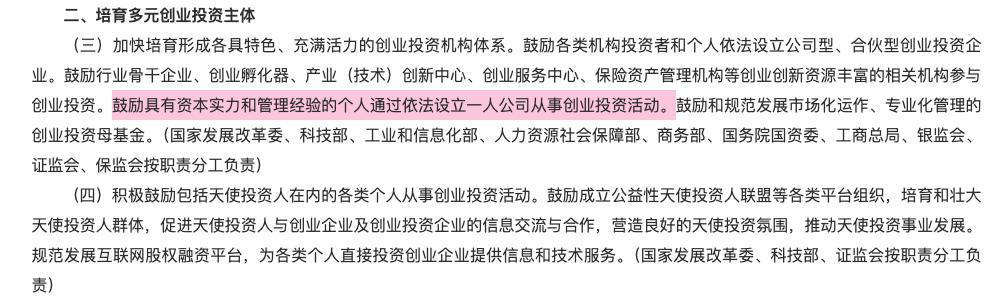
Core Insights - The rise of "One-Person Companies" (OPC) is fueled by AI tools and supportive policies, enabling low-cost entrepreneurship and breaking traditional barriers [1][2][5] - Clawdbot, now known as Moltrbot, exemplifies the potential of AI in enhancing productivity, allowing individuals to perform tasks traditionally requiring teams [2][6] - Despite the advantages, challenges such as technology limitations, individual capacity constraints, and scalability issues hinder the mainstream adoption of the OPC model [4][12] Technology Empowerment - AI tools like Moltrbot enable individuals to handle tasks previously managed by small teams, including content creation, customer service, and data analysis [2][6] - The technology allows for real-time responses and operational tasks, effectively compressing team-level processes into manageable individual tasks [2][6] - AI's role in entrepreneurship is highlighted by its ability to reduce the need for specialized skills, making it easier for non-technical founders to launch projects [6][12] Policy Support - Government policies have been instrumental in promoting the OPC model, with initiatives providing financial support, workspace, and training for entrepreneurs [2][7][9] - Cities like Shenzhen and Shanghai have introduced specific plans to support AI-driven single-person startups, offering subsidies and resources to lower entry barriers [6][7][9] - The policy environment is designed to foster a supportive ecosystem for OPCs, addressing core needs such as funding, space, and talent development [7][9] Market Trends - The proportion of new companies founded by solo entrepreneurs has increased significantly, from 23.7% in 2019 to 36.3% in the first half of 2025, indicating a growing trend towards individual entrepreneurship [9][11] - The OPC model fills a gap between traditional employment and large-scale entrepreneurship, allowing individuals to create viable businesses without the complexities of team management [9][12] - However, venture capital investment remains skewed towards team-based startups, with only about 17% of funding allocated to single-person companies, reflecting a preference for collaborative structures [15] Challenges and Limitations - The current limitations of AI technology prevent it from fully replacing the collaborative value of teams, as AI excels in execution but lacks strategic decision-making capabilities [12][14] - Individual entrepreneurs face challenges in managing multiple roles, which can lead to inefficiencies and hinder business growth as demand increases [12][14] - The scalability of the OPC model is questioned, as traditional business evolution favors structured teams and systems that can adapt to market demands [14][15] Future Outlook - The "AI + Small Team" model is emerging as a more balanced approach, leveraging AI efficiency while retaining the collaborative strengths of small teams [16][18] - This model allows for a flexible and efficient operational structure, where AI handles routine tasks, enabling teams of 3-5 individuals to focus on core business functions [16][18] - As AI technology matures and policies evolve, the potential for enhanced human-machine collaboration could redefine entrepreneurship, emphasizing the importance of value creation in the market [18]