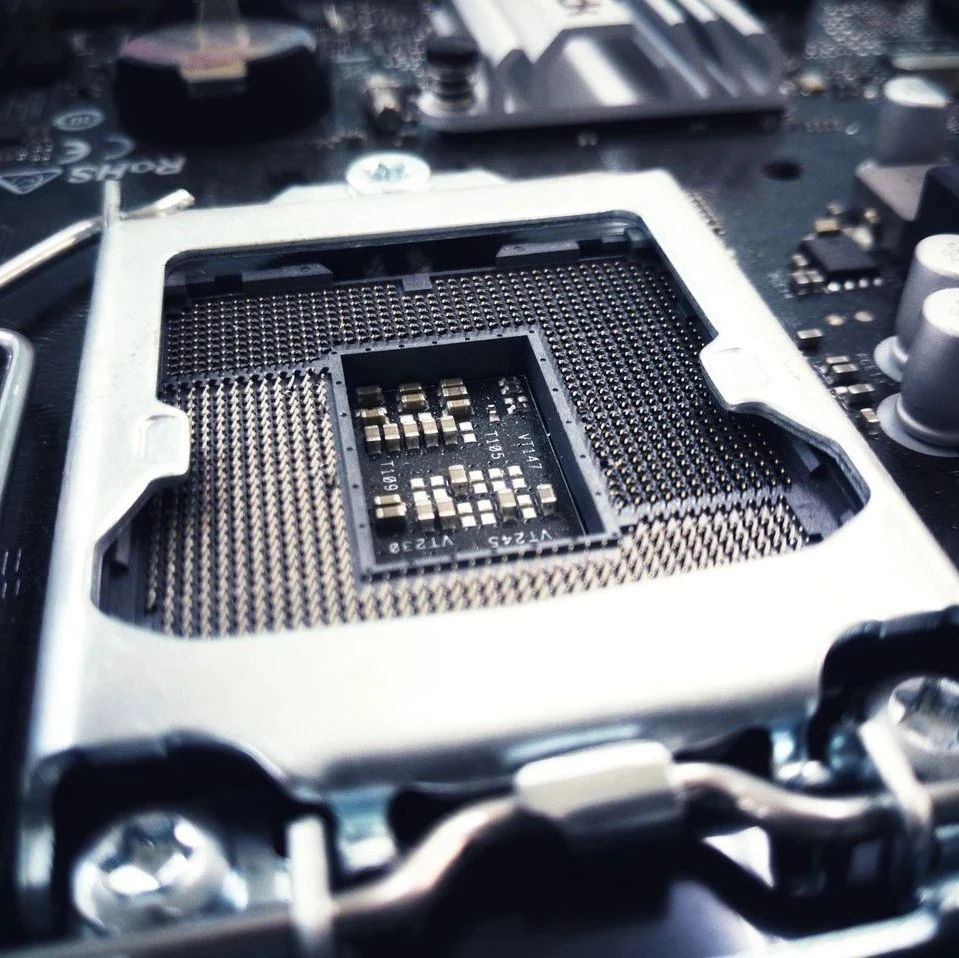
Motherboard

Search documents
供应链转移:对台湾 ODM、印度电子制造服务及东盟科技业的影响-Supply Chain Relocation_ Implications for Taiwan ODMs, India EMS and ASEAN Tech
2025-12-01 01:29
Summary of Key Points from the Conference Call Industry Overview - **Industry Focus**: The report discusses the implications of supply chain relocation for Taiwan ODMs (Original Design Manufacturers), India EMS (Electronics Manufacturing Services), and the ASEAN tech sector, particularly in the context of tariff concerns and the "Made-in-US" policy [1][2]. Core Insights and Arguments - **Production Relocation Trends**: There has been an accelerating trend in production relocation from China to other regions, particularly Taiwan, India, and ASEAN countries, driven by tariff uncertainties and the need for diversification [1][2]. - **Taiwan ODMs' Production Shift**: Taiwan ODMs have reduced their production mix in China from over 80% to approximately 60-65% to meet US market demand, indicating a significant shift in production strategy [2]. - **AI Demand and Server Capacity Expansion**: Server OEMs/ODMs are expanding capacity aggressively to meet strong AI demand, with a notable shift of server production to Thailand and Taiwan [6]. - **India's Growing Role**: India is becoming an attractive location for supply chain relocation due to low labor costs and favorable government policies, including the Electronics Component Manufacturing Scheme (ECMS) and the India Semiconductor Mission (ISM 1.0) [1][8]. - **Emerging Opportunities in ASEAN**: ASEAN is emerging as a key destination for WFE (Wafer Fabrication Equipment) shifts and optical ramps, with companies like Lam Research and Applied Materials leading the charge [9]. Important but Overlooked Content - **Cost Disadvantages in India**: India currently faces a cost disadvantage of 10-14% compared to Asian peers in assembly and 14-18% in component manufacturing, primarily due to tariffs and logistics costs [11]. - **Government Incentives**: The Indian government is providing significant subsidies (4-5% of annual sales) to encourage domestic manufacturing, which has already attracted companies like Micron and 3D Glass Solutions to set up facilities in India [10][11]. - **Stock Implications**: In the Taiwan ODM space, companies with diversified production footprints and higher exposure to servers are preferred, with a ranking of Wiwynn > Hon Hai > Quanta > Wistron > Inventec > Pegatron > Compal [6][1]. Conclusion - The ongoing supply chain relocation is reshaping the landscape for Taiwan ODMs, India EMS, and ASEAN tech companies, driven by tariff concerns and the need for diversification. The strategic shifts in production locations are expected to have significant implications for market dynamics and investment opportunities in the coming years.
美国对华 GPU 关税豁免,延期
半导体芯闻· 2025-06-04 10:20
Core Points - The U.S. Trade Representative (USTR) announced a three-month suspension of the planned 25% tariffs on certain Chinese imports, including chips and semiconductor components like GPUs and motherboards, originally set to take effect on June 1, 2025, now extended to August 31, 2025 [1] - The USTR's decision is based on public feedback regarding the extension of previously restored exemptions and new COVID-related exemptions, indicating a careful consideration of the impact on U.S. businesses [1] - The tariffs were initially imposed under Section 301 of the Trade Act of 1974 during the Trump administration, but the Biden administration has continued to extend these exemptions due to their importance to U.S. enterprises [1] Summary by Sections Tariff Suspension - The USTR has decided to extend the exemption period for 164 previously restored exemptions and 14 new exemptions for an additional three months, reflecting ongoing evaluations of public comments [1] - This extension delays potential price increases for GPUs and motherboards, which have been a concern for manufacturers and consumers alike [1] Historical Context - The implementation of Section 301 tariffs has been ongoing for over six years, with many chip manufacturers relocating from China to countries like Vietnam due to these tariffs [2] - The initial tariffs were part of a broader strategy by the Trump administration to address trade imbalances, which included a 10% base tariff on nearly all imports [2] - Despite legal challenges to the tariffs, they remain in effect, highlighting the complexities of U.S.-China trade relations [2]