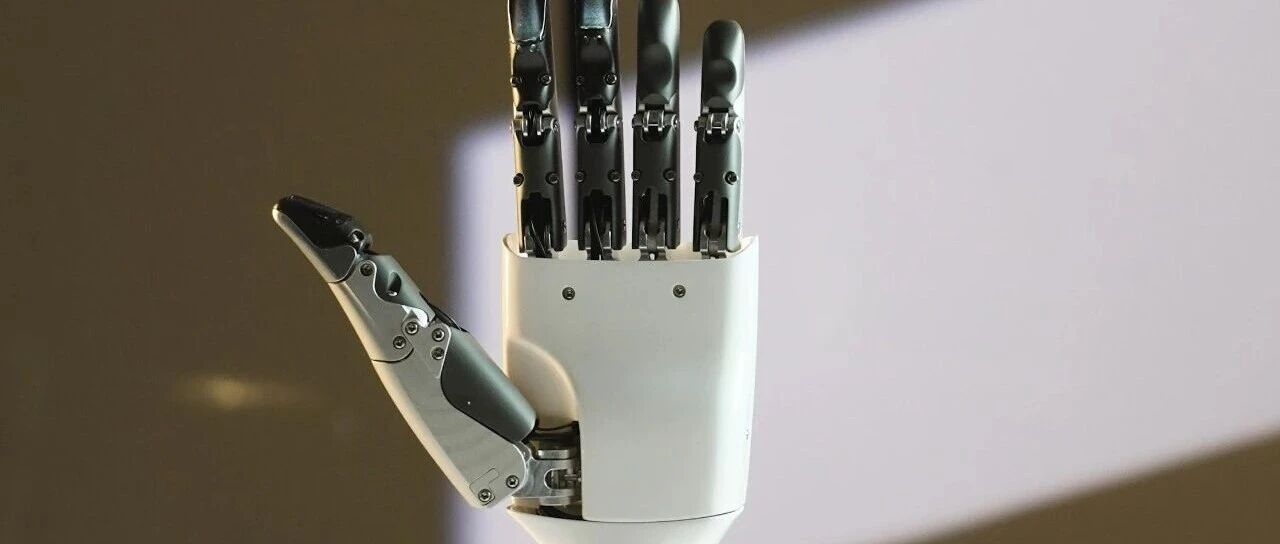
Optimus Hand

Search documents
X @Tesla Optimus
Tesla Optimus· 2026-04-06 19:22
Apply herehttps://t.co/kVc45Mfk1WTesla Yoda (@teslayoda):🚨Tesla AI is hiring for the Optimus Hand job.This position will lead the architecture, design, prototyping, validation, industrialization, and mass production of the hand hardware subsystem. https://t.co/1scurdS1rC ...

全球灵巧手盘点以及新趋势猜想!
具身智能之心· 2025-12-23 00:03
Core Insights - The article discusses the emerging trends in dexterous robotic hands and their potential future developments, emphasizing the importance of miniaturization, multi-modal perception, vertical market segmentation, cost-effective scaling, and full-body coordination in humanoid robots. Group 1: Miniaturization and Technology Trends - Miniaturization is identified as a key trend, with the integration of micro direct-drive motors being crucial for enhancing the adaptability of humanoid robot arms [3] - The article highlights the need for advancements in perception technology, moving from single tactile feedback to multi-modal intelligent integration [4] Group 2: Market Segmentation and Customization - The focus on vertical market segmentation is illustrated by Armstrong Robotics' plan to develop a general-purpose kitchen robot, starting with dishwashing, indicating a trend towards specialized applications in various sectors such as home services, industrial assembly, and medical rehabilitation [7] - The article suggests that mastering specific market segments can help avoid ineffective competition and ensure long-term sustainability [7] Group 3: Cost-Effective Scaling and Hardware Challenges - The discussion includes the importance of open-source initiatives and mass production to lower costs and increase hardware accessibility [8] - It is noted that hardware remains a significant bottleneck, with ongoing debates about whether the challenges lie more in hardware reliability or algorithmic capabilities [9] Group 4: Full-Body Coordination in Humanoid Robots - The evolution of humanoid hands from isolated control to full-body coordinated movement is emphasized, which aims to reduce the load on individual hands and improve operational stability in complex scenarios [11]