ProShares Ultra Gold

Search documents
黄金价格剧烈波动,谁是背后推手?
3 6 Ke· 2026-02-04 04:06
Group 1 - The London spot gold price experienced a significant drop of up to 21% on February 2, falling to $4,403 per ounce from a peak of $5,594 on January 29, before rebounding to the $4,900 range on February 3 due to increased buying from Japanese and Chinese investors [2][3] - The trading of gold futures on the Osaka Exchange triggered a circuit breaker due to a 10% increase on February 3, marking the fourth consecutive day that the circuit breaker was activated, indicating unprecedented market volatility [3] - The volatility in gold prices is attributed to the increased financialization of precious metals, with the rise of exchange-traded funds (ETFs) allowing for low-cost investments in gold, leading to rapid inflows and outflows of capital [3][4] Group 2 - The trading volume of ETFs surged to over nine times the previous week on January 29, coinciding with gold futures reaching a historical high, contributing to price fluctuations [4] - In the futures market, leveraged trading has reached levels that are several dozen to hundreds of times the actual supply of gold, prompting the Chicago Mercantile Exchange (CME) to raise margin requirements in response to increased volatility [6] - Retail prices for gold have also been affected by the market fluctuations, with Japan's largest gold retailer frequently adjusting prices throughout the day to respond to significant market changes [6]

黄金价格剧烈波动,谁是背后推手?
日经中文网· 2026-02-04 03:24
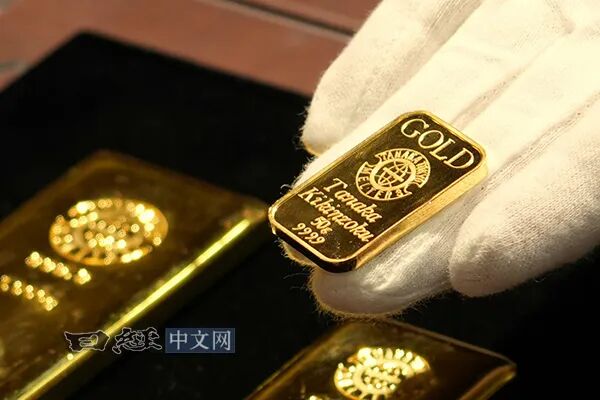
Core Viewpoint - The article discusses the significant fluctuations in gold prices, highlighting a sharp decline followed by a rapid rebound, driven by increased buying activity from investors in Japan and China, and the impact of leveraged ETFs on market volatility [2][4][5]. Group 1: Price Fluctuations - On February 2, the London spot price of gold dropped to $4,403 per ounce, a decrease of up to 21% from the peak of $5,594 on January 29 [4]. - On February 3, gold prices rebounded, returning to the $4,900 range during Asian trading hours [4]. - The Osaka Exchange's gold futures triggered a circuit breaker due to a 10% increase, leading to a temporary halt in trading [4][5]. Group 2: Investor Behavior - Following the price drop, there was a surge in buying from Japanese and Chinese investors, indicating a strong demand for gold at lower prices [4]. - Market expert Rona O'Connell from StoneX noted that geopolitical risks continue to support gold prices, encouraging new investments [4]. Group 3: Market Mechanisms - The article explains the circuit breaker mechanism, which temporarily halts trading during significant market fluctuations to allow investors to make informed decisions [5]. - The presence of leveraged ETFs, such as ProShares Ultra Gold, has amplified price volatility, with trading volumes increasing significantly during market peaks [5][6]. Group 4: Retail Impact - Retail gold prices in Japan have been subject to frequent adjustments due to market volatility, with major retailers like Tanaka Kikinzoku experiencing increased customer traffic [7]. - Customers expressed urgency in purchasing gold, believing in its value amidst global economic uncertainties [7].