QDII类股票ETF

Search documents
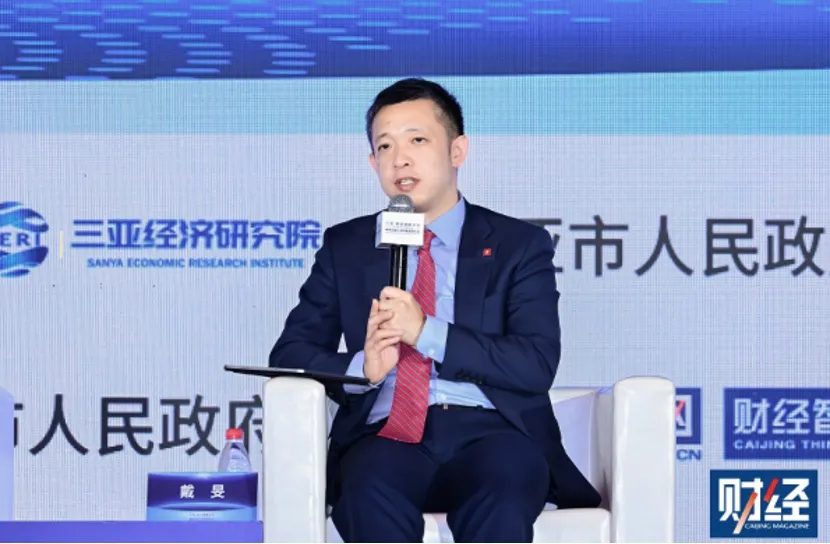
戴旻:封关政策有潜力让海南打造一个跨境资产配置的金融平台
Xin Lang Cai Jing· 2025-12-27 16:37
Core Viewpoint - The recent developments in China's cross-border investment tools, driven by regulatory changes, are providing domestic investors with a wider range of options for asset allocation [1] Group 1: Cross-Border Investment Tools - The variety of cross-border investment tools in China has expanded significantly, including traditional QDII funds and a growing number of QDII stock ETFs from various countries and sectors [1] - The introduction of diverse investment tools is deemed necessary for the domestic wealth management industry to adapt to long-term trends in capital markets [1] Group 2: Gold Assets and Capital Preservation - Gold assets are increasingly recognized as a vital component of capital preservation, potentially serving a role similar to fixed income assets in investment portfolios [1] Group 3: Hainan's Financial Platform Potential - The Hainan province's full island closure policy is seen as a potential catalyst for establishing a cross-border asset allocation financial platform [1] - Innovations such as the EF account (multi-functional free trade account) are expected to enhance the flexibility of capital flow and allocation [1] Group 4: Emerging Financial Needs - Hainan's unique natural environment and service industry foundation are attracting a significant number of retirees and pre-retirees, which may lead to new demands in areas like pension finance and wealth planning [1]
富达基金投顾业务负责人戴旻:封关政策可以让海南打造跨境资产配置的金融平台
Cai Jing Wang· 2025-12-27 13:10
Core Viewpoint - The wealth management industry in China is transitioning from a single product sales model to a diversified, solution-oriented service model, driven by the increasing complexity of investment needs and the introduction of new financial products [1][3]. Group 1: Industry Trends - The variety of cross-border investment tools in China, such as QD funds and cross-border ETFs, is expanding, providing domestic investors with more diverse allocation options [1][3]. - The domestic fixed income asset yields are gradually declining, making it challenging for traditional fixed income products to meet long-term wealth goals like retirement and education [1][3]. - Global technological innovations, particularly in AI, large models, and renewable energy, are driving economic growth, presenting new investment opportunities [1][3][10]. Group 2: Wealth Management Strategies - Wealth management should not be limited to selling single fund products; it should offer diversified solutions based on individual life cycles and specific wealth planning needs [3][11]. - The introduction of more diversified investment tools is necessary for the domestic wealth management industry to adapt to changing market conditions [3][11]. - The role of gold as a capital preservation asset is increasing, potentially serving a function similar to fixed income assets in the future [3][11]. Group 3: Opportunities in Hainan - Hainan's policy of closing its borders is expected to create a significant platform for cross-border asset allocation, allowing for the introduction of overseas financial products that meet risk profiles [3][12]. - The unique natural environment and service industry foundation in Hainan are likely to attract a large number of retirees, creating new demands for retirement finance and wealth planning [3][12][13]. - The next three to five years will see the wealth management industry continue to evolve towards a client-centric, advisory service-oriented model, with Hainan playing a crucial role in enhancing financial tool supply and account flexibility [3][12][16].