RoboBrain2.0模型

Search documents
Deepsick团队的算法破局,夺下2025中关村具身智能模型能力挑战赛大脑赛道一等奖
机器人大讲堂· 2025-12-06 09:05
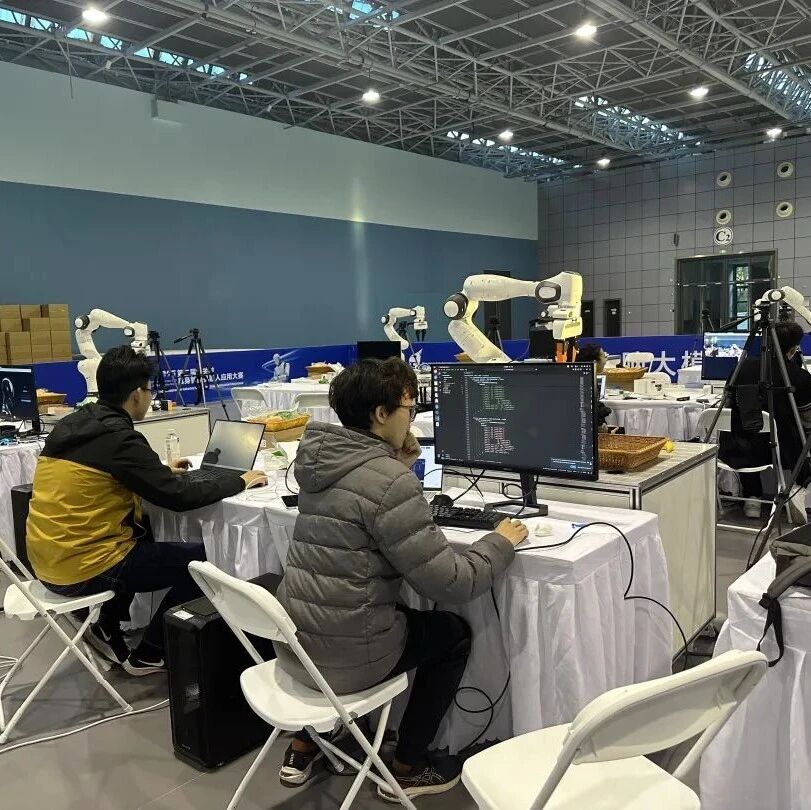
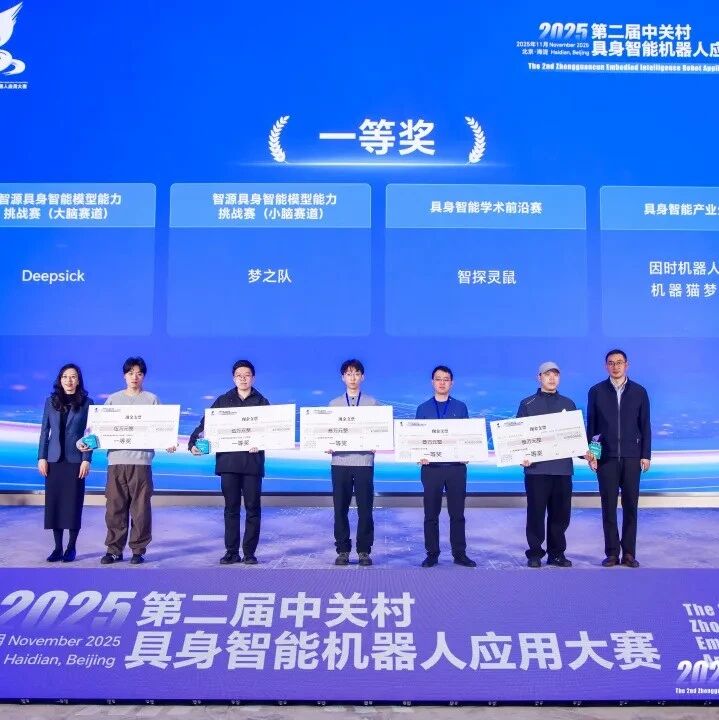
Core Viewpoint - The 2025 Second Zhongguancun Embodied Intelligent Robot Application Competition successfully showcased the application of embodied intelligence technology, emphasizing the transition from "laboratory algorithms" to "practical applications" in the industry [1][10]. Group 1: Competition Overview - The competition featured over 150 teams from renowned universities, research institutions, and innovative enterprises, culminating in 54 outstanding teams that set benchmarks for the application of embodied intelligence technology [1]. - The event was guided by various governmental bodies and organized by multiple institutions, aiming to foster the practical application of embodied intelligence [1]. Group 2: Core Challenge of Embodied Intelligence Models - The core challenge included two main tracks: the Embodied Brain Model Capability Challenge and the Embodied Small Brain Model Capability Breakthrough Challenge, focusing on optimizing the RoboBrain2.0 model [3]. - The Deepsick team excelled in the competition, achieving a 10% improvement in spatial reasoning tasks with their optimized RoboBrain2.0 model, securing the first prize in the brain track [3]. Group 3: Team Dynamics and Strategy - The Deepsick team, consisting of four members, operated with clear roles, functioning like a small "data-model" engine, emphasizing a systematic approach to problem-solving and iterative training [5]. - The team leader coordinated the research strategy and progress, while team members specialized in model training, evaluation, and technical discussions, ensuring a collaborative effort [5]. Group 4: Phased Approach to Model Optimization - The Deepsick team adopted a three-phase approach to optimize model performance: addressing weaknesses, enhancing specific capabilities, and achieving overall improvement [7][8]. - In the first phase, the team focused on diagnosing issues within the training set to avoid masking core problems, leading to effective solutions [7]. - The second phase emphasized data quality over quantity, with a strategy to uncover previously unseen data for better experimental results [8]. Group 5: Future Implications - The success of the Deepsick team reflects a broader trend in China's embodied intelligence industry towards practical innovation and application [10]. - The future is expected to see an increasing number of robots equipped with intelligent capabilities, playing significant roles in various settings such as factories, homes, and emergency sites [10].

圆满收官!2025年第二届中关村具身智能机器人应用大赛落幕,赛事亮点全面回顾
机器人圈· 2025-11-19 10:54
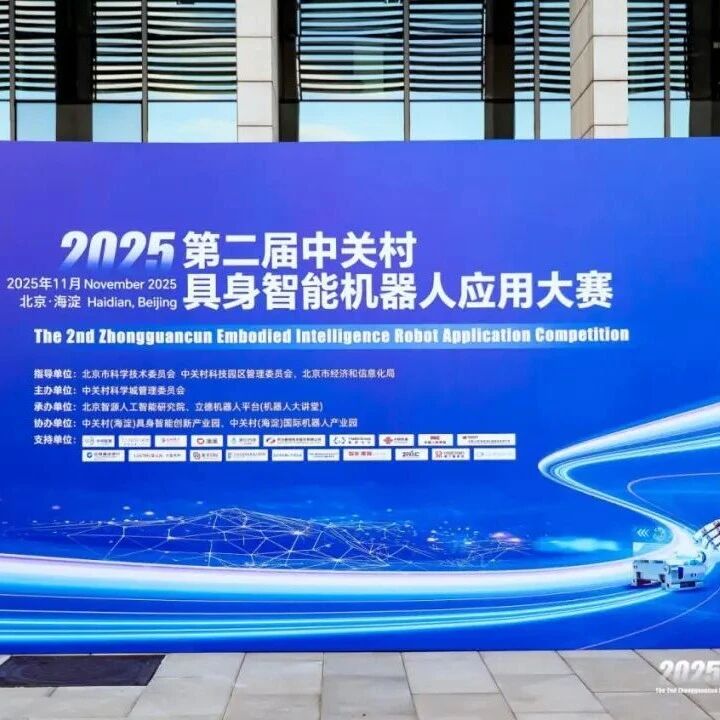
11月17-18日,在北京中关村国家自主创新示范区展示中心,以"具身引智、应用未来"为主题的2025年第 二届中关村具身智能机器人应用大赛圆满收官。本届大赛由中关村科学城管理委员会主办,北京智源人工智 能研究院、立德机器人平台(机器人大讲堂)共同承办,汇聚了国内外顶尖的科研团队、创新企业及行业专 家,通过为期数月的激烈角逐与深度交流,成功展示了具身智能机器人技术的前沿成果与应用潜力,为培育 新质生产力、构建未来产业生态注入了强劲动能。 大赛开幕式上, 中关村科学城管委会产业促进四处处长姜大宽 出席了会议并致辞。在致辞中,姜大宽充分 肯定了本届大赛的意义,并表示:海淀也将以本次大赛为新起点,持续优化产业生态,与各界同仁携手,以 敢为人先的创新胆识、精益求精的工匠精神、开放包容的胸怀视野,共同书写具身智能的新篇章! ▍ 聚焦场景应用,推动机器人"真干活" 本届大赛紧密围绕北京市及海淀区打造全国具身智能创新高地的战略目标,秉承"以赛促创新活力、以赛促场 景探索、以赛促生态构建、以赛促产融对接"的宗旨,重点聚焦家庭服务、商用服务、工业制造、居家服务、 安全处置等核心应用场景。大赛设置了 具身智能模型能力挑战赛、具身智 ...
智源赋能!中关村具身智能机器人应用大赛模型赛道初赛收官
机器人大讲堂· 2025-11-06 13:00
Core Viewpoint - The second Zhongguancun Embodied Intelligence Robot Application Competition is currently underway, focusing on advancing embodied intelligence technology through two main challenges: the "Embodied Brain Model Capability Challenge" and the "Embodied Small Brain Model Capability Breakthrough Challenge" [1][2]. Group 1: Competition Overview - The competition has attracted outstanding teams from domestic and international universities, research institutions, and enterprises, with 20 teams advancing to the "Brain Track" finals and 10 teams to the "Small Brain Track" finals [2]. - The theme of the competition is "Embodied Intelligence Drives Future Applications," providing a high-level platform for teams to showcase their technical capabilities and explore cutting-edge directions [3]. Group 2: Initial Round Insights - Teams explored "enhancing the capabilities of embodied intelligence models and validating their practical applications," submitting proposals that covered data construction, training design, and experimental validation [3]. - A total of 30 teams successfully advanced to the finals after rigorous evaluation based on completeness, innovation, feasibility, and reproducibility of their proposals [3]. Group 3: Technical Foundation - The competition is supported by the Zhiyuan Research Institute, which provides a full-chain guarantee including models, data collection platforms, robot bodies, and evaluation platforms [3]. - The RoboBrain2.0 model used in the Brain Track is an open-source general embodied brain model that integrates perception, reasoning, and planning, designed for real physical environments [3][4]. Group 4: Finals Preview - The finals will focus on practical applications, requiring teams to demonstrate their models in real-world scenarios [6]. - In the Brain Track, teams will independently complete data design and model training, with evaluation covering spatial understanding, perceptual reasoning, dynamic prediction, and task planning [6][7]. Group 5: Real-World Application - In the Small Brain Track, teams will complete the entire process from data collection and training optimization to real machine task execution [7]. - The evaluation will consist of real machine task performance (60%) and defense performance (40), assessing task completion, execution efficiency, innovation, and human-machine interaction [7]. Group 6: Future Prospects - The competition aims to encourage teams to break through core technical bottlenecks in embodied intelligence, exploring more universal and practical model solutions [12]. - The event invites global attention from universities, research institutions, enterprises, and developers to witness the innovative journey from algorithms to actions, promoting the integration of embodied intelligence technology into human applications [12].