SaaS Software

Search documents
标普 500 大换血:AI 基础设施正式接管美股核心指数
美股研究社· 2026-03-09 11:12
Core Viewpoint - The recent adjustment of the S&P 500 index signifies a shift in capital focus from the "internet consumption era" to the "AI infrastructure era," reflecting a deeper restructuring of core assets in the U.S. stock market [2][3]. Group 1: Index Adjustment and Its Implications - The S&P 500 index adjustment is not merely a numerical change but a significant acknowledgment of new industrial realities by Wall Street, indicating a transition in investment focus [2][3]. - Four companies—Vertiv Holdings, Lumentum Holdings, Coherent Corp., and EchoStar—are entering the index, while Match Group, Molina Healthcare, Lamb Weston, and Paycom Software are being removed, highlighting a clear industrial divide [6][8]. - The companies being replaced represent stable growth and mature business models from the previous decade, while the new entrants are aligned with the burgeoning AI infrastructure theme [6][9]. Group 2: AI Infrastructure Focus - The new entrants into the S&P 500 are primarily focused on AI infrastructure, which is becoming increasingly critical as demand for AI capabilities surges [7][10]. - Vertiv Holdings, a key player in data center power and cooling systems, has seen significant stock price increases due to real growth in orders driven by AI data center demands [9][10]. - The importance of light communication technologies and satellite communications is underscored by the inclusion of Lumentum Holdings, Coherent Corp., and EchoStar, indicating a shift towards the physical infrastructure necessary for AI operations [7][10]. Group 3: Capital Flow and Market Dynamics - The S&P 500 serves as a massive passive investment anchor, with over $7 trillion in ETFs and index funds, meaning that companies entering the index will experience forced buying from passive funds regardless of short-term outlooks [8][9]. - The structural flow of funds into companies like Vertiv is crucial, as the market anticipates that global AI data center investments could exceed $1 trillion by 2030, indicating a significant capital expenditure cycle [9][12]. - The market is beginning to recognize the scarcity and technological barriers associated with infrastructure companies, which are now seen as essential to supporting AI advancements [10][12]. Group 4: Historical Context and Future Outlook - The current phase of the AI industry mirrors historical technology cycles, where the focus shifts from application to infrastructure, suggesting that the next winners may not be the model companies but those providing essential support [11][12]. - Infrastructure investments typically have a lag effect but can lead to substantial and sustained growth once initiated, indicating a long-term opportunity for companies in this space [12]. - The recent index adjustment may signify a maturation of the AI revolution, moving from conceptual discussions to tangible infrastructure investments that support the digital economy [12][13].


The NextEra Stock In Energy (NYSE:NEE)
Seeking Alpha· 2025-09-25 13:08
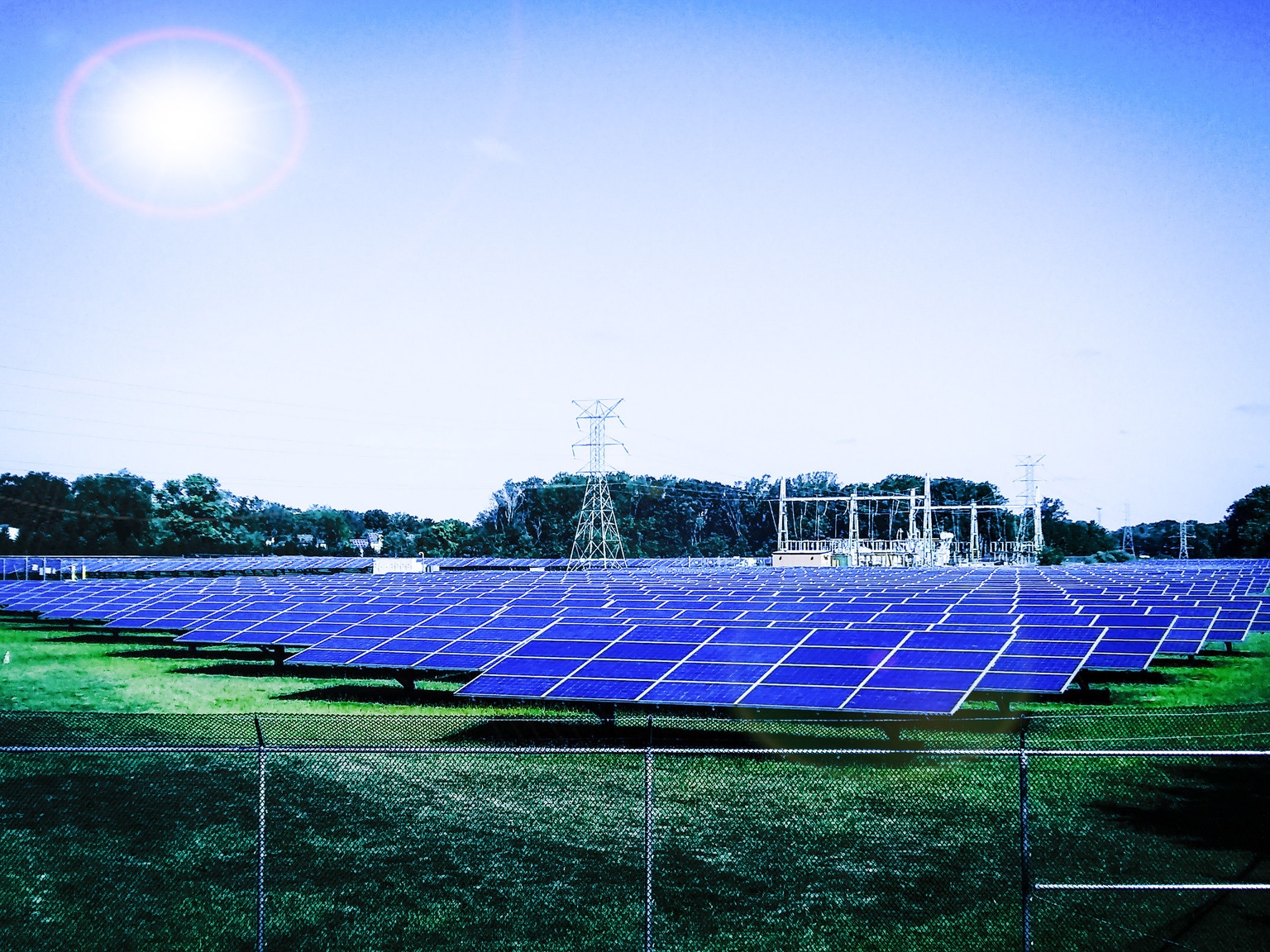
Group 1 - The core viewpoint is that SaaS software may no longer dominate the market, with AI-native companies posing a threat to traditional enterprise software business models [1] - Analysts recommend that investors protect their software-heavy portfolios by diversifying into Utilities through ETFs [1] Group 2 - The author has expertise in areas such as Exponential Age, SaaS software, and Blockchain [1]

The NextEra In Energy
Seeking Alpha· 2025-09-25 13:08
Group 1 - The core viewpoint suggests that SaaS software may no longer dominate the market, with increasing concerns about AI-native companies potentially disrupting the business models of traditional enterprise software firms [1] - Analysts recommend that investors protect their software-heavy portfolios by diversifying into Utilities through ETFs [1] Group 2 - The author has expertise in areas such as Exponential Age, SaaS software, and Blockchain, indicating a strong background in relevant technological trends [1]

AES In An Era Of Durable Data-Center Demand
Seeking Alpha· 2025-08-28 13:27
Core Insights - There is a growing concern that SaaS software may no longer dominate the market, with analysts highlighting the potential threat posed by AI-native companies to traditional enterprise software business models [1] Group 1: Industry Trends - Analysts are increasingly discussing the shift in the software landscape, suggesting that AI-native companies could disrupt established SaaS providers [1] - The recommendation for investors is to safeguard their investments in software-heavy companies due to these emerging risks [1] Group 2: Analyst Background - The analyst has a strong educational background, holding an MBA in Management and a B.S. in Finance from Manhattan College, along with credit training from New York University [1] - The analyst is recognized for expertise in areas such as the Exponential Age, SaaS software, and Blockchain [1]