SleepUp医疗级睡眠仪

Search documents
脑机接口概念股持续上演涨停潮:关注该板块低位潜力品种
Xin Lang Cai Jing· 2026-01-06 12:26
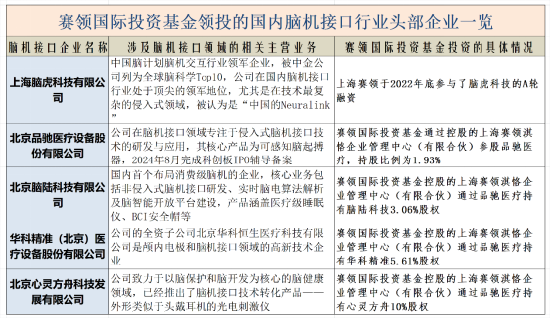
Group 1 - The brain-computer interface (BCI) concept stocks have experienced a surge, with 20 stocks hitting the daily limit up for two consecutive days, indicating strong market interest in companies involved in this sector [2][19][21] - The Shanghai Composite Index has reached a ten-year high, marking the 13th consecutive trading day of gains, suggesting a new upward trend in the A-share market [20][21] - Notable BCI stocks that have hit the daily limit include Innovation Medical, Rock Mountain Technology, Sanbo Brain Science, and others, reflecting the growing popularity of this sector [20][21] Group 2 - The Sai Ling International Investment Fund (Shanghai) has invested in several leading companies in the BCI field, including Shanghai Brain Tiger Technology, Beijing Pinchi Medical, and Beijing Brain Land Technology, indicating a strong focus on top-tier technology in this industry [22][31] - Shanghai Brain Tiger Technology is recognized as a leader in the invasive BCI sector, having developed a unique high-throughput flexible BCI technology and achieved significant clinical milestones [24][28] - Beijing Pinchi Medical specializes in invasive BCI technology and has developed a rechargeable directional Bluetooth perceivable brain pacemaker, which has been recognized as one of the top innovations in the BCI field [29][12] Group 3 - Beijing Brain Land Technology is the first company to focus on consumer-grade BCIs, with a strong emphasis on non-invasive BCI research and development, and has received multiple patents for its products [14][32] - Huake Precision (Beijing) Medical Equipment Co., Ltd. is a high-tech enterprise in the neurosurgery field, focusing on the development of medical electrodes and BCI technology, with several medical device registrations [33][16] - Beijing Mind Ark Technology Development Co., Ltd. has developed a near-infrared brain function imaging system, showcasing significant technological advantages in various applications, including mental health and brain-machine interfaces [34][17]





无法短期变现的脑机接口,如何先活下去?
Sou Hu Cai Jing· 2025-12-04 12:13
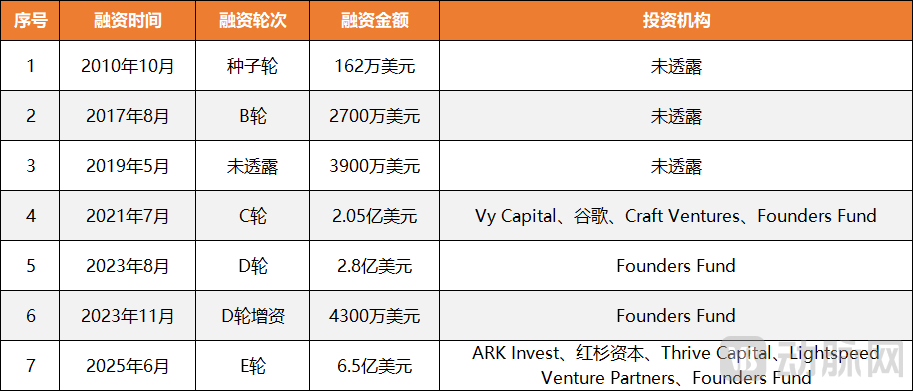
Core Insights - Neuralink has completed a $650 million Series E funding round, setting a new record in the brain-computer interface (BCI) sector, bringing its total funding to over $1.3 billion, which is significant compared to the global BCI market size of $2.6 billion in 2024 [1][2] - Despite substantial funding, Neuralink faces high operational costs, burning several hundred million dollars annually without a clear path to commercialization [2][3] - The BCI industry is experiencing a funding boom, with nearly 100 financing events in the past five years in China alone, totaling over 10 billion yuan, indicating strong investor interest [3][4] Funding Landscape - Neuralink's funding history includes multiple rounds, with significant contributions from major investors like ARK Invest and Sequoia Capital in the latest round [2] - The BCI sector has seen a 30% increase in financing events in China from January to November 2025, with notable records set by companies like JieTi Medical [5] - Government funding is becoming increasingly important, with various local and national policies supporting BCI development, including a 10 billion yuan fund in Tianjin [6][7] Market Dynamics - The BCI market is characterized by a lack of stable commercialization and profitability, leading many companies to face survival challenges [3][4] - Investors are shifting focus from upstream technology to practical clinical applications and commercialization capabilities, indicating a maturation of the investment landscape [6] - The potential applications of BCI technology, such as restoring vision or mobility, present significant market opportunities, attracting early investments [4] Product Development and Commercialization - Companies are adopting a "laying eggs along the way" strategy, focusing on both research and consumer applications to maintain cash flow [9][10] - Non-invasive BCIs are targeting consumer healthcare markets, while invasive BCIs are focusing on research applications due to the complexity of clinical scenarios [10][12] - Successful commercialization examples include products like the intelligent bionic hand from QiangNerve Technology, which has seen rapid sales growth [11] Future Outlook - 2025 is anticipated to be a pivotal year for the BCI industry in China, with significant clinical advancements expected [15] - Challenges remain in signal processing, material compatibility, and market education, which could delay widespread commercialization [16] - Companies must balance short-term survival with long-term innovation to thrive in the evolving BCI landscape [18][19]
2025年中国脑机接口产业十大创新企业:强脑科技、脑虎科技、脑陆科技、博睿康、诚益通……
Qian Zhan Wang· 2025-05-05 01:24
Core Insights - Brain-computer interface (BCI) technology enables direct communication between the brain and external devices, revolutionizing human-machine interaction and integrating advanced technologies such as neuroscience, AI, and new materials [2][4] - The global BCI industry is projected to reach $7.63 billion by 2029, indicating significant growth potential [4] - China and the United States are leading in BCI development, with a notable number of companies and products entering clinical stages [6][7] Industry Overview - The BCI industry is characterized by a competitive landscape with active companies in over 40 countries, primarily in the US and China, where the number of companies exceeds 100 [7] - As of early 2024, China holds 55.62% of the global patent technology in BCI, leading all countries [6] - The industry is still in its early stages, with many startups emerging and a significant increase in patent applications and funding events [55] Key Companies - **Qiangnao Technology**: Founded in 2018, it specializes in non-invasive BCI technology and has over 200 core patents, with a goal to help 1 million disabled individuals regain mobility [10][12] - **Brain Tiger Technology**: Established in 2021, it focuses on flexible invasive BCI technology and has made significant breakthroughs in core technologies [13][15] - **Brain Land Technology**: Founded in 2018, it integrates BCI technology with medical big data and AI, holding 147 patents as of April 2025 [20][21] - **Borecon**: Founded in 2021, it has developed high-performance BCI systems and has over 100 patents [24][25] - **Weiling Medical**: Established in 2019, it is focused on BCI technology and has initiated clinical research for implantable BCI systems [28] - **Roulint Technology**: Founded in 2020, it specializes in non-invasive BCI technology for consumer electronics and medical applications, holding 161 patents [33] - **Aipeng Medical**: Established in 2001, it has invested in BCI technology and developed several non-invasive BCI products [36][37] - **Kedou BCI**: Founded in 2016, it focuses on invasive BCI technology and has developed various microelectrodes and related devices [40][41] - **Sanbo Neuroscience**: Established in 2003, it has over 50 patents and is involved in clinical applications of BCI technology for neurological disorders [43] - **Chengyitong**: Founded in 2011, it has developed several non-invasive BCI prototypes and holds 303 patents, covering key areas of BCI technology [46] Technological Insights - BCI technology is categorized into invasive, semi-invasive, and non-invasive types, with a focus on improving accuracy, feedback speed, and safety [50][52] - The majority of BCI product development is currently centered on non-invasive devices due to their higher safety and market acceptance [53] - As of 2024, there are 222 registered medical devices related to BCI in China, with 194 classified as Class II medical devices [53]