侵入式脑机接口

Search documents
智冉医疗完成3亿元A+轮融资,推进侵入式脑机接口产品大规模临床试验
IPO早知道· 2026-02-11 01:36
Core Viewpoint - The article discusses the recent advancements and funding in the invasive brain-computer interface (BCI) sector, particularly focusing on the company "Zhiran Medical," which has completed a 300 million RMB A+ round of financing to enhance clinical trials and product iterations [2]. Group 1: Company Overview - Zhiran Medical has established a systematic layout in the upstream and midstream of the invasive BCI industry chain, focusing on core technology development and large-scale production [3][6]. - The company has made significant breakthroughs in key technologies, including flexible electrodes, neural chips, decoding algorithms, and electrode implantation robots, creating a complete industrial closed loop [3][6]. Group 2: Technological Advancements - Zhiran Medical's recent innovation includes a stretchable high-throughput flexible electrode that addresses issues of traditional linear electrodes, enhancing signal collection and biomechanical compliance [4][6]. - The company's neural signal acquisition chip is coin-sized and has reduced power consumption by 75% compared to traditional chips, while the deep neural network decoding algorithm allows for high-precision real-time decoding [6]. Group 3: Clinical Applications - By 2025, Zhiran Medical successfully completed the clinical implantation of the first domestic invasive BCI product with over 100 channels, validating its safety and effectiveness [6]. - The company plans to initiate large-scale clinical registration for its over 100-channel invasive BCI product in 2026, accelerating its clinical application [6]. Group 4: Industry Positioning - As a leading innovator in the domestic invasive BCI field, Zhiran Medical aligns with China's "14th Five-Year Plan" for future industry development and responds to national calls for independent innovation in cutting-edge technologies [7].


半年连融两轮!智冉医疗完成3亿元A+轮融资,中科创星领投
Sou Hu Cai Jing· 2026-02-11 01:25
Core Insights - The article highlights that Zhiran Medical, a leading domestic invasive brain-computer interface (BCI) company, has completed a 300 million yuan A+ round of financing, led by Zhongke Chuangxing, with participation from various investors [1] - The funding will primarily be used to advance large-scale clinical trials and iterate high-throughput flexible BCI products, accelerating the technology's clinical application [1] - Zhiran Medical is committed to the invasive BCI technology route, believing it is essential for achieving high-bandwidth information exchange between the human brain and external devices, evolving BCIs from assistive tools to core technologies for efficient human-machine symbiosis [1] Company Developments - Zhiran Medical has established a systematic layout in the invasive BCI industry chain, achieving a complete industrial closed loop from core technology research and development to large-scale production [3] - The company has made significant breakthroughs in key technologies, including flexible electrodes, neural chips, decoding algorithms, and electrode implantation robots, ensuring full control over clinical-grade products [3][6] - A recent breakthrough includes the development of a stretchable high-throughput flexible electrode, which addresses industry challenges related to traditional linear flexible electrodes [3][6] Technological Advancements - The company's domestically produced neural signal acquisition chip is coin-sized and has reduced power consumption by 75% compared to traditional chips [6] - The deep neural network decoding algorithm, trained on vast amounts of neural data, enables high-precision real-time decoding [6] - Zhiran Medical has successfully developed a high-throughput wireless invasive BCI system based on stretchable flexible electrodes, enhancing signal stability and decoding accuracy for large-scale clinical applications [6] Clinical Applications - By 2025, Zhiran Medical completed the first clinical implantation of an invasive BCI product with over 100 channels, preliminarily verifying its safety and effectiveness [6] - The company plans to initiate large-scale registration clinical trials for its over 100-channel invasive BCI product in 2026, accelerating its clinical rollout [6] Industry Position - As a leader in the domestic invasive BCI field, Zhiran Medical aligns with the national "14th Five-Year Plan" for future industry development and responds to the country's call for independent innovation in cutting-edge technologies [7] - The company aims to continue accelerating core technology breakthroughs and clinical transformation processes, contributing to China's leadership in the invasive BCI sector [8]
「智冉医疗」再获3亿元A+轮融资,2026计划启动规模化注册临床试验 | 36氪首发
3 6 Ke· 2026-02-11 01:16
Group 1 - The core viewpoint of the article is that Zhiran Medical, a company specializing in invasive brain-machine interfaces, has secured 300 million yuan in A+ round financing, led by Zhongke Chuangxing, with participation from multiple existing investors, indicating strong confidence in the company's capabilities [1] - The funding will primarily be used to advance large-scale clinical trials and iterate high-throughput flexible brain-machine interface products, accelerating the clinical application of invasive brain-machine interface technology [1] - The founder and CEO of Zhiran Medical, Song Qi, emphasized the company's commitment to invasive brain-machine interfaces, highlighting the team's deep technical accumulation and the potential for efficient human-machine information exchange [1] Group 2 - Zhiran Medical has developed a high-throughput "stretchable flexible electrode" that can dynamically follow the brain's movements, ensuring long-term stability after implantation, and causing less mechanical damage to brain tissue compared to traditional linear electrodes [2] - The company has also established a nearly 2000 square meter clinical-grade micro-nano processing workshop and GMP-standard assembly workshop, achieving full-chain autonomy for clinical-grade products [3] - In terms of clinical trials, Zhiran Medical plans to complete clinical implantation of a high-throughput invasive brain-machine interface product with over 100 channels by 2025, with a large-scale registration clinical trial planned for 2026 [3] Group 3 - The national "14th Five-Year Plan" includes "brain-machine interfaces" as one of the six future industries, with various regions establishing special funds worth billions for brain-machine interface and neuroscience projects [4] - In 2025, the National Healthcare Security Administration will release guidelines to establish independent charging items for various brain-machine interface services, reflecting strong support for the development of the brain-machine interface industry [4] - Companies with invasive brain-machine interface platform capabilities are expected to accelerate the application of these technologies [4]
早报(12.18)| 一则消息,全线崩跌!巨头股价腰斩;谷歌Gemini 3再次大更新;海南自贸港今日启动全岛封关
Ge Long Hui· 2025-12-18 00:35
Group 1 - The Federal Reserve Governor Waller stated that the current U.S. job market is "very weak" with near-zero growth, but there is no "cliff-like decline," indicating room for gradual interest rate cuts to reach neutral levels [1] - Oracle's data center project worth $10 billion faces funding challenges as Blue Owl Capital withdrew due to concerns over debt and AI spending, although Oracle confirmed that equity negotiations are proceeding as planned [1] - The U.S. stock market saw declines across major indices, with Oracle's stock dropping over 5%, and significant losses in other tech giants, resulting in a total market value loss of $164.8 billion [1] Group 2 - The Nasdaq China Golden Dragon Index fell by 0.73%, with most popular Chinese stocks declining, including Pinduoduo and NIO, while Baidu saw a slight increase [2] - WTI crude oil futures rose by $0.67 to $55.94 per barrel, and Brent crude oil futures increased by $0.76 to $59.68 per barrel, indicating a positive trend in oil prices [2] - Micron reported a 57% year-over-year increase in adjusted revenue to $13.64 billion, driven by surging demand for AI data centers and a shortage of storage chips, leading to a significant capital expenditure increase [6] Group 3 - Google launched a more efficient version of its AI model, Gemini 3 Flash, which outperforms its predecessor in benchmark tests and is significantly cheaper to operate [3] - The White House is expected to announce a drug pricing agreement with Novartis and Roche, aimed at easing trade tensions and potentially including other pharmaceutical companies [4] - AMD's CEO met with China's Minister of Industry and Information Technology to discuss cooperation in the digital economy and AI sectors, with AMD planning to deepen investments in China [5] Group 4 - OpenAI is negotiating with Amazon for at least $10 billion in funding, which could raise its valuation to over $500 billion, while exploring commercial collaborations [8] - Netflix plans to complete its acquisition of Warner Bros. Discovery within 12 to 18 months, following the rejection of a hostile takeover bid from Paramount [9] - SpaceX has informed employees of a regulatory quiet period ahead of its planned IPO in 2026, restricting discussions on the company's growth and valuation [10] Group 5 - Tencent announced a restructuring of its AI model team, appointing a former OpenAI researcher as chief AI scientist to enhance its AI development capabilities [11] - CICC plans to merge with Dongxing Securities and Xinda Securities through a share swap, which could elevate CICC's total assets to over one trillion yuan [12] - The stock of Muxi Co., known as the "second domestic GPU stock," surged on its debut, with significant profits reported for investors [13]
无法短期变现的脑机接口,如何先活下去?
Sou Hu Cai Jing· 2025-12-04 12:13
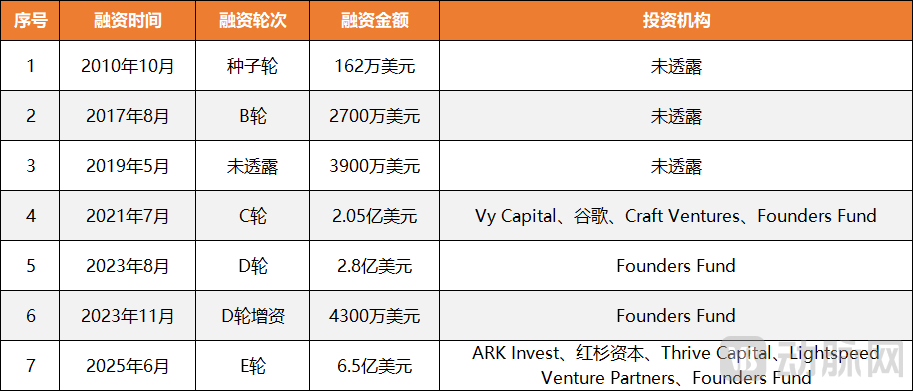
Core Insights - Neuralink has completed a $650 million Series E funding round, setting a new record in the brain-computer interface (BCI) sector, bringing its total funding to over $1.3 billion, which is significant compared to the global BCI market size of $2.6 billion in 2024 [1][2] - Despite substantial funding, Neuralink faces high operational costs, burning several hundred million dollars annually without a clear path to commercialization [2][3] - The BCI industry is experiencing a funding boom, with nearly 100 financing events in the past five years in China alone, totaling over 10 billion yuan, indicating strong investor interest [3][4] Funding Landscape - Neuralink's funding history includes multiple rounds, with significant contributions from major investors like ARK Invest and Sequoia Capital in the latest round [2] - The BCI sector has seen a 30% increase in financing events in China from January to November 2025, with notable records set by companies like JieTi Medical [5] - Government funding is becoming increasingly important, with various local and national policies supporting BCI development, including a 10 billion yuan fund in Tianjin [6][7] Market Dynamics - The BCI market is characterized by a lack of stable commercialization and profitability, leading many companies to face survival challenges [3][4] - Investors are shifting focus from upstream technology to practical clinical applications and commercialization capabilities, indicating a maturation of the investment landscape [6] - The potential applications of BCI technology, such as restoring vision or mobility, present significant market opportunities, attracting early investments [4] Product Development and Commercialization - Companies are adopting a "laying eggs along the way" strategy, focusing on both research and consumer applications to maintain cash flow [9][10] - Non-invasive BCIs are targeting consumer healthcare markets, while invasive BCIs are focusing on research applications due to the complexity of clinical scenarios [10][12] - Successful commercialization examples include products like the intelligent bionic hand from QiangNerve Technology, which has seen rapid sales growth [11] Future Outlook - 2025 is anticipated to be a pivotal year for the BCI industry in China, with significant clinical advancements expected [15] - Challenges remain in signal processing, material compatibility, and market education, which could delay widespread commercialization [16] - Companies must balance short-term survival with long-term innovation to thrive in the evolving BCI landscape [18][19]
奥特曼打造脑机接口初创挑战Neuralink,马斯克公开否定其技术思路
Sou Hu Cai Jing· 2025-10-26 08:39
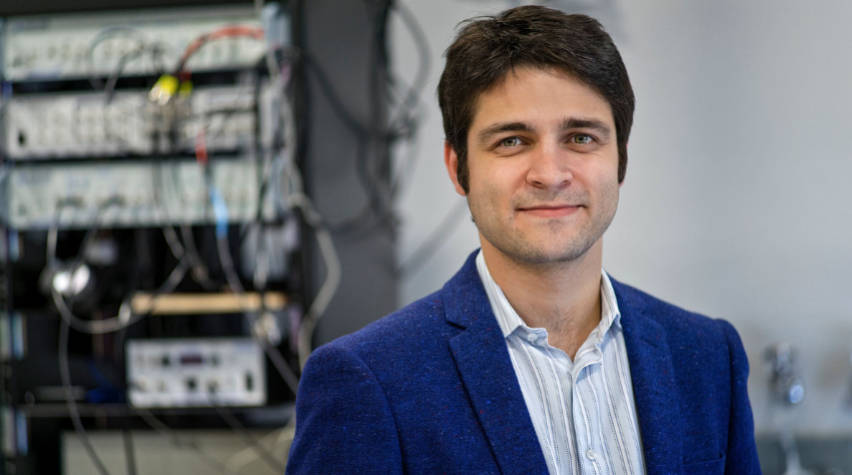
Core Insights - The article discusses the competition between Sam Altman, CEO of OpenAI, and Elon Musk in the brain-computer interface (BCI) sector, highlighting the recent developments at Merge Labs, a company co-founded by Altman [1][2][5]. Company Developments - Merge Labs has recruited Mikhail Shapiro, a prominent researcher from Caltech, known for his work in non-invasive brain imaging and gene therapy [1][5][7]. - Altman is expected to serve as the chairman of Merge Labs, while Shapiro is anticipated to play a key leadership role in the company [5]. - Merge Labs is reportedly in discussions for a $250 million funding round led by OpenAI, which would value the company at $850 million [5]. Technology Approach - Merge Labs aims to develop a non-invasive brain-computer interface using "gene therapy + ultrasound" methods, contrasting with Neuralink's invasive techniques [5][11]. - Shapiro's research focuses on using ultrasound to interact with the brain without the need for surgical procedures, which is a significant departure from Neuralink's approach [7][12]. Industry Context - The article outlines the ongoing debate between invasive and non-invasive BCI technologies, with the former posing higher risks and potential complications [12]. - Altman has publicly expressed his preference for non-invasive methods, indicating a strategic direction for Merge Labs that may influence the future of human-AI integration [5][12].
「智冉医疗」完成超3亿元A轮融资,加速侵入式脑机接口临床转化 | 早起看早期
36氪· 2025-08-14 23:56
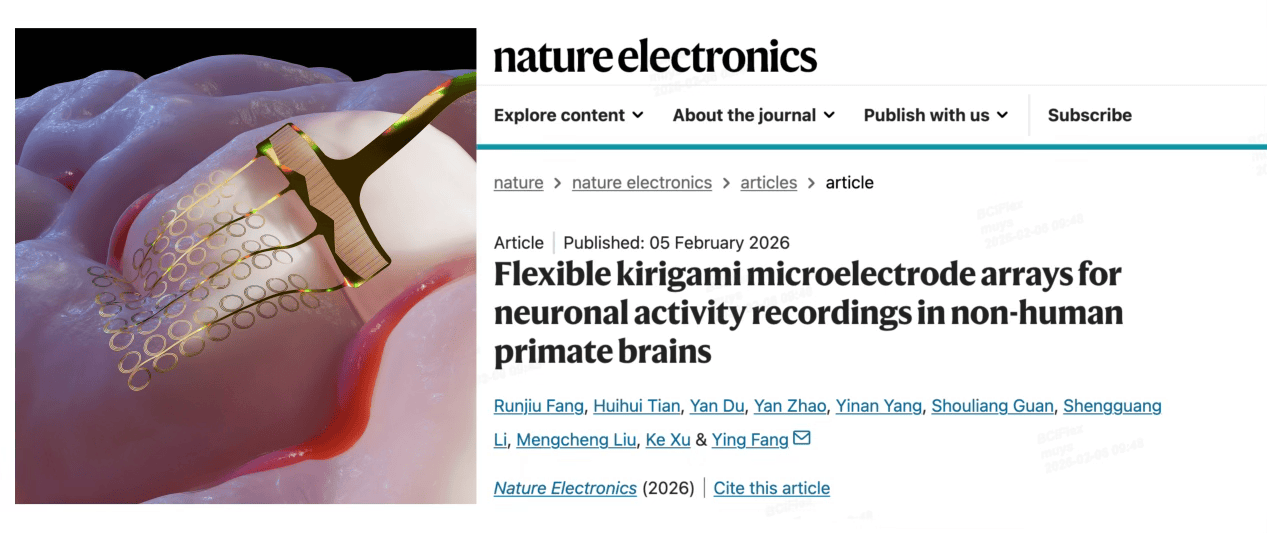
Core Viewpoint - The article discusses the recent A-round financing of Zhiruan Medical, highlighting its focus on developing next-generation technologies and conducting large-scale clinical trials [3][4]. Financing and Company Background - Zhiruan Medical has completed over 300 million yuan in A-round financing, led by various investors including social security funds and venture capital firms [3]. - Since its establishment in 2022, the company has raised nearly 500 million yuan in total financing [4]. - The company was co-founded by Dr. Fang Ying and Dr. Song Qi, both of whom have extensive backgrounds in neuroscience and AI medical technology [4]. Technology and Innovation - Zhiruan Medical specializes in invasive brain-computer interface (BCI) technology, which allows for high-resolution neural signal collection and precise neuron modulation [5]. - The company has developed proprietary high-throughput flexible electrodes that have received patent authorization in both China and the U.S., enabling efficient neural signal collection [5][6]. - A fully implanted high-throughput wireless signal acquisition system has been created, capable of collecting neural action potentials from up to 1024 channels [6]. Research and Development - The company has built a high-precision brain data platform with over 20TB of animal neural data and 6TB of human deep brain data to enhance model training and decoding performance [6]. - Zhiruan Medical has also developed a multi-degree-of-freedom implantation robot to improve the efficiency and safety of electrode implantation [6]. Industry Context - The global BCI industry is entering a rapid growth phase, with companies like Neuralink making significant advancements in human clinical trials [7]. - The shift from rigid to flexible electrodes is seen as crucial for improving signal quality and reducing immune response risks, which are key factors for clinical application [7]. - Invasive BCI technology is expected to make breakthroughs in treating conditions such as spinal cord injuries, ALS, and depression [7].

博拓生物20250617
2025-06-18 00:54
Summary of the Conference Call on Botao Bio Industry Overview - **Industry**: Brain-Computer Interface (BCI) Technology - **Company**: Botao Bio - **Investment**: Acquired a 5% stake in Qingchuang Vision, a brain-computer interface company focused on depression treatment, leveraging technology from Zhejiang University [2][3] Key Points and Arguments - **Strategic Shift**: Botao Bio aims to transition from diagnostics to integrated diagnosis and treatment, particularly in the BCI sector [2][4] - **Government Support**: The Chinese government has prioritized BCI technology, allocating over 30 billion for development by 2030, with an additional 16.8 billion planned for the coming years [2][5] - **Market Potential**: The BCI technology market is vast, with over 1 billion patients suffering from major brain diseases in China, including nearly 100 million with depression [3][15] - **Technological Distinction**: BCI technology is categorized into invasive (high signal quality, up to 50 kHz) and non-invasive (lower signal quality) methods, with applications in rehabilitation and treatment of severe brain diseases [2][7][9] - **Research Landscape**: BCI research is primarily conducted in universities and research institutions, with leading companies like Zhiruan and Xingdao at the forefront [10] Additional Important Content - **Clinical Applications**: Current applications of BCI technology include rehabilitation for motor functions and sensory restoration, with significant room for growth in treating major brain diseases [9][15] - **Challenges in Development**: Invasive BCI technology faces high barriers due to its interdisciplinary nature, requiring collaboration across fields such as computer science, materials science, and clinical medicine [13] - **Unique Technologies**: Botao Bio has developed three core technologies for depression treatment, focusing on precise implantation, real-time emotional state monitoring, and closed-loop stimulation adjustment [19] - **Collaborations**: The company has established partnerships with Zhejiang University’s affiliated hospitals for clinical trials and research [21] - **Future Directions**: Plans for product development include a second-generation device with self-developed chips, aiming for clinical trials and eventual market release by 2029 [24][28] Market Dynamics - **DBS System Comparison**: Botao Bio's deep brain stimulation (DBS) system is designed to record, stimulate, and compute, differentiating it from existing products in the market [27] - **Patient Acceptance**: There is a high demand for new therapies among treatment-resistant depression patients, indicating a favorable market environment for innovative solutions [29] - **Regulatory Landscape**: The company anticipates regulatory approval for its DBS system by 2029, with a focus on personalized treatment approaches [28] Conclusion - **Investment Opportunity**: The BCI sector, particularly in depression treatment, presents significant investment potential driven by government support, technological advancements, and a large patient population in need of innovative therapies [2][5][15]

A股系列指数调样生效;央行将开展4000亿元买断式逆回购操作……盘前重要消息有这些
证券时报· 2025-06-16 00:24
Group 1 - The State Council emphasized the need to promote the construction of "good houses" and integrate it into urban renewal mechanisms, providing policy support in planning, land, finance, and other areas to stabilize the real estate market [4][5] - The People's Bank of China announced a 400 billion yuan reverse repurchase operation to maintain liquidity in the banking system, with a term of 182 days [4] - The CSRC released new regulations for algorithmic trading in the futures market to enhance monitoring and risk management [4] Group 2 - The National Development and Reform Commission allocated 80 billion yuan for urban renewal projects, benefiting approximately 1.7 million people [5] - A series of adjustments to A-share indices took effect on June 16, including major indices like the Shanghai Composite and Shenzhen Component [5][6] - Shenzhen is expected to pilot a secondary listing for red-chip stocks, providing a more efficient listing channel for tech companies [6] Group 3 - Global markets experienced significant volatility on June 13 due to escalating geopolitical tensions in the Middle East, with major indices in the US and Europe declining [7] - The Israeli airstrikes have resulted in significant casualties in Iran, further heightening regional tensions [7] Group 4 - GAC Group committed to ensuring the completion of dealer rebates within two months [10] - Kweichow Moutai adjusted its 2024 profit distribution plan, increasing the dividend to 27.673 yuan per share [10] - *ST Guandao faces potential delisting due to financial fraud, with trading suspended for one day [10] Group 5 - Huatai Securities reported that the conflict between Israel and Iran has led to increased oil price volatility [14] - CITIC Securities noted that new models of real estate development will more effectively address structural supply-demand mismatches [15] - The computer industry is expected to maintain a positive trend, with a focus on AI applications and smart vehicles [17]

首颗、首例、首座!上周末被这些新突破“硬控”
Yang Shi Xin Wen Ke Hu Duan· 2025-06-15 23:43
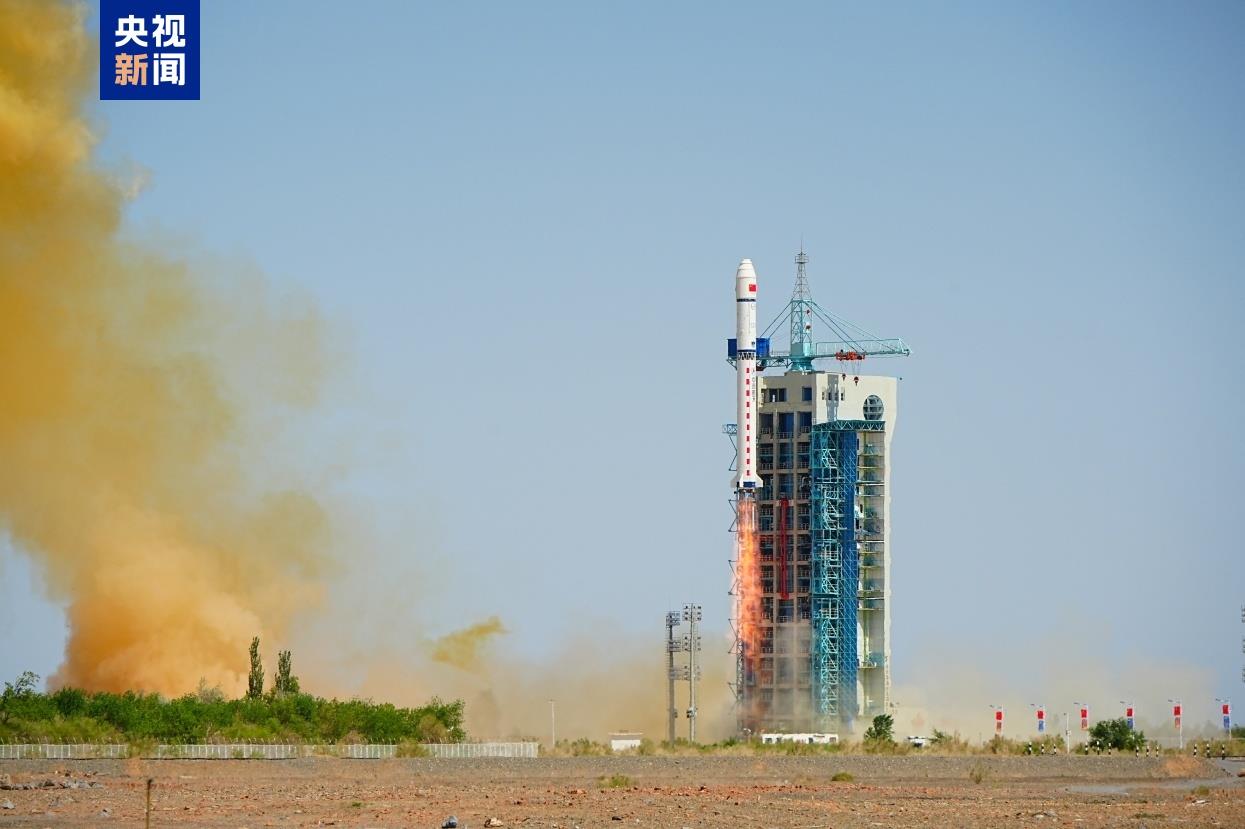
Group 1: Earth Physics Satellite Launch - The first Earth physics field detection satellite, "Zhangheng-1" No. 02, was successfully launched using the Long March 2D rocket from the Jiuquan Satellite Launch Center [1][3] - This satellite is a significant achievement in the construction of detection capabilities in the field of Earth physics, enhancing China's "sky-space-ground" monitoring capabilities for major natural disasters [3][5] - It carries nine scientific detection devices, including an electric field detector, for real-time monitoring of global electromagnetic fields, electromagnetic waves, ionosphere, and neutral atmosphere parameters [5] Group 2: Invasive Brain-Computer Interface Clinical Trial - China has successfully conducted its first prospective clinical trial of an invasive brain-computer interface, in collaboration with the Fudan University Huashan Hospital and related enterprises [5][7] - This achievement positions China as the second country globally to enter the clinical trial phase for invasive brain-computer interface technology [7] - The system aims to improve the quality of life for patients with spinal cord injuries and amputations through motor function replacement technology [7] Group 3: Yellow River Railway Steel Arch Bridge - The first railway steel arch bridge crossing the Yellow River, the Qinhai Jianza Yellow River Super Bridge, has entered the main bridge closure phase [7][10] - The completed suspension tower weighs 1,800 tons, with a maximum cable force of 1,161 tons [10][12] - The bridge is expected to achieve closure by August 2023 [10] Group 4: Yttrium-90 Production Breakthrough - China has successfully mastered the commercial production technology of Yttrium-90, with the first batch of Yttrium-90 glass microspheres produced and passing relevant tests [12][14] - The Qinshan Nuclear Power Base's commercial heavy water reactor has unique advantages for Yttrium-90 production [14] - Yttrium-90 glass microspheres are radioactive isotopes used for precise treatment of liver tumors through vascular intervention [12][14]