
Smart watches

Search documents
广州:春节期间市场供给量足价稳,传统花街还将走进北京
Nan Fang Du Shi Bao· 2026-02-04 10:45
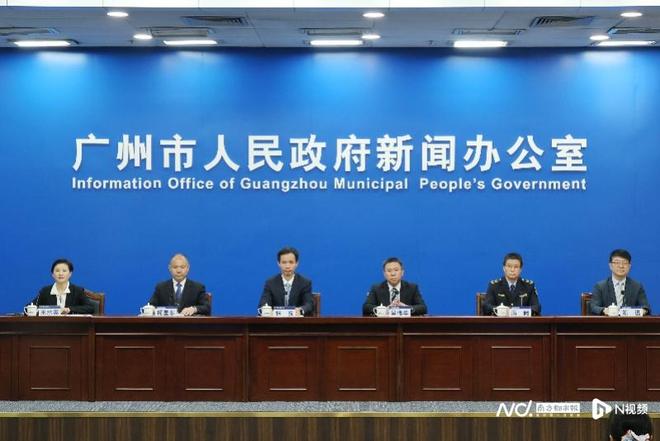
Group 1 - Guangzhou is promoting consumption during the Spring Festival with initiatives such as a trade-in program for consumer goods and a Guangdong quality product purchase campaign, covering 18 product categories with a maximum subsidy rate of 15% and distributing 50 million yuan in dining vouchers [1][5][6] - The city aims to ensure a stable supply of essential goods and maintain price stability, with over 1,000 supermarkets and 500 wholesale markets prepared to meet demand during the holiday [3][6] - The traditional flower street event will be held in Beijing from March 3 to 10, showcasing Guangzhou's floral industry and cultural heritage [6][8] Group 2 - The "Flower Street" event in Beijing will feature a recreation of Guangzhou's flower market, integrating traditional customs with modern interactive experiences, including local cuisine and technology demonstrations [8][9] - The initiative is seen as a cultural output and a way to expand the market for Guangzhou's products, allowing residents in Beijing to experience authentic Cantonese traditions [9]

创新高、九连涨!
Xin Lang Cai Jing· 2026-01-14 23:47
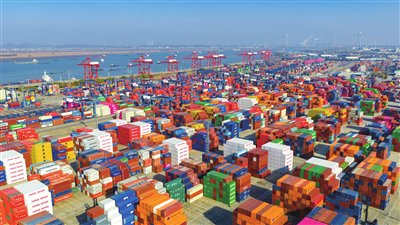
Core Viewpoint - In 2025, China's total goods trade import and export value reached a historic high of 45.47 trillion yuan, marking a year-on-year growth of 3.8%, solidifying its position as the world's largest goods trading nation [3][4]. Group 1: Export Performance - In 2025, China's exports reached 26.99 trillion yuan, growing by 6.1% year-on-year, with high-tech products and "new three categories" products seeing increases of 13.2% and 27.1% respectively [3]. - Exports of self-owned brand products rose by 12.9%, with smart watches and smart toys being popular in over 170 countries and regions [3]. Group 2: Import Performance - China's imports in 2025 totaled 18.48 trillion yuan, reflecting a year-on-year increase of 0.5%, maintaining its status as the world's second-largest import market for 17 consecutive years [4]. - Since June of the previous year, imports have shown a continuous year-on-year growth for seven months [4]. Group 3: Trade Dynamics - Over 780,000 entities recorded import and export activities in 2025, with private enterprises contributing significantly, achieving a 7.1% growth in trade and accounting for 57.3% of total trade value [5]. - The number of countries and regions trading with China reached 249, with notable increases in trade scale with 14 exceeding one trillion yuan, 62 exceeding one hundred billion yuan, and 137 exceeding ten billion yuan [5]. Group 4: Regional Contributions - Seven provinces and cities, including Guangdong, Jiangsu, and Zhejiang, contributed over half of China's foreign trade growth, with the Yangtze River Delta region exporting over half of the total value of similar products [5]. - The Guangdong-Hong Kong-Macao Greater Bay Area's foreign trade scale surpassed 9 trillion yuan [5]. Group 5: Historical Context - The "14th Five-Year Plan" period saw China's cumulative import and export scale exceed 200 trillion yuan, with an average annual growth rate of 7.1%, maintaining around 10% of the global import market share and over 14% of the export market share [6].
重庆新一轮消费品以旧换新补贴开启
Xin Lang Cai Jing· 2026-01-04 16:56
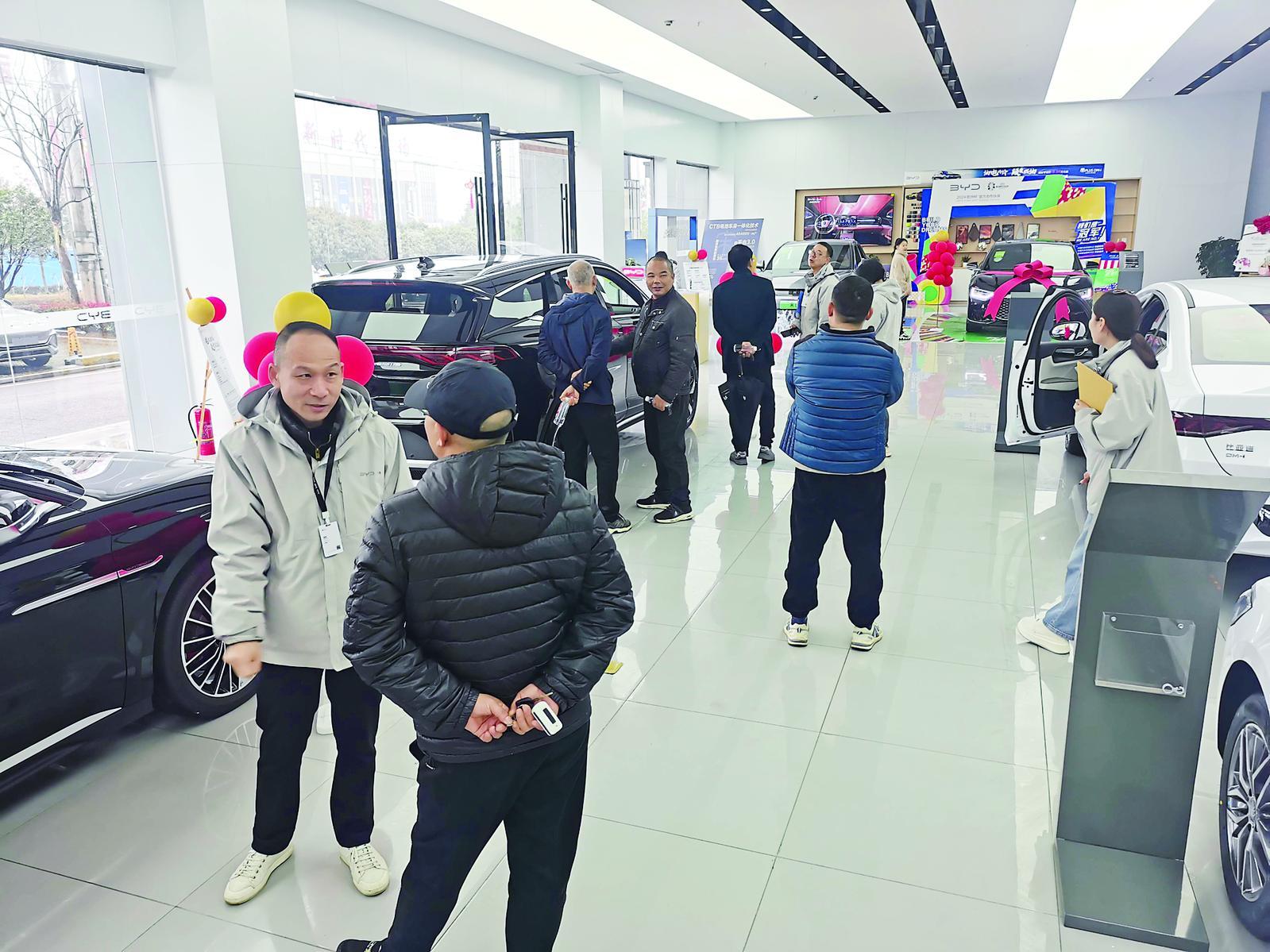
Group 1 - The Chongqing government will launch a comprehensive subsidy policy for vehicle scrapping and replacement, as well as for home appliances and digital products starting January 1, 2026 [2] - The first batch of subsidies for 2026 includes 210 million yuan for vehicle scrapping, 555 million yuan for vehicle replacement, 450 million yuan for home appliances, and 301 million yuan for digital and smart products [2] Group 2 - Consumers can receive a one-time subsidy of up to 20,000 yuan for scrapping eligible gasoline and diesel vehicles registered before specific dates and purchasing qualifying new energy or low-displacement fuel vehicles [3] - The subsidy for scrapping eligible fuel vehicles and purchasing new energy vehicles is set at 12% of the new vehicle sales price, while the subsidy for low-displacement fuel vehicles is 10%, with maximum amounts of 20,000 yuan and 15,000 yuan respectively [3][4] Group 3 - For vehicle replacement, consumers can receive a one-time subsidy of up to 15,000 yuan for purchasing qualifying new energy vehicles and up to 13,000 yuan for low-displacement fuel vehicles [5] - The subsidy for new energy vehicles is 8% of the new vehicle sales price, while for low-displacement fuel vehicles, it is 6% [5] Group 4 - Consumers can receive a 15% subsidy on the sales price of energy-efficient home appliances, with a maximum of 1,500 yuan per item, and can claim one subsidy per category [6] - For digital products like smartphones and tablets, a 15% subsidy is also available, capped at 500 yuan per item, with a limit of one subsidy per category [6] Group 5 - The subsidy policy will be effective from January 1, 2026, to December 31, 2026, and will operate on a "total amount control, balanced use, and first-come, first-served" basis [6]
国补新政来袭!这些变化影响你买单→
Xin Lang Cai Jing· 2026-01-02 04:04
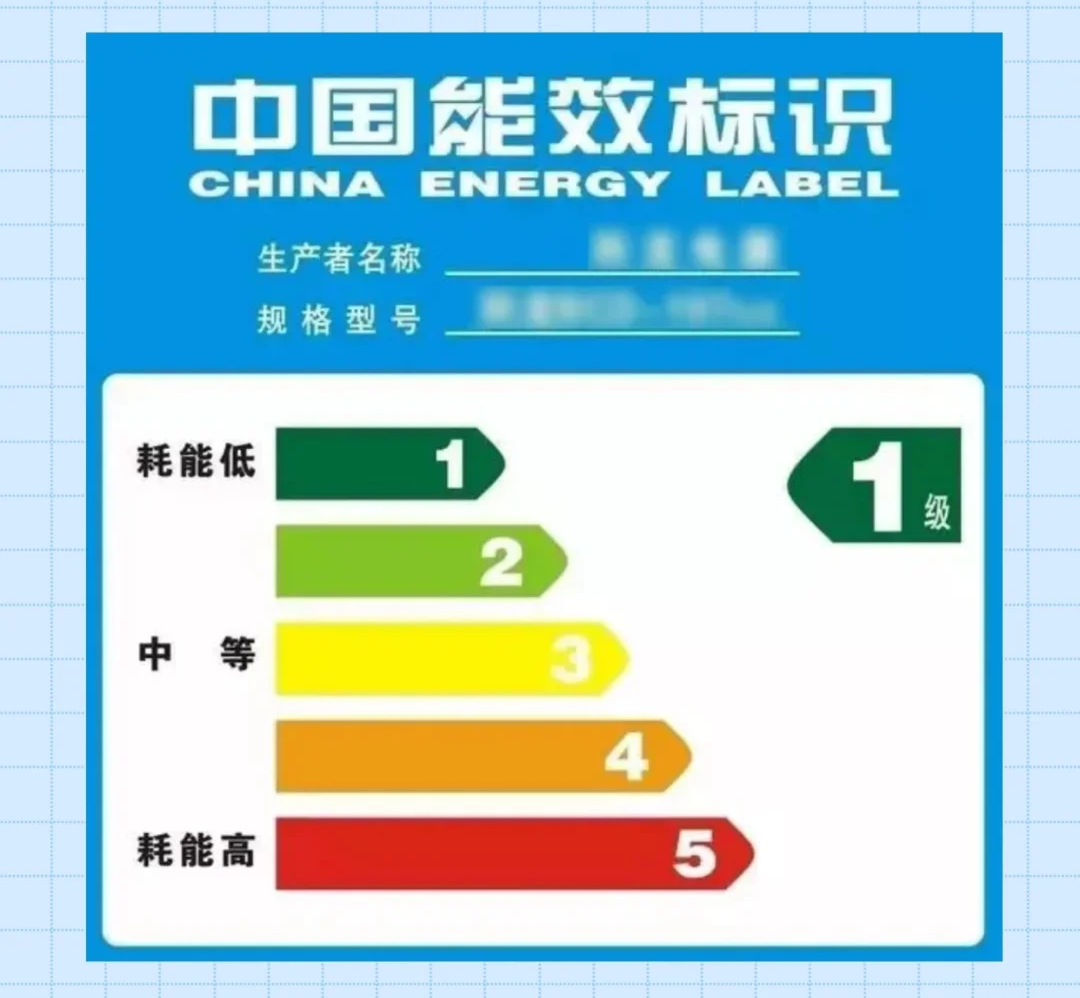
Core Viewpoint - The new round of "National Subsidy" has officially begun, with a total of 625 billion yuan allocated for 2026, focusing on consumer goods replacement and increased support for equipment updates [1]. Group 1: Digital and Smart Products - Digital and smart products will continue to receive a 15% subsidy, with a maximum of 500 yuan per item, maintaining the same standards as in 2025. The product categories have been expanded to include smart glasses alongside existing items like smartphones and smart home products [1][2]. Group 2: Home Appliances - Subsidies for home appliances will focus solely on products that meet 1st-level energy efficiency or water efficiency standards. Categories eligible for subsidies include refrigerators, washing machines, televisions, air conditioners, computers, and water heaters, with a maximum subsidy of 1500 yuan per item [3][5]. Group 3: Automotive Subsidies - The automotive subsidy program has been adjusted to provide a fixed percentage of the new car sales price as a subsidy, with a maximum of 20,000 yuan for eligible vehicles. The criteria for old vehicle registration dates have been clarified to expand the support range [5][6][7]. Group 4: Equipment Updates - The support for equipment updates will generally continue the scope established in 2025, with additional focus on areas such as old community elevator installations, equipment updates for elderly care institutions, and safety equipment [8][12]. Group 5: Application Process - Consumers can apply for subsidies through designated platforms for different product categories, including automotive and home appliances, ensuring a streamlined process for accessing the benefits [10][13]. Group 6: Fraud Prevention - The implementation of the 2026 "National Subsidy" policy will include measures to combat fraud and ensure that the subsidy benefits reach a broad consumer base, enhancing the effectiveness of the program [15].
高盛:中国的三件事
中国饭店协会酒店&蓝豆云· 2025-07-01 00:40
Investment Rating - The report does not explicitly provide an investment rating for the industry Core Insights - Manufacturing PMI in China softened from 50.3 in November to 50.1 in December, while non-manufacturing PMI increased significantly from 50.0 to 52.2, indicating a positive trend in the services and construction sectors [1][2] - Property sales in top-tier cities have shown notable increases, with new home sales up nearly 40% year-over-year and existing home sales rising more than 50% year-over-year, suggesting a stabilization in the property market led by these cities [3][7] - The report highlights a significant inventory overhang in lower-tier cities, indicating that national property prices may have further room to decline, and homebuilding activity is expected to remain depressed for an extended period [3] Summary by Sections Manufacturing Sector - The official NBS manufacturing PMI decreased slightly, indicating a softening in manufacturing activity, while the non-manufacturing PMI showed improvement, particularly in construction and services [1][2] Property Market - High-frequency tracking indicates that property sales in major cities are significantly higher than the previous year, with a 40% increase in new home sales and over 50% in existing home sales [3][7] - The report suggests that the recovery in the property market is primarily driven by top-tier cities, while lower-tier cities continue to face challenges due to excess inventory [3] Policy Developments - Recent policy announcements indicate a commitment to accelerate credit extension and potential cuts to the reserve requirement ratio (RRR) and policy rates in early 2025, reflecting a proactive approach to economic management [8]