VAR 3D数字人可视化方案

Search documents
中国足球热潮如何扣动万亿产业链的扳机?
Ge Long Hui· 2026-01-23 01:30
Group 1: Market Reaction and Investment Opportunities - The Chinese U23 men's football team achieved a historic victory, defeating Vietnam 3-0, which triggered a surge in "football concept stocks" in the capital market, including companies like Tsinghua Tongfang and Inpai [1] - The victory is seen as a catalyst for a valuation recovery in the football industry, signaling a potential market shift as the 2026 World Cup approaches, which is expected to be a "football year" with significant economic implications [1][2] - The unexpected rise of the U23 team is accelerating interest in the football market, with amateur player numbers nearly doubling to 980,000 in 2025, indicating a growing commercial demand [2] Group 2: Industry Growth and Projections - China's sports event market is projected to reach nearly 40 billion yuan by 2025, while the broader outdoor sports industry is expected to exceed 3 trillion yuan [3] - The demand for artificial turf in football fields is anticipated to grow significantly, with over 54% of future demand coming from renovations rather than new constructions [4] - The Chinese sports apparel market is expected to reach $27 billion by 2026, driven by companies like Anta and Li Ning, which are focusing on youth leagues and national team sponsorships [4] Group 3: Technological Integration and AI in Football - The upcoming 2026 World Cup presents a complex challenge for event services, with an increase in teams and matches, necessitating advanced technology for logistics and audience engagement [6] - Lenovo, as a technology partner for the World Cup, is leveraging AI to enhance various aspects of the event, including tactical analysis and real-time officiating support [6][7] - The global sports market for AI is projected to grow from $1.2 billion in 2024 to $4.7 billion by 2034, indicating a significant opportunity for tech companies in the sports sector [7] Group 4: Policy Support and Long-term Outlook - The Chinese government's "14th Five-Year Plan" emphasizes the role of the sports industry in boosting domestic demand and economic resilience, with a target of over 70,000 football fields by 2025 [8] - The development of a grassroots competition system is underway, with urban leagues being established across 16 provinces, fostering a non-commercial growth model that supports the entire industry chain [8] - Analysts caution that while the football industry shows promise, the path to monetization remains complex, with future growth likely stemming from the integration of sports and technology [9]






历史首次!AI世界杯要来了
第一财经· 2026-01-10 02:53
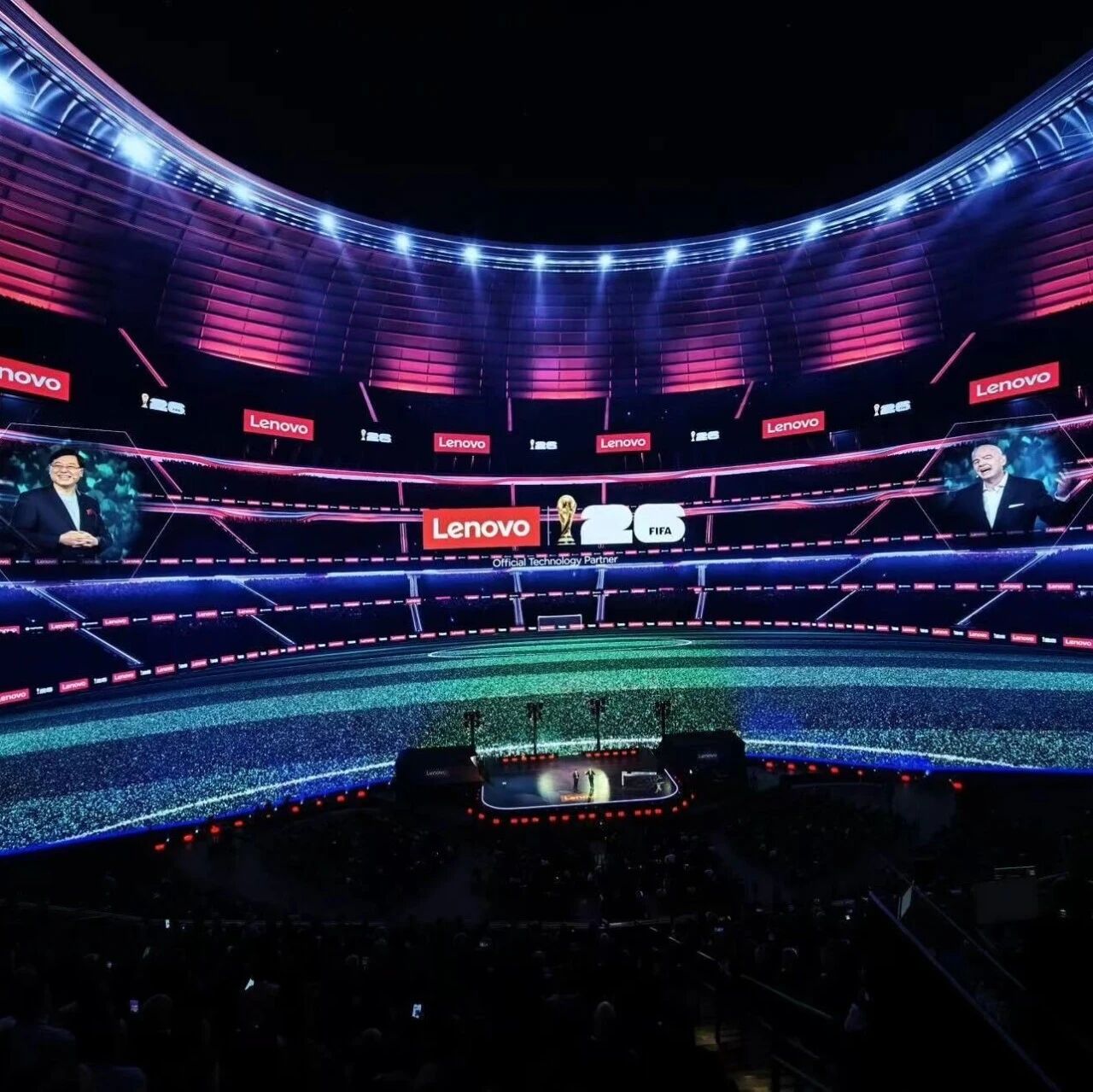
Core Viewpoint - The article discusses the integration of AI technology into the FIFA World Cup, emphasizing the need to engage younger audiences and enhance the overall experience of the event [3][4]. Group 1: AI Integration in FIFA World Cup - FIFA is cautiously embracing AI technology, marking a significant shift as AI enters the operational layer of the World Cup for the first time [7][8]. - The 2026 World Cup will feature a collaboration with Lenovo, which has established a large technical team at FIFA to develop AI solutions [3][4]. - The event is expected to attract over 6 billion viewers, with the final match alone drawing 2 billion spectators, making it a critical testing ground for AI applications [8]. Group 2: AI Applications and Innovations - The AI Super Agent will provide customized insights by analyzing historical data and tactical information, benefiting teams, coaches, and players [10]. - AI will enhance the fairness of officiating through the VAR 3D visualization system, which accurately represents player positions during critical decisions [11]. - A smart operational system will manage logistics and communications across 48 teams and 16 venues, improving efficiency and real-time decision-making [11]. Group 3: Limitations and Ethical Considerations - FIFA is cautious about the extent of AI's role, ensuring that it does not replace the human elements of the game, such as the authenticity of player interactions and decisions [15][17]. - Generative AI capabilities were rejected for use in the World Cup to maintain the integrity and realism of the event [17][18]. - The traditional broadcasting system will remain in place, as it has been validated by the global market, indicating a preference for established methods over new technological interventions [18]. Group 4: Broader Implications - The AI World Cup is seen as a potential model for how AI can be responsibly integrated into various sports events, showcasing its ability to take on system-level responsibilities [19]. - Lenovo's involvement in the World Cup aims to enhance its market influence and brand recognition in the global AI industry [19][20].

AI“踢”进世界杯:一场技术重塑足球的“零容错”实验
Di Yi Cai Jing· 2026-01-09 06:45
Core Insights - The FIFA World Cup is embracing AI technology to engage younger audiences and enhance the viewing experience, marking a significant shift in how the tournament operates [1][2][4] - The introduction of AI is seen as a critical experiment for FIFA, as it integrates into the operational framework of the tournament, influencing decision-making and processes under high-pressure conditions [4][12] Group 1: AI Integration in the World Cup - The 2026 FIFA World Cup will be the first to fully integrate AI into its operational system, impacting decision-making and processes [4][12] - FIFA is cautious about technology adoption, emphasizing that while technology is important, it must not fail during the tournament [4][12] - The tournament is expected to attract over 6 billion viewers, with the final match anticipated to draw 2 billion viewers, making it a significant testing ground for AI applications [4][5] Group 2: AI Applications and Innovations - The AI Super Agent will analyze historical data and tactical information, providing customized insights for teams, coaches, and players [7][9] - The VAR 3D visualization system will create accurate 3D representations of player positions during key decisions, enhancing the understanding of officiating [8][9] - An AI referee perspective video enhancement system will allow viewers to see the game from the referee's viewpoint, improving transparency in officiating [9][12] Group 3: Operational Efficiency and Logistics - Lenovo and FIFA are developing an intelligent operational system to manage logistics, communication, and equipment allocation across 48 teams and 16 venues [9][12] - AI will streamline traditionally manual processes, allowing for real-time monitoring and dynamic decision-making during the tournament [9][12] Group 4: Ethical Considerations and Limitations - FIFA is committed to preserving the authenticity of the game, rejecting proposals for generative AI that could misrepresent the match experience [11][13] - AI is viewed as a tool to enhance human judgment rather than replace it, particularly in contentious areas like officiating [13][14] - The traditional broadcasting system will remain in place, as it is a well-established framework that cannot be easily replaced by new technology [14][15] Group 5: Broader Implications for AI in Sports - The AI World Cup is expected to serve as a model for how AI can be responsibly integrated into various sports events, demonstrating its potential for system-level responsibilities [15][16] - Lenovo aims to leverage its involvement in the World Cup to enhance its market influence and brand recognition in the global AI industry [15][16]