Walker E

Search documents
中国人形机器人登陆日本
36氪· 2025-12-19 13:19
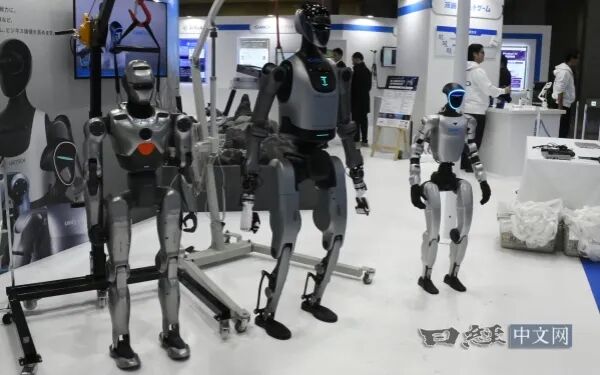
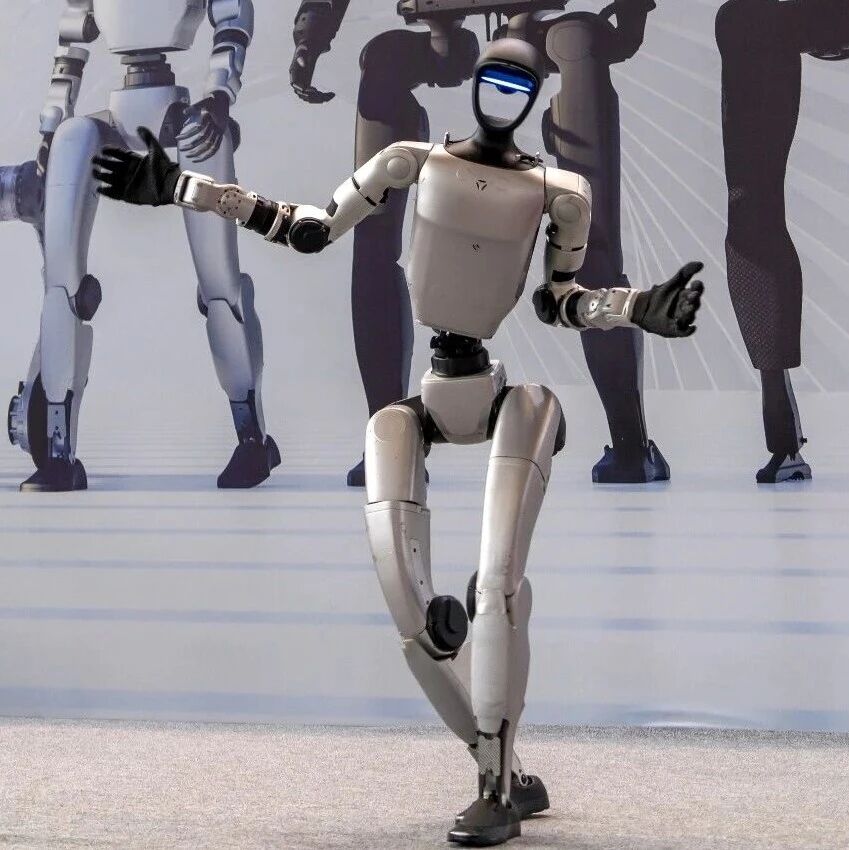
Core Viewpoint - The Japanese robotics industry, once a leader, is experiencing significant shifts as Chinese and American companies take the lead in humanoid robot development, with a new focus on integrating AI into robotics [4][5][13]. Group 1: Market Dynamics - The humanoid robot market is projected to reach $5 trillion by 2050, with over 1 billion humanoid robots expected to be in operation globally [9]. - Chinese companies are advancing rapidly in humanoid robot development, supported by national strategies and a focus on domestic component production [13]. - The presence of Japanese companies in the humanoid robot sector is currently weak, with few products showcased at recent exhibitions compared to industrial robots [14]. Group 2: Technological Advancements - AI is driving the redefinition of robots as the "body" of AI, enhancing their compatibility with existing social infrastructures and making them valuable as labor force supplements [9]. - The G1 humanoid robot developed by Chinese company Yushu Technology showcases advanced capabilities, such as serving food and performing dance moves, indicating the high performance of Chinese robotics [7][10]. Group 3: Competitive Landscape - Major players in the humanoid robot market include Chinese companies like Yushu Technology, UBTECH, and Zhongqing Robotics, as well as American firms like Agility Robotics and Tesla [14]. - Japanese companies, such as Kawasaki Heavy Industries, are noted for their industrial robots but lack a strong presence in humanoid robotics, highlighting a need for strategic focus on domestic challenges like elder care [14][15]. Group 4: Future Applications - The application potential for humanoid robots extends beyond manufacturing and logistics to include hazardous disaster sites and service scenarios requiring human interaction [15]. - To regain prominence in the global robotics landscape, Japan must leverage its unique strengths and integrate them into a coherent strategy [15].

中国人形机器人登陆日本
3 6 Ke· 2025-12-16 04:50
Group 1 - Japan's humanoid robot industry is experiencing significant changes, with Chinese and American companies leading in development, while Japan's presence is currently weak [2][11][12] - The market for humanoid robots is projected to reach $5 trillion by 2050, with over 1 billion humanoid robots expected to be in operation globally [8][11] - The introduction of humanoid robots at the 2025 International Robot Exhibition, including models like the G1 from Chinese company Yushu Technology, highlights the growing competition [4][6] Group 2 - Japanese companies, such as GMO Internet Group, are actively seeking to introduce humanoid robots, but currently, only Chinese products are available for mass production and sale [7][12] - The development of humanoid robots is being driven by advancements in artificial intelligence, which are redefining robots as the "body" of AI [8][11] - Japan is advised to focus on its strengths, such as addressing domestic needs in elder care, rather than directly competing with China and the U.S. in humanoid robot development [12]