
X5 Pro集成灶

Search documents
集成灶上市企业2024年报全解析:至暗时刻,破局之路何在?
Sou Hu Cai Jing· 2025-04-28 09:53
Core Insights - The integrated stove industry is experiencing a significant downturn, with all four listed companies reporting declines in both revenue and net profit for 2024, indicating a critical need for transformation and survival strategies [1][5]. Financial Data Overview: Industry in "Frozen Period" - The financial performance of the four companies has deteriorated, with an average revenue decline exceeding 40% and an average net profit drop of over 80% [6][9]. - Mars has reported a revenue of 13.76 billion, Zhejiang Meida at 8.77 billion, Yitian Intelligent at 7.03 billion, and Shuaifeng Electric at 4.29 billion [6]. - Mars' net profit has plummeted to approximately 4.5% of its peak in 2021, while Zhejiang Meida's revenue has decreased by over 60% compared to 2021 [6][9]. - The average gross margin has fallen from over 50% in 2021 to 41.6% in 2024, with net profit margins dropping from over 15% to 7.8% [9]. Industry Challenges: Five Structural Contradictions Emerge - The decline in the integrated stove industry is attributed to multiple long-term contradictions, including reliance on the real estate market, which has entered a downturn, impacting demand [13][14]. - The industry is facing a consumption downgrade, with a significant increase in the market share of products priced below 10,000 yuan, leading to price wars that erode profitability [15]. - Companies are struggling with a lack of product diversity, with integrated stoves contributing over 90% of their revenue, limiting growth opportunities [17]. - Slow technological iteration and increased product homogeneity are exacerbating competition, as companies reduce R&D spending [18][21]. - Limited benefits from national subsidies for replacing old products have not significantly boosted sales, particularly in lower-tier cities [23]. Paths to Recovery: Five Strategic Directions - Companies are exploring multi-category strategies to enhance kitchen ecosystem offerings, integrating integrated stoves into broader kitchen appliance systems [24][27]. - Channel transformation is underway, with companies seeking to tap into existing markets through strategic partnerships and community service initiatives [28][31]. - The industry is looking towards international markets for growth opportunities, with some companies expanding their export businesses [32]. - New growth avenues are being pursued, such as AI and kitchen technology, with companies like Yitian exploring new business models [33][35]. - The overall sentiment indicates that the industry is at a critical juncture, requiring immediate action to stabilize cash flow and innovate product offerings to regain market confidence [37].



火星人(300894) - 300894火星人投资者关系管理信息20250326
2025-03-26 09:58
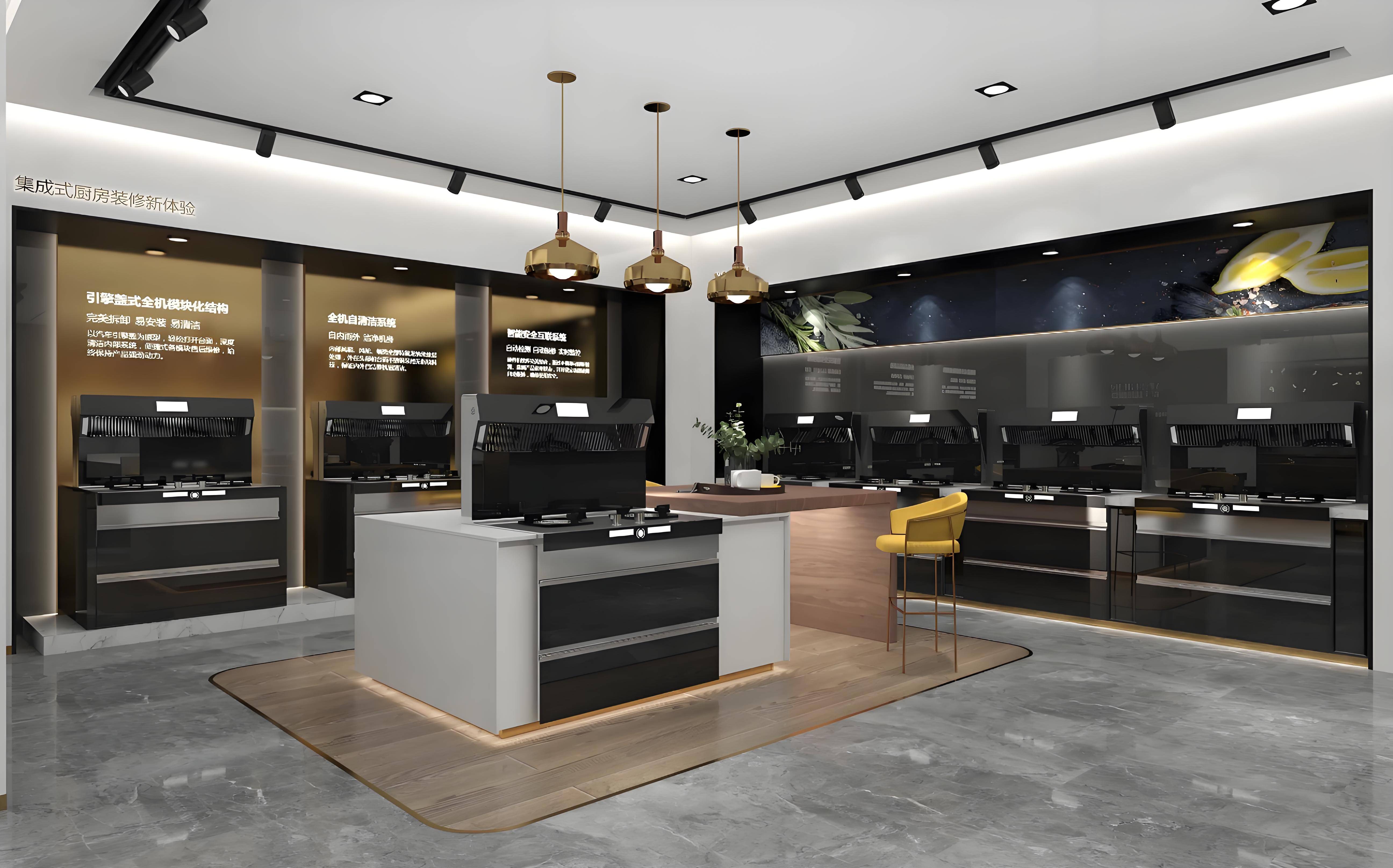
Group 1: Product Development and Innovation - The company has a leading product R&D system and team, continuously launching benchmark products through technological iterations, enhancing industry performance standards [2][3] - The newly upgraded X5 Pro integrated stove features the proprietary "Galaxy Platform" technology, offering four-in-one functions and achieving a suction power of 25m³/min and static pressure of 1200Pa, significantly improving oil fume handling efficiency [2][3] - The Q60 steam and bake integrated stove, introduced at the 2025 AWE, utilizes biomimetic whale suction technology, achieving a cruising air volume of 29m³/min and a low noise level of 47 decibels, enhancing user experience [3] Group 2: Market Trends and Strategic Positioning - The integrated stove market is transitioning from scale expansion to high-quality development, driven by technological advancements and evolving consumer demands [4] - The company emphasizes a long-term strategy to address short-term challenges posed by real estate cycles and changing consumer needs, maintaining its leading position in the integrated kitchen appliance industry [4] - Future kitchens will focus on smart, humanized, and health-oriented designs, evolving from single-function spaces to family social centers, with the company aiming to leverage technological innovation to meet these demands [4] Group 3: Investment and Risk Management - The company has invested RMB 198 million in a private equity fund to explore projects aligned with its strategic development, enhancing its business layout and competitive edge [6] - The fund has invested in three projects, including Beijing Xingdong Jiyuan Technology Co., but the company holds a minority stake and views these as financial investments [6] - Investment risks include long recovery periods and potential underperformance due to macroeconomic factors, necessitating close monitoring of fund management and project performance [6]