Yeezy(椰子鞋)

Search documents
阿迪达斯中国市占率位居老四
2 1 Shi Ji Jing Ji Bao Dao· 2025-10-25 15:15
Core Viewpoint - Adidas has become the "old fourth" in the Chinese market, trailing behind Nike, Anta, and Li Ning, and is now in a clear expansion phase in China [1][2]. Group 1: Market Position and Challenges - Adidas's decline in market share is attributed to the fallout from the Yeezy partnership with Kanye West, which accounted for 8% of total revenue and 40% of profits before the partnership ended in October 2022 [2][3]. - The company's market share in China dropped from 15% in 2021 to 8.7% in 2024, while Nike's share decreased from 18.1% to 16.2% [3]. - Domestic brands are rising, with Anta's market share increasing from 9.8% to 10.5% and Li Ning's from 9.3% to 9.4% during the same period [4]. Group 2: Strategic Changes - Adidas is shifting its strategy in China, with 95% of products sold in the market being "made in China" and a focus on original designs [5]. - The influence of the Chinese team within Adidas is increasing, and the CEO has made multiple visits to China to strengthen relationships [6]. Group 3: Financial Performance - In Q2 2023, Adidas's revenue in Greater China grew by 11% to €798 million (approximately ¥6.65 billion), contrasting with Nike's 10% decline in the same region [8]. - Despite the growth, Nike's sales base is significantly larger, making direct comparisons challenging [8]. Group 4: Future Outlook - The path to a successful turnaround for Adidas in China is fraught with challenges, including competition from domestic brands and ongoing market fluctuations [9][10].

阿迪达斯中国市占率位居老四
21世纪经济报道· 2025-10-25 15:07
Core Viewpoint - Adidas has become the "old fourth" in the Chinese market, trailing behind Nike, Anta, and Li Ning, and is currently in a phase of clear expansion in China [1][2]. Group 1: Market Position and Challenges - Adidas's decline in market share is significantly attributed to the fallout from the Yeezy partnership with Kanye West, which accounted for 8% of total revenue and 40% of profits before the partnership ended in October 2022 [1]. - The company's market share in China dropped from 15% in 2021 to 8.7% in 2024, while Nike's share decreased from 18.1% to 16.2% during the same period [1][2]. - Domestic brands have risen, with Anta's market share increasing from 9.8% to 10.5% and Li Ning's from 9.3% to 9.4% [2]. Group 2: Strategic Changes - Adidas is adapting its strategy in China, with 95% of products sold in the market being "made in China" and a focus on original designs [2]. - The CEO of Adidas, Bjørn Gulden, has made multiple visits to China to strengthen relationships, contrasting with Nike's more subdued approach [2][3]. Group 3: Financial Performance - In Q2 2023, Adidas's revenue in Greater China grew by 11% year-on-year to €798 million (approximately ¥6.65 billion), while Nike's revenue in the same region fell by 10% to $1.512 billion (approximately ¥10.78 billion) [4]. - Despite the growth, the comparison of growth rates is complicated due to Nike's larger sales base [4]. Group 4: Future Prospects - The path for Adidas to reclaim its position in the market is challenging, with Nike also empowering its local team and domestic brands like Anta thriving [5]. - The overall market is volatile, with companies like Peak facing significant losses and implementing salary cuts of up to 50% [5].


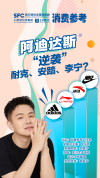
阿迪达斯,“逆袭”耐克、安踏、李宁?丨消费参考+
2 1 Shi Ji Jing Ji Bao Dao· 2025-10-25 09:24
Core Viewpoint - Adidas has become the "old fourth" in the Chinese market, ranking behind Nike, Anta, and Li Ning in market share after years of struggle [1][5]. Group 1: Market Position and Challenges - Adidas's market share in China has significantly declined from 15% in 2021 to 8.7% in 2024, while Nike's share decreased from 18.1% to 16.2% [5]. - The Yeezy controversy, resulting from the termination of the partnership with Kanye West, has been a major factor affecting Adidas's revenue, with estimates indicating that 8% of total revenue and 40% of profits were derived from Yeezy products before the partnership ended [3][5]. - Domestic brands have gained traction, with Anta's market share increasing from 9.8% in 2021 to 10.5% and Li Ning's from 9.3% to 9.4% [7]. Group 2: Strategic Changes and Recovery Efforts - Adidas is in a clear expansion phase in China, with 95% of products sold in the market being "made in China" and a focus on original designs [8]. - The company's CEO, Bjørn Gulden, has been actively engaging with Chinese stakeholders, visiting China multiple times to strengthen relationships [9][11]. - In Q2 2023, Adidas's revenue in the Greater China region grew by 11% year-on-year to €798 million (approximately ¥6.65 billion), contrasting with Nike's revenue decline of 10% to $1.512 billion (approximately ¥10.78 billion) [14][15]. Group 3: Competitive Landscape - Nike is also empowering its Chinese team, with its Greater China CEO holding additional global responsibilities, indicating a competitive response to Adidas's strategies [18]. - Domestic competitors like Anta are thriving, while some brands like Peak are facing challenges, including significant salary cuts due to losses [19].