vivo X系列

Search documents
全球每三台手机就有一台广东造 广货“粤来粤强”驶入快车道
Nan Fang Du Shi Bao· 2026-01-19 13:52
Core Viewpoint - The Guangdong smartphone industry is experiencing significant growth and transformation, establishing itself as a global leader in smartphone manufacturing and innovation, with local brands gaining substantial market share both domestically and internationally [1][2][11]. Group 1: Industry Overview - Guangdong is the most important cluster for the smartphone industry in China, leading in scale, production, and export, with a projected revenue of 1.9618 trillion yuan in 2024, accounting for 38.7% of the province's new generation electronic information industry revenue [2]. - In 2024, Guangdong's smartphone production reached 683 million units, representing 40.9% of the national total, while exports amounted to 205 million units, also leading the country [2]. - The smartphone industry in Guangdong has evolved from a manufacturing hub to a global innovation leader, with local brands capturing 38% of the global market share by 2025 [2][12]. Group 2: Brand Performance - Major Guangdong brands like Huawei, OPPO, and vivo dominate both domestic and international markets, with Huawei's global shipment reaching 48.4 million units in 2024, capturing one-third of the high-end market [3]. - OPPO's global shipments reached 104.8 million units in 2024, with its Reno series leading in the $400-$600 price segment [3]. - By 2025, six Guangdong brands are expected to be among the top ten in the global smartphone market, with market shares of 9% for vivo, 8% for Transsion, and 7% for OPPO [2]. Group 3: Global Expansion Strategies - Guangdong smartphone brands are increasingly focusing on international markets, particularly in Southeast Asia and Latin America, leveraging cultural similarities and existing market experiences for efficient penetration [4][5]. - OPPO's gradual global expansion strategy began in Thailand and has since included Indonesia and Vietnam, with plans to enter European markets [5]. - vivo's strategy emphasizes deep localization, establishing a significant retail network in Indonesia and expanding into various regions since 2014 [5]. Group 4: Technological Innovation - Guangdong smartphone companies are at the forefront of technological innovation, with significant investments in R&D, particularly in chip technology and fast charging [11]. - Huawei's self-developed Kirin 9000S chip achieved a 65% self-sufficiency rate in 2024, while OPPO's 125W fast charging technology leads globally in patent numbers [11]. - The rise of AI smartphones, with brands like Huawei and vivo integrating advanced AI capabilities, marks a new era in the industry [12]. Group 5: Manufacturing and Supply Chain - Guangdong's smartphone manufacturing ecosystem is robust, with a high concentration of electronic component manufacturers, accounting for 28% of China's total [7]. - The region's strong supply chain allows for rapid assembly and production, with average production cycles as short as 48 hours in Dongguan [9]. - Major manufacturers like Foxconn and local firms have adopted advanced manufacturing techniques, enhancing efficiency and production capabilities [8][9].

普通人的手机多久换一次合适?
3 6 Ke· 2025-12-24 03:42
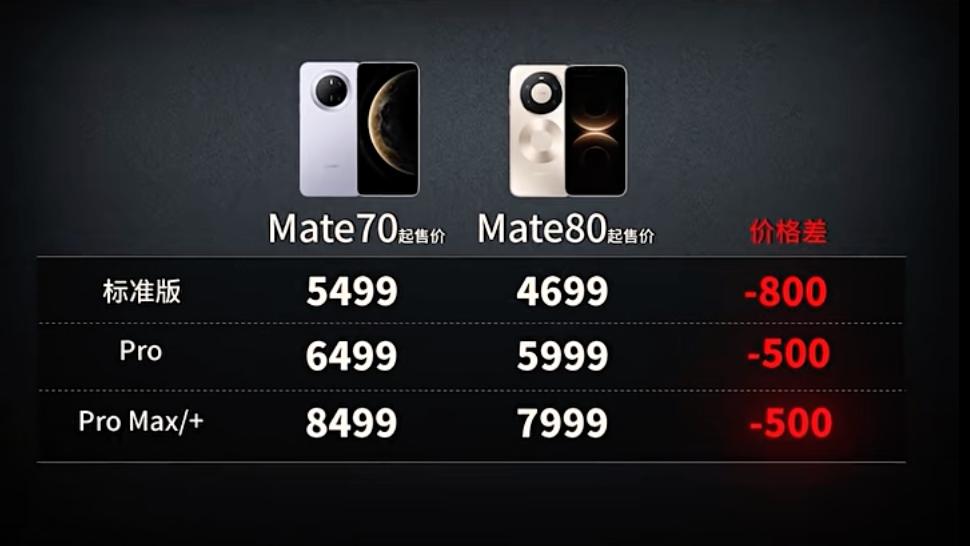
Core Insights - The average smartphone replacement cycle in China is projected to extend to nearly 33 months by 2025, a 40% increase compared to 2020 [3] - The Chinese smartphone market is entering an era characterized by consumers holding onto their devices longer, with many users still utilizing phones purchased 3-4 years ago [2][5] Group 1: Market Trends - The trend of consumers keeping their smartphones longer is leading to a significant decline in the sales of mid-range devices, particularly those priced between 3000-4000 yuan [19][26] - The second-hand smartphone market is experiencing growth, with projections suggesting that the transaction volume could exceed 100 million units in 2025 [22] - The iPhone remains dominant in the second-hand market, raising questions about consumer choices between new mid-range devices and older iPhone models [23] Group 2: Competitive Landscape - Huawei and Apple have begun to focus on cost-performance ratios, with Huawei's Mate 80 series seeing price reductions, and Apple's iPhone 16 Pro also experiencing price drops [7][10] - Xiaomi has innovated with features like a back screen on its flagship models, which has helped it stand out in a crowded market [11][31] - The competition among domestic brands is intensifying, with a shift towards marketing strategies to maintain relevance in the high-end market [13][17] Group 3: Product Development - The flagship models from major brands like Xiaomi, OPPO, and Vivo show minimal changes in core hardware specifications, with the most significant improvement being battery capacity [15] - The design of flagship smartphones is increasingly homogenized, with many models adopting similar aesthetics, particularly straight edges reminiscent of the iPhone [14] - The introduction of the fifth-generation Snapdragon 8 processor for mid-range devices is aimed at maintaining sales, despite the lack of differentiation from flagship models [24][25] Group 4: Future Outlook - The smartphone market is expected to become more chaotic in 2026, with potential price increases for brands unable to compete effectively [28][30] - Companies are exploring diversification beyond smartphones, with Xiaomi venturing into automotive and AI products, while OPPO is developing new camera technologies [32]



vivo产品副总裁黄韬升任公司副总裁,进入管理委员会
Xin Lang Ke Ji· 2025-11-27 03:46
Core Viewpoint - Vivo has announced an internal personnel change, promoting Huang Tao to Vice President and member of the management committee, while maintaining his responsibilities [1] Group 1: Personnel Changes - Huang Tao has been promoted from Product Vice President to Vice President and will report to Cheng Gang, Senior Vice President and President of China Region [1] - Huang Tao joined Vivo in 2006 and has progressed from a grassroots salesperson to the head of product planning [1] - He is recognized as a key decision-maker for Vivo's core product line, the X series [1]
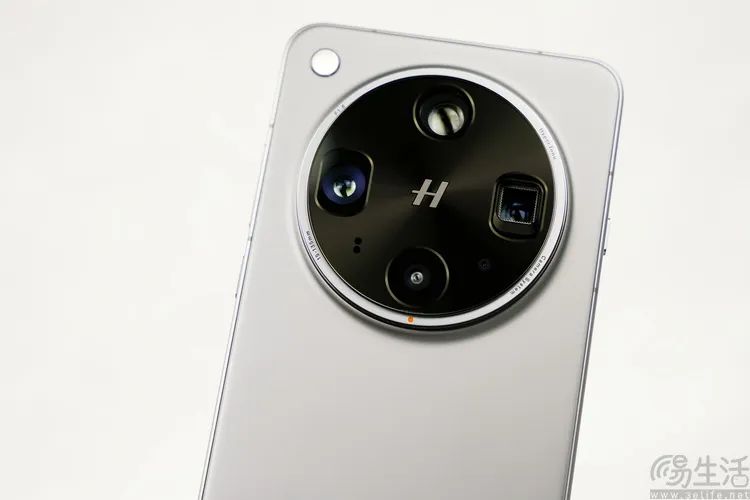
手机厂商与影像品牌的合作,为何会频传“脱钩”
3 6 Ke· 2025-07-07 11:36
Core Viewpoint - Recent rumors about Xiaomi ending its collaboration with Leica have been dismissed by Xiaomi representatives, indicating that such claims are unfounded. This is not the first instance of speculation regarding the termination of partnerships between smartphone manufacturers and imaging brands, as similar rumors have circulated about OnePlus and Hasselblad [1][3]. Group 1: Collaboration Context - The collaboration between smartphone brands and renowned imaging companies typically involves hardware design certification, where imaging firms provide ideas and quality assurance rather than manufacturing lens modules directly [5]. - On the software side, established imaging brands offer significant assistance, including proprietary "color science" that involves complex algorithm adjustments for image processing, which goes beyond simple filter applications [7][9]. - The branding and marketing benefits of partnering with historical imaging brands can provide direct promotional advantages for smartphone manufacturers [9]. Group 2: Sustainability of Collaborations - While some aspects of collaboration, such as brand licensing and proprietary algorithms, are irreplaceable and can evolve, the hardware knowledge transfer from imaging firms may have limited long-term sustainability [12][14]. - As smartphone manufacturers become more self-sufficient, they may find that the initial benefits of collaboration diminish over time, especially as they develop their own technologies and supply chain relationships [17][18]. - The emergence of self-developed imaging technologies by brands like Xiaomi and OPPO suggests a shift towards independence from traditional imaging partnerships, which may not necessarily indicate negative outcomes [26][27].