AI手机

Search documents
摩根士丹利:iPhone 换机创10年新高,瑞声科技(02018.HK)深度受益
Ge Long Hui· 2026-03-25 06:39
Core Insights - Morgan Stanley's "Global Insight 2025 Smartphone Survey" indicates that Apple's supply chain vendors will experience higher demand quality and stable market share growth in the next 1-2 years due to strong upgrade intentions among high-end users and enhanced ecosystem loyalty [1] - A significant 52% of iPhone users in China expressed a strong likelihood of upgrading within the next 12 months, marking a ten-year survey high, while global upgrade rates increased by 5 percentage points to 43% [1] Group 1: Apple Supply Chain Dynamics - Apple is the only brand showing a positive net upgrade trend, highlighting consumer reliance on high-end experiences and ecosystem continuity, which benefits key supply chain vendors [1] - Morgan Stanley has raised its FY26 ASP forecast for iPhones from $963 to $977, driven by higher-spec processors, AI capabilities, and an increased share of Pro/Pro Max models [2] - The high-end configurations require advanced acoustic systems, haptic motors, and thermal management, aligning with the core strengths of AAC Technologies [2] Group 2: AAC Technologies' Positioning - AAC Technologies is identified as a key supplier in the "Asia iPhone Supply Chain" for acoustic, haptic, and thermal management components, with an expected contribution of 25-30% to Apple's business by 2026 [2] - The company is rated as "Overweight" due to its deep integration into Apple's supply chain and its technological advancements in AI hardware components [2] - The demand for acoustic upgrades, enhanced haptic feedback, and improved thermal management due to increased AI processing loads positions AAC Technologies as a direct beneficiary of the high-end upgrade wave [2]

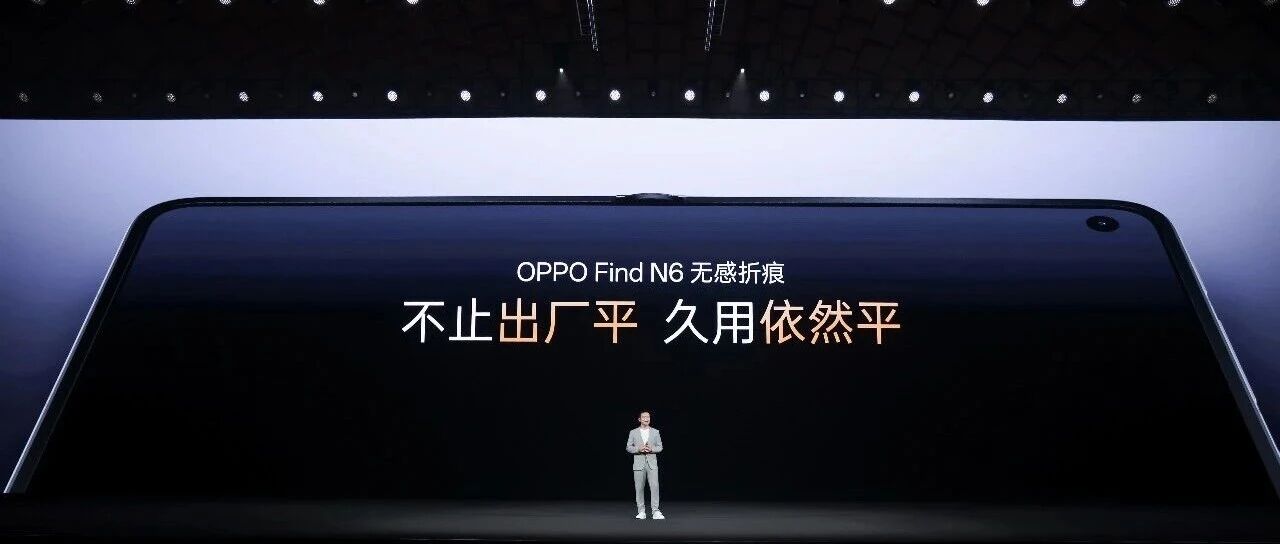
折痕焦虑,被OPPO搞没了
虎嗅APP· 2026-03-18 10:57
Core Viewpoint - The article discusses the evolution of foldable smartphones, highlighting OPPO's breakthrough in eliminating the crease issue that has plagued the industry for years, positioning it as a leader in foldable technology [2][5][10]. Group 1: Historical Context and Industry Dynamics - Samsung launched the first foldable smartphone, Galaxy Fold, in 2019, which disrupted the saturated smartphone market [2]. - Despite the innovation, Apple has been hesitant to enter the foldable market due to its perfectionist approach, particularly concerning the unresolved crease issue [2][5]. - Over seven years, the crease problem remained a significant challenge for all manufacturers, including Apple and Samsung [2]. Group 2: OPPO's Technological Advancements - In March 2026, OPPO released the Find N6, claiming to have created the "flattest foldable phone in the world," effectively solving the long-standing crease problem [2][5]. - OPPO's success is attributed to a collaborative effort with a global high-tech supply chain, showcasing the importance of supply chain synergy in overcoming technical challenges [5][12]. - The company has accumulated over 3,500 technology patents related to foldable screens, ranking among the top three globally [10]. Group 3: Supply Chain Collaboration - OPPO's approach involved forming the "Tianqiong Partners" alliance, which includes various technology and research institutions, to tackle the fundamental challenges of foldable screens [13]. - The alliance focuses on improving the flatness of support structures and addressing the creep characteristics of screen materials [13]. - OPPO's strategy emphasizes the role of manufacturers as "general engineers," coordinating the entire supply chain to achieve breakthroughs in foldable technology [6][12]. Group 4: Impact on AI and User Experience - The elimination of the crease allows for enhanced interaction capabilities, making foldable smartphones more suitable for AI applications [15][19]. - The smooth screen experience enables precise interactions, crucial for tasks requiring high accuracy, such as drawing or annotating documents [15][19]. - OPPO's advancements in foldable technology are expected to redefine mobile productivity, allowing users to manage multiple tasks seamlessly [22]. Group 5: Future Outlook for the Industry - As Apple prepares to enter the foldable market, it will face a competitive landscape shaped by Chinese manufacturers who have evolved from assemblers to leaders in foldable technology [22]. - The advancements in crease-free screens are anticipated to elevate the capabilities of AI smartphones, enhancing their role as productivity tools [22]. - The article suggests that the next decade will see Chinese smartphone manufacturers solidifying their position as key players in the global mobile productivity landscape [22].

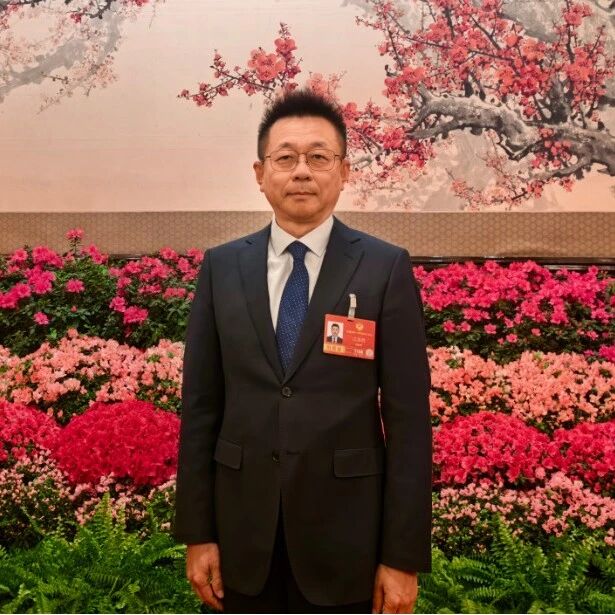
全国政协委员江浩然:为自动驾驶立法律,为AI手机立规矩
凤凰网财经· 2026-03-10 13:53
Core Viewpoint - The rapid advancement of technology, including AI and autonomous driving, is accompanied by concerns about blind following and homogenization in these industries, necessitating a tailored approach and regulatory frameworks to ensure sustainable development [1][2]. Group 1: Homogenization and Blind Following - The industries of autonomous driving and AI smartphones are showing signs of homogenized competition and blind following, with companies lacking differentiated strategies [4]. - The need to avoid low-level repetition and prevent "naked running" of technology is critical for high-quality, scalable development [2][4]. Group 2: Legal and Regulatory Challenges - Legal lag is identified as the biggest bottleneck for the development of autonomous driving, with the need for clear legal status and accident liability definitions to encourage investment and pilot programs [6][7]. - The proposal includes revising traffic laws and regulations to provide a legal framework for autonomous systems, enabling standardized practices and infrastructure development [6][7]. Group 3: Driver Education and Safety - Supporting the addition of intelligent driving questions in driving tests is essential to ensure drivers understand their responsibilities in human-machine collaboration, thereby reducing accidents [8][9]. - A three-tiered system combining technical safeguards, legal constraints, and personnel training is necessary to prevent accidents related to intelligent driving [10]. Group 4: AI Smartphone Regulations - The AI smartphone industry faces challenges such as excessive data collection and fragmented ecosystems, necessitating a dynamic control mechanism to prevent permission abuse [11][12]. - Establishing a permissions framework that emphasizes "need-based requests" and real-time user feedback is crucial for balancing innovation with data security [14][15]. Group 5: Industry Development Strategies - The robot industry is experiencing a surge in interest but risks falling into low-end homogenization, highlighting the need for a differentiated development strategy based on regional strengths [16][17]. - Encouraging companies to focus on niche applications and core technology development can help avoid redundant investments and promote high-quality growth in the robotics sector [17].

抖音副总裁李亮回应“豆包手机助手漏洞”:没有绝对安全的系统
Feng Huang Wang· 2026-02-27 07:55
Core Viewpoint - Douyin Group's Vice President Li Liang responded to rumors regarding security vulnerabilities in the Doubao mobile assistant, emphasizing that no system is completely secure and that the reported vulnerabilities require user action to trigger [1] Group 1: Security Concerns - Li Liang stated that cybersecurity is an ongoing battle and all systems, including iOS, Windows, Android, and various mobile assistants, have vulnerabilities [1] - The media's portrayal of the Doubao mobile assistant as having security vulnerabilities is deemed exaggerated and not in line with standard media evaluation methods, potentially violating national regulations [1] Group 2: Company Response - The Doubao mobile assistant issued a statement claiming that the authors of the reports did not report the vulnerabilities to the manufacturer and have maliciously exaggerated the risks, which may violate the national regulations on cybersecurity [1] - Doubao mobile assistant is currently gathering evidence regarding the related content and reserves the right to pursue legal action against the responsible parties [1] Group 3: Market Developments - Following the limited testing of the Doubao mobile assistant, Google and Samsung have launched the S26 series, which features the Gemini AI capabilities, indicating a strong push into the AI mobile market [1]

三星手机上新,涨价数百至1000元,业内:智能手机全面涨价才刚开始
Mei Ri Jing Ji Xin Wen· 2026-02-27 03:28
Core Insights - Samsung has launched the Galaxy S26 series, marking a significant entry into the 2026 smartphone market with innovations such as an anti-peeping screen and enhanced AI functionalities, alongside a notable price increase for its models [1][3][4]. Pricing Strategy - The starting prices for the Galaxy S26 series are set at 6,999 yuan for the standard version, 7,999 yuan for the S26+, and 9,999 yuan for the S26 Ultra, reflecting an increase of 1,000 yuan for the standard and S26+ versions and 300 yuan for the Ultra compared to the previous generation [1][4]. - The overall trend in the smartphone industry indicates a potential price increase across the board, with predictions suggesting that the average smartphone price could rise to 465 USD in 2026, leading to a market revenue of 578.9 billion USD, a historical high [8]. Technological Innovations - The Galaxy S26 series features a built-in anti-peeping display that allows users to customize privacy settings based on usage scenarios, which has garnered mixed reactions regarding its effectiveness and potential impact on screen quality [3][4]. - Enhanced AI capabilities are highlighted, allowing users to perform tasks such as booking movie tickets through AI operations, although some industry experts have noted that these features only replicate partial capabilities seen in competitors' products [4]. Market Context - The rising costs of memory and storage chips have been a significant factor driving the price increases in smartphones, with reports indicating that the price of DDR5 memory has surged nearly sixfold in recent months [7]. - The cost of memory semiconductors has risen from 10%-15% of smartphone costs to over 20%, with mid-range devices seeing storage costs approaching 30%, pushing some budget models into negative profit margins [7][8].
谷歌版的“豆包手机”来了
Di Yi Cai Jing Zi Xun· 2026-02-27 02:23
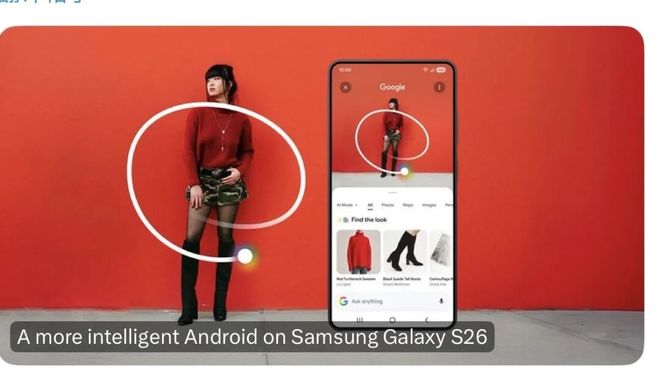
Group 1 - Samsung launched the Galaxy S26 series smartphones at the Galaxy Unpacked event, featuring AI capabilities in collaboration with Google to assist users with complex tasks like ordering food and hailing rides [2][5] - Google's Android ecosystem president, Sameer Samat, stated that this marks the next chapter for Android, evolving from an operating system to an intelligent system, with Gemini's multimodal reasoning capabilities aiding users in navigating applications [5][11] - The new AI features initially support scenarios such as ride-hailing (e.g., Uber) and food delivery (e.g., DoorDash, Grubhub), allowing users to issue commands to Gemini using natural language [5][6] Group 2 - Users can observe Gemini's operations transparently, with the ability to enter or stop tasks, while still being able to use their phones for other activities [6] - Google introduced an upgraded feature called Circle to Search, enabling users to search multiple items with a gesture and offering virtual try-on capabilities by uploading a photo [7] - The AI system can also identify potential scams during phone calls, providing real-time alerts to users, with the analysis conducted on-device to protect privacy [7][12] Group 3 - The collaboration between Google and Samsung is seen as a response to ByteDance's "Doubao Phone," which also features a system-level AI assistant capable of cross-app automation [8][9] - Industry experts note that while both devices share similarities in functionality, Google's approach utilizes AppFunctions and UI automation, differing from the single-path AI screen reading used by Doubao Phone [10][11] - The transition of Android from a mobile operating system to an intelligent system faces challenges, particularly in gaining support from app developers for broader automation capabilities [11][12] Group 4 - Predictions indicate that by 2026, the shipment of new-generation AI smartphones in China will reach 147 million units, representing a 31.6% year-on-year growth and capturing 53% of the overall market [12] - Samsung's Galaxy AI is expected to double its coverage to 800 million devices globally following the collaboration with Google [12] - The development of AI smartphones is influenced by two main technical routes: one focusing on system permissions and visual paths, and the other on intelligent agent interconnectivity, with Google's choice serving as a significant indicator for the industry's direction [12]

联手三星,让安卓系统点外卖,谷歌给AI手机先“打个版”
Di Yi Cai Jing· 2026-02-27 02:06
Core Insights - Google is positioned as a potential leader in the AI smartphone sector following its collaboration with Samsung to integrate AI functionalities into the Galaxy S26 series [1][4][11] Group 1: AI Integration and Functionality - The collaboration between Google and Samsung introduces AI capabilities in the Galaxy S26 series, enabling users to perform complex tasks such as ordering food and hailing rides through natural language commands [1][4] - The AI assistant, Gemini, utilizes its multimodal reasoning abilities to assist users in navigating applications and completing various tasks, marking a shift from Android as an operating system to a more intelligent system [4][6] - Specific use cases highlighted include ordering food from group chats, where Gemini can process preferences and automate the ordering process, enhancing user experience [6][7] Group 2: Technical Aspects and User Experience - The new AI system is designed to be transparent and controllable, allowing users to monitor Gemini's actions and maintain the ability to use their phones for other tasks simultaneously [6][7] - Google has introduced an upgraded feature called Circle to Search, enabling users to search for multiple items with a single gesture, enhancing the shopping experience [6] - The AI system also includes a fraud detection feature integrated into the Samsung Phone application, providing real-time alerts during calls if potential scams are detected [7] Group 3: Market Context and Competitive Landscape - The launch of the AI smartphone by Google and Samsung is seen as a response to the recent success of ByteDance's "Doubao Phone," which also features a system-level AI assistant [7][8] - Industry experts note that while both devices share similarities in functionality, Google's approach involves a combination of AppFunctions and UI automation, differing from the purely AI-driven methods of competitors [9][10] - The global smartphone market is anticipated to see significant growth in AI smartphone shipments, with projections indicating that by 2026, AI smartphones will account for 53% of the market in China [11]

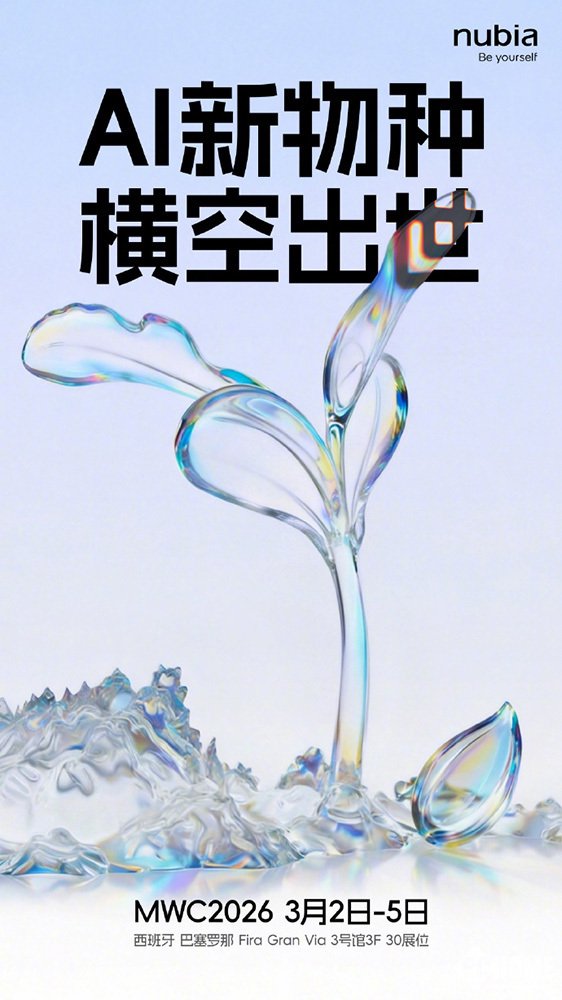
新一代豆包手机 努比亚官宣MWC推出AI新物种
Xin Lang Cai Jing· 2026-02-26 01:47
Core Viewpoint - Nubia announced the launch of an "AI new species" smartphone during MWC 2026, speculated to be the next generation of the Doubao phone [1][6] Group 1: Product Announcement - Nubia will unveil a pioneering AI smartphone at MWC 2026, although specific details remain undisclosed [1][6] - The Nubia M153, a test phone developed in collaboration with ByteDance's Doubao team, was released in December 2025, featuring a preview version of the Doubao mobile assistant [1][6] Group 2: AI Integration - The Nubia M153 integrates the AI assistant deeply into the system's core, enabling complex cross-application operations without needing to open apps [3][8] - Users can execute tasks through voice commands, allowing seamless interaction without disrupting current usage [3][8] Group 3: Security and Privacy Concerns - The AI-driven operation method raises significant security and privacy concerns, leading to restrictions on financial applications [5][9] - The direct operation from the system's core challenges existing business models of various applications, resulting in some applications being banned [5][9] - Nubia and ByteDance are expected to address these issues, with potential solutions anticipated to emerge during MWC 2026 [5][9]
2026全球手机市场的冰与火之歌:上游的饥饿游戏与中游的夹缝生存
3 6 Ke· 2026-02-26 00:12
Core Insights - The global smartphone market in 2026 is experiencing significant changes driven by rising storage chip costs, leading to a survival-of-the-fittest scenario among manufacturers [1][3][4] Group 1: Market Dynamics - The demand for high-bandwidth memory (HBM) chips for AI model training has led to a "capacity raid" on mature storage chip production, causing a severe supply crunch [3][4] - Storage chip prices surged by 40%-50% in Q1 2026, with LPDDR4X chips rising from $6 to $25 within six months, severely impacting low-cost manufacturers [3][4] - The smartphone market is witnessing a bifurcation, with high-end models (priced above $600) gaining market share while low-end models (below $200) are rapidly declining [7][8] Group 2: Company Performance - Huawei has regained its position as the market leader in China with 46.7 million units shipped in 2025, benefiting from its self-developed Kirin chips and high localization rate [5][6] - Apple reported a 23% year-on-year increase in iPhone revenue to $85.27 billion in Q1 2026, with a 38% surge in Greater China, leveraging its strong brand and supply chain control [5][6] - Transsion, known as the "King of Africa," issued a profit warning due to rising supply chain costs, highlighting the challenges faced by low-end manufacturers [4][5] Group 3: Strategic Shifts - The smartphone industry is transitioning from a focus on volume growth to value creation, as manufacturers adapt to rising component costs [6][8] - Companies are adjusting their product strategies, such as shifting from high-capacity storage options to more affordable configurations to manage costs without alienating consumers [8][9] - The emergence of AI-driven smartphones is expected to redefine the market, with predictions indicating that AI phone shipments will exceed 50% in China by 2026 [8][9] Group 4: Competitive Landscape - The smartphone market is likened to a "Warring States" period, with major players like Apple and Huawei dominating while smaller brands struggle to survive [9][10] - Companies unable to build ecosystems or control supply chains are increasingly marginalized, with many being categorized as "Others" in market reports [9][10] - The future of the smartphone industry will be shaped by AI capabilities and supply chain dynamics, moving beyond traditional performance metrics [10]


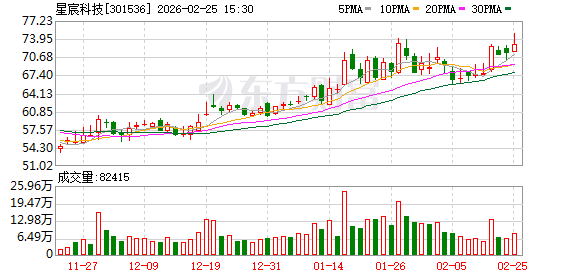
星宸科技:公司暂不涉及AI手机及AI PC领域
Zheng Quan Ri Bao· 2026-02-25 11:11
Core Viewpoint - Xingchen Technology focuses on the deployment of edge-side AISoC products and does not engage in the AI mobile phone and AIPC sectors, indicating a differentiated market strategy [2] Group 1 - The company emphasizes that its product positioning and target markets are in distinct tracks compared to competitors [2] - Xingchen Technology operates independently in terms of management, decision-making, and accounting, ensuring no significant adverse impact on its business operations from industry competition [2] - The company commits to strictly adhering to relevant laws, regulations, and regulatory requirements to protect the rights and interests of all shareholders, especially minority investors [2]