TechCrunch

Search documents
Luminar sale approved despite last-minute mystery bid
TechCrunch· 2026-01-28 20:41
Core Insights - Luminar's lidar business faced a last-minute bid that exceeded the leading offer of $33 million from MicroVision, but Luminar chose to proceed with MicroVision's bid due to "infirmities" in the new offer [1][2] Group 1: Sale Process and Bids - An unidentified party submitted a bid just before a bankruptcy hearing, which was significantly higher than the $33 million bid from MicroVision [1] - Luminar's legal counsel indicated that the last-minute bid had issues, leading the company to stick with MicroVision's offer [2] - The identity of the last-minute bidder was not disclosed, but it was suggested to be an "insider purchaser," likely Austin Russell, Luminar's founder [2][3] Group 2: MicroVision's Acquisition - The sale of Luminar's lidar technology and remaining staff to MicroVision was approved, with the transaction expected to close in the coming weeks [3][6] - MicroVision aims to leverage Luminar's lidar technology to enhance its automotive capabilities, which it currently lacks [6][8] - MicroVision's CEO expressed optimism about reviving Luminar's existing contracts with automakers, viewing them as potential revenue opportunities [9][10] Group 3: Competitive Landscape - MicroVision is positioned to expand beyond its current markets of industrial use, security, and defense by integrating Luminar's technology [8] - The acquisition is seen as a strategic move to enhance MicroVision's engineering capabilities and competitiveness in the automotive sector [9]

Jennifer Garner's Once Upon a Farm resumes IPO plans
TechCrunch· 2026-01-28 19:09
Core Viewpoint - Organic food company Once Upon a Farm is resuming its IPO plans after pausing them last year due to a government shutdown [1][2] Group 1: IPO Details - The company filed an updated S-1 with a proposed price range of $17 to $19 per share, indicating a potential thaw in the overall IPO market [2] - Once Upon a Farm is expected to debut on February 6, according to IPO Scoop [2] Group 2: Company Background - Founded in 2015, Once Upon a Farm has actress Jennifer Garner among its co-founders, alongside Cassandra Curtis and Ari Raz [3] - The company aims to raise at least $208.9 million at a valuation of $764.4 million, with Goldman Sachs and J.P. Morgan as lead bankers [3] - To date, the company has raised nearly $100 million in funding from investors such as S2G Ventures and CAVU Consumer Partners [3]
Allbirds is closing its last brick-and-mortar store in San Francisco
TechCrunch· 2026-01-28 16:48
Core Insights - Allbirds is closing almost all of its physical stores by the end of February, leaving only two outlet stores in the US and two full-price stores in London [1][2] - The CEO of Allbirds stated that this move is part of a turnaround strategy aimed at achieving profitable growth by reducing costs and exiting unprofitable locations [2] - The company, founded in 2015, quickly gained popularity among tech employees but has struggled financially since going public in 2021, with a current market capitalization of approximately $32 million and stock prices hovering at just a few dollars per share [4] Company Overview - Allbirds was established in San Francisco and became known for its comfortable yet minimalist footwear, appealing primarily to tech workers [3] - The brand raised significant venture capital, leading to an inflated valuation before its public offering, which has since resulted in financial difficulties [4] Market Context - The closure of Allbirds stores may signify a shift in the tech industry, where the perception of job stability has changed, and companies are now more focused on efficiency and cost-cutting [5][7] - The nostalgia for the mid-2010s tech culture is evident, as the current economic climate contrasts sharply with the previous era of perceived stability and growth [8]


Amazon says it is laying off 16,000 employees
TechCrunch· 2026-01-28 14:17
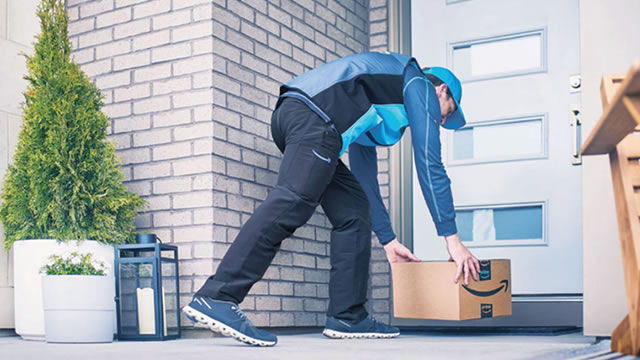
Group 1 - Amazon is cutting 16,000 jobs across the company, following a previous layoff of 14,000 employees in October [1] - The layoffs aim to reduce layers, increase ownership, and remove bureaucracy, as stated by Senior VP Beth Galetti [1] - Galetti indicated that the company is not planning to establish a pattern of large layoffs every few months, despite the possibility of future job cuts [2] Group 2 - As of October, Amazon had 1.57 million employees and had experienced single-digit growth over the past five quarters [3] - The company plans to continue hiring in strategic areas despite the job cuts [3] - CEO Andy Jassy mentioned that due to AI advancements, the company will require fewer employees for certain jobs while needing more for others [4] Group 3 - Amazon is closing its physical Amazon Go and Amazon Fresh Stores to focus on enhancing same-day grocery delivery capacity [5] - The company plans to expand Whole Foods' footprint and open 100 new stores in the coming years [5]

Amazon agrees to pay consumers $309M in returns policy settlement
TechCrunch· 2026-01-27 20:38
Core Viewpoint - Amazon has reached a settlement exceeding $1 billion to address claims regarding improper refunds for customer returns [1][2] Group 1: Settlement Details - The settlement includes over $600 million already distributed or soon to be paid in refunds to affected customers [1] - Amazon will contribute $309.5 million to a non-reversionary common fund for members of the class-action lawsuit [2] - The company has issued approximately $570 million in refunds, with about $34 million remaining to be refunded [2] Group 2: Non-Monetary Relief - Amazon has agreed to provide over $363 million in non-monetary relief to improve its return and refund processes [2] Group 3: Background of the Lawsuit - The lawsuit, initiated in 2023, claimed that Amazon caused "substantial unjustified monetary losses" for consumers who returned items but were still charged [3] Group 4: Company Response and Previous Settlements - Following an internal review in 2025, Amazon identified issues with a subset of returns where refunds were not properly issued [4] - Amazon previously settled a lawsuit with the FTC for $2.5 billion over allegations of misleading users regarding Prime subscriptions [4]
TikTok joins Snap to settle social media addiction lawsuit, as Meta and YouTube head to trial
TechCrunch· 2026-01-27 19:40
Core Viewpoint - TikTok has settled a lawsuit alleging that social media companies intentionally create addictive products that harm users, while Snap settled a similar case last week, leaving Meta and YouTube to face trial [1][2]. Group 1 - The lawsuit centers around a 19-year-old plaintiff identified as K.G.M., marking the first of many legal challenges against social media platforms [2]. - Meta CEO Mark Zuckerberg and YouTube head Neal Mohan are expected to testify, which could influence the outcomes of numerous other lawsuits [2]. - By settling, TikTok and Snap are not admitting to the allegations but have reached an agreement with the plaintiff outside of court, with settlement terms undisclosed [3].



Amazon is closing its physical Amazon Go and Amazon Fresh stores
TechCrunch· 2026-01-27 16:21
RIP, Amazon convenience stores: gone and probably soon forgotten.Amazon announced on Tuesday that it will close its brick-and-mortar Amazon Go and Amazon Fresh stores and will instead expand its capacity for same-day grocery delivery, as well as its Whole Foods Market footprint. These stores were used to grow Amazon’s cashierless Just Walk Out technology, which tracks what items customers grab, allowing them to pay for their groceries without a more formal checkout process. The company is instead focusing ...
Pinterest to lay off 15% of staff to redirect resources to AI
TechCrunch· 2026-01-27 14:44
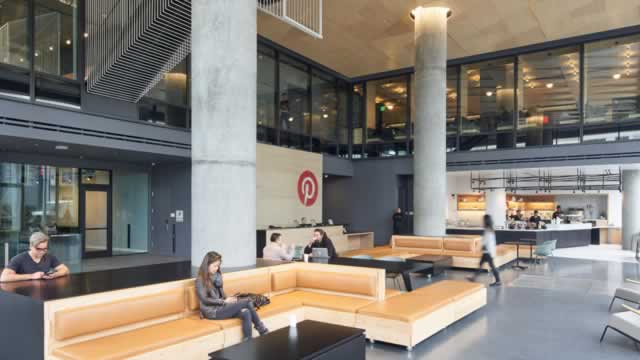
Core Viewpoint - Pinterest plans to lay off less than 15% of its workforce to reduce office space and reallocate resources towards AI initiatives, expecting to complete the layoffs by late September [1] Group 1: Workforce Changes - The company will be cutting approximately 700 jobs, based on its total of 4,666 full-time employees at the end of 2024 [1] - The layoffs are part of a strategy to focus on AI-focused roles and teams that enhance AI adoption and execution [1] Group 2: AI Initiatives - Pinterest has been investing in AI, recently launching "Pinterest Assistant," an AI companion for shopping advice and recommendations [2] - The company is also experimenting with AI-powered personalized boards to enhance user experience [2] - CEO Bill Ready highlighted the potential of open-source AI models to help manage costs during the last earnings call [2] Group 3: Financial Implications - Pinterest anticipates pre-tax restructuring charges between $35 million and $45 million due to the layoffs [3]

Luminar receives a larger $33 million bid for its lidar business
TechCrunch· 2026-01-27 14:17
Core Viewpoint - Luminar's lidar business has attracted a higher bid of $33 million from MicroVision, surpassing the previous bid of $22 million from Quantum Computing Inc. as the auction concludes in the company's bankruptcy case [1][2]. Group 1: Bidding Process - MicroVision's bid of $33 million exceeds Quantum Computing Inc.'s latest bid of $28 million, which was initially $22 million [2]. - The sale of Luminar's lidar business is pending approval from the judge overseeing the bankruptcy case, with a hearing scheduled for Tuesday afternoon [2]. Group 2: Company Background and Legal Issues - It remains uncertain whether Luminar's founder and former CEO Austin Russell submitted a bid for the lidar assets, although he had previously expressed interest [3]. - Russell and Luminar have been involved in legal disputes regarding a subpoena, with the company considering legal action against him related to his resignation following an ethics inquiry [4]. - Russell has agreed to comply with the subpoena, and a protective order regarding his personal information has been established [5]. Group 3: Bankruptcy Case Progress - The potential sale of the lidar assets could expedite the resolution of Luminar's bankruptcy case, which was filed in December [5]. - Luminar has already reached an agreement to sell its semiconductor division to Quantum Computing Inc. for $110 million [5].

Uber launches an ‘AV Labs' division to gather driving data for robotaxi partners
TechCrunch· 2026-01-27 13:00
Core Insights - Uber is launching a new division called Uber AV Labs to provide data to its more than 20 autonomous vehicle partners, focusing on democratizing access to valuable real-world driving data [1][9] Group 1: Uber's Strategy and Operations - Uber is not returning to developing its own robotaxis but will collect data using its own vehicles equipped with sensors for partners like Waymo and Lucid Motors [2] - The new AV Labs division currently operates with a single vehicle, a Hyundai Ioniq 5, and is in the process of equipping it with necessary sensors [10] - Uber's VP of engineering stated that the lab aims to build a foundational data set before determining product market fit, emphasizing the company's responsibility to accelerate the autonomous vehicle ecosystem [10] Group 2: Data Collection and Value - Real-world driving data is increasingly valuable for training self-driving systems, as companies shift from rules-based operations to reinforcement learning [3] - The physical limit of an autonomous vehicle company's fleet restricts data collection, making extensive real-world driving essential for addressing edge cases [5] - Uber's approach to data collection is targeted, allowing for deployment in specific cities based on partner needs, which contrasts with Tesla's broader scale of data collection [13][14] Group 3: Collaboration with Partners - Partners will not receive raw data; instead, Uber will process the data to fit the needs of its partners, enhancing the semantic understanding for driving software [11] - Uber plans to run partner driving software in "shadow mode" to identify discrepancies and improve model training, aiming to make autonomous vehicles drive more like humans [12] - Partners have expressed a strong desire for any helpful data, recognizing that Uber's data collection capabilities far exceed their own [15]