First Bank(FRBA)

Search documents
JP Morgan to Take Over Apple Card from Goldman Sachs
Crowdfund Insider· 2026-01-07 21:12
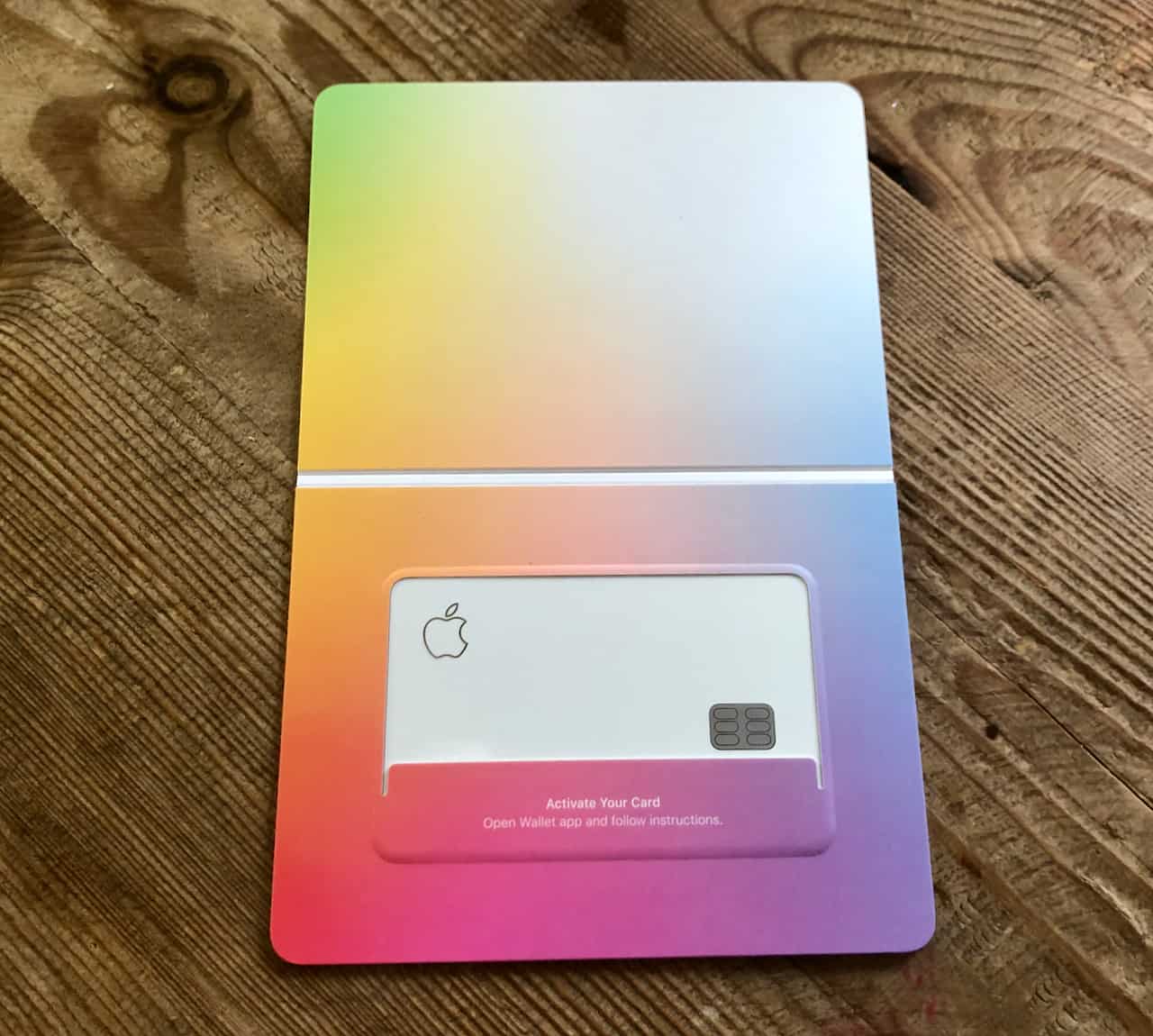
Core Viewpoint - Goldman Sachs is exiting its support for the Apple Card, marking a retreat from its consumer Fintech ambitions, which struggled despite the initial strategic rationale [1][2]. Group 1: Goldman Sachs and Apple Card - Goldman Sachs will incur an approximate $1 billion loss on its outstanding credit balances as it transfers the Apple Card business to JPMorgan [2]. - The Apple Card has a delinquency rate of 4%, which is higher than the industry average of 3.05%, complicating the deal due to the large number of subprime customers [2]. Group 2: JPMorgan's Position - JPMorgan, as the largest bank in the US by assets, is well-positioned to operate the Apple Card business more profitably, leveraging its leadership in the credit card market [3]. - JPMorgan is developing JPMCoin, the first bank-issued stablecoin, which could enhance its digital services and reduce transfer and payment costs [4]. - Jamie Dimon, CEO of JPMorgan, is recognized as a leading figure in the banking industry and has shifted his stance on crypto, now viewing it as a transformative technology [4].


Commerce eyes wealth-management gains after sealing M&A deal
American Banker· 2026-01-07 11:00
Core Insights - Commerce Bancshares views its recent acquisition of FineMark Holdings as a strategic opportunity to expand its wealth management business, marking its first bank M&A deal in over a decade [10] Acquisition Details - The acquisition of FineMark Holdings was finalized for $585 million in an all-stock deal, enhancing Commerce's existing private banking and wealth management operations [2][3] - FineMark, with $4 billion in assets, operates a full-service private bank catering to high-net-worth individuals, including 300 professional athletes [3] Market Expansion - The acquisition allows Commerce to extend its footprint into Arizona and South Carolina, adding 13 offices in high-growth areas [3][4] - Post-acquisition, Commerce's total assets amount to approximately $36 billion, with its wealth management business generating about 13% of total revenues prior to the deal [4][6] Wealth Management Growth - Commerce Trust, the wealth management division, now manages $90 billion in assets under administration, up from $82 billion, ranking 15th among bank-managed trust companies [7] - The company aims to retain FineMark's client base by offering a broader range of wealth management products and leveraging its larger balance sheet [4][9] Client Retention Strategy - The retention of the FineMark brand and leadership is expected to aid in maintaining client relationships during the transition [9][10] - A methodical approach to systems conversion is planned for late 2026 or early 2027 to ensure a seamless client experience [11][12] Future M&A Considerations - Commerce Bancshares is open to future bank acquisitions but emphasizes the importance of strategic fit rather than scale for its own growth [13]


Higher bottoms suggest limited downside for Nifty: Rohit Srivastava
The Economic Times· 2026-01-07 09:06
Market Overview - The Nifty index shows fragile movement but indicates a slow improvement with the formation of successive higher bottoms since early December [1][2][8] - The index has consistently held above previous lows, suggesting that downside pressure is weakening [2][8] - Current strong support is around the 20-day moving average at approximately 26,037 on the Nifty [2][8] Breakout Levels - A significant breakout point is identified at around 26,540, where an uptrend may accelerate [3][8] - Heavy sectoral rotation is currently preventing sharp upward movements in the indices [3][8] Sector Analysis - Banking is highlighted as a standout sector, with Bank Nifty consolidating and building a base near 59,800 [6][9] - Interest rate-sensitive sectors, including banking, metals, and autos, are expected to continue outperforming [6][7][9] - Early signs of momentum are returning to real estate stocks, with DLF mentioned as a stock beginning to participate in the broader market move [7][9] Leadership and Market Dynamics - Market leadership is shifting, with strength rotating from previously dominant stocks like Reliance Industries to sectors such as metals and banking [4][8] - Selective momentum is emerging in second-line private lenders like RBL Bank, IDFC First Bank, and IndusInd Bank, which are showing better relative strength compared to larger banks [9]

IDFC First Bank launches Zero Forex Diamond Reserve Credit Card for global travellers. Details here
MINT· 2026-01-07 07:00
Core Viewpoint - IDFC FIRST Bank has introduced the 'Zero-Forex Diamond Reserve Credit Card', targeting affluent global travelers with enhanced travel rewards and lifestyle benefits [1] Features and Benefits - The card offers 0% forex markup on all international spends [6] - Users can earn up to 60 Reward Points for every ₹150 spent on hotel bookings via the app, translating to an effective 10% value back [6] - For flight bookings, users can earn up to 40 Reward Points for every ₹150 spent, equating to an effective 6.6% value back [6] - Monthly spending earns up to 10 Reward Points for every ₹150 spent, providing an effective 1.66% value back [6] - Cardholders receive two domestic and two international lounge visits per quarter [6] - Up to two complimentary golf rounds or lessons are available each month [6] - A complimentary airport service is offered for annual spends of $1000 [6] - Monthly Buy-One-Get-One movie ticket offer [6] - ITC Hotels promotion: Book two nights and get the third night free [6] - Free trip cancellation cover of ₹25,000 [6] - Insurance coverage includes lost baggage, delayed flights, air accident cover of ₹1 crore, and personal accident cover of ₹10 lakh [6] Additional Features - Interest rates start at 8.5% per annum [7] - 0% interest on ATM cash withdrawals globally until the payment due date, with a fee of ₹199 per withdrawal [7] - Reward points have lifetime validity with no expiry [7] - Freedom to redeem Reward Points across any e-commerce platform or online purchase [7] - Unlimited earnings with no caps on reward point accrual [7] - Up to 10X rewards points on credit card spends above ₹20,000 per billing cycle [7] - Fuel surcharge waiver at select fuel stations [7]

FIRST WOW! Black Credit Card offers zero forex markup, lounge access & travel rewards – Should you apply?
MINT· 2026-01-07 06:40
Core Insights - IDFC FIRST Bank has launched the FIRST WOW! Black Credit Card, designed to enhance travel experiences with various benefits and features tailored for customers' travel preferences [1] Rewards Structure - The card offers a rewards structure where cardholders earn: - 4 reward points for every Rs. 150 spent online, offline, and internationally - 1 reward point for every Rs. 150 spent on utility bill payments and insurance premiums - 3 reward points for every Rs. 150 spent on UPI transactions above Rs. 2,000 - 1 reward point for every Rs. 150 spent on UPI transactions up to Rs. 2,000 [6] Benefits - Joining benefits include: - A voucher for Rs. 500 discount on the first flight booking through the IDFC FIRST Bank Mobile App with a minimum spend of Rs. 5,000 - Up to Rs. 1,600 instant discounts on flights, hotels, and bus bookings on MakeMyTrip - Complimentary 3-month EazyDiner Prime Membership worth Rs. 1,095 - A flat 10% instant discount on the Mokobara website - Complimentary one-year Lenskart Gold Max Membership worth Rs. 800 - 5% cashback up to Rs. 1,000 on the first EMI transaction [7] Insurance and Waivers - The card provides trip cancellation cover insurance for flight/hotel cancellations booked with the card, covering up to Rs. 10,000 [5] - A fuel surcharge waiver of 1% on transactions between Rs. 200 and Rs. 5,000, with a maximum waiver of Rs. 200 per statement cycle [8] Eligibility and Fees - Eligibility criteria include being an Indian resident aged between 18 to 80 years, with a fixed deposit of at least Rs. 20,000 required to apply [15] - The joining and annual renewal fee is Rs. 750 plus taxes, with joining benefits valued at Rs. 5,000 [16] Redemption of Reward Points - Cardholders can redeem reward points for travel bookings through the 'Travel & Shop' portal, with a redemption value of Rs. 0.50 per point [11] - The maximum redemption is capped at 1,00,000 points per calendar month and 2,00,000 points per calendar year [14] Target Audience - The FIRST WOW! Black Credit Card is suitable for individuals without a credit score, such as students, homemakers, and senior citizens, as it can be secured against a fixed deposit [18] - It also offers significant value for those with good credit scores and stable income, providing various travel-related benefits [19]

IDFC First Bank shares can rally 23%, says Nomura after initiating coverage with Buy call
The Economic Times· 2026-01-07 04:40
Core Viewpoint - Nomura initiated coverage on IDFC First Bank with a Buy rating, projecting a target price of Rs 105, indicating a potential upside of 23.5% from current levels [9]. Growth Projections - Strong growth visibility is anticipated, with loans and deposits expected to achieve CAGRs of 20% and 22%, respectively, over FY26-28F [9]. - The bank's fee income profile is noted to be superior to peers, exceeding 2% of average assets [9]. Profitability Improvement - A decline of 35 basis points in credit costs is expected to enhance profitability, with RoA and RoE projected to rise to 1.2% and 1.8% by FY28, up from 0.6% and 5.4% in FY26 [2][9]. - This earnings acceleration is forecasted to result in a sector-leading EPS CAGR of 67% over FY26-28F [2]. Operating Efficiency - Operating expenses have remained high during FY19-25 due to investments in branches, manpower, technology, and new businesses [3]. - As growth normalizes, cost efficiency is expected to improve, with cost-to-assets and cost-to-income ratios projected to decline to 5.1% and 64% by FY28F, from 5.6% and 71% in FY26F, respectively [3]. Net Interest Margin (NIM) Outlook - NIM pressure experienced over FY25-H1FY26 is largely absorbed, with expectations for NIMs to bottom out in FY26 and gradually recover through FY27 [6]. - Potential cuts in savings account rates could add 17-33 basis points to margins and 12-23 basis points to RoAs [6]. Asset Quality and Credit Costs - Asset quality stress is primarily confined to the microfinance portfolio, with corrective measures already taken [7]. - Credit costs are expected to moderate, with projections of 1.9% in FY27 and 1.8% in FY28, compared to 2.6% in FY25 and 2.1% in FY26F [7]. Earnings Inflection - Sustained loan growth, improving operating leverage, and moderating credit costs are anticipated to drive a significant earnings inflection over FY26-28F, alongside a material improvement in profitability [8].
IDFC FIRST Bank launches “Zero-Forex Diamond Reserve Credit Card” for affluent global travellers
BusinessLine· 2026-01-06 15:55
Core Insights - IDFC FIRST Bank has introduced a "Zero-Forex Diamond Reserve Credit Card" aimed at affluent global travelers [1] Features of the Credit Card - The card offers zero forex markup on all international spending [1] - It provides reward points on hotel and flight bookings, as well as access to travel lounges [1] - The card is priced at ₹3,000 plus GST [1] - An annual fee waiver is available for customers who spend ₹6 lakh annually, making the card effectively free from the second year onwards [1]
What is a digital savings account and why are more Indians choosing it
The Economic Times· 2026-01-06 07:08
Core Insights - The rise of digital savings accounts in India is attributed to their convenience, safety, and efficiency, particularly with offerings from banks like IDFC FIRST Bank [1][10] Features of Digital Savings Accounts - Digital savings accounts operate entirely online, allowing users to open accounts, verify identity, and manage funds without visiting a branch [2] - IDFC FIRST Bank offers a paperless onboarding process with video KYC verification, providing full access to mobile and internet banking [2] - Fund transfers are hassle-free with multiple options such as NEFT, RTGS, IMPS, and UPI, enabling instant transactions without paperwork [3] Interest Rates and Financial Benefits - IDFC FIRST Bank provides a competitive interest rate structure: 3.00% for balances up to ₹5 lakh, 7.00% for ₹5 lakh to ₹10 crore, 6.00% for ₹10 crore to ₹25 crore, 5.00% for ₹25 crore to ₹100 crore, and 4.00% for balances above ₹100 crore [4][5] - This progressive interest rate system allows customers to earn better returns based on their account balance, offering an advantage over traditional savings accounts [5] Accessibility and Cost Efficiency - Digital savings accounts offer convenient withdrawal options, allowing users to access funds easily from any ATM in India without extra charges [6] - IDFC FIRST Bank waives several standard charges for services like IMPS, NEFT, RTGS transfers, cheque books, and SMS alerts, promoting steady savings growth without unnecessary deductions [6] Growing Popularity and Lifestyle Integration - The increasing popularity of digital savings accounts is driven by their simplicity, transparency, and accessibility, balancing security with ease of investment [7][10] - Each digital account includes a debit card for quick access to funds, enhancing lifestyle benefits such as increased transaction limits and access to airport lounges [7] - Digital savings accounts are viewed as a lifestyle upgrade, combining convenience, transparency, and better returns, making them suitable for both professionals and individuals looking to grow savings [8][10]

First Bank Announces Fourth Quarter 2025 Earnings Conference Call
Globenewswire· 2026-01-05 16:30
HAMILTON, N.J., Jan. 05, 2026 (GLOBE NEWSWIRE) -- First Bank (Nasdaq Global Market: FRBA) invites participation in a conference call to discuss the Company’s financial and operating performance during its fourth quarter ending on December 31, 2025. Event:Earnings Conference Call – Fourth Quarter 2025When:Tuesday, January 27, 2026 at 9:00 a.m. Eastern Time The direct dial number for the call is 1-800-715-9871, toll free, using the access code 2389718. For those unable to participate in the conference call, ...
RBI likely to retain core components of FIT framework, say sources
BusinessLine· 2026-01-04 23:30
Core Viewpoint - The Reserve Bank of India (RBI) is expected to maintain the core components of the flexible inflation targeting (FIT) framework, as most economists believe that targeting headline inflation against core inflation with a 2-6 percent retail inflation target has been beneficial for the economy [1] Inflation Tolerance Band - The 2-6 percent inflation tolerance band, introduced in 2016, was already considered low, and it may be reassessed in the next 5-10 years as inflation forecasts improve [2] Policy Clarity - Economists recommend continuing with headline CPI inflation, emphasizing that food inflation, despite being supply-side driven, cannot be ignored due to its correlation with inflation expectations. A 4 percent inflation target is deemed optimal, and narrowing the 2-6 percent band could lead to unnecessarily restrictive monetary policy [3] - The headline target should be retained as it reflects the combined impact of food and core inflation on consumers, particularly for low and middle-income households, where food spending constitutes a significant portion of expenses [4] Continuation of Existing FIT - Continuing with the existing FIT is seen as a logical choice, as it has helped anchor inflation expectations, stabilize core inflation, and guide the policy rate trajectory towards its lower bound [5] Focus on Headline Inflation - The RBI should focus on the headline inflation number rather than sub-components, as controlling overall inflation is essential for central banks. The concept of core inflation should primarily serve to understand inflation dynamics [6] - The current FIT has effectively served India, with inflation generally conforming to the target band and reduced volatility historically. Inflation expectations have remained anchored to the 4 percent target, contributing to lower capital costs in the economy [6]