First Bank(FRBA)

Search documents
Gsec yield curve may flatten in FY27
Rediff· 2025-12-26 06:33
The government bond yield curve is likely to flatten in the financial year 2027 (FY27) as the Reserve Bank of India (RBI) is expected to ease supply pressure in the ultra-long segment.Illustration: Dominic Xavier/RediffIn FY26 so far, reduced investments by insurance companies and pension funds pushed up yields on ultra-long tenor securities, steepening the curve.A recalibration of issuance, however, could help normalise yields at the long end in the coming year, experts said. “The upward pressure on ultra- ...



Nifty Bank Prediction Today – December 26, 2025: Nifty Bank futures: Strong support ahead
BusinessLine· 2025-12-26 05:26
Market Overview - Nifty Bank index opened lower at 59,093, slightly recovering to 59,140, down 0.1% from the previous close of 59,184 [1] - The advance/decline ratio is even at 6/6, with IDFC First Bank and IndusInd Bank being the top gainers, up 1% and 0.6% respectively [1] - Punjab National Bank and Bank of Baroda are the top losers, down 0.7% and 0.5% respectively [1] Sector Performance - Nifty Private Bank index is flat, while Nifty PSU Bank index is down 0.2%, indicating that private banks are outperforming public sector banks [2] Futures Analysis - December expiry Nifty Bank futures opened lower at 59,200, currently hovering around the same level, down 0.1% from Wednesday's close of 59,253 [3] - The futures are trading above the support band of 59,000-59,150, where the 50-day moving average aligns, suggesting a potential recovery [3] - If the futures breach the support at 59,000, a bearish outlook may emerge, with a potential drop to 58,250 [4] Trade Strategy - Recommended to buy Nifty Bank futures at 59,200, with targets set at 60,200 and a stop-loss at 58,900 [5] - Supports are identified at 59,150 and 59,000, while resistances are at 60,200 and 60,500 [5] Companies to Watch - IndusInd Bank Ltd is highlighted as a company to follow in the current market scenario [5]

RBI may pump in ₹1 lakh cr more for liquidity comfort
The Economic Times· 2025-12-25 18:14
Core Insights - The Reserve Bank of India (RBI) aims to encourage banks to lower lending rates and boost credit demand through liquidity measures [1][8] - The banking system has been in liquidity deficit since mid-December, leading banks to borrow daily from the RBI despite a recent 25-basis-point policy rate cut [1][8] Liquidity Measures - RBI plans to maintain a liquidity surplus of 1% of net demand and time liabilities (NDTL), which currently amounts to ₹2.5 lakh crore, until March 2026 [2][8] - There is potential for an additional ₹1 lakh crore of open market operation (OMO) purchases in February-March 2026 to sustain this liquidity surplus [2][8] Recent Actions - On December 23, RBI announced a liquidity infusion of ₹2.9 lakh crore between December-end and January, including bond purchases through OMOs in four tranches of ₹50,000 crore each and a $10 billion buy-sell forex swap [6][8] - These measures are designed to counteract liquidity drains caused by foreign exchange interventions and tax outflows, which turned liquidity into deficit after advance tax payments in mid-December [6][8] Future Outlook - Elevated core liquidity, currently at ₹3.7 lakh crore, suggests that the banking system may return to surplus by the end of December as government spending increases [7][8] - RBI's strategy includes using OMOs and forex swaps to ensure smooth monetary transmission and support economic growth amid low inflation [7][8] Tools and Mechanisms - The Variable Rate Repo (VRR) and Variable Rate Reverse Repo (VRRR) are tools used by RBI for short-term funding and to stabilize short-term interest rates, respectively [8]

Non-bank funding grows faster as India Inc cuts reliance on bank credit
The Economic Times· 2025-12-25 00:30
Group 1 - Overall outstanding credit to the commercial sector, combining banks and non-bank sources, reached ₹290.38 lakh crore as of November-end, marking a 13.2% increase from ₹256.5 lakh crore a year ago [1][7] - Credit from banks to the commercial sector rose 11.4% year-on-year to ₹194.48 lakh crore, while funding through non-banking sources surged 17% to ₹95.91 lakh crore, according to RBI data [3][7] - The incremental flow of financial resources to the commercial sector, including bank loans, NBFC credit, and corporate bonds, stood at ₹22.56 lakh crore as of November 28, reflecting a 23% rise from the previous year [5][7] Group 2 - For FY26 year-to-date, banks added ₹12.4 lakh crore, an 18% increase, while non-bank sources contributed ₹10.1 lakh crore, up 29% [5][7] - India Inc is diversifying funding requirements by tapping non-banking sources such as equity markets and corporate bonds, indicating a structural shift toward market-based financing amid a rate easing cycle [7]
RBI to infuse Rs 3 trn liquidity via OMOs, buy-sell swap after rupee defence
Rediff· 2025-12-24 07:00
Core Viewpoint - The Reserve Bank of India (RBI) is implementing a significant liquidity injection of nearly Rs 3 trillion into the banking system through open-market operations (OMOs) and a foreign exchange buy-sell swap to address liquidity deficits and seasonal pressures [1][5][14]. Group 1: Liquidity Measures - The RBI will purchase Government of India securities worth Rs 2 trillion through OMOs, conducted in four tranches of Rs 50,000 crore each on December 29, January 5, January 12, and January 22 [3]. - Additionally, a three-year USD-INR buy-sell swap of $10 billion will be undertaken on January 13 [3]. - The RBI has already infused Rs 1.45 trillion of durable liquidity in December through OMO purchases and forex buy-sell swaps [9]. Group 2: Current Liquidity Conditions - As of Monday, net liquidity in the banking system was in deficit by Rs 54,852 crore [4]. - The RBI's liquidity injection aims to offset the drain caused by recent forex interventions and seasonal pressures, including advance tax outflows and increased currency circulation [5]. - Durable liquidity was estimated at around Rs 3.3 trillion as of mid-December and is expected to rise to about Rs 3.6-3.7 trillion by the end of the month [14]. Group 3: Market Reactions and Expectations - Market participants expect further actions from the RBI will depend on the evolution of liquidity conditions and the necessity for additional currency market interventions [7]. - The RBI's recent measures are viewed as timely and adequate, with the potential for more actions in the fourth quarter if pressures persist [8]. - Despite the liquidity measures, government bond yields have continued to rise, indicating limited transmission to the bond market [11]. Group 4: Future Outlook - The scale of OMO purchases is expected to improve demand-supply dynamics in the bond market and ease pressure on yields [12]. - Economists caution that the scope for a sustained decline in yields remains limited due to emerging fiscal concerns, including significant government bond redemptions and potential state borrowing pressures [15][17]. - The latest OMOs and swaps are primarily countermeasures to offset liquidity drained by forex interventions and may not significantly impact bond yields [16].
Commercial Bank of Dubai becomes UAE’s first bank live on Open Finance
Gulf Business· 2025-12-24 02:47
Core Insights - Commercial Bank of Dubai (CBD) has become the first bank in the UAE to fully activate Open Finance under the Central Bank of the UAE's Open Finance Initiative, AlTareq, marking a significant milestone for the banking sector [2][4] Group 1: Implementation and Collaboration - The activation was achieved in collaboration with Central Bank-licensed third-party providers, including Pay10 and Lean Technologies, which are now operational with CBD under the Open Finance Framework [3] - CBD's retail current and savings account customers can now securely share financial data and initiate payments through regulated, consent-based mechanisms, indicating a shift from pilot programs to full-scale implementation [4] Group 2: Strategic Vision and Future Plans - CBD's CEO emphasized that the full-scale Open Finance activation positions the bank at the center of a fundamental shift in the UAE's financial architecture, aiming to create a more connected ecosystem for customers [5] - The activation is seen as a tangible step in realizing the UAE leadership's Open Finance vision, enabling secure customer access while maintaining compliance and trust [5] - Looking ahead, CBD plans to continue collaborating with its Open Finance partners to expand use cases and drive meaningful transaction activity in line with the objectives of the UAE's AlTareq Open Finance Initiative [6]

RBI to infuse Rs 2.90 lakh crore liquidity via bond buys, USD swap
The Economic Times· 2025-12-23 13:58
Core Insights - The Reserve Bank of India (RBI) plans to inject Rs 2.90 lakh crore of durable liquidity into the banking system through bond purchases and a dollar-rupee swap to address tight cash conditions [1][2][6] - The RBI will conduct a $10-billion buy/sell swap auction on January 13 to ease dollar liquidity [1][2] - The measures aim to stabilize yields and improve transmission across the curve, as system liquidity turned negative mid-December, pushing the weighted average call rate to 5.46%, above the 5.25% repo rate [1][2][6] Liquidity and Market Conditions - Between December 11 and 18, the RBI infused Rs 1.45 lakh crore through open market operations (OMOs) and a $5-billion swap, but liquidity tightened again due to tax outflows, leading to higher yields [2][6] - The 10-year benchmark yield has increased by 20 basis points since December 5, despite a recent quarter percentage point policy rate cut [5][6] - The benchmark yield eased to 6.63% on Tuesday from 6.66% a day earlier, after reaching 6.70%, the highest since March [6] Government Bond Sales - State governments collectively raised Rs 33,720 crore through bond sales on Tuesday at cutoff yields higher than expected, indicating adverse demand-supply conditions in the market [6] - The Bank of India raised Rs 10,000 crore in long-term infrastructure bonds at a yield of 7.23%, receiving a total of 83 bids amounting to Rs 15,305 crore, with 37 bids accepted [7]
Budget 2026: Private capex likely to gather steam next year
The Economic Times· 2025-12-22 00:00
Core Insights - Private investment in India is expected to increase in 2026, driven by strong domestic consumption, reduced GST rates, government reforms, low inflation, and low interest rates [1][14] - The upcoming budget is anticipated to prioritize public capital expenditure, which may further stimulate private investment [14] Economic Indicators - Capacity utilization has risen to approximately 75%, indicating steady economic activity and supporting a potential increase in private capital expenditure [8][14] - Private capital expenditure increased by 11% to ₹9.4 lakh crore in FY25 compared to the previous year, with order books for capital goods companies surging by 20.7% [9][14] - New project announcements reached ₹14.6 lakh crore in the first half of FY26, up from ₹7.8 lakh crore in the same period the previous year [9][14] Sectoral Insights - Sectors such as fast-moving consumer goods, consumer durables, renewables, electronics, and electric vehicles are expected to see heightened investment due to sustained domestic demand [1][14] - The robust order book position of capital goods companies is likely to support continued capital expenditure growth, particularly in semiconductors, electronics, electrical equipment, EV components, and basic metals [10][14] Government Policies - Recent policy changes include a revamp of GST, new labor codes, modifications to the rural employment guarantee scheme, insurance reforms, and the opening of nuclear power to private sector participation [2][14] - Central government capital expenditure increased by 32% to ₹6.2 trillion in the April-October period compared to ₹4.7 trillion in the same period the previous year [11][14] Inflation and Monetary Policy - The RBI cut the policy repo rate by 25 basis points to 5.25%, totaling a reduction of 125 basis points in 2025, which, along with softer retail inflation averaging 2.3% in 2025, is expected to support demand and investment [5][14] - Gross fixed capital formation rose by 7.3% in the second quarter of FY26, slightly lower than the 7.8% growth in the previous quarter [10][14]
India T20 World Cup 2026 Squad Announced: No Gill, Captain Suryakumar Yadav gets Axar Patel as deputy, check full team list
The Economic Times· 2025-12-20 08:43
Ishan Kishan has made a return to Men's T20 World Cup format, to play along with Hardik Pandya, Varun Chakravarthy and others.This year, Suryakumar has scored just 213 runs at a shambolic average of 14.20, with a strike rate of just over 125 and no fifties in 20 matches and 18 innings.Shubhman Gill, who failed to make a mention in the T20 squad, has not been in form as he missed the final T20I against South Africa due to a foot injury. However, he has fared better, but is yet to score a fifty in 15 innings ...
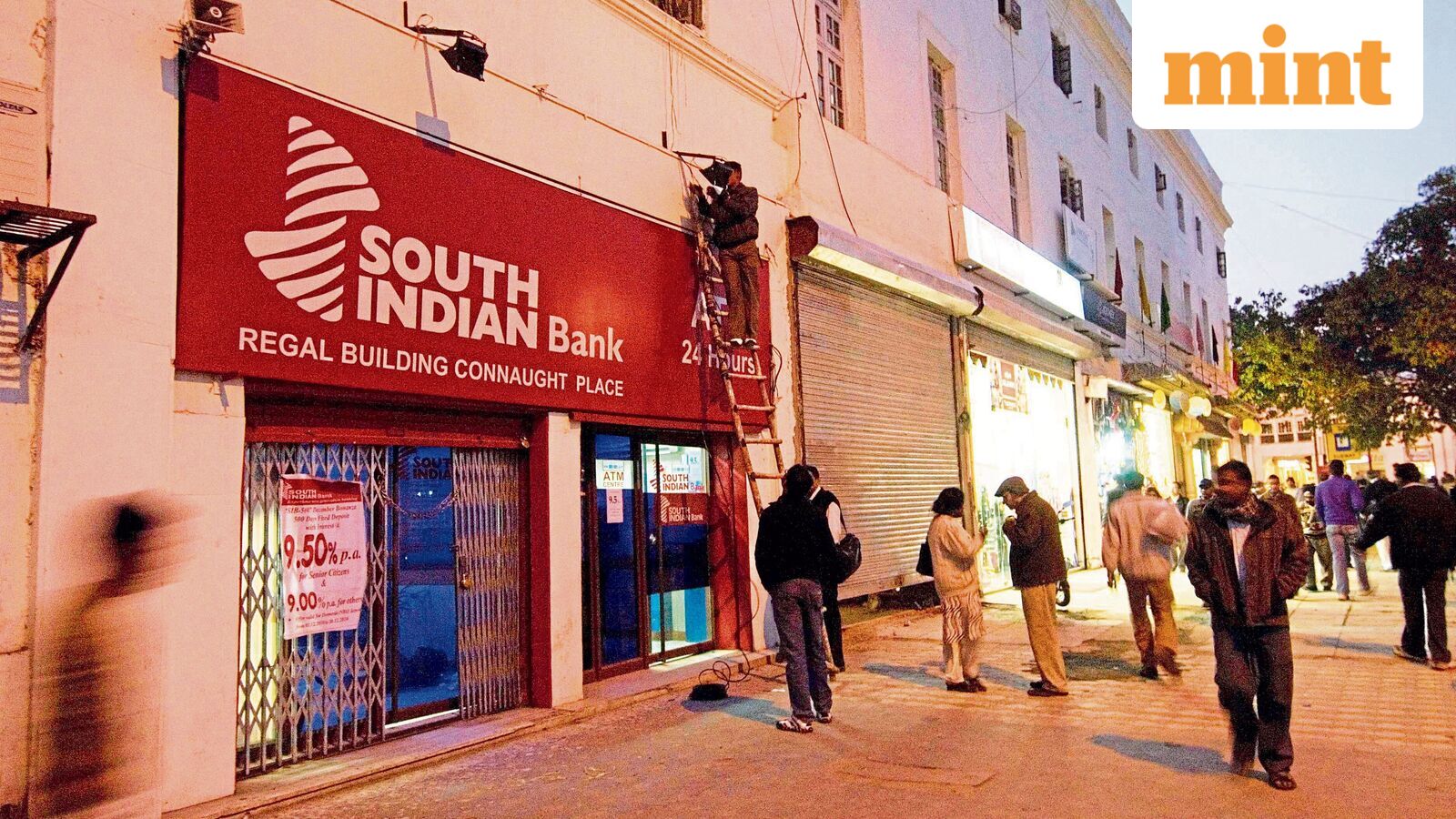
After the big foreign bet on Indian lenders this year, older private banks get on to the 2026 radar
MINT· 2025-12-20 01:31
Core Insights - The year 2026 is expected to see mid-sized lenders and foreign capital becoming more prominent in mergers and acquisitions within the banking sector [1] - India is increasingly attracting global capital, as evidenced by Mitsubishi UFJ Financial Group's significant investment in Shriram Finance [2] - The focus is shifting towards upgrading the banking system rather than merely recapitalizing weak banks [5] Investment Trends - Major deals in the past year include Emirates NBD acquiring a 60% stake in RBL Bank and Blackstone's investment in Federal Bank, indicating a trend of capital flowing into banks poised for growth [3][4] - Mid-sized banks are viewed as attractive to foreign investors due to their growth potential and healthy capital buffers, with several banks reporting capital adequacy ratios well above the RBI's minimum requirement [8] Competitive Landscape - The banking sector is experiencing simultaneous consolidation and competition, with various types of banks evolving into new forms, creating a crowded ecosystem [10] - Private equity interest in Indian banks is expected to remain strong as India is one of the few global growth stories [11] Governance and Reform - Foreign investors are likely to be cautious and will require banks to improve governance and performance before committing capital [12][16] - Some banks, like South Indian Bank, are already initiating governance reforms, while others may need deeper changes to attract foreign investment [12] Funding Dynamics - Older private sector banks face challenges in accessing low-cost funding and maintaining strong current account and savings account (CASA) ratios, which affects their growth potential [14][15] - Federal Bank stands out with a CASA ratio of 31.01%, while other banks have shown mixed trends, indicating varying levels of funding pressure [14] Future Outlook - Foreign investors are looking for strong growth visibility and governance influence, which may be difficult under the current management structures of older private sector banks [16] - The industry consensus suggests that while foreign capital is available, it will be selective and contingent on banks' willingness to reform and innovate [17]