
Pfizer(PFE)

Search documents
Should You Buy, Sell or Hold Pfizer Stock Ahead of Q4 Earnings?
ZACKS· 2026-01-30 14:01
Core Viewpoint - Pfizer is expected to report its Q4 and full-year 2025 earnings on February 3, with consensus estimates of $16.93 billion in sales and $0.57 earnings per share (EPS) [1][7]. Earnings Estimates - The Zacks Consensus Estimate for Pfizer's Q4 sales is $16.93 billion and EPS is $0.57, with a decline in 2026 earnings estimates from $3.15 to $2.99 per share over the past 60 days [1][2]. - The earnings surprise history shows Pfizer has exceeded earnings expectations in the last four quarters, with an average surprise of 35.33% [2][3]. Segment Performance Expectations - Q4 growth is anticipated from oncology drugs and Vyndaqel, but offset by weaker COVID products and Prevnar [7]. - Sales of Vyndaqel, Eliquis, Padcev, and Lorbrena are expected to drive top-line growth, while Prevnar and Xeljanz sales have declined [8]. - The Zacks Consensus Estimate for Eliquis alliance revenues is $2.14 billion, and for Prevnar family vaccines is $1.65 billion [10][11]. - Revenues from Comirnaty are expected to decline due to narrower COVID-19 vaccine recommendations, with estimates of $2.0 billion for Comirnaty and $289 million for Paxlovid [12][13]. Oncology and Specialty Care Insights - Oncology sales are expected to be driven by Xtandi, Lorbrena, and Braftovi-Mektovi, while Ibrance sales may decline [14]. - The Zacks Consensus Estimate for Padcev is $527 million and for Ibrance is $1.03 billion [15]. - In Specialty Care, Vyndaqel sales are expected to remain strong at $1.66 billion, while Xeljanz and Enbrel sales may decline [16]. Financial Guidance and Acquisitions - Pfizer expects total revenues for 2026 to be between $59.5 billion and $62.5 billion, with adjusted EPS in the range of $2.80-$3.00 [17]. - A one-time R&D charge related to the acquisition of Metsera will impact Q4 EPS [18]. Stock Performance and Valuation - Pfizer's stock has declined 1.6% over the past year, compared to a 16.4% return for the industry [20]. - The stock trades at a forward P/E ratio of 8.84, lower than the industry average of 18.18 and its five-year mean of 10.25 [23]. Long-Term Outlook - Pfizer's dependence on COVID-related revenues has decreased, with non-COVID operational revenues improving [26]. - The company is focusing on rebuilding its pipeline through acquisitions, with significant investments in business development [28]. - However, challenges remain, including declining COVID product sales and upcoming patent expirations that could negatively impact revenues by approximately $1.5 billion in 2026 [29][30]. - Long-term investors may consider holding the stock as Pfizer aims for growth from its oncology and obesity pipeline starting in 2029 [33].


生物医药下一个风口在哪?跨国药企湾区论道
Sou Hu Cai Jing· 2026-01-29 15:43
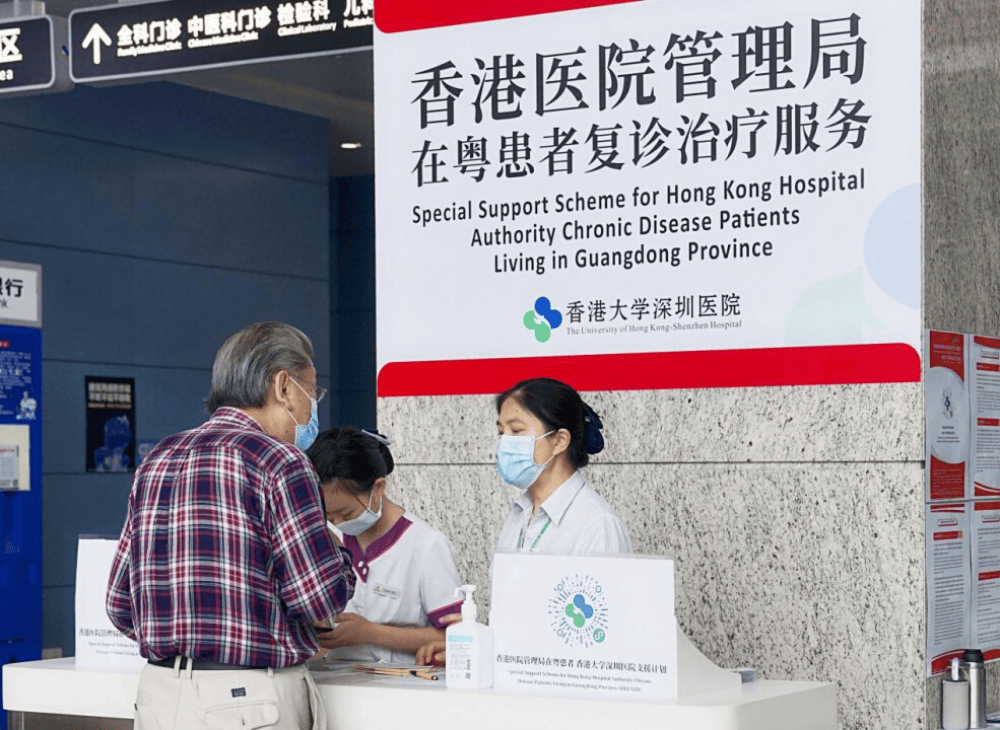
Core Insights - The gathering of over 40 executives from 15 multinational pharmaceutical companies in the Greater Bay Area (GBA) highlights the region's growing importance in the biopharmaceutical industry [1][3] - The event serves as a platform for dialogue between government and industry leaders to explore the GBA's advantages and future potential in biopharmaceutical development [1][3] Group 1: Investment and Development - Multinational pharmaceutical companies are increasingly establishing production bases and regional headquarters in the GBA, signaling strong confidence in the region's biopharmaceutical industry [3][4] - The GBA has been recognized for its favorable business environment, with Guangdong province leading in foreign investment and being rated as having the best business environment in China [4][6] Group 2: Market Potential and Resources - Guangdong's healthcare market is vast, with a basic medical insurance enrollment of 112 million people by the end of 2024, and it leads the nation in the scale of pharmaceutical circulation and the number of top-tier hospitals [4][9] - The integration of the Guangdong-Hong Kong-Macao markets is unlocking significant potential in the biopharmaceutical sector, with a focus on translating advantages into patient benefits [6][12] Group 3: Regulatory and Collaborative Framework - The "Hong Kong-Macao Drug and Medical Device Access" initiative has facilitated the approval of 149 drug and medical device varieties, enhancing patient access to innovative treatments [7][8] - The establishment of a provincial commercial health insurance platform aims to alleviate patient financial burdens, further promoting the use of innovative drugs [8][9] Group 4: Innovation and Research - The GBA is becoming a key innovation hub, with one-third of global biopharmaceutical research pipelines originating from China, and many multinational companies are shifting early-stage research to the region [9][11] - The region has seen a significant increase in the approval of innovative drugs and medical devices, with a 667% increase in first-class innovative drugs approved during the 14th Five-Year Plan compared to the previous period [9][10] Group 5: Future Directions and Challenges - The collaboration between Guangdong and Hong Kong is crucial for enhancing the accessibility of innovative drugs, with a focus on real-world data and joint research initiatives [12][16] - Challenges such as cross-border regulation, data flow, and talent mobility need to be addressed to optimize the biopharmaceutical industry's collaborative efforts in the GBA [16][17]

Ahead of Pfizer (PFE) Q4 Earnings: Get Ready With Wall Street Estimates for Key Metrics
ZACKS· 2026-01-29 15:16
Core Viewpoint - Pfizer is expected to report a decline in quarterly earnings and revenues, indicating challenges in its financial performance compared to the previous year [1]. Financial Performance - Quarterly earnings per share (EPS) are predicted to be $0.57, a decrease of 9.5% year-over-year [1]. - Revenues are forecasted at $16.93 billion, reflecting a year-over-year decrease of 4.7% [1]. Earnings Estimate Revisions - There has been a 2% downward revision in the consensus EPS estimate over the last 30 days, indicating analysts' reassessment of their forecasts [2]. - Revisions to earnings projections are crucial for predicting investor behavior and stock price performance [3]. Revenue Estimates by Segment - Revenues from Oncology (Ibrance) are expected to reach $1.03 billion, down 6.1% from the prior year [5]. - Specialty Care (Xeljanz) revenues are estimated at $335.30 million, a decrease of 3.9% year-over-year [5]. - Specialty Care (Inflectra) revenues are projected at $173.25 million, showing a significant increase of 36.4% year-over-year [6]. - Oncology (Xtandi) revenues are expected to be $622.10 million, reflecting a 10.1% increase from the previous year [6]. Regional Revenue Insights - U.S. revenues for Oncology (Ibrance) are estimated at $665.80 million, down 6.6% from the year-ago quarter [7]. - Total international revenues for Specialty Care (Xeljanz) are expected to be $112.62 million, indicating a 12% decline year-over-year [7]. - U.S. revenues for Specialty Care (Inflectra) are projected at $150.80 million, a substantial increase of 135.6% year-over-year [8]. - Pfizer CentreOne revenues in the U.S. are estimated at $92.82 million, reflecting a 13.2% increase from the prior year [9]. Overall Market Performance - Pfizer shares have returned +3.9% over the past month, outperforming the Zacks S&P 500 composite's +0.8% change [10]. - With a Zacks Rank of 5 (Strong Sell), Pfizer is expected to underperform the overall market in the near future [10].

Pfizer: A High-Yield Pharma At A Turning Point
Seeking Alpha· 2026-01-29 14:00
Core Insights - Allka Research has over two decades of experience in investment, focusing on uncovering undervalued assets in ETFs, commodities, technology, and pharmaceutical sectors [1] - The company emphasizes a conservative investment approach, aiming to deliver substantial returns and strategic insights to clients [1] - Allka Research is committed to simplifying investment strategies, making them accessible to both seasoned and novice investors [1] Company Mission - The mission of Allka Research is to empower individuals financially by sharing knowledge and insights through the Seeking Alpha platform [1] - The company aims to provide thought-provoking analyses and informed perspectives to foster a community of informed investors [1] - Allka Research seeks to demystify investing, inspiring confidence in readers to navigate the financial markets intelligently [1]

Pfizer Inks $530M Deal for Novavax Matrix-M Adjuvant Technology to Boost Vaccine Pipeline
Yahoo Finance· 2026-01-29 07:07
Group 1 - Pfizer Inc. is considered one of the best inexpensive stocks to buy currently, particularly following a licensing agreement with Novavax for the Matrix-M adjuvant technology [1] - The Matrix-M technology is intended to enhance immune responses to vaccines and will be utilized by Pfizer for two infectious diseases, with Pfizer managing development, manufacturing, and commercialization [1] - Pfizer announced positive results from the BREAKWATER trial, showing a 64% objective response rate for the BRAFTOVI regimen combined with cetuximab and FOLFIRI in patients with metastatic colorectal cancer, compared to 39% for standard treatment [2][3] Group 2 - The addition of chemotherapy to the BRAFTOVI regimen significantly improved response rates, indicating potential flexibility in treatment options for patients with BRAF V600E mutations [3] - Pfizer's operations encompass the discovery, development, manufacturing, marketing, distribution, and sale of biopharmaceutical products both in the US and internationally [4]
This Could Be 1 of the Best Pharmaceutical Stock-Buying Opportunities I've Seen in Years
Yahoo Finance· 2026-01-29 00:23
Core Viewpoint - Pfizer has faced significant challenges over the past three years, with its stock performance declining after the initial success during the COVID-19 pandemic, and it is currently projected to have a revenue rebound in the future [1][2]. Financial Performance - Projected revenue for 2025 is between $61 billion and $64 billion, significantly lower than the record-breaking revenue of over $100 billion in 2022 [2]. - Despite setbacks, Pfizer could potentially add $10 billion or more in new revenue by 2030 through new drug developments [4]. Drug Development and Acquisitions - Pfizer is focusing on developing several new billion-dollar oncology drugs by 2030 and has acquired a weight-loss drug through a $10 billion acquisition of Metsera, which targets a market potentially worth over $150 billion annually [3]. - Recent acquisitions, including Arena Pharmaceuticals in 2022 and a $43 billion deal for Seagen in 2023, are expected to enhance Pfizer's drug pipeline, although these prospects will not yield results until after 2030 [5]. Investment Considerations - Investors may consider waiting for more clarity on Pfizer's growth opportunities, but as these become clearer, the stock price may increase, reducing the current attractive forward-looking dividend yield of 6.7% [6]. - Pfizer was not included in a recent list of the top 10 stocks recommended for investment, indicating a cautious sentiment among analysts regarding its immediate investment potential [7].
三生制药(1530.HK):辉瑞全速推进707全球临床 ADC联用蓄势待发
Ge Long Hui· 2026-01-28 20:49
Core Viewpoint - Pfizer has unveiled a significant R&D plan for 707/PF'4404 (PD-1/VEGF) in collaboration with 3SBio, with an accelerated pace and breadth beyond expectations, aiming to initiate four global Phase III clinical trials by 2026 across five major first-line indications [1][2] Group 1: Clinical Development - Pfizer plans to launch four Phase III clinical trials in 2026 targeting first-line squamous/non-squamous NSCLC, mCRC, endometrial cancer, and urothelial carcinoma [2] - The company has already completed the first patient enrollment for Phase III trials targeting first-line NSCLC and mCRC, as well as Phase II/III trials for first-line ES-SCLC [2] - Pfizer will also initiate Phase III clinical studies combining 707 with various ADCs, such as Padcev for first-line treatment of urothelial carcinoma [2] Group 2: Competitive Landscape - Four multinational corporations (MNCs) are competing in the PD-(L)1/VEGF space, including Pfizer, BMS, Merck, and AbbVie, with Pfizer expected to stand out due to its "speed, breadth, and depth" advantages [2] - BMS and BioNTech have announced extensive clinical plans, but their progress in core indications like first-line NSCLC and mCRC lags behind Pfizer [2] Group 3: Pipeline and Financials - 3SBio is increasing R&D investments with multiple pipelines expected to yield clinical data, including 705 (PD-1/HER2) and 706 (PD-1/PD-L1) in Phase II trials in China [3] - The core business fundamentals of 3SBio remain robust, with projected revenue of approximately 4.2 billion yuan in 2025, including 2.89 billion yuan from the upfront payment for 707 licensing [3] - Excluding the upfront payment, the internal business revenue of 3SBio is estimated to grow by about 9% year-on-year [3] Group 4: Investment Rating - The company maintains a "Buy" rating with a target price of 37.43 HKD, supported by an estimated net cash position of approximately 13 billion yuan [4] - Confidence in 707 becoming a global blockbuster is reaffirmed due to Pfizer's unexpected clinical advancement [4]
招银国际每日投资策略-20260128
Zhao Yin Guo Ji· 2026-01-28 05:56
Group 1: Market Overview - The Hang Seng Index closed at 27,127, up 1.35% for the day and 5.84% year-to-date [1] - The Hang Seng Financial Index rose by 2.51% for the day and 5.88% year-to-date, indicating strong performance in the financial sector [2] - Southbound capital recorded a net sell of 635 million HKD, with notable sell-offs in China Mobile, Zijin Mining, and SMIC, while Tencent and Longi Green Energy saw significant net buying [3] Group 2: Company Analysis - Sanofi - Sanofi's collaboration with Pfizer on the 707/PF'4404 (PD-1/VEGF) has advanced rapidly, with plans to initiate four global Phase III clinical trials by 2026 covering five major indications [4] - The dual antibody PD-(L)1/VEGF is expected to become a cornerstone in next-generation tumor immunotherapy, with Sanofi leveraging its internal pipeline for competitive advantage [5] - Sanofi's robust pipeline includes multiple candidates, with the potential for early assets to be licensed out as clinical data matures [6] Group 3: Financial Projections - The target price for Sanofi is set at 37.43 HKD, based on a DCF model with a WACC of 10.11% and a perpetual growth rate of 2.0% [7] - The company is estimated to have net cash of approximately 13 billion HKD, supporting its growth and development initiatives [7]
JPMMNC肿瘤进展梳理:IO和ADC为焦点,联用将迎突破-20260128
Orient Securities· 2026-01-28 05:14
Investment Rating - The report maintains a "Positive" outlook for the pharmaceutical and biotechnology industry in China [6] Core Insights - The focus remains on the combination of IO (Immuno-Oncology) and ADC (Antibody-Drug Conjugates), with significant advancements expected in their joint applications [10][11] - The year 2026 is identified as a critical year for the confirmation of IO combined with ADC, with expectations for increased demand for ADCs, particularly in the context of various cancer treatments [11][41] Summary by Sections Section 1: Focus on Second-Generation IO and ADC - Merck's sac-TMT is a strategic focus, with 16 ongoing Phase III clinical trials, particularly in gynecological tumors [14][15] - AstraZeneca has 8 ADCs in clinical stages, with significant data readouts expected in 2026 [19][20] - Pfizer is advancing 4 Phase III trials for its PD-1/VEGF dual antibody SSGJ-707, highlighting its strategic importance in oncology [26][27] - Johnson & Johnson aims to become the leading oncology company by 2030, focusing on multiple myeloma and other cancers [30] - Bristol-Myers Squibb (BMS) is advancing its PD-L1/VEGF dual antibody with multiple ongoing trials [32] Section 2: Confirming the Year of "IO+ADC" Combination - The combination of IO and ADC is seen as a key development direction, with various clinical trials underway [41] - The first-generation IO combined with ADC is competitive, with sac-TMT emerging as a significant player [42] - The second-generation IO combined with chemotherapy is led by AK112, with multiple milestones expected in the coming years [47] - The second-generation IO combined with ADC is still in early exploration, with AstraZeneca leading the way [49] Section 3: Investment Recommendations and Targets - The report identifies several investment targets, including Kangfang Biotech, 3SBio, and others, emphasizing their potential in the oncology sector [11][56]


三生制药:辉瑞全速推进707全球临床,ADC联用蓄势待发-20260128
Zhao Yin Guo Ji· 2026-01-28 02:24
Investment Rating - The report maintains a "Buy" rating for the company with a target price of HKD 37.43, representing a potential upside of 55.5% from the current price of HKD 24.08 [2][8]. Core Insights - Pfizer is rapidly advancing the global clinical development of 707/PF'4404 (PD-1/VEGF), with plans to initiate four Phase III trials in 2026 targeting five major indications. This development is expected to position Pfizer favorably in the competitive landscape of next-generation cancer immunotherapy [1][8]. - The collaboration between Pfizer and the company is anticipated to unlock significant global value for 707/PF'4404, serving as a key catalyst for the company's upward trajectory [1][8]. - The company is also increasing its R&D investments, with multiple pipelines expected to yield clinical data soon, enhancing the potential for external licensing opportunities [8][12]. Financial Summary - For FY23A, the company reported sales revenue of RMB 7,816 million, with a year-on-year growth of 13.8%. Projections for FY24A and FY25E are RMB 9,108 million and RMB 17,972 million, respectively, indicating a significant growth trajectory [2][15]. - The net profit attributable to shareholders for FY23A was RMB 1,549 million, reflecting a decline of 19.1% year-on-year, but is expected to rebound to RMB 2,090 million in FY24A and surge to RMB 9,741 million in FY25E, marking a growth of 366.0% [2][15]. - The earnings per share (EPS) for FY25E is projected at RMB 3.84, with a price-to-earnings (P/E) ratio of 5.6, indicating a strong valuation relative to earnings [2][15]. Market Position and Shareholder Structure - The company's market capitalization stands at HKD 61,115.2 million, with a 52-week stock price range of HKD 35.90 to HKD 6.01 [3][4]. - Major shareholders include TMF (Cayman) Ltd. with 22.8% and Decade Sunshine with 19.6%, indicating a concentrated ownership structure [4]. Clinical Development and Pipeline - The report highlights the competitive landscape for PD-(L)1/VEGF therapies, with Pfizer's strategy of combining IO with ADCs (antibody-drug conjugates) as a unique advantage [1][8]. - The company has several promising candidates in its pipeline, including 705 (PD-1/HER2) and 706 (PD-1/PD-L1), which are currently in Phase II trials in China [8][12]. Valuation and Forecast Adjustments - The report adjusts the financial forecasts for FY25E and FY26E, reflecting a slight increase in revenue expectations due to the anticipated success of the 707 program [12][13]. - The DCF valuation analysis estimates a per-share value of HKD 37.43, based on a weighted average cost of capital (WACC) of 10.11% and a perpetual growth rate of 2.0% [13][14].