新冠疫苗

Search documents
股价暴跌近18%!BioNTech2026年收入指引低于预期 !
美股IPO· 2026-03-10 23:55
Core Insights - The company reported a fourth-quarter adjusted loss that was below analyst expectations, with a diluted adjusted loss per share of €0.33 compared to a profit of €1.79 per share a year earlier [2] - The quarterly revenue for the period ending December 31 was €907.4 million, down from €1.19 billion a year ago, while analysts had expected revenue of €768.3 million [2] - For the full year 2026, the company projected revenue between €2 billion and €2.3 billion, which is lower than the analyst expectation of €2.75 billion [2] Company Developments - The founder of BioNTech SE is leaving the company to establish a new biotechnology firm focused on messenger RNA (mRNA) technology, which is the core technology behind its successful COVID-19 vaccine [3]


明星产品市场扩容驱动 康希诺扭亏为盈
BambooWorks· 2026-03-05 09:31
Core Viewpoint - 康希诺生物在疫苗行业面临竞争压力和市场萎缩的背景下,成功实现营收增长和净利润扭亏为盈,但依赖于单一产品的风险显著 [2][4][5] Group 1: Financial Performance - 康希诺在2025年实现营业总收入约10.68亿元,较上年同期增长26.18%,归母净利润约为2,787.27万元,成功扭亏为盈 [2] - 扭亏为盈主要依赖政府补助等非经常性收益,扣除非经常性损益后净亏损为9250.07万元,仍未实现主营业务盈利 [4] - 旗舰产品曼海欣的销售额持续增长,成为业绩改善的主要驱动力 [4] Group 2: Product Dependency - 康希诺的营收增长几乎完全依赖于曼海欣和美奈喜两款流脑疫苗,二者收入占总营收的97% [5] - 新冠疫苗的收入大幅下降,仅实现1041.3万元,占比约2.7% [5] - 产品结构单一使公司抗风险能力脆弱,面临竞争者的挑战 [5] Group 3: Market Challenges - 2025年中国新生儿数量减少至792万,儿童疫苗需求明显萎缩,行业整体陷入亏损状态 [6] - 竞争对手智飞生物和沃森生物的同类产品即将上市,可能导致价格压力和市场份额的下降 [5][6] Group 4: International Expansion - 康希诺已启动国际化市场的开拓,曼海欣在印度尼西亚获批注册并计划拓展至东南亚、中东、南美及北非等地区 [6] - 公司还积极推动技术出海,启动吸入用肺结核疫苗的I期临床试验 [6] Group 5: Market Valuation - 康希诺的市净率约为1.53倍,显示市场对其创新产品管线给予了更高的成长预期溢价 [7]


美政府削减儿童疫苗接种计划 遭15个州联合起诉
Xin Hua She· 2026-02-25 09:32
Core Viewpoint - A coalition of 15 states, led by California and Arizona, has filed a lawsuit against the federal government, claiming that the reduction of recommended childhood vaccines by the CDC is illegal and poses a risk to public health [1][2] Group 1: Lawsuit Details - The lawsuit was filed in the Northern District of California and names key officials, including the Secretary of Health and Human Services and the acting director of the CDC, as defendants [1] - The states involved in the lawsuit are all governed by Democrats, highlighting a political dimension to the legal action [1] Group 2: Vaccine Policy Changes - The CDC announced on January 5 that it would no longer classify seven childhood vaccines as "universally recommended," which include vaccines for rotavirus, meningitis, hepatitis A, hepatitis B, influenza, COVID-19, and respiratory syncytial virus [1] - Critics, including California's Attorney General, argue that this decision undermines public confidence in vaccines, potentially leading to decreased vaccination rates and increased healthcare costs for states [1] Group 3: Leadership and Policy Criticism - The Secretary of Health and Human Services, Robert Kennedy, has been criticized for his anti-vaccine stance and for making significant cuts to the CDC's budget and personnel, raising concerns within the public health community [1] - Kennedy's restructuring of the CDC's Advisory Committee on Immunization Practices has also been challenged in the lawsuit, with claims that the new appointees lack the necessary expertise [2]
A股发行价最高的10只股票,其中七成破发,其中有1只跌幅达93%!
Sou Hu Cai Jing· 2026-02-19 12:21
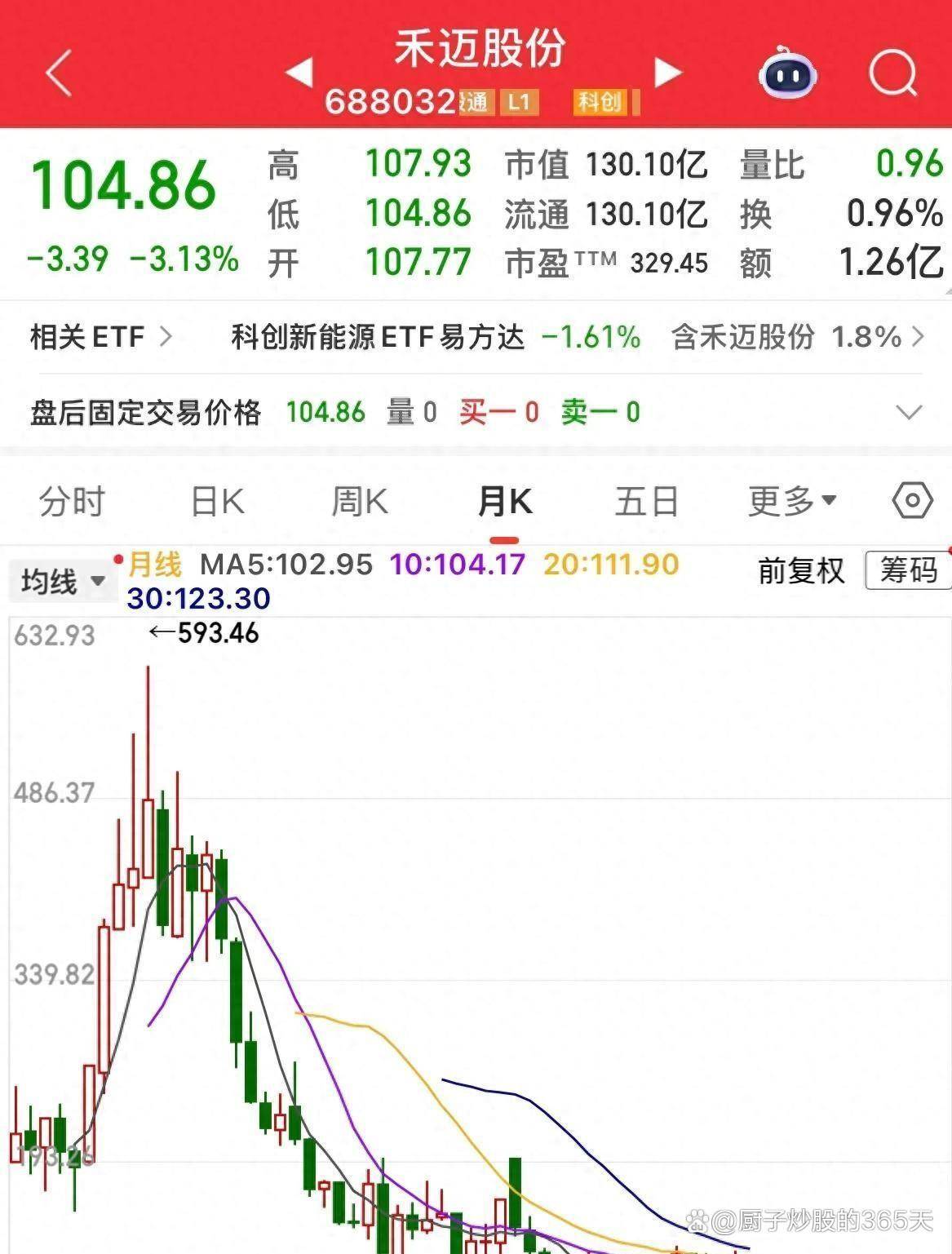
Core Viewpoint - The article discusses the significant decline in the stock prices of ten high-issue-price stocks in the A-share market, with seven of them falling below their issue prices, highlighting the risks associated with high valuations and market sentiment shifts [1][22]. Group 1: Stock Performance - Among the ten stocks, only Stone Technology, Naxin Micro, and BeiGene remain above their issue prices as of mid-February 2026 [6][8]. - The maximum decline from issue prices includes: - CanSino down 69.15% - Wanrun New Energy down 58.54% - Huabao New Energy down 54.93% - Yiqiao Shenzhou down 42.22% - Hemai down 32.82% - Foxit Software down 22.17% - Suocheng Technology down 12.83% [10]. - CanSino experienced a dramatic drop of 93% from its peak price of 797.20 yuan to 63.90 yuan [11][19]. Group 2: Company Backgrounds - Hemai, the highest issue price stock at 557.80 yuan, faced a significant decline after reaching a peak of 1877.43 yuan [12]. - Wanrun New Energy, listed at 299.88 yuan, never reached its issue price after its first day of trading [15]. - Yiqiao Shenzhou, with an issue price of 292.92 yuan, peaked at 353.83 yuan before falling to 73.38 yuan [16]. - CanSino, a COVID-19 vaccine stock, was listed at 209.71 yuan and peaked at 797.20 yuan before its decline [17]. Group 3: Market Conditions and Trends - The high issue prices were driven by market enthusiasm for sectors like hard technology, new energy, and biomedicine during the registration reform period from 2020 to 2023 [5][4]. - The overall market sentiment has shifted, leading to a decline in these stocks as the initial excitement waned [22]. - The article notes that the current new stock market shows a stark contrast, with a recent increase in participation and initial gains, but also warns of accumulating risks [24][26]. Group 4: Investment Implications - The high issue prices and P/E ratios of these stocks are no longer guarantees of company strength, but rather potential warning signs of investment risk [28]. - The article emphasizes that the era of easy profits from new stock subscriptions has ended, requiring more thorough research and disciplined investment strategies [27].


莫德纳2025年Q4财报超预期,股价单日大涨7.58%
Jing Ji Guan Cha Wang· 2026-02-13 19:42
Core Viewpoint - Moderna's stock price surged 7.58% to $43.15 after the release of its Q4 and full-year 2025 financial results, reaching a new high for the year [1] Financial Performance - Q4 revenue was $678 million, exceeding market expectations of $625.1 million, despite a 30% year-over-year decline; strong sales of COVID-19 vaccines in the U.S. alleviated concerns about ongoing revenue shrinkage [2] - Full-year operating expenses for 2025 were revised down to $5-5.2 billion, a reduction of $200 million from previous guidance; year-end cash reserves are expected to reach $8.1 billion, up from earlier estimates of $6.5-7 billion, enhancing financial resilience [3] - Q4 loss per share was $2.11, an improvement from a loss of $2.91 in the same period last year, indicating a contraction in losses [3] Business Developments - The RSV vaccine mRESVIA has been approved in 40 countries; although the flu vaccine mRNA-1010 was rejected by the FDA, the company plans to reapply with additional data; the personalized cancer vaccine mRNA-4157, in collaboration with Merck, has entered Phase III clinical trials, indicating progress in a diversified pipeline [4] - Management emphasized a shift of resources towards high-margin beauty and health businesses, optimizing the brand portfolio [4] Market Performance - On the same day, the Nasdaq index rose by 0.42%, and the biotechnology sector increased by 1.85%, reflecting positive industry sentiment [5] Capital and Technical Aspects - Low valuation (negative TTM P/E) and high volatility attracted short-term capital inflows, with a daily price fluctuation of 8.90% and trading volume at 1.6 times the recent average [6] Future Outlook - The setback in flu vaccine approval may delay the 2028 breakeven target; the company remains reliant on COVID-19 vaccine revenue, which constitutes the majority of Q4 2025 revenue, and the commercial success of new pipelines is yet to be observed [7]
莫德纳新冠疫苗销售稳健,季度营收超出预期
Xin Lang Cai Jing· 2026-02-13 12:55
Core Viewpoint - Moderna reported better-than-expected sales performance of its COVID-19 vaccine in the U.S., leading to fourth-quarter revenue exceeding Wall Street expectations [1][2]. Group 1: Financial Performance - The company's quarterly revenue was $678 million, surpassing the analyst average expectation of $626.1 million [2]. - Moderna has faced financial pressure due to a significant decline in COVID-19 vaccine demand following the pandemic [1]. Group 2: Future Outlook - The company reiterated its expectation for a 10% revenue growth in 2026 [2]. - Moderna is actively developing new products to fill the revenue gap and demonstrate the long-term viability of its mRNA technology [1].

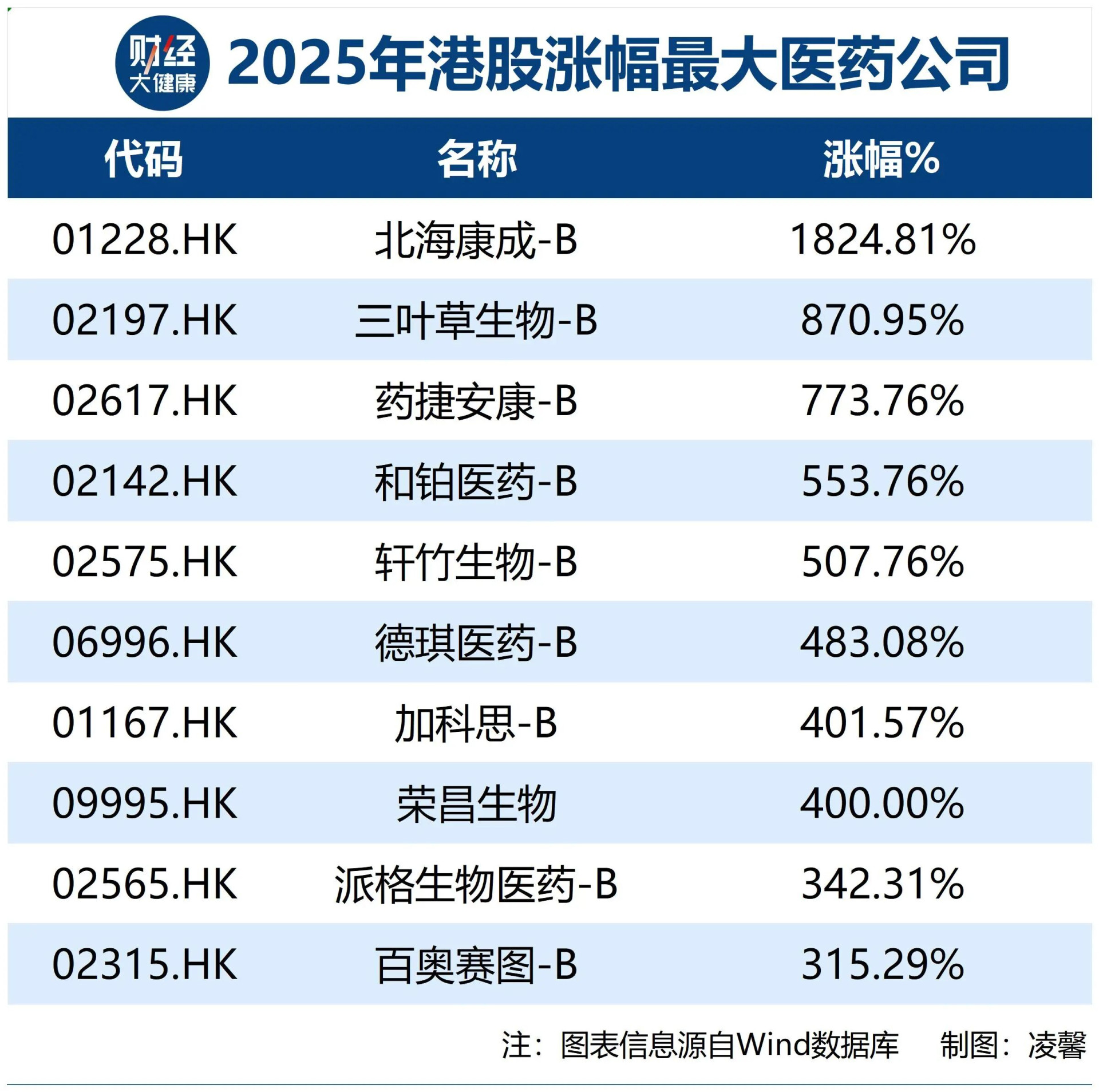
最高涨幅1824%,2025年哪些医药股涨疯了
Cai Jing Wang· 2026-02-13 08:56
Group 1 - The core viewpoint of the article highlights the significant rise in Chinese pharmaceutical stocks, with many companies experiencing substantial stock price increases, referred to as "X-fold stocks" [1] - The article discusses the emergence of several "three-fold," "four-fold," and even "ten-fold" stocks in the Hong Kong market, driven by various factors including overseas product licensing and market recovery [1] Group 2 - Beihai Kangcheng, once known as the "first stock in rare diseases," has struggled financially but saw a turnaround after a share subscription agreement with Baiyang Pharmaceutical, leading to a significant increase in its stock price [5][6][7] - Sanleaf Biotech, which went public in 2021, has faced challenges in the vaccine market, resulting in continuous losses, but is focusing on developing RSV vaccines as a potential growth area [8][9] - Yaojie Ankang experienced a dramatic stock price increase shortly after its IPO, driven by speculative trading, but has since seen a decline in its market value [9][10] - Hecui Pharmaceutical has established itself as a leader in business development (BD) transactions, achieving significant revenue through collaborations with multinational pharmaceutical companies [10][11][12] - Xuan Bamboo Biotech benefited from a new subscription mechanism in Hong Kong, achieving an oversubscription of nearly 5000 times, and has a solid pipeline of products [13][14] - Deqi Pharmaceutical has regained institutional recognition and is expected to see a valuation rebound due to promising clinical data from its drug candidates [15][16] - Jako Pharmaceutical successfully developed a KRAS G12C drug, marking a significant achievement in targeting previously deemed "undruggable" targets [17] - Rongchang Biotech anticipates a return to profitability in 2025, driven by strong sales growth of its core products [18][19][20] - Paige Biopharma is focusing on the GLP-1 market, with several drugs in development, capitalizing on the growing demand for weight loss medications [21] - Baiaosaitu, a CRO, has differentiated itself in the market by integrating AI into its drug development processes, showcasing a unique growth trajectory [22][23][24]
辉瑞(PFE.US)Q4业绩超预期 但投资者更关注减肥药能否扛起增长大旗
智通财经网· 2026-02-03 13:16
Core Viewpoint - Pfizer's Q4 earnings report exceeded market expectations despite declining demand for COVID-related products, and the company reaffirmed its moderate guidance for 2026, which had previously raised investor concerns [1][2]. Financial Performance - Pfizer reported Q4 revenue of $17.56 billion, a slight year-over-year decline of approximately 1%, primarily due to decreased demand for COVID vaccines and the oral drug Paxlovid [1]. - COVID vaccine sales were $2.3 billion, down one-third year-over-year but above the $2 billion expectation; Paxlovid sales were $218 million, significantly below the $589 million forecast and down over two-thirds year-over-year [1]. - The company recorded a net loss of $1.65 billion for the quarter, translating to a loss of $0.29 per share, compared to a net profit of $410 million or $0.07 per share in the same period last year [2]. - Adjusted EPS for Q4 was $0.66, exceeding the market expectation of $0.57 [2]. Future Guidance - Pfizer maintained its 2026 guidance, projecting adjusted EPS between $2.80 and $3.00 and revenue of $59.5 billion to $62.5 billion, roughly flat compared to 2025 [2]. - The company anticipates a decline of approximately $1.5 billion in revenue from COVID products, expecting total sales for these products to drop to $5 billion [2]. - Loss of market exclusivity for several products, including Prevnar, is expected to contribute to an additional revenue decline of about $1.5 billion [2]. Market Competition and Pricing Strategy - Pfizer's CFO indicated that the 2026 guidance accounts for price compression and narrowing profit margins, as part of a drug pricing agreement with the U.S. government [2][3]. - Under this agreement, Pfizer will supply existing drugs to Medicaid patients at the lowest prices in other developed countries and provide equal "most favored nation" pricing for Medicare and commercial insurers [3]. New Product Development - To offset declining sales from COVID products and established drugs, Pfizer is investing in pipeline products, including a $10 billion acquisition of obesity biotech company Metsera [4]. - Initial data from Metsera's obesity injection showed significant weight loss effects, with participants losing up to 12.3% of their weight after 28 weeks [4]. - However, investor skepticism remains regarding whether this acquisition can compensate for the revenue shortfall from COVID vaccine and oral drug sales, especially in a market dominated by established players [4].

要分红530亿的科兴,不退市了,但十年内斗还没终结 || 深度
Sou Hu Cai Jing· 2026-01-30 01:28
Core Viewpoint - The ongoing power struggle within Sinovac Biotech has led to significant operational challenges, including a near delisting from NASDAQ, despite the company's previous financial success during the pandemic [2][4][6]. Group 1: Company Background and Current Status - Sinovac Biotech, once known as the "king of vaccines," has managed to retain its NASDAQ listing after receiving approval from the NASDAQ Hearing Committee [2]. - The company faced a delisting decision two months prior, which was a result of its inability to submit timely financial reports due to internal conflicts [4][5]. - Sinovac's stock has been suspended for nearly seven years due to ongoing disputes over control, preventing the company from releasing financial statements [6][8]. Group 2: Internal Power Struggle - The internal conflict began in 2016 with the privatization of Sinovac, leading to a split between co-founders Yin Weidong and Pan Aihua, who have since formed opposing factions [10][11]. - The struggle intensified during the 2018 shareholder meeting, where Yin's board was opposed by Pan's faction, resulting in legal battles that have continued for years [10][12]. - A ruling from the UK Privy Council in January 2025 confirmed procedural flaws in the 2018 shareholder meeting, further complicating the internal governance [12][13]. Group 3: Financial Performance and Challenges - In 2021, Sinovac reported revenues of approximately RMB 128 billion and a net profit exceeding RMB 95.5 billion, largely due to the demand for COVID-19 vaccines [22]. - However, post-pandemic, the company's performance has declined sharply, with a projected revenue drop of 23.04% in 2024 and a net profit decrease of 66.36% [25]. - The company is also facing a significant cash outflow due to a proposed dividend plan totaling $7.448 billion (approximately RMB 53.8 billion), which could deplete its cash reserves and hinder future R&D efforts [26][27]. Group 4: Future Outlook - To avoid delisting, Sinovac must submit its 2024 annual report and 2025 interim report by May 11, 2025, which requires a legally recognized board to approve the financial statements [17][18]. - The ongoing internal conflict poses a risk to the company's governance and operational stability, making it imperative for Sinovac to establish a legitimate board to facilitate decision-making and strategic growth [28][29].
昔日“疫苗之王”科兴控股大消息:美股上市地位保住了
凤凰网财经· 2026-01-24 09:07
Core Viewpoint - The recent decision by the Nasdaq Hearing Committee allows Sinovac Biotech Ltd. to maintain its listing status on the Nasdaq Global Market, contingent upon the timely submission of financial reports by May 11, 2026 [5][6]. Group 1: Financial Reporting and Compliance - Sinovac must complete the submission of its annual financial report for the fiscal year ending December 31, 2024, and the interim financial report for the second quarter of 2025 by May 11, 2026 [6][7]. - The company has engaged Zhonghua Certified Public Accountants to conduct independent audits and is working collaboratively to meet the reporting requirements [7][8]. Group 2: Historical Performance and Challenges - Sinovac's revenue peaked in 2021 with a total revenue of 135.49 billion yuan, reflecting a year-on-year increase of 3694.36%, and a net profit of 59.21 billion yuan, up 7571.97% [9]. - However, the demand for COVID-19 vaccines has sharply declined, leading to significant revenue drops of 92.30% in 2022 and 69.97% in 2023, with net profits decreasing by 98.66% and 187.75% respectively [9]. Group 3: Product Pipeline and Market Expansion - Sinovac has a diverse product pipeline beyond COVID-19 vaccines, including vaccines for hepatitis A, influenza, varicella, and inactivated polio vaccines [9]. - Recent approvals for new products, such as the 23-valent pneumococcal polysaccharide vaccine, and successful bids for international orders, indicate a potential for growth in international markets [9]. Group 4: Governance Issues - Sinovac has faced ongoing internal governance challenges, stemming from a power struggle between co-founders, which has led to significant operational disruptions [10][11]. - The company has been under scrutiny for governance failures, resulting in its stock being suspended by Nasdaq in 2019 [12].