
Family Dollar

Search documents
Dollar Tree(DLTR) - 2026 Q2 - Earnings Call Presentation
2025-09-03 12:00
Financial Performance - Adjusted diluted EPS from continuing operations was $0.77, including a $0.20 positive impact from tariff timing[6] - Dollar Tree segment gross margin expanded by 20 bps, but adjusted operating margin contracted by 20 bps[7] - Q2 2025 Dollar Tree GAAP operating margin was 8.0%, a decrease of 40 bps year-over-year; Non-GAAP operating margin was 8.1%, a decrease of 30 bps year-over-year[19, 20] - Dollar Tree sales per square foot reached $237 in Q2 2025[17] Sales and Comparable Store Sales - Dollar Tree comparable store sales increased by 6.5%, driven by a 3.0% increase in traffic and a 3.4% increase in average ticket[9] - Consumables comp increased by 6.7% and discretionary comp increased by 6.1%, the highest discretionary comp growth since Q4 2022[9] - Dollar Tree sales are projected to be between $19.3 billion and $19.5 billion for fiscal year 2025, with comparable sales growth of 4% to 6%[23] Real Estate and Store Operations - 106 new Dollar Tree stores were opened, bringing the total to 9,148 open stores[9] - 26 Family Dollar Combo stores were converted to full Dollar Tree stores, with the remaining 31 to be converted by year-end[9] - Approximately 400 new store openings are planned for fiscal year 2025[23] Capital Allocation and Balance Sheet - $145 million of YTD free cash flow from continuing operations and $666 million of cash and cash equivalents at quarter end[9] - 5.0 million shares were repurchased in Q2 for approximately $501 million, including excise tax, with an additional 0.6 million shares purchased for approximately $71 million after quarter end[9] - $1.0 billion of maturing May 2025 4.00% senior notes were paid off with cash on hand and commercial paper borrowings[9] - The sale of the Family Dollar business was completed for a purchase consideration of $1.0 billion, resulting in net proceeds of $800 million after adjustments[9]

Uber Welcomes New Retailers to its SNAP EBT Program
Prnewswire· 2025-07-16 12:00
Core Insights - Uber Eats has expanded its grocery and convenience selection for consumers using SNAP benefits, now including retailers like Wegmans, Gopuff, and Family Dollar [1][2] - The initiative aims to enhance food accessibility and support communities in need, allowing eligible customers to order groceries through the Uber Eats app [2][5] - The expansion provides access to tens of thousands of new stores for SNAP recipients, facilitating healthier food choices [5] Company Initiatives - Uber Eats is committed to increasing the number of retailers accepting SNAP EBT payments, with plans to onboard more merchants in the future [2][4] - The app now features a SNAP icon for easier browsing of SNAP-enabled retailers and grocery items [6] - EBT cardholders can benefit from promotional offers, including $0 Delivery Fee on their first three SNAP-eligible orders and a limited-time free trial of Uber One [6] Retailer Participation - A comprehensive list of U.S. retailers now accepting SNAP EBT benefits through Uber Eats includes major chains and local grocers, enhancing the service's reach [3][4] - The initiative is supported by Forage, a payments company that enables merchants to accept SNAP EBT payments, emphasizing the importance of technology in facilitating access to food [5][8] Social Impact - The expansion is seen as a vital step in addressing food insecurity and fostering inclusive communities, particularly for those lacking reliable transportation [4][5] - Uber's mission aligns with creating opportunities through movement, aiming to connect people with essential services [7]



Dollar Tree Stock Is Soaring. Is This the Time to Buy?
The Motley Fool· 2025-06-29 08:05
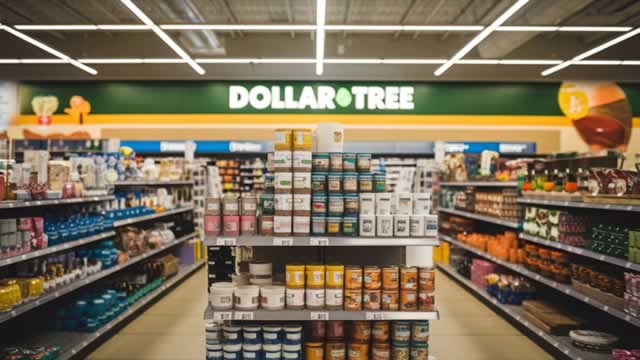
Core Viewpoint - Dollar Tree is experiencing a significant stock recovery and is poised for growth as it divests from Family Dollar and adopts a new pricing model, indicating potential for substantial investor gains [1][2][14] Company Developments - Dollar Tree's stock has increased over 60% since mid-March and is nearing a 52-week high, reflecting positive market sentiment [1][7] - The company is transitioning away from the Family Dollar brand, which has been a financial burden since its acquisition for $8.5 billion in 2015 [5][6] - Management changes include the resignation of CEO Rick Dreiling due to health issues, with Michael Creedon taking over [5] Financial Performance - Gross profit rose to $1.6 billion, aided by lower freight and occupancy costs, with adjusted earnings per share at $1.26 [10] - Same-store sales for the first quarter of fiscal 2025 showed a 5.4% increase, attributed to higher prices and increased customer traffic [9] - The company maintains a full-year revenue guidance of $18.5 billion to $19.1 billion and has raised its earnings per share forecast to $5.15 to $5.65 [10] Pricing Strategy - Dollar Tree is implementing a 3.0 multi-price store format, allowing for a wider range of products priced up to $7, which is expected to attract more customers [8] - The company aims to have half of its stores operating under this new format by the end of 2025, with approximately 3,400 stores already transitioned [8] Market Outlook - As a discount retailer, Dollar Tree is well-positioned to benefit from economic pressures that drive consumers towards lower-priced goods [11] - The stock is considered attractive with a price-to-earnings ratio of 19.7 and a forward P/E of 18.3, alongside a low price-to-sales ratio of 1.2 [13]
Dollar Tree Stock Sell-Off: Should You Buy the Dip?
The Motley Fool· 2025-06-27 07:23
Core Viewpoint - Dollar Tree is facing significant challenges due to trade relations with China, supply chain issues, and rising inflation, leading to a stock decline of over 40% since its 2022 high. However, the company is now focusing on its core business after spinning off Family Dollar, which may present new investment opportunities [1][11]. Company Overview - Dollar Tree operates as an ultra-discounter, offering a variety of products primarily at a $1.25 price point, with new price tiers introduced up to $7 due to inflationary pressures [4]. - The company is in the process of selling Family Dollar to two private equity firms for approximately $1 billion, having previously acquired it for over $9 billion in 2015 [5][6]. Financial Performance - In Q1 2025, Dollar Tree reported net sales of $4.6 billion, an 11% increase year-over-year, with same-store sales up 5.4% and net income rising 14% to $343 million [9]. - For the full year 2025, management projects net sales between $18.5 billion and $19.1 billion, indicating a 7% increase at the midpoint [9]. Market Position and Valuation - Despite recent losses, Dollar Tree's stock has increased by nearly 35% since the beginning of the year, although it remains down about 40% from its all-time high [10][11]. - The forward price-to-earnings (P/E) ratio is 19, suggesting that the stock may be attractive for new investors as the company refocuses on its core operations [10]. Future Outlook - The divestiture of Family Dollar is expected to allow Dollar Tree to concentrate on its primary business, potentially leading to market-beating returns and the possibility of surpassing its previous stock highs in the coming years [12].
美国“1元店”挤满中产,我们的折扣店却在退潮?
3 6 Ke· 2025-06-17 02:29
Core Insights - A notable retail signal is emerging in the U.S., where discount stores, traditionally serving low-income families, are now attracting middle and high-income households, reflecting deeper economic and social changes [1][2][4] - This trend contrasts with the rapid growth of discount retail in China and the decline of local membership-based supermarkets [1] Group 1: Discount Retail Trends in the U.S. - Discount stores, often referred to as "dollar stores," have historically provided affordable essentials for low-income families, but recent data shows an influx of higher-income customers [2][4] - Dollar General reported a record quarterly sales of $10.4 billion, with a 2.4% year-over-year increase in same-store sales, indicating a shift towards discount channels among higher-income consumers [7] - Dollar Tree also experienced significant growth, with a net sales increase of 11.3% to $4.6 billion, driven by 2.6 million new customers, primarily from higher-income brackets [7] Group 2: Economic Context and Implications - The shift towards discount retail is attributed to macroeconomic pressures, including a significant inflation rate that has altered consumer spending habits, even among middle-class families [9] - The performance of discount retailers is seen as a "reverse indicator" of economic sentiment, thriving during economic downturns while traditional retailers struggle [9] Group 3: Comparison with Chinese Discount Retail - In China, discount retail is gaining attention, with various discount stores rapidly expanding, but challenges such as reliance on clearance goods and unstable supply chains are emerging [10][12] - Chinese discount retailers often operate on a "channel arbitrage" model, lacking the robust supply chain and product differentiation seen in successful U.S. counterparts like Dollar Tree [12][14] - The operational inefficiencies and high costs associated with local membership stores have led to underperformance, highlighting a misalignment with the core principles of discount retail [14][19] Group 4: Strategic Insights for Future Growth - Successful discount retail hinges on product strength and operational efficiency, with a focus on offering better products at competitive prices [15][17] - Establishing a unique product pool and efficient operational systems will be crucial for discount retailers in China to gain consumer recognition and market share [19][20] - The long-term success of discount retail will depend on the ability to manage supply chains effectively and maintain low operational costs while delivering value to consumers [19][20]

NetSTREIT(NTST) - 2025 Q1 - Earnings Call Transcript
2025-04-29 19:57
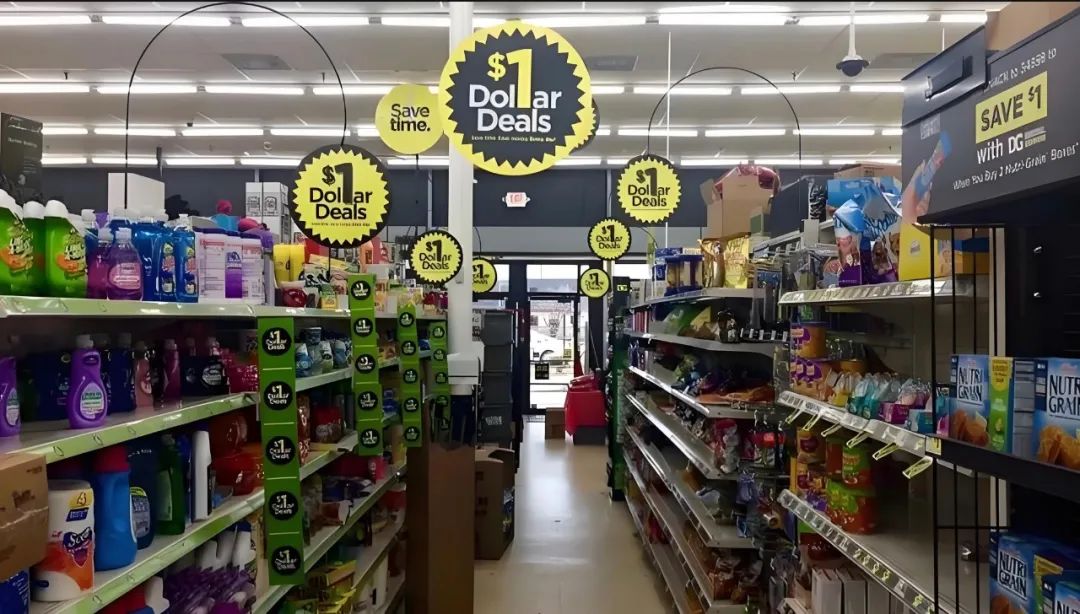
Financial Data and Key Metrics Changes - The company reported net income of $1.7 million or $0.02 per diluted share for the first quarter of 2025 [12] - Core FFO for the quarter was $24.6 million or $0.30 per diluted share, and AFFO was $26.2 million or $0.32 per diluted share, representing a 3.2% increase over the previous year [12] - Total recurring G&A increased by 5% year over year to $5.1 million, but represented 11% of total revenues compared to 13% in the prior year [12] Business Line Data and Key Metrics Changes - The company completed $90.7 million of gross investments at a blended cash yield of 7.7% during the quarter [4] - The weighted average lease term for these investments was 9.2 years, with 66% of ABR from investment grade and investment grade profile tenants [5] - The top five tenant concentration declined by 70 basis points to 28.2% of ABR, with the top tenant Dollar General reduced by 50 basis points to 8.1% of ABR [6] Market Data and Key Metrics Changes - The company ended the quarter with investments in 695 properties leased to 101 tenants across 26 industries in 45 states [5] - 71% of total ABR is leased to investment grade or investment grade profile tenants, with a weighted average lease term remaining of 9.7 years [6] Company Strategy and Development Direction - The company aims to reduce tenant concentrations and diversify its portfolio while maintaining a low leverage balance sheet [4] - The management is prepared to accelerate investment activity if there is a sustained improvement in the cost of equity [5] - The focus remains on necessity, discount, and service-oriented industries, which account for 88% of ABR, to weather economic downturns [8] Management's Comments on Operating Environment and Future Outlook - Management expressed confidence in achieving diversification goals and noted strong demand for properties despite economic uncertainties [8] - The company has maintained zero credit losses during COVID and continues to perform well despite negative headlines in the industry [9] - Management remains cautious about growth, emphasizing that they will not sacrifice the balance sheet for growth [11] Other Important Information - The company declared a quarterly cash dividend of $0.21 per share, payable on June 16, with an AFFO payout ratio of 66% for the first quarter [16] - Adjusted net debt was reported at $724 million, with a weighted average interest rate of 4.57% [14] Q&A Session Summary Question: Update on appetite for pharmacy and dollar stores - Management expects to reduce exposures to Dollar General and Walgreens below 5% by year-end, with strong interest from institutional buyers [18][19] Question: Expectations for ratings upgrade - Preliminary discussions for a ratings upgrade are planned for the latter half of the year, with potential savings of at least 30 basis points on debt [21][24] Question: Clarification on net investment activity - Management indicated that they would not increase acquisitions unless there is a change in equity price, maintaining a capital recycling strategy [27][28] Question: Update on Big Lots asset in Maryland - There is significant interest from retailers, and management is negotiating attractive LOIs while waiting for market dynamics to play out [34][35] Question: Impact of Walgreens take-private on risk profile - Management believes the take-private will not change the risk profile of Walgreens assets, as the focus will be on retail operations [37] Question: Expectations for portfolio changes and cap rates - Dispositions are expected to occur at mid to high 6% cap rates, while acquisitions will likely remain above 7.5% [45][46] Question: New store opening appetite - Tenants are still in growth mode, but uncertainty due to tariffs is causing some hesitation in decision-making [72][75] Question: Impact of tariffs on tenants - Tariffs have created confusion but are not expected to significantly impact tenant credit quality [103] Question: New tenant relationships in acquisitions - The company added three new tenants in the quarter, indicating ongoing diversification efforts [107]

Alpine me Property Trust(PINE) - 2025 Q1 - Earnings Call Transcript
2025-04-25 14:02
Financial Data and Key Metrics Changes - The company achieved AFFO of $0.44 per diluted share for Q1 2025, representing a growth of approximately 5% compared to Q1 2024 [5] - Total revenue for the quarter was $14,200,000, including lease income of $11,800,000 and interest income from commercial loans of $2,300,000 [11] - FFO and AFFO for the quarter were both $0.44 per diluted share, representing growth of 7.3% and 8% respectively compared to the prior year [11] - The company increased its common dividend to a new quarterly rate of $0.0285, continuing its practice of annual dividend increases since its IPO [5][11] Business Line Data and Key Metrics Changes - The company acquired three properties for $39,700,000 at a weighted average initial cap rate of 8.6% [6] - Total investment activity for the quarter, including property acquisitions and structured finance investments, totaled $79,200,000 at a weighted average initial yield of 9% [6] - The average WALT (Weighted Average Lease Term) for acquisitions was 14.3 years, while the sold properties had a WALT of 4.7 years, resulting in a portfolio WALT increase to 9 years from 6.9 years [9] Market Data and Key Metrics Changes - The company noted that its tenant mix and sector diversification position it well amid recent tariff volatility and uncertainty [9] - The company has $65,000,000 of liquidity at quarter end, consisting of approximately $8,000,000 in cash and $57,000,000 available under its revolving credit facility [12] Company Strategy and Development Direction - The company is focused on a strategic approach to investing, which includes acquiring high credit tenants for stable cash flows and lesser credits for growth and diversification [8] - The company plans to continue monitoring the evolving economic environment while executing its strategy to deliver growth and stability for investors [10] - The company is balancing between share buybacks, acquisitions, and structured investments as part of its capital allocation strategy [24] Management's Comments on Operating Environment and Future Outlook - Management expressed confidence in the company's positioning despite tariff-related uncertainties, noting strong tenant activity and performance [30] - The company is increasing its FFO and AFFO guidance for the full year of 2025 to a range of $1.74 to $1.77 per diluted share, driven by successful investment activity [13] - Management highlighted that the current economic environment presents an attractive pipeline of opportunities across the tenant landscape [10] Other Important Information - The company has no debt maturing until 2026, and its debt maturities are well staggered [12] - The company is actively marketing two non-income producing assets, which are expected to be sold this year [31] Q&A Session Summary Question: Factors driving the increase in AFFO guidance - Management identified three main factors: stock buybacks, a favorable SOFR swap reducing interest rates, and successful investment activity [18][19] Question: Clarification on investment guidance - Management explained that the increase in investment guidance reflects a combination of property acquisitions and loan funding [20] Question: Future capital allocation priorities - Management indicated a focus on balancing share buybacks, acquisitions, and investments, with a history of taking advantage of market dislocations [24] Question: Impact of tariffs on tenant activity - Management noted no significant disruption in tenant activity due to tariffs, with strong performance observed in restaurants and other sectors [30] Question: Details on impairment charges - Management clarified that the impairment charge was related to properties anticipated to be sold in the short term [57] Question: Insights on structured investment portfolio - Management confirmed that the structured investment program focuses on high-quality credits, with no current tenant issues [66] Question: Future NOI considerations - Management highlighted that Party City will no longer contribute to NOI starting in Q2, impacting future earnings [68]

Dollar Tree(DLTR) - 2025 Q4 - Earnings Call Transcript
2025-03-26 13:02
Financial Data and Key Metrics Changes - The fourth quarter adjusted EPS from continuing operations was $2.11, reflecting a decrease from the previous year [27][28] - Adjusted operating income decreased by 15% to $628 million, with an adjusted operating margin decline of 230 basis points [28][29] - Net sales from continuing operations increased by 0.7% to $5 billion, while consolidated net sales were $8.3 billion, at the high end of the outlook range [17][28] Business Line Data and Key Metrics Changes - Dollar Tree's comp sales increased by 2%, with traffic up 0.7% and ticket up 1.3% [12][13] - Consumables comp increased by 4.2%, while discretionary comp was 0.4%, marking its first positive reading since Q4 of the previous year [13] - The expanded multi-price assortment contributed positively, with three-point-zero stores seeing a 220 basis point comp lift compared to other formats [14][15] Market Data and Key Metrics Changes - Middle-income customers, making up about half of the customer base, are increasingly seeking value, while higher-income customers are also turning to Dollar Tree for cost-effective options [11][12] - The company noted a shift in consumer behavior towards value-seeking alternatives across all income groups [11][12] Company Strategy and Development Direction - The sale of Family Dollar for over $1 billion is aimed at allowing Dollar Tree to focus on its core business and enhance long-term value creation [7][8] - The company plans to expand its multi-price offerings and improve operational efficiency to drive sustainable growth [10][11] - The strategic separation is expected to enable better management and focus on each brand's distinct needs [7][8] Management's Comments on Operating Environment and Future Outlook - Management expressed optimism about the company's ability to navigate tariff impacts and maintain value for customers [18][19] - The outlook for fiscal year 2025 anticipates sales growth between $18.5 billion and $19.1 billion, with comparable store sales growth of 3% to 5% [36][41] - The company expects to mitigate tariff impacts through various strategies, including supplier negotiations and sourcing flexibility [19][20] Other Important Information - The company ended the year with $1.3 billion in cash and cash equivalents, with no borrowings under its revolving credit facility [31][32] - Capital expenditures for 2025 are expected to be between $1.2 billion and $1.3 billion, including approximately 400 new Dollar Tree store openings [41] Q&A Session Summary Question: Tariff mitigation strategies and new price points - Management confirmed that they have successfully mitigated 90% of the first round of tariffs and are actively working on strategies for the second round [48][49] Question: Financial impact of tariffs and sourcing portfolio - Management clarified that the first round of tariffs is included in the 2025 forecast, while the second round remains uncertain [54][55] Question: Business philosophy and margin management - Management emphasized a focus on strong margins while continuing to invest in the business for long-term growth [62][63] Question: Trends among different income groups - Management noted that all income cohorts are increasingly finding value at Dollar Tree, with a particular emphasis on middle-income shoppers [74][75] Question: Product priorities and comp growth - Management highlighted the importance of seasonal and discretionary products, aiming to balance the assortment to meet customer needs [78][79] Question: Performance of three-point-zero format stores - Management reported positive performance from three-point-zero stores, with ongoing improvements expected as the program matures [83][84]
Dollar Tree(DLTR) - 2025 Q4 - Earnings Call Transcript
2025-03-26 12:00
Financial Data and Key Metrics Changes - The fourth quarter adjusted EPS from continuing operations was $2.11, reflecting a decrease from the previous year [27][28] - Adjusted operating income decreased by 15% to $628 million, with an adjusted operating margin decline of 230 basis points [28][29] - Net sales from continuing operations increased by 0.7% to $5 billion, while consolidated net sales were $8.3 billion, at the high end of the outlook range [17][27] Business Line Data and Key Metrics Changes - Dollar Tree's Q4 comparable store sales (comp) growth was 2%, with traffic up 0.7% and ticket up 1.3% [12][13] - Consumables comp increased by 4.2%, while discretionary comp was 0.4%, marking its first positive reading since Q4 of the previous year [13] - The expanded multi-price assortment contributed positively, with three-point-zero stores seeing a 220 basis point comp lift compared to other formats [14][15] Market Data and Key Metrics Changes - Middle-income customers, who make up about half of Dollar Tree's customer base, are increasingly focused on value, while higher-income customers are also seeking cost-effective options [11][12] - The company noted a shift in consumer behavior towards value-seeking alternatives across all income groups [11][12] Company Strategy and Development Direction - The sale of Family Dollar for over $1 billion is aimed at allowing Dollar Tree to focus on its core business and enhance long-term value creation [7][8] - The company plans to expand its multi-price offerings and improve operational efficiency to drive sustainable growth [10][11] - Dollar Tree aims to return to its roots by enhancing customer experience through value, convenience, and discovery [9][10] Management's Comments on Operating Environment and Future Outlook - Management expressed optimism about the company's ability to navigate tariff impacts and maintain profitability through strategic sourcing and cost mitigation efforts [18][19] - The outlook for fiscal year 2025 anticipates strong top-line growth driven by multi-price expansion and new store openings, with sales expected to range from $18.5 billion to $19.1 billion [35][36] - The company expects to face challenges related to tariffs but remains confident in its ability to manage costs and maintain margins [36][40] Other Important Information - The company reported a total inventory increase of $176 million to $2.7 billion, reflecting higher inventory receipts due to the expanded assortment [31] - Dollar Tree ended the year with $1.3 billion in cash and cash equivalents, with no borrowings under its revolving credit facility [31][32] Q&A Session Summary Question: Tariff mitigation strategies and new price points - Management confirmed that they have successfully mitigated 90% of the first round of tariffs and are actively working on strategies for the second round [49][50] Question: Financial impact of tariffs and sourcing portfolio - Management clarified that the first round of tariffs is included in the 2025 forecast, while the second round remains uncertain [54][56] Question: Business philosophy and margin management - Management emphasized a strong long-term growth potential for Dollar Tree, focusing on investments in stores and distribution centers to navigate inflation [63][64] Question: Trends among different income groups - Management noted that all income cohorts are increasingly finding value in Dollar Tree, with a growing ticket and share across the board [72][73] Question: Product priorities and comp growth - Management highlighted the importance of seasonal and discretionary products, aiming to balance the assortment to meet customer needs [76][78] Question: Performance of three-point-zero format stores - Management reported positive performance from three-point-zero stores, indicating that longer exposure to the format leads to better results [81][82]