
Volkswagen AG

Search documents
VWAGY vs. BYDDY: Which Stock Is the Better Value Option?
ZACKS· 2026-01-27 17:40
Core Viewpoint - The comparison between Volkswagen AG Unsponsored ADR (VWAGY) and Byd Co., Ltd. (BYDDY) indicates that VWAGY currently presents a better value opportunity for investors based on various financial metrics and rankings [1][3][7]. Group 1: Zacks Rank and Earnings Outlook - Volkswagen AG Unsponsored ADR has a Zacks Rank of 2 (Buy), while Byd Co., Ltd. has a Zacks Rank of 4 (Sell), suggesting a more favorable earnings outlook for VWAGY [3]. - The Zacks Rank system emphasizes companies with positive earnings estimate revisions, indicating that VWAGY is likely experiencing an improvement in its earnings outlook [3][7]. Group 2: Valuation Metrics - VWAGY has a forward P/E ratio of 5.38, significantly lower than BYDDY's forward P/E of 17.64, indicating that VWAGY may be undervalued [5]. - The PEG ratio for VWAGY is 1.06, while BYDDY's PEG ratio is 2.39, further suggesting that VWAGY offers better value relative to its expected earnings growth [5]. - VWAGY's P/B ratio stands at 0.27, compared to BYDDY's P/B of 3.34, reinforcing the notion that VWAGY is undervalued [6]. - Based on these metrics, VWAGY has earned a Value grade of A, while BYDDY has a Value grade of C, indicating a stronger valuation profile for VWAGY [6].

India offers EU auto quota six times larger than UK deal
The Economic Times· 2026-01-27 07:36
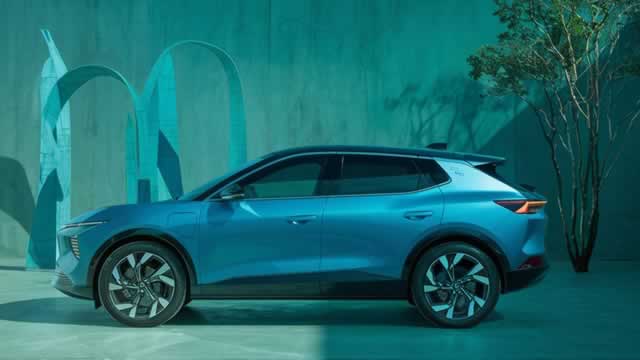
Core Insights - The trade agreement between India and the European Union will allow up to 250,000 European-made vehicles to enter India at preferential duty rates, significantly higher than the previous quota of 37,000 units for the UK [1][16] - The agreement includes a phased reduction of import duties for internal combustion-engine cars to 10% within five years and for electric vehicles to be implemented by the 10th year [1][16] - The deal reflects a strategic reset in trade relations, providing Europe with access to India's growing auto market while allowing India to enhance its automotive exports and manufacturing capabilities [7][16] Vehicle Quotas and Tariffs - The agreement allows for 160,000 internal combustion-engine vehicles to have duties reduced to 10% over five years, while 90,000 electric vehicles will see duties reduced by the 10th year [1][16] - Beyond the quota, a rate cut to 35% over 10 years for fossil-fuel powered cars has been negotiated, down from current tariffs as high as 110% [2][10] - The EU will offer Indian automakers import concessions covering up to 625,000 vehicles, reflecting the relative market sizes [8][16] Review and Future Negotiations - A review clause in the pact allows for periodic reassessment of quotas to align with India's expanding auto market and future trade negotiations, particularly concerning steel [6][16] - The agreement is designed to provide leverage for both sides in future negotiations, particularly as India seeks to balance its trade relationships [6][7] Impact on Manufacturers - Major manufacturers such as Volkswagen AG, Mercedes-Benz Group AG, Stellantis NV, and Renault SA are expected to benefit from the larger quota and reduced tariffs [5][16] - European carmakers will be allowed to export up to 75,000 cars annually for assembly in India from completely-knocked-down kits, with tariffs reduced to 8.25% from 16.5% [11][16] - Duties on car parts will be eliminated, promoting deeper supply-chain integration between Europe and India [12][16] Limitations and Market Access - The agreement does not represent a complete market opening, as constraints remain, particularly regarding India's demands related to steel [13][16] - New EU regulations may limit India's effective access to the market despite the agreement being in place [13][16]

Germany Revives EV Subsidies: Industry Impact & Key Beneficiaries
ZACKS· 2026-01-26 16:00
Core Insights - Germany has reintroduced a significant electric vehicle (EV) subsidy program with a budget of €3.5 billion until 2029, aiming to support up to 800,000 EV purchases and revive demand in a price-sensitive market [1][9] Subsidy Framework - The updated incentive framework includes battery electric vehicles (BEVs), plug-in hybrids (PHEVs), and extended-range electric vehicles (EREVs), providing a more flexible approach to consumer needs [2] - BEVs are eligible for a base subsidy of approximately €3,000, which can increase to €6,000 for lower-income households, while PHEVs and EREVs qualify for around €1,500 [3][2] - The subsidy applies to both purchases and leases, provided the vehicle is owned or leased for at least 36 months, and includes imported vehicles from brands like those in China [3] Social Tier System - The program features a social tier system with eligibility capped at €80,000 in taxable household income, which can rise to €90,000 with children, aligning with the median income of new-car buyers [4][5] Impact on Automakers - BYD Co. is expanding its European presence, planning to double its sales network to around 2,000 outlets by 2026, with European sales tripling in 2025 to over 80,000 vehicles [6] - The inclusion of Chinese brands in the subsidy scheme reduces competitive barriers for BYD, potentially increasing consumer adoption [7] - Volkswagen AG continues to be a major player in the EV market, reporting significant growth in all-electric deliveries, particularly in Germany [8][10] - BMW AG is expected to benefit from the renewed subsidies, which could accelerate sales of its electric models and enhance production utilization [11] - Tesla, Inc. is committed to the European market despite slowing sales, with plans to increase battery production, making its models more competitive due to the new subsidies [12] Semiconductor Industry - Infineon Technologies AG stands to benefit indirectly from the revived EV subsidy program, as rising EV demand will likely lead to increased semiconductor orders from automakers [13][14] Conclusion - Germany's renewed EV subsidy program is a strategic move to enhance demand while allowing foreign competition, potentially reshaping consumer behavior in electric vehicle purchases and attracting investor interest in the automotive sector [15]
X @Bloomberg
Bloomberg· 2026-01-26 14:05
Blackstone and Japanese industrial equipment maker Yanmar have emerged as potential bidders for a majority stake in Volkswagen AG’s heavy diesel engine unit Everllence, people familiar with the matter said https://t.co/vVLkAhoyM7 ...
X @Bloomberg
Bloomberg· 2026-01-25 19:00
Volkswagen AG won’t go ahead with a planned Audi factory in the US unless automotive tariffs are reduced, CEO Oliver Blume told Germany’s Handelsblatt newspaper. https://t.co/R2KkFo9fOh ...
Tech Giants Reshape AI, Tariffs Impact Auto Investment, and Geopolitics Drive Market Shifts
Stock Market News· 2026-01-25 15:38
Group 1: Apple and AI Initiatives - Apple is significantly overhauling its artificial intelligence strategy through a major partnership with Google, preparing to launch two new versions of Siri that will leverage Google's Gemini technology [2][9] - The revamped Siri is expected to be deeply integrated into iOS 27, iPadOS 27, and macOS 27, transforming into a more advanced chatbot [2][9] - Apple is reportedly paying Google approximately $1 billion annually for access to these advanced AI models [2] Group 2: Volkswagen and Trade Policies - Volkswagen has indicated it will not proceed with a planned Audi factory in the U.S. unless automotive tariffs are reduced, highlighting the impact of trade policies on global investment decisions [3][9] - CEO Oliver Blume emphasized that tariffs imposed by the U.S. are directly affecting manufacturing expansion plans [3] Group 3: Geopolitical Developments - The United Arab Emirates is facilitating trilateral talks between the U.S., Russia, and Ukraine, which underscores its crucial diplomatic role in the current geopolitical landscape [5][9] - Emerging Asia is experiencing fresh demand, positioning itself as a relative refuge from geopolitical instability, indicating shifting dynamics in global capital flows [6][9] Group 4: Japanese Energy Market - Japanese startup Enechain successfully raised 5.05 billion yen (approximately $31.9 million) to expand its business in the growing power market [7][9] - Enechain aims to achieve "Social Good" through fair markets for electricity, fuels, and environmental commodities [7]



X @Bloomberg
Bloomberg· 2026-01-25 15:18
Volkswagen AG won’t go ahead with a planned Audi factory in the US unless automotive tariffs are reduced, CEO Oliver Blume told Germany’s Handelsblatt newspaper. https://t.co/rlc7nDhDmT ...
Volkswagen Falls to Third Place in China's Competitive Auto Market
ZACKS· 2026-01-14 16:46
Core Insights - Volkswagen AG has fallen to third place in China's auto market, overtaken by Geely Automobile Holdings Limited, marking a significant decline for the German automaker in the world's largest vehicle market [1][9] - The shift in market leadership indicates increasing pressure on traditional foreign automakers as domestic brands strengthen their positions [1][3] Market Share Dynamics - Volkswagen's joint ventures in China accounted for a 10.9% share of retail vehicle sales, down from 12.2% in 2024, while Geely's market share increased to 11% from 7.7% in 2025 [2] - BYD remains the market leader but saw its share decrease to 14.7% from 16.2% [2] Competitive Landscape - Established global automakers like Volkswagen, General Motors, and Toyota are losing ground to Chinese competitors due to a slower transition to electric vehicles, as Chinese consumers increasingly favor EVs supported by government incentives [3] Strategic Responses - Volkswagen is enhancing its localization efforts in China, including partnerships with Xpeng and Horizon Robotics to develop electric vehicle technologies and smart vehicle chips tailored for the Chinese market [4] - The company is also exploring opportunities to export vehicles developed and manufactured in China to international markets, similar to strategies employed by Chinese automakers like BYD [5] Global Performance - Volkswagen delivered approximately 4.73 million vehicles globally, with around 382,000 fully electric vehicles delivered in 2025, reflecting a slight decline of 0.2% [6] - Battery-electric models constituted 8.1% of Volkswagen's total vehicle deliveries for the year [6] Competitor Performance - BYD achieved sales of 4.6 million vehicles in 2025, a 7.7% increase from 2024, with sales evenly split between fully electric vehicles and plug-in hybrids [7] - Geely sold 3.02 million vehicles, meeting its target, and has set a sales goal of 3.45 million vehicles for 2026, indicating a projected growth of about 14% from 2025 [8]
Elon Musk's Tesla loses lead as China's BYD tops EV sales in Germany and UK — details here
MINT· 2026-01-06 14:35
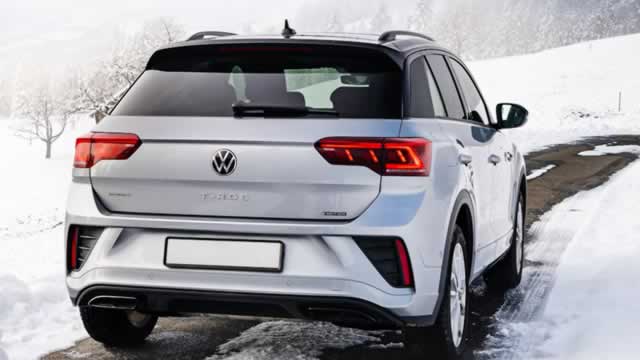
Core Insights - BYD has surpassed Tesla in electric vehicle sales in Europe's largest markets, Germany and the UK, marking a significant shift in the automotive industry [1][4][6] Group 1: Sales Performance - In Germany, BYD's sales surged eightfold to 23,306 vehicles, while Tesla's sales fell nearly 50% to 19,390 vehicles in the same period [2] - In the UK, BYD registered 51,422 vehicles, outpacing Tesla's 45,513 registrations [3] Group 2: Market Dynamics - BYD's growth in the UK is attributed to the absence of tariffs on Chinese-made electric vehicles, making them more affordable for consumers [4] - Tesla is facing intensified competition from other automakers like Volkswagen, Renault, and BMW, which have expanded their EV offerings [4] Group 3: Company Challenges - Tesla has reported a 16% drop in fourth-quarter deliveries and a second consecutive year of declining annual sales, losing its title as the world's largest electric vehicle seller to BYD [6] - The backlash against CEO Elon Musk's political activities has also contributed to Tesla's struggles in the market [5] Group 4: Pricing Strategies - Tesla has increased its vehicle lease prices, with the monthly cost for a leased Model Y now ranging from $529 to $599, up from a previous range of $479 to $529 [7]


Toyota Motor Corporation (TM) Outperforms in China
Yahoo Finance· 2025-12-18 13:24
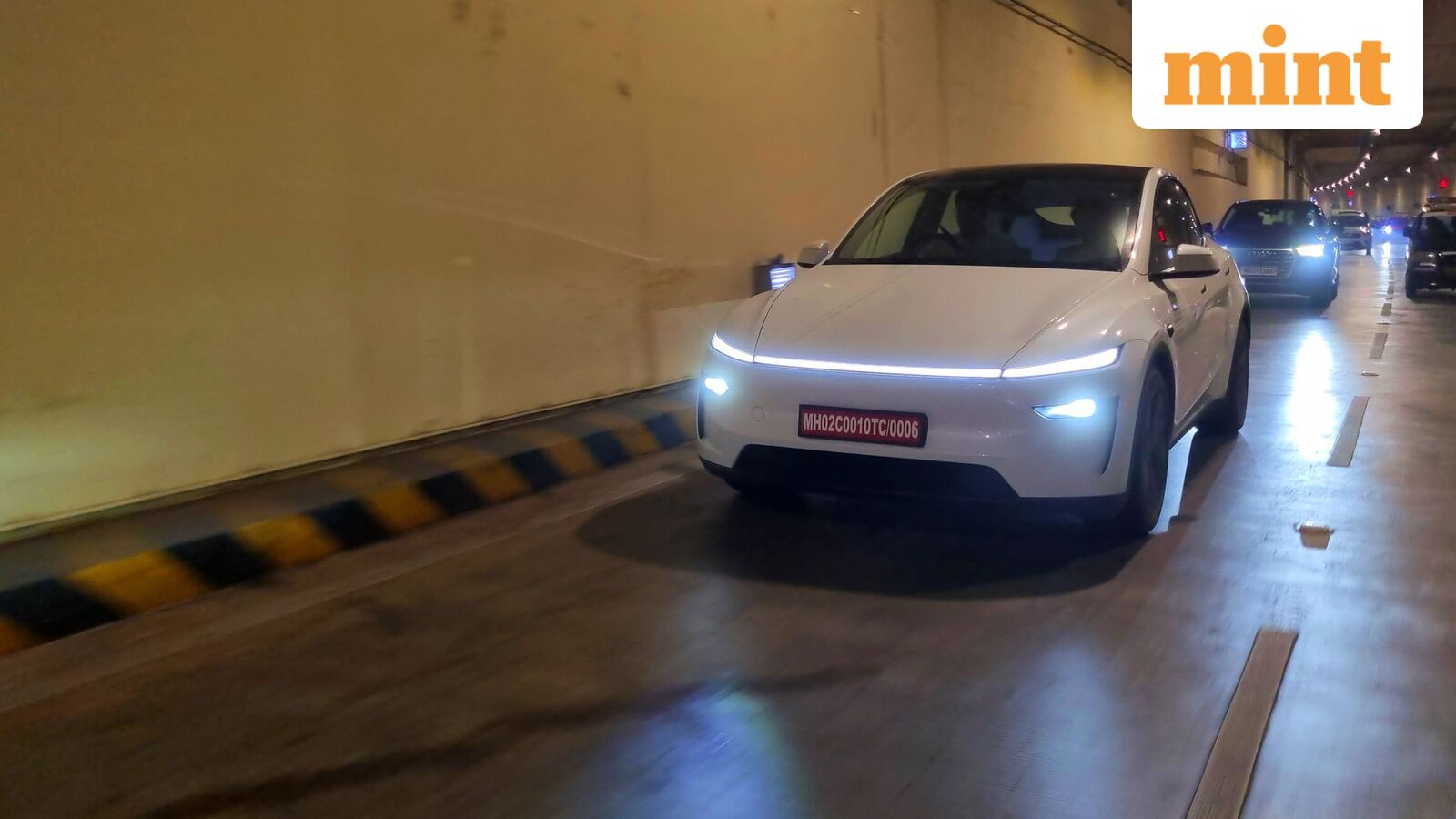
Group 1 - Toyota Motor Corporation (NYSE:TM) is recognized as one of the 8 high growth EV stocks to consider for investment [1] - Elliott Investment Management has increased its stake in Toyota Industries to 5.01%, acquiring shares for approximately 268 billion yen, which adds pressure on Toyota Motor Corporation as it plans to buy out a forklift producer [2] - Despite a significant industry shift towards electrified vehicles, Toyota has outperformed competitors like Ford and Volkswagen in China, with a 14% drop in exports compared to much larger declines for its rivals [3] Group 2 - Toyota's hybrid strategy has been beneficial for sales, particularly for models such as Corolla, Levin, Camry, and Highlander, although steep discounts in 2023 have increased sales but reduced profitability [4] - Profits from Toyota's operations in China are projected to decline from 525 billion yen in fiscal 2021 to around 290 billion yen in three years [4] - The company plans to establish a wholly-owned Lexus production plant near Shanghai by 2027, with an initial capacity of approximately 100,000 units [4] Group 3 - In fiscal 2025, Toyota sold 11.0 million vehicles at retail, including 10.3 million under the Toyota and Lexus brands, solidifying its position as one of the world's largest automakers [5]
