
Sanofi

Search documents
Sanofi Faces Surprise HQ Search As French Authorities Expand Tax Probe
Benzinga· 2025-11-25 18:30
Group 1: Legal Investigation - Sanofi SA's Paris headquarters was visited by tax investigators amid a financial probe into alleged "money laundering of tax fraud" [1] - The preliminary investigation, launched in January 2024, may involve organized groups and possible criminal conspiracy [1] - Sanofi claims compliance with all applicable laws and intends to cooperate with authorities [2] Group 2: Product Approval - The European Commission approved Dupixent for moderate-to-severe chronic spontaneous urticaria in patients aged 12 and above [3] - Approval is based on data from two Phase 3 clinical trials in the LIBERTY-CUPID program, showing significant reduction in urticaria activity compared to placebo [4] - Dupixent also increased the percentage of patients with well-controlled disease and complete response at 24 weeks compared to placebo [5]


X @Bloomberg
Bloomberg· 2025-11-25 17:28
Sanofi’s Paris headquarters were raided Tuesday by French authorities as part of a tax fraud investigation into a financing deal provided by Societe Generale SA https://t.co/iXLIut1snP ...
SNY & REGN's Dupixent Gets EU Nod for Chronic Spontaneous Urticaria
ZACKS· 2025-11-25 16:46
Core Insights - The European Commission has approved Dupixent (dupilumab) for the treatment of moderate-to-severe chronic spontaneous urticaria (CSU) in adults and adolescents aged 12 and above, who have an inadequate response to antihistamines and are naive to anti-IgE therapy [1][2][9] - Dupixent is the first targeted medicine approved for CSU in the EU in over a decade and is now approved for seven types of chronic inflammatory diseases in the EU [2][4] - Dupixent generated global product sales of €11.47 billion in the first nine months of 2025, reflecting a growth of 22.7% at a constant exchange rate, with expectations to reach around €22 billion in sales by 2030 [13] Company Performance - Sanofi's shares have gained 1.9% year to date, while the industry has seen a growth of 16% [3] - Regeneron recorded collaboration revenues of $4.24 billion from Sanofi during the first nine months of 2025, marking a year-over-year increase of 27.8% [13] Drug Approval and Studies - Dupixent was previously approved in the U.S. for CSU in April 2025, marking its seventh indication, and is also approved in Japan [4][5] - The approval in the EU is based on data from two late-stage studies (Study A and Study C) that demonstrated significant reductions in itch and hives compared to placebo at 24 weeks [9][10] - Safety data from the studies were consistent with Dupixent's known safety profile [11] Future Prospects - A supplemental biologics license application for Dupixent to treat allergic fungal rhinosinusitis (AFRS) is under priority review in the U.S., with a decision expected by February 28, 2026 [14]

Press Release: Sanofi and Regeneron's Dupixent approved as the first targeted medicine in the EU in over a decade for chronic spontaneous urticaria
Globenewswire· 2025-11-25 06:00
Core Insights - The European Commission has approved Dupixent (dupilumab) as the first targeted treatment for moderate-to-severe chronic spontaneous urticaria (CSU) in over a decade, providing a new option for patients aged 12 and older who have not responded adequately to antihistamines [1][4][5] Group 1: Approval and Clinical Data - Dupixent is approved for adult and adolescent patients with CSU who have inadequate response to histamine-1 antihistamines and are naive to anti-immunoglobulin-E therapy [1][4] - The approval is based on two phase 3 clinical studies (LIBERTY-CUPID program) demonstrating significant reductions in urticaria activity, itch, and hive severity compared to placebo at 24 weeks [2][7][8] - In the EU, approximately 270,000 individuals aged 12 and older suffer from CSU that remains symptomatic despite standard antihistamine treatment [5][6] Group 2: Efficacy and Safety - Dupixent significantly reduced symptoms of CSU, leading to more patients achieving well-controlled disease or complete response compared to placebo in the studies [2][3] - The most common adverse reactions associated with Dupixent include injection site reactions, conjunctivitis, and arthralgia, with safety results consistent with its known profile [3][10] Group 3: Mechanism and Broader Impact - Dupixent works by inhibiting interleukin-4 (IL4) and interleukin-13 (IL13), which are key drivers of type 2 inflammation, offering a new approach for treating CSU [4][10] - Beyond the EU, Dupixent is also approved for CSU in several countries, including the US and Japan, and is indicated for multiple chronic inflammatory diseases [4][11]

Bayer Stroke Drug Hits Trial Goals, Analyst Sees Positive Data Readout From Bristol Myers' Milvexian After Failed Study
Benzinga· 2025-11-24 18:14
Core Insights - Bayer AG's Phase 3 OCEANIC-STROKE study results for asundexian show significant efficacy in reducing ischemic stroke risk compared to placebo [1][2] - The study met primary efficacy and safety endpoints, with no increase in major bleeding risk observed [2][4] - The positive results for asundexian may have implications for Bristol Myers Squibb's milvexian program, especially after the recent halt of the LIBREXIA-ACS trial [5] Efficacy and Safety - Asundexian 50 mg once daily significantly reduced ischemic stroke risk in patients post non-cardioembolic ischemic stroke or high-risk transient ischemic attack [2] - No increase in ISTH major bleeding risk was noted with asundexian compared to placebo when combined with antiplatelet therapy [4] Industry Implications - The positive read-through from Bayer's trial is seen as beneficial for Bristol Myers Squibb's ongoing milvexian program, which faced setbacks [5] - Questions remain regarding the optimal dosing of milvexian in ongoing studies, particularly in relation to the doses used in the LIBREXIA-STROKE and LIBREXIA-AF studies [6] Comparative Analysis - Bayer's asundexian achieved approximately 91% factor XIa inhibition at the 50 mg QD dose, while Bristol Myers has not disclosed the inhibition levels for milvexian [7] - Previous studies indicated that asundexian was inferior to Eliquis despite high factor XIa inhibition, raising concerns about dosing adequacy [8] Market Reaction - Following the news, Bristol Myers Squibb's stock rose by 4.57% to $48.37 [9]

中国制药行业_中国生物制药考察行要点-China Healthcare_ Pharmaceuticals_ Takeaways From Our China Biopharma Trip
2025-11-24 01:46
Key Takeaways from China Biopharma Trip Industry Overview - The trip focused on the Chinese biopharmaceutical industry, highlighting the rapid development of local biotech companies and their competitive landscape in drug discovery and clinical R&D [3][5][9]. Core Insights 1. **Rapid Development of Biotech Companies**: Local Chinese biotech firms have shown a remarkable pace of development, with examples like Pyrotech achieving clinical proof-of-concept in 4 years and Hengrui progressing from preclinical studies to IND acceptance in 6 months [3]. 2. **Factors Driving Speed**: Key factors contributing to this accelerated development include streamlined decision-making, a concentrated ecosystem of contract research organizations (CROs), strong fundamental research, and experienced clinical investigators [3]. 3. **Licensing and Partnerships**: Chinese biotech companies generally prefer licensing out their products, but more mature firms are increasingly seeking co-development and co-commercialization agreements, as seen with Innovent's partnership with Takeda [4]. 4. **Pipeline Diversity**: Companies visited exhibited broad pipelines across multiple disease areas, with a notable focus on antibody-drug conjugates (ADCs) and a competitive landscape characterized by intense pressure [5]. 5. **Obesity Market Developments**: Eccogene is optimistic about its obesity drug ECC5004, while Innovent noted rapid uptake of mazdutide, indicating strong competition in the obesity segment [7]. 6. **Vaccine Market Challenges**: Zhifei highlighted ongoing challenges in the vaccine market due to vaccine hesitancy and pricing pressures, complicating commercialization efforts [8]. Competitive Landscape 1. **ADC Focus**: Nearly half of the companies visited are engaged in ADC research, particularly in oncology, indicating China's emergence as an ADC hub [5]. 2. **Emerging Therapies**: Companies are exploring bispecific/trispecific antibodies and new-generation cell therapies, with a focus on innovative approaches to cancer treatment [5][31]. 3. **Market Dynamics**: The Chinese pharmaceutical market is valued at $160-180 billion, with the innovative market growing at 20-30% annually, expected to reach $50-60 billion in five years [23]. Company-Specific Highlights 1. **3SBio and Pfizer**: 3SBio expressed optimism regarding its PD-1xVEGF bispecific antibody program, with plans for multiple trials to establish the compound as a backbone therapy [9]. 2. **Kelun Biotech**: Kelun is advancing its TROP2 targeting ADC, sac-TMT, with expectations of significant peak sales based on recent clinical data [10]. 3. **Hengrui's Lp(a) Program**: Hengrui is encouraged by Phase 2 data for its Lp(a) targeted oral small molecule drug, which could transform cardiovascular disease treatment [10]. 4. **Zhifei's Gardasil Challenges**: Zhifei reported difficulties in the vaccine market, particularly with Gardasil, due to pricing pressures and vaccine hesitancy [10]. Additional Observations - **Regulatory Environment**: Sanofi noted that early-stage R&D in China is 50% cheaper and 60% faster than in the US, with plans to invest more in local partnerships [23]. - **Pricing Dynamics**: The conversation with obesity experts revealed insights into pricing dynamics and the competitive landscape for obesity treatments [7]. Conclusion The trip underscored the dynamic nature of the Chinese biopharma industry, characterized by rapid innovation, strategic partnerships, and a competitive landscape that poses both opportunities and challenges for local and multinational companies [3][5][23].

Novavax (NasdaqGS:NVAX) 2025 Conference Transcript
2025-11-19 17:32
Novavax Conference Call Summary Company Overview - Novavax is recognized for its successful development of a highly efficacious COVID-19 vaccine using subunit protein nanoparticle technology combined with the Matrix-M adjuvant, which has also been utilized in a malaria vaccine developed by Serum Institute of India [4][5] Strategic Focus - The company is transitioning from a pandemic-focused entity to an endemic-based vaccine manufacturer, partnering with Sanofi to integrate its COVID-19 vaccine, Nuvaxovid, into Sanofi's portfolio of vaccines [5][6] - Novavax aims to reduce costs, strengthen its balance sheet, and advance its pipeline through partnerships, with a long-term goal of achieving profitability and diversified revenue streams [6][9] Partnership with Sanofi - The partnership with Sanofi is structured in layers, including commercialization of the COVID-19 vaccine, development of combination vaccines, and leveraging Matrix-M in Sanofi's portfolio [9][10] - The market for combination flu and COVID-19 vaccines could reach $8 billion annually, with Novavax eligible for up to $350 million in milestones and royalties ranging from high single digits to low teens [10][11] - Sanofi's 2026 season is expected to be the full launch year for the COVID-19 vaccine, with 2025 serving as a transition year for learning and marketing efforts [12][13] Financial Highlights - Novavax received a $70 million investment from Sanofi, $500 million upfront, and has the potential for $700 million in milestone payments [22][23] - In the current year, Novavax earned $225 million in milestones, with royalties expected to grow significantly as the partnership matures [23] Matrix-M Adjuvant - Matrix-M is positioned as a critical driver of innovation in the vaccine industry, with potential royalties of mid-single digits for up to 20 years on new vaccines developed using this adjuvant [25][26] - The global vaccine market is projected to grow from $57 billion in 2024 to over $75 billion by 2030, highlighting the significant opportunity for Matrix-M [25] Early Stage Pipeline - Novavax is exploring various early-stage vaccines targeting infectious diseases, including CDIF, shingles, RSV, and pandemic flu, with a focus on addressing unmet medical needs [38][39] - The company is also investigating the use of Matrix-M in oncology vaccines, collaborating with partners to explore its potential in this area [34][41] Market Potential - The oncology vaccine market is valued at over $40 billion, contributing to a combined market potential exceeding $100 billion when combined with the vaccine market [34] - Novavax's approach includes leveraging AI and machine learning to enhance immune responses and develop tailored vaccines for specific needs [33][41] Conclusion - Novavax is strategically positioned to capitalize on its innovative technologies and partnerships, with a clear focus on expanding its vaccine portfolio and driving long-term value creation through diversified revenue streams and cost management [6][23][25]

Cogent Biosciences (NasdaqGS:COGT) 2025 Conference Transcript
2025-11-19 12:32
Cogent Biosciences Conference Call Summary Company Overview - Cogent Biosciences is a biotech company focused on developing novel small-molecule therapies for mutant-driven rare diseases with high unmet needs [2][3] Industry Context - The company is primarily involved in the treatment of gastrointestinal stromal tumors (GIST) and systemic mastocytosis, with a significant commercial opportunity in the second-line GIST market estimated at over $7.5 billion globally [3][35] Key Points from the Conference Call PEAK Trial Results - The PEAK trial results for bezuclastinib, a selective KIT inhibitor, were highlighted as a major advancement in treating second-line GIST patients [2][3] - Bezuclastinib combined with sunitinib showed a median progression-free survival (PFS) of 16.5 months, significantly outperforming sunitinib alone, which had a PFS of 9.2 months [12][25] - The trial demonstrated a nearly 50% objective response rate, which is a substantial improvement compared to existing therapies [13][25] Market Opportunity - Approximately 12,000 new GIST patients are diagnosed annually in the U.S. and Europe, with about 6,000 patients eligible for second-line treatment [27][28] - The standard of care for second-line GIST has not seen new drug approvals since sunitinib in 2006, creating a unique market opportunity for bezuclastinib [4][6] - The potential market for second-line GIST treatment is estimated at over $4 billion, with no direct competition [30] Safety and Tolerability - The combination therapy of bezuclastinib and sunitinib showed a marginal increase in dose reductions and discontinuations, indicating a favorable safety profile [16][18] - Adverse events primarily included neutropenia, with no significant additional risk from the combination therapy [17][19] - The safety profile of bezuclastinib is characterized by asymptomatic transaminase elevations and other manageable side effects [19][21] Future Plans - Cogent plans to submit a new drug application (NDA) for bezuclastinib in the first half of 2026, with potential priority review leading to approval by the end of 2026 [26][30] - The company is also preparing for data presentation from the APEX study, which focuses on advanced systemic mastocytosis, expected to provide competitive insights against existing therapies [31][34] Intellectual Property - Cogent holds a strong intellectual property position, with protections extending through 2038 and potentially until 2043 due to a proprietary formulation of bezuclastinib [35][36] Conclusion - Cogent Biosciences is positioned to capitalize on a significant market opportunity in the treatment of GIST and systemic mastocytosis, with promising clinical trial results and a robust pipeline leading to potential regulatory approvals in the near future [35]

赛诺菲与上药科园合作,走本土化路线的进口疫苗越来越多了
Xin Lang Cai Jing· 2025-11-19 11:26
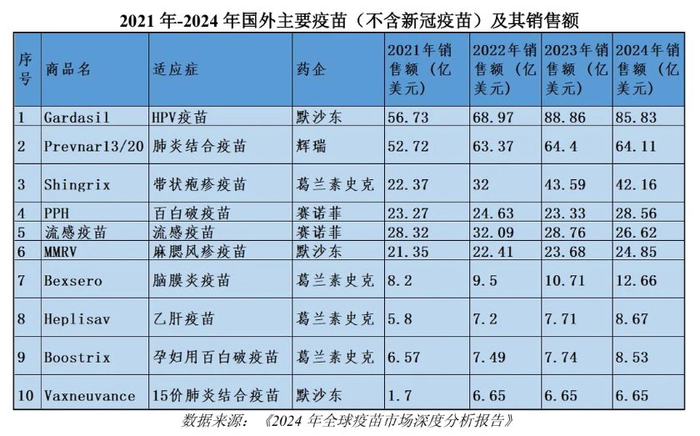
Group 1 - Sanofi will collaborate with local partner Shanghai Pharmaceuticals to provide academic promotion services for three vaccine products starting January 1, 2026, enhancing accessibility in certain market areas [1] - This strategic move is aimed at optimizing and innovating the business model to tap into the vast potential of the Chinese market, supporting the long-term development of Sanofi's existing product portfolio and new product launches [1][5] - The partnership indicates that all four major global vaccine manufacturers are collaborating with local companies in the sales segment within the domestic market [1] Group 2 - The domestic vaccine industry is currently experiencing a downturn, characterized by economic decline, a decrease in newborn numbers, and increasing competition among prominent players [2] - Sanofi's products, including the Pentavalent vaccine and flu vaccines, are entering a highly competitive market, with 13 types of trivalent and 12 types of quadrivalent flu vaccines available in China as of July 2025 [4] - The domestic flu vaccine coverage rate is approximately 3%, significantly lower than that of the United States, indicating substantial room for growth [4] Group 3 - Sanofi is the only foreign company in China with a full value chain coverage in the vaccine industry, encompassing production, storage, distribution, supply chain services, and academic promotion [5][7] - The adjustment in business models by foreign companies is a response to the complex vaccine procurement process in China, where local health authorities play a significant role in demand and procurement [10] Group 4 - Companies are expanding their indications to capture larger market shares, such as Merck's HPV vaccine, which has broadened its target demographic from women aged 16-26 to 9-45 years [11] - Sanofi's trivalent flu vaccine has also expanded its target population to include infants aged 6 months and older, reflecting a trend of increasing accessibility [11]
Spyre Therapeutics (NasdaqGS:SYRE) 2025 Conference Transcript
2025-11-19 09:02
Summary of Spyre Therapeutics Conference Call Company Overview - **Company**: Spyre Therapeutics (NasdaqGS:SYRE) - **Industry**: Biotechnology - **Focus**: Development of products for autoimmune diseases, specifically inflammatory bowel disease (IBD) and rheumatic diseases [2][2] Core Points and Arguments Product Development - Spyre is advancing a series of products targeting autoimmune diseases, focusing on optimized antibodies against de-risked targets [2][2] - In IBD, the company is developing both monotherapies and combination products, aiming to improve convenience and efficacy [2][2] - In rheumatic diseases, Spyre is working on a best-in-class TL1A antibody, which is believed to be a first-in-class opportunity [2][2] Clinical Development and Combination Therapies - Monotherapies in IBD have not achieved desired efficacy levels, with clinical remission rates around 25% [4][4] - Combination therapies are seen as a promising approach to enhance efficacy in hard-to-treat IBD [5][5] - Co-formulation of antibodies is being pursued to maintain specificity and achieve complete blockade of multiple pathways [6][6] Economic Considerations - The shift towards top-down therapy in IBD care is supported by health economics studies, indicating that starting with the best available treatment is more cost-effective [11][11] - Products that demonstrate a 10-20% improvement over existing therapies could achieve significant market success, with potential sales in the mid to high single-digit billion range [12][12][13][13] Clinical Trial Design - Spyre's phase two study is designed to evaluate both monotherapies and combinations in a mixed population of naive and refractory patients [16][16] - The company aims to demonstrate a clinically meaningful difference of around 10% in efficacy compared to existing treatments [24][24] Mechanisms of Action - Spyre is pursuing three distinct mechanisms: anti-integrin (alpha-4 beta-7), TL1A, and IL-23, which are expected to provide incremental efficacy [27][27][28][28] - The safety profile of these mechanisms is a priority, with expectations of minimal additive immunosuppressive risks [28][28] Future Directions - The company is exploring the potential for improved efficacy in maintenance settings due to extended half-lives of their products [33][33][35][35] - There is an interest in identifying patient subpopulations that may respond better to specific mechanisms, potentially leading to biomarker-driven treatment strategies [44][44] Other Important Insights - The competitive landscape includes established products like Humira and Stelara, with expectations that Spyre's products could outperform these in terms of efficacy [12][12][13][13] - The design of Spyre's trials aims to address the contribution of individual components in combination therapies, which is crucial for regulatory approval [40][40][41][41] - The company is optimistic about the future of combination therapies in both IBD and rheumatic diseases, suggesting a broader application of their approach [46][46] This summary encapsulates the key points discussed during the conference call, highlighting Spyre Therapeutics' strategic focus, product development, clinical trial design, and market potential in the biotechnology sector.
