American Express

Search documents
The Credit-Card Rate Cap Has Stalled, and Issuers Are Doing Just Fine
WSJ· 2026-02-05 16:00
Core Insights - The largest credit card issuers generated approximately $146 billion in revenue last year, highlighting the significant dependence of Americans on debt [1] Group 1 - The revenue figure of $146 billion reflects the substantial financial impact of credit card usage in the U.S. market [1]



Capital One’s (COF) Path Forward: Analyst Adjustments, Brex Integration, and Competitive Positioning
Yahoo Finance· 2026-02-03 12:55
Core Viewpoint - Capital One Financial Corp. is considered one of the best cheap stocks to buy for 2026, despite a lowered price target and expected earnings growth softening due to the acquisition of Brex for approximately $5.15 billion [1][2]. Group 1: Analyst Adjustments - Evercore ISI analyst John Pancari lowered the price target on Capital One to $265 from $290 while maintaining an Outperform rating [1]. - The updated target reflects a reduction in the 2026 EPS estimate to $18.87 from $19.26 and the 2027 EPS estimate to $22.83 from $23.32, assuming the Brex deal closes in Q3 2026 [2]. Group 2: Acquisition Impact - The acquisition of Brex is expected to result in approximately 5% tangible book value dilution and 1% core EPS dilution due to share issuance [2]. - Near-term expenses are projected to rise as Brex is integrated into Capital One's payments platform and as investments in the Discover Financial Services network continue [3]. Group 3: Management and Competitive Positioning - Despite challenges, management's commitment to prudent capital management and consistent earnings power is viewed positively [4]. - The Brex acquisition is seen as a strategic move to enhance Capital One's competitiveness against American Express in the payments space [4]. Group 4: Company Overview - Capital One Financial Corp. provides a range of consumer and commercial banking services, including credit cards, auto loans, savings accounts, and small business lending, with operations across the United States [5].

American Express (NYSE:AXP) Sees Price Target Set by Truist Financial and Gains Prominence in Berkshire Hathaway's Portfolio
Financial Modeling Prep· 2026-02-02 21:07
Group 1 - American Express (AXP) is a global financial services company known for its credit card, charge card, and travel-related services, competing with Visa and Mastercard [1] - Truist Financial has set a price target of $400 for AXP, indicating a potential increase of 13.49% from its current trading price of $352.46 [1][5] - AXP's stock has shown a significant gain of 106% over the past two and a half years, compared to Apple's 35% increase, narrowing the gap between the two holdings in Berkshire Hathaway's portfolio [2][5] Group 2 - Warren Buffett first invested in American Express in 1964, and despite not making additional purchases since the 1990s, AXP has performed strongly with a current market capitalization of approximately $242.33 billion [3][5] - As of now, AXP's stock price is $351.79, reflecting a slight decrease of 0.11% or $0.39, with a trading volume of 756,673 shares indicating active investor interest [4]
America's 50 most iconic brands, from Main Street to Silicon Valley
Yahoo Finance· 2026-02-02 17:43
Core Insights - The article highlights the significant American companies that have shaped the nation's identity and economy as it approaches its 250th birthday, emphasizing their cultural and historical impact rather than just financial metrics [1][2]. Group 1: Visa - Visa was established in 1958 as BankAmericard, launching the first consumer credit card in the U.S. [3][6] - The company rebranded as Visa in 1976 and went public in 2008, currently holding a market cap of $632 billion [4][6]. - Visa operates in over 220 countries and territories, accepted at more than 175 million merchants [7]. Group 2: Meta (Facebook) - Facebook was founded in 2004 by Mark Zuckerberg and quickly grew to 1 billion users by 2012, later rebranding to Meta in 2021 [9][13][14]. - The platform has faced controversies regarding user data and misinformation but remains a dominant social media service with over 3 billion regular users [15]. Group 3: Boeing - Boeing, established in 1916, is a leading aerospace company known for producing commercial jets and military aircraft [15][16]. - The company has faced challenges in recent years, including safety allegations and COVID-19 impacts, but continues to be a major player in the industry with a market cap of $185 billion [20][21]. Group 4: Tesla - Tesla was founded in 2003, with Elon Musk joining in 2004, and has become synonymous with electric vehicles, launching the Model 3 in 2017 as the best-selling electric car [23][27]. - The company has a market cap of $1.4 trillion and is recognized for driving electric vehicles into the mainstream [28]. Group 5: Patagonia - Patagonia was founded in 1973 by Yvon Chouinard, known for its commitment to sustainability and donating 1% of sales to environmental causes [30][33]. - The company has expanded from climbing gear to a wide range of outdoor apparel and is estimated to have a market cap of $3 billion [33]. Group 6: Intel - Intel was founded in 1968 and became a leader in semiconductor technology, introducing the first programmable microprocessor in 1971 [34][35]. - The company has maintained a significant market presence, controlling approximately 75% of the CPU market as of 2025 [38]. Group 7: HP - HP was established in 1939, initially focusing on sound equipment and later becoming a leader in personal computers and printers [40][42]. - The company split into HP Inc. and Hewlett Packard Enterprises in 2015, with HP Inc. having a market cap of $18 billion [45]. Group 8: Nike - Nike was founded in 1964 as Blue Ribbon Sports and rebranded in 1971, becoming a dominant player in the sportswear market with a 14% share in 2024 [46][50]. - The company gained fame through its endorsement deal with Michael Jordan, significantly boosting its brand recognition [48]. Group 9: Kodak - Kodak was founded in 1888 and became a pioneer in photography, introducing innovations like roll film and the first digital camera [51][54]. - The company filed for bankruptcy in 2012 and now focuses primarily on commercial printing and imaging [56]. Group 10: IBM - IBM was established in 1911 and became synonymous with computing, initially focusing on tabulating machines and later dominating the PC market [59][62]. - The company has shifted its focus to consulting, software, and cloud computing, with a market cap of $291 billion [67]. Group 11: Paramount Pictures - Paramount Pictures, founded in 1912, is recognized as the longest-operating major studio in Hollywood, producing numerous iconic films [68][70]. - The studio has undergone various mergers and continues to be a significant player in the entertainment industry with a market cap of $12 billion [74]. Group 12: Netflix - Netflix was founded in 1997 as a DVD rental service and transitioned to streaming in 2007, becoming a leader in the industry [77][80]. - The company has a market cap of $351 billion and announced plans to acquire Warner Bros. Discovery in 2025 [81]. Group 13: FedEx - FedEx was founded in 1971, revolutionizing overnight delivery with a centralized hub model [83][84]. - The company has introduced several innovations in the shipping industry and has a market cap of $74 billion [88]. Group 14: Motown - Motown Records, established in 1959, played a crucial role in integrating Black artists into mainstream pop music [91][92]. - The label produced numerous hits and helped launch the careers of many iconic artists, although it faded in prominence during the 1970s [94][96]. Group 15: PepsiCo - PepsiCo was formed in 1965 through the merger of the Pepsi-Cola Company and Frito-Lay, becoming a leading global food and beverage brand [99][100]. - The company is known for its innovative marketing strategies and has a significant rivalry with Coca-Cola [101]. Group 16: Levi Strauss - Levi Strauss, founded in 1853, is known for creating the first riveted blue jeans, which have become a cultural staple [104][106]. - The company continues to sell a wide range of apparel and remains a significant player in the fashion industry [106]. Group 17: Microsoft - Microsoft was founded in 1975 and became a leader in software development, particularly with its Windows operating system [109][110]. - The company has expanded into gaming, cloud services, and AI, with a market cap of $7.8 billion [112]. Group 18: The Home Depot - The Home Depot was established in 1978, focusing on providing a wide range of building supplies and home improvement products [115][116]. - The company has a strong commitment to community initiatives, particularly supporting veterans, and has a market cap of $3.2 trillion [118]. Group 19: WK Kellogg Company - WK Kellogg Company was formed from the original Kellogg's brand, known for its iconic cereals and snacks [121][123]. - The company underwent a reorganization in 2023, with its cereal business spun off into a new entity [123].
Why These 2 Stocks Remain My Top Stocks to Buy for 2026 and Beyond
Yahoo Finance· 2026-02-02 17:39
Group 1: Market Overview - The start of 2026 has seen significant volatility in software stocks due to investor concerns about AI disrupting their businesses [1] - Despite the downturn in some high-profile stocks, the S&P 500 has managed a gain of about 2% year to date [1] Group 2: Investment Portfolio Insights - Top holdings for the company include Apple and Berkshire Hathaway, which are viewed as strong investments despite not matching market returns so far this year [2] - These investments are seen as a contrast to the speculative hype surrounding AI, providing a balanced portfolio [2] Group 3: Berkshire Hathaway Analysis - Berkshire Hathaway is down about 4% year to date, making it a more attractive buy compared to the beginning of the year [5] - The company has a significant cash position totaling about $378 billion, which is 36% of its total market capitalization, leading to a wait-and-see approach from the market [6] - Shares are trading at about 1.5 times their book value, indicating potential attractiveness for investors [7] - The conglomerate owns high-quality assets, including a diverse range of businesses and significant equity stakes in companies like American Express and Coca-Cola [7] - While earnings from the insurance business are cyclical, the company is well-positioned for long-term growth in earnings and book value [8]

I Predicted This Former Buffett Stock Would Outperform Every Other Buffett Stock in 2025. I Was Right.
The Motley Fool· 2026-01-31 07:42
Core Viewpoint - Berkshire Hathaway remains a compelling investment despite Warren Buffett stepping down as CEO, with quarterly data still reflecting his influence until the first-quarter results of 2026 are released [1] Group 1: Company Performance - Berkshire Hathaway missed significant gains by selling its position in Nu Holdings at the end of 2024, which has since outperformed other stocks in its portfolio [2][3] - Nu Holdings has shown remarkable stock performance, surpassing the top 10 stocks in Berkshire Hathaway's portfolio in 2025 [3] Group 2: Market Position and Growth - Nu Holdings is an all-digital bank operating in Brazil, Mexico, and Colombia, becoming the largest financial institution in Brazil by customer count, with 61% of the adult population on its platform [6] - The company has a growing presence in Mexico and Colombia, with 14% and 10% of the populations, respectively, using its services [6] - Nu is actively monetizing its Brazilian user base and plans to expand into new markets, including the U.S., with new offices opening in Miami, Palo Alto, and Washington, D.C. [8] Group 3: Stock Information - Nu Holdings has a current market capitalization of $85 billion, with a stock price of $17.75, reflecting a recent change of -5.38% [7]


American Express Company 2025 Q4 - Results - Earnings Call Presentation (NYSE:AXP) 2026-01-31
Seeking Alpha· 2026-01-31 06:30
To ensure this doesn’t happen in the future, please enable Javascript and cookies in your browser.If you have an ad-blocker enabled you may be blocked from proceeding. Please disable your ad-blocker and refresh. ...

American Express Shares Slide Despite In-Line Q4 Results and Strong Profit Outlook
Financial Modeling Prep· 2026-01-30 21:37
Core Insights - American Express reported fourth-quarter earnings per share of $3.53, aligning closely with the consensus forecast of $3.54, while revenue increased by 9% to $18.98 billion, slightly surpassing analyst expectations of $18.92 billion [1][2] Financial Performance - The revenue growth was attributed to higher Card Member spending, increased net interest income from growing revolving loan balances, and strong card fee revenue [2] - Credit loss provisions for the fourth quarter totaled $1.4 billion, an increase from $1.3 billion a year earlier, with the net write-off rate rising to 2.1% from 1.9% [4] - Total expenses increased by 10% year over year to $14.5 billion, primarily due to higher customer engagement costs and the U.S. Platinum Card refresh [4] Future Outlook - For 2026, American Express forecasts earnings per share in the range of $17.30 to $17.90, with the midpoint exceeding consensus estimates of $17.40, and projects revenue growth of 9% to 10% [2] - The company announced plans to increase its regular quarterly dividend by approximately 16% to $0.95 per share from $0.82, starting with the first-quarter 2026 payout [3]
American Express Counts on Millennials to Power Spending Through 2026
PYMNTS.com· 2026-01-30 21:12
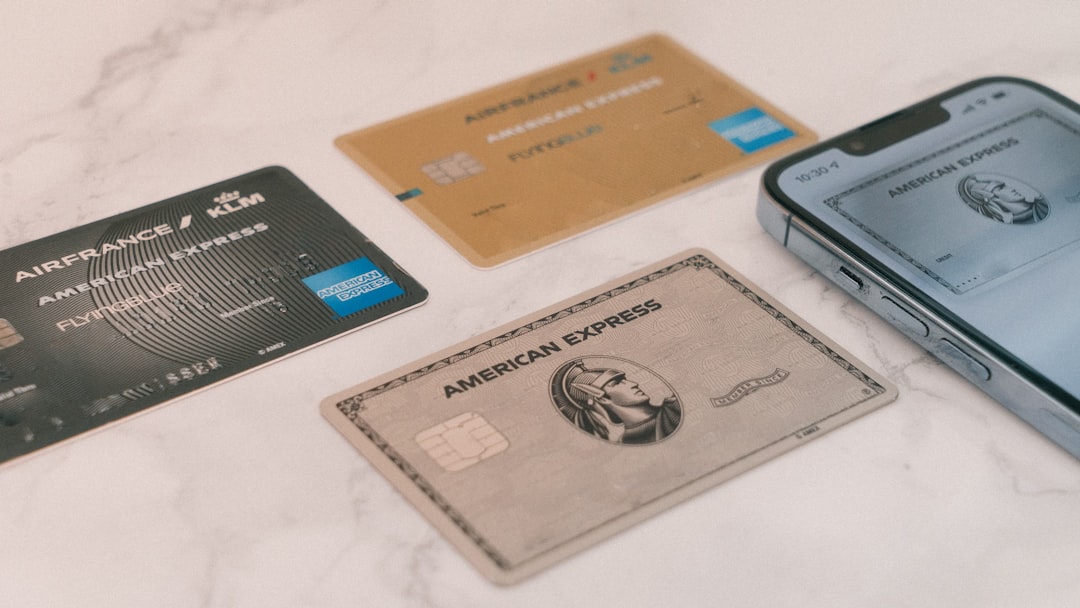
Core Insights - American Express reported strong fourth-quarter performance, driven by retail, restaurants, and premium travel, with millennials and Gen Z now making up the largest share of U.S. consumer spending on its cards [1][4][3] Financial Performance - Fourth-quarter revenues increased by 10% to just under $19 billion, with total billed business rising 8% on a foreign-exchange adjusted basis [4] - Retail spending grew by 10%, luxury retail by 15%, and restaurant spending by 9%, with U.S. restaurant spending by U.S. consumer customers up more than 20% [4] - International markets contributed to growth, with spending up 12% FX-adjusted and transactions growing by 9% [5] Customer Demographics - The average age of new customers is 33 for the U.S. consumer Platinum card and 29 for the Gold card, indicating a long-term growth opportunity with younger customers [4] - Demand for premium products is reshaping the customer base, with younger card members carrying more spending weight [2][3] Business Segment Performance - Small business spending remained strong, while middle-market activity showed softness, consistent with broader industry trends [8][9] - American Express plans to expand digital tools and expense management capabilities for business customers, maintaining competitiveness in the small business and middle-market arena [9] Strategic Focus - The company is redirecting marketing efforts from lower-cost cash-back cards to fee-paying premium products, reflecting a multiyear strategy [5] - Travel bookings surged by 30% in the fourth quarter, attributed to the refresh of the Platinum card and increased cardholder engagement [7] Credit Performance - Delinquency and write-off rates remain below pre-pandemic levels, indicating strong portfolio quality [6] Future Outlook - American Express reaffirmed its revenue growth outlook for 2026, expecting growth of 9% to 10% [9]

Visa, Amex Results Point to a Strong Holiday Season for Retailers
Barrons· 2026-01-30 19:52
Core Insights - Credit card issuers, including Visa and American Express, report strong consumer spending in the last quarter of 2025, indicating a positive outlook for the upcoming holiday season for retailers [1] Group 1: Company Performance - Visa and American Express have demonstrated robust earnings, suggesting that consumer spending remains resilient and is growing at a healthy rate [1] Group 2: Industry Implications - The positive earnings reports from credit card companies signal a strong holiday season ahead for retailers, as consumer confidence and spending are expected to continue [1]