
Visa

Search documents
Visa(V) - 2025 Q4 - Annual Report
2025-11-06 21:09
Financial Performance - Net revenue for fiscal 2025 was $40 billion, an 11% increase from $35.9 billion in fiscal 2024, driven by growth in processed transactions and nominal payments volume [209]. - Net income for fiscal 2025 was $20.1 billion, a 2% increase from $19.7 billion in fiscal 2024 [209]. - Operating expenses rose 30% to $16 billion in fiscal 2025, primarily due to higher litigation provisions and personnel expenses [210]. - Non-GAAP net income for fiscal 2025 was $22.5 billion, an 11% increase from $20.4 billion in fiscal 2024 [209]. - The company repurchased 54 million shares of class A common stock for $18.2 billion during fiscal 2025, with remaining authorized funds of $24.9 billion in the share repurchase program [215]. - The estimated interchange reimbursement fees at issue in unresolved claims for damages in U.S. litigation decreased from approximately $49.6 billion as of October 1, 2023, to approximately $39.4 billion as of October 1, 2025 [215]. - The interchange related to unresolved claims is expected to continue increasing [217]. Transaction Volume and Payment Solutions - Visa processed a total of 329 billion payments and cash transactions in fiscal 2025, averaging 901 million transactions per day, with 258 billion transactions processed by Visa itself [18]. - Visa's total payments and cash volume reached $17 trillion in fiscal 2025, supported by nearly 5 billion payment credentials available at over 175 million merchant locations worldwide [19]. - Cross-border transaction volume continues to grow year-over-year, with Visa investing in enhancing its cross-border network and improving transaction performance [47]. - In fiscal 2025, Visa Direct processed over 12.5 billion transactions for more than 650 partners [60]. - The company aims to capture approximately $35 trillion in annual B2B payment flows through its Visa Commercial Solutions [54]. - Visa Direct targets an annual opportunity of approximately $55 trillion in P2P, B2C, and G2C money movement flows [55]. - The total addressable opportunity for Visa's Commercial & Money Movement Solutions is approximately $200 trillion annually, excluding Russia and China [54]. Technology and Innovation - The adoption of Tap to Pay technology has grown significantly, comprising 79% of all face-to-face transactions globally and 66% in the United States in fiscal 2025 [41]. - Visa has provisioned over 16 billion tokens as of September 30, 2025, enhancing security for digital transactions through its Visa Token Service [43]. - Visa's open banking platform, Tink, has expanded its capabilities to include A2A transactions and seller payments, enhancing consumer payment experiences [75]. - Visa launched Visa A2A in the UK in fiscal 2025, providing a streamlined bill payment experience with increased consumer protection [76]. - Visa's technology platforms ensure security and reliability, supported by four global data centers designed for continuous availability [83]. - Visa's cybersecurity program is designed around international standards such as ISO 27002 and PCI DSS, with annual training for all employees on Key Controls [186]. - The company has experienced increased cyber and payment fraud activity due to the rise in e-commerce and mobile payments, leading to more sophisticated attacks [173]. Market Strategy and Growth Opportunities - The company aims to capture an estimated $20 trillion annual opportunity in underserved consumer spend, focusing on cash, checks, and less effective digital payment forms [34]. - Visa's strategy includes accelerating revenue growth through consumer payments, commercial and money movement solutions, and value-added services [32]. - Visa's affluent consumer programs, including the Infinite brand, target high-spending cardholders, generating more revenue compared to average cardholders [49]. - The company is expanding its offerings in Tap to Everything use cases, with over 20 million Tap to Phone transacting devices activated in fiscal 2025 [42]. - Visa's network of networks strategy aims to unify the payments ecosystem, facilitating various types of payments including P2P, B2C, B2B, and G2C [19]. - Visa has signed over 20 clients for its Visa Flex Credential across more than 20 countries, enhancing consumer control over payment sources [51]. Regulatory Environment and Compliance - The company is subject to complex global regulations, including anti-corruption and anti-money laundering laws, which could impact operations and compliance costs [125]. - Regulatory scrutiny on interchange reimbursement fees and operating rules is increasing, potentially affecting Visa's transaction volumes and net revenue [127]. - The U.S. Federal Reserve has capped the maximum debit interchange reimbursement rate at 21 cents plus 5 basis points per transaction, impacting Visa's business [128]. - Visa's compliance programs are designed to adapt to evolving regulations, but failure to comply could result in penalties and damage to its reputation [126]. - The company is currently under examination by the U.S. Internal Revenue Service and other tax authorities, which may affect its cash flows and financial position [146]. Competition and Market Challenges - Intense competition in the global payments space is driven by evolving technology and consumer expectations, with new competitors emerging and existing clients developing their own services [149]. - Competitors may leverage better technology and financial resources, potentially offering more favorable pricing and innovative solutions that could harm the company's market position [150]. - The company faces intense competitive pressure on pricing from RTP networks and other payment facilitators, which may require adjustments to pricing or incentives to maintain growth [157]. - The company is exposed to significant risks from indemnifying clients for settlement losses, which could negatively impact liquidity and financial position [168]. - Rapid technological changes in the payments industry, including mobile payments and blockchain technologies, present both opportunities and risks for the company [170]. Workforce and Corporate Responsibility - Visa's workforce increased from approximately 31,600 in fiscal 2024 to approximately 34,100 employees in fiscal 2025, marking an 8% year-over-year growth [87]. - The voluntary workforce turnover rate was approximately 6% as of September 30, 2025, indicating employee retention [87]. - Visa's engagement with governments across over 200 countries aims to shape policies that expand access to digital payments [85]. - The company must adapt to evolving corporate responsibility and sustainability regulations, which could impact its reputation and financial results [166].

X @Polygon
Polygon· 2025-11-06 20:15
Stablecoin Market & Onchain Settlement - Onchain stablecoin settlement exceeds $15 trillion (15,000 billion) in 2024, surpassing Visa and Mastercard's combined transaction volume [1] Blockchain Payments Consortium (BPC) - The industry is forming the Blockchain Payments Consortium (BPC) to establish a unified framework for blockchain payments [1] - BPC aims to define standards to accelerate the future of blockchain payments [2] - Key members of the BPC include TON Blockchain, Polygon, Solana, Sui Network, Stellar, Mysten Labs, Monad, and Fireblocks [2]
Think Visa's Q4 Was Good? Wait Till You See What's Under the Hood
ZACKS· 2025-11-06 18:26
Core Insights - Visa Inc. demonstrated strong performance in fiscal Q4 2025, driven by increased processed transactions and payment volumes, indicating stability for investors [1][2] - Despite a recent 2% decline in share price, Visa's growth potential remains significant, with robust earnings and sales figures [2][3] Financial Performance - Visa's Q4 EPS reached $2.98, exceeding estimates by a penny and reflecting a 10% year-over-year growth [3] - Total revenue for Q4 was $10.7 billion, surpassing consensus estimates by 1% and showing a 12% increase from the previous year [3] Transaction Metrics - Processed transactions grew by 10% year over year, totaling 67.7 billion, which was above the model estimate [4] - Cross-border volumes increased by 12% year over year on a constant-dollar basis, driven by rising travel activity [4] - Payment volumes also rose by 9% year over year on a constant-dollar basis [4] Value-Added Services (VAS) - Revenue from VAS grew by 25% in constant dollars, reaching $3 billion, now accounting for nearly 30% of Visa's total revenue [5][9] - VAS includes services such as advisory, fraud prevention, and risk management, enhancing Visa's integration with banks and merchants [5][6] Digital Asset Initiatives - Visa has managed over $140 billion in crypto and stablecoin flows since 2020, with more than 130 stablecoin-linked card programs across 40+ countries [8] - The company is expanding its Visa Tokenized Asset Platform, allowing banks to issue stablecoins, which enhances cross-border transactions [6][10] Shareholder Returns - Visa returned $6.1 billion to shareholders in Q4, including $4.89 billion through buybacks and $1.2 billion in dividends [13] - The dividend yield stands at 0.69%, slightly above the industry average, reflecting confidence in long-term cash generation [13] Future Outlook - Analyst estimates suggest an 11.7% and 13.3% increase in EPS for fiscal 2026 and 2027, respectively, with revenue growth projected at 10.8% and 10.4% [14] - Visa's shares have increased by 7.6% year to date, outperforming the industry but lagging behind the S&P 500 [15] Competitive Landscape - Visa faces increasing competition from retail giants like Walmart and Amazon, which are exploring their own stablecoins [19] - Ongoing legal challenges, including an antitrust lawsuit and regulatory scrutiny, pose risks to Visa's operations [20][23] Conclusion - Visa's fiscal Q4 results reaffirm its position as a leader in digital payments, with growth in Visa Direct and VAS contributing to its resilience [24] - Despite competitive pressures and regulatory challenges, Visa's strong cash flow and innovative strategies support its long-term growth potential [24]

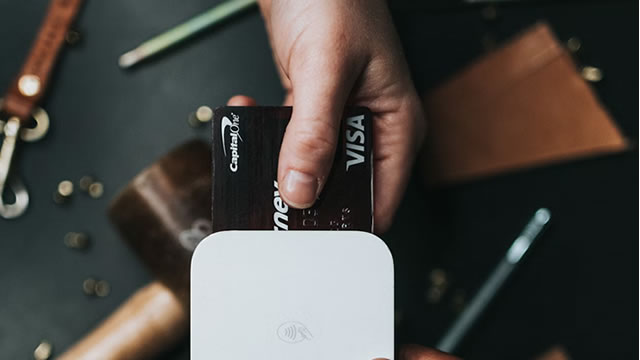
Fintech Marqeta Enables Expansion of Klarna Debit Card Across European Markets
Crowdfund Insider· 2025-11-06 18:25
Core Insights - Marqeta is collaborating with Klarna to expand the Klarna Card into 15 new European markets, leveraging Visa's Flexible Credential technology [1][2] - The Klarna Card is being rolled out in multiple countries including the UK, Denmark, Germany, Norway, and Poland, and is also available in several other European countries and the U.S. [2] - Marqeta's platform has processed nearly $300 billion in annual payments volume in 2024, demonstrating its scalability and compliance capabilities [2] Company Overview - Marqeta is a modern card issuing platform that enables companies to create customized card programs and embed financial services into their branded experiences [2] - Klarna is a global digital bank and flexible payments provider with over 111 million users and 2.9 million transactions per day [3] - Klarna's network includes over 790,000 retailers, enhancing consumer payment options across various platforms [3] Partnership Dynamics - The partnership between Marqeta and Klarna is aimed at accelerating time-to-market and scaling operations across countries [2] - Marqeta became the first issuer processor in the U.S. certified for Visa Flexible Credential in July 2024, further solidifying its position in the market [2] - The collaboration is expected to continue growing, with both companies eager to innovate and expand their offerings [2]



Is IBKR's Karta Visa Card a Step Toward Its Diversification Strategy?
ZACKS· 2025-11-05 18:30
Core Insights - Interactive Brokers (IBKR) is transitioning to a full-service financial platform by introducing the Karta Visa card, which has no foreign transaction fees and links directly to clients' brokerage accounts [1][10]. Product Offering - The Karta Visa card includes features such as 24/7 luxury travel concierge services, reward points for travel and lifestyle purchases, AI-powered real-time support via WhatsApp, access to exclusive events, and global airport lounge entry [2]. - This card is part of IBKR's broader cash management offering, which integrates trading, saving, investing, and spending from a single account [2]. Financial Performance - Over the past five years (2019-2024), IBKR's total net revenues have experienced a compound annual growth rate (CAGR) of 21.8% [4]. - The company is expected to continue revenue growth, with Zacks Consensus Estimates projecting revenues of $5.80 billion for 2025 and $6.12 billion for 2026, reflecting year-over-year growth of 11.1% and 5.6%, respectively [5]. Earnings Estimates - The Zacks Consensus Estimate for IBKR's earnings indicates year-over-year growth of 14.8% for 2025 and 8.4% for 2026, with upward revisions in earnings estimates over the past 30 days [15]. Market Position - IBKR's shares have increased by 58.6% over the past six months, outperforming the industry growth of 31% [12]. - The company trades at a forward price-to-earnings (P/E) ratio of 32.72, significantly higher than the industry average of 14.81 [13]. Competitive Landscape - Competitors such as TradeWeb Markets Inc. and Robinhood Markets, Inc. are also expanding their product offerings to enhance market share [8]. - TradeWeb has launched electronic portfolio trading for European government bonds and expanded its algorithmic execution capabilities for U.S. Treasuries [9]. - Robinhood has introduced futures trading in the U.K. and launched Robinhood Ventures to increase retail access to private markets [11].


The SHOCKING Truth About Ripple RLUSD & What It Means For XRP
NCashOfficial - Daily Crypto & Finance News· 2025-11-05 05:00
One core piece of the crypto space that I have been really putting a spotlight on is stable coins. Stable coins have become a huge piece of not just crypto at this point, but also even traditional finance. And it's been a piece of crypto that's been spotlighted by some of the biggest names in the world.We're talking about institutional players, government officials. I mean at this stage of you know crypto and stablecoin adoption I really do think that we are at the point where crypto is maturing in a big wa ...

Tap. Earn Rewards. Repeat. The New T-Mobile Visa Credit Card is Here
Businesswire· 2025-11-04 12:40
Core Points - T-Mobile and Capital One have launched the T-Mobile Visa® Signature credit card, designed to enhance customer value and rewards from T-Mobile services [1][2] - The card allows customers to earn T-Mobile Rewards on everyday purchases, which can be applied towards T-Mobile bills, new devices, and accessories [1][3] Summary by Sections Product Features - T-Mobile Visa offers 2% in T-Mobile Rewards on all purchases and 5% on phones, devices, and accessories purchased at T-Mobile [4][12] - Cardholders can receive a $5 AutoPay discount on their T-Mobile bill for eligible plans, with no annual or foreign transaction fees [4][12] - Additional perks include discounts on hotels and rental cars booked through T-Mobile Travel, and a limited-time fuel discount at Shell stations [5][13][14] Customer Experience - The T-Mobile Visa integrates seamlessly with the T-Life app, allowing users to track spending, view rewards, and apply credits directly to their T-Mobile bill [7][8] - The partnership with Capital One aims to provide straightforward, customer-first benefits, enhancing the overall customer experience [9] Market Positioning - T-Mobile Visa is positioned as a unique offering in the market, combining financial services with mobile connectivity, reflecting T-Mobile's strategy of disrupting traditional industries [8][9] - The card is part of T-Mobile's broader mission to provide best-in-class value and experiences to its customers [16]



聊下OWLS,被Visa盯上的稳定币清算公司
Sou Hu Cai Jing· 2025-11-04 04:20
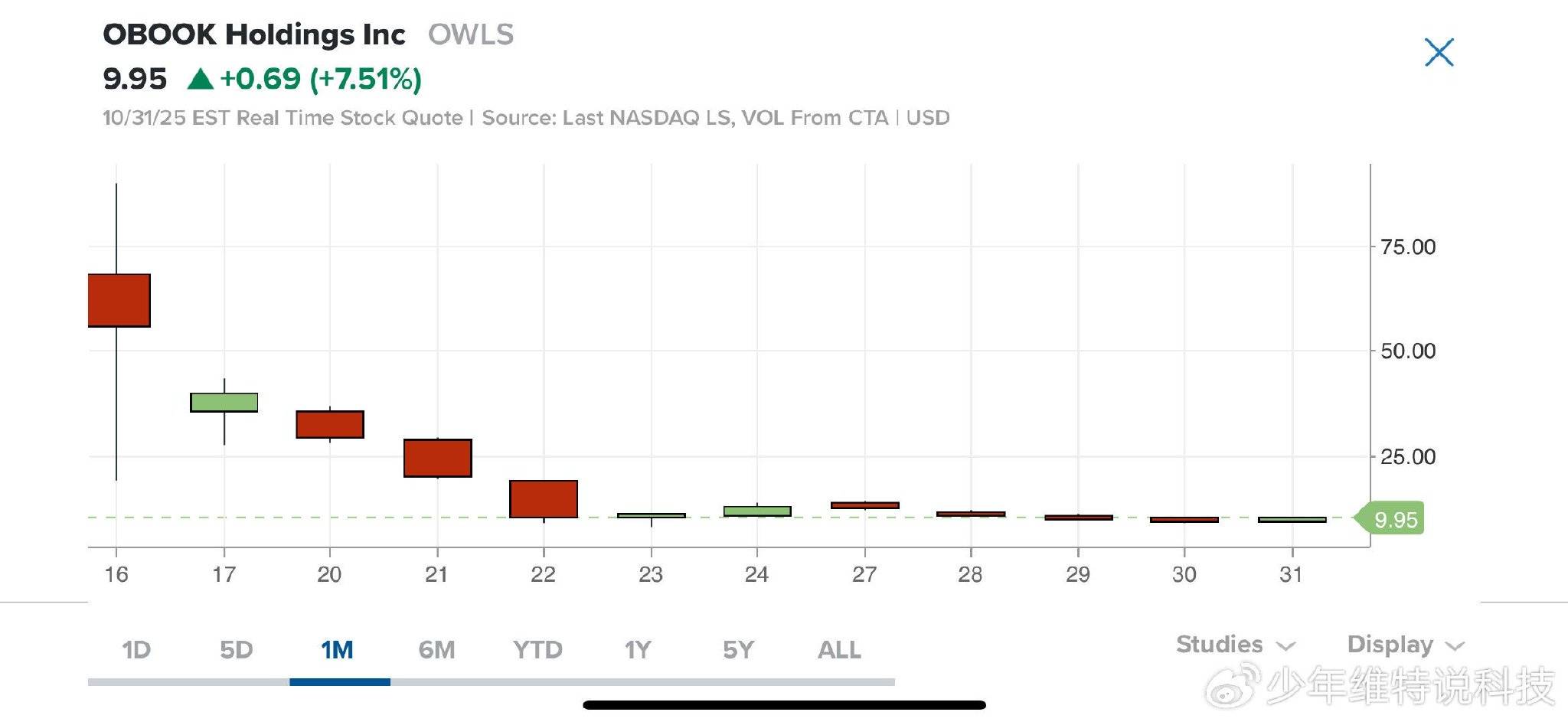
Core Viewpoint - The stablecoin sector is experiencing significant developments, with Coinbase negotiating a $2 billion acquisition of BVNK, which has seen its valuation increase from $750 million to $2 billion in just one year. Additionally, OwlTing Group has gone public, marking a notable entry into the financial technology space focused on stablecoin settlement [1][4][6]. Group 1: Company Developments - OwlTing Group, founded in 2010, transitioned from blockchain traceability and travel e-commerce to financial technology, launching OwlPay and OwlPayHarbor for stablecoin settlement [4]. - OwlTing's stock debuted at a reference price of $10, surged to $68, and closed at $55.55, giving it a market cap of approximately $4.9 billion, although it has since fallen to around $1 billion [4][5]. - The company has obtained Money Transmitter Licenses (MTL) in 40 U.S. states and has registered in Japan, the EU, and Southeast Asia, positioning itself as a compliant cross-border settlement network operator [4][5]. Group 2: Financial Performance - For the fiscal year 2024, OwlTing reported revenues of $7.57 million, an 18% year-over-year increase, but incurred a net loss of $10.27 million [5][22]. - The primary revenue source for OwlPay is B2B settlement services, accounting for about 60% of total revenue, with a take rate between 1% and 3% [22]. Group 3: Market Trends and Opportunities - The stablecoin market is projected to reach a total market value of approximately $261 billion by 2025, with stablecoin payment volumes expected to grow significantly [7][10]. - Visa has integrated OwlPay into its global network, allowing OwlTing to leverage over 8.5 billion payment endpoints, covering more than 190 regions and 160 currencies [5][23]. - The global cross-border third-party payment market is estimated to reach $1 trillion by 2029, with stablecoins providing a more efficient and cost-effective solution for businesses [11][14]. Group 4: Competitive Landscape - The stablecoin clearing sector is evolving, with different companies like BVNK, Bridge, and OwlTing representing various approaches to integrating stablecoins into traditional financial systems [23]. - OwlTing's model focuses on building a compliant cross-border clearing network, distinguishing itself from traditional financial institutions and other fintech players [23][25]. - The company aims to connect blockchain and global payment systems, similar to how PayPal connected the internet with the dollar system two decades ago [30].
Visa and DealMe launch NanuPay, the world’s first cross-border card installment service, available in South Korea for Vietnamese cardholders
The Manila Times· 2025-11-04 03:57
Core Insights - Visa and fintech DealMe have launched NanuPay, enabling Vietnamese Visa credit cardholders to select installment plans while shopping abroad, starting in South Korea [1][2] - The service aims to simplify international spending for Vietnamese consumers, supporting the country's digital transformation and promoting cashless transactions [2][4] Company Overview - Visa is a leader in digital payments, facilitating transactions globally and focusing on innovative, secure payment solutions [9] - DealMe, established in 2022, focuses on cross-border installment payments and has partnered with Lotte Card to enhance its service offerings [10][11] Market Context - The launch of NanuPay coincides with increasing travel and commerce between Vietnam and South Korea, making it a relevant solution for Vietnamese consumers [2] - Vietnamese consumers, particularly Gen Z and Millennials, show a strong intent for big-ticket purchases, especially in healthcare and travel, making NanuPay's offerings particularly appealing [3][6] Service Features - NanuPay allows eligible Techcombank and Sacombank cardholders to choose interest-free installment plans at checkout without needing additional apps or new cards [1][2] - The pilot program will be available at select duty-free stores and medical tourism providers in Seoul and Gangnam, with plans for future expansion to other global markets [2][5] Strategic Goals - Visa aims to enhance cross-border payment flexibility and security, aligning with Vietnam's ambition for a cashless economy and sustainable economic growth [4][6] - DealMe emphasizes reducing operational burdens for merchants while expanding its coverage to improve convenience for international visitors [5]

X @Polygon
Polygon· 2025-11-03 20:26
RT The Rollup (@therollupco)"Blockchains like Polygon enable faster, cheaper transactions with higher throughput, sometimes even higher than Visa and Mastercard."@rodrifernandezt explains why the MoneyGram's @crossmint partnership happens now, and not years ago. https://t.co/c1fQQR75Hb ...