Apple

Search documents
Wall Street Breakfast Podcast: Gold rises bulls stay hopeful
Seeking Alpha· 2026-03-31 10:47
Gold Market - Gold prices have experienced a significant decline of 14% this month, marking the steepest fall since October 2008, primarily due to a stronger dollar index and reduced expectations for a U.S. interest rate cut this year [4][5] - Despite the recent downturn, Goldman Sachs maintains a bullish outlook on gold, projecting a price of $5,400 per ounce by the end of 2026, supported by ongoing central bank purchases and anticipated U.S. rate cuts [4][5] Automotive Industry - General Motors (GM) has announced a temporary halt of operations at Factory ZERO until April 13, 2026, following a previous production cut of approximately 50% earlier in 2026, in response to market demand for electric vehicles (EVs) [5][6] - The company has incurred significant financial losses related to its EV strategy, with writedowns totaling around $7.6 billion [6] Streaming Industry - Netflix is reportedly seeking to expand its coverage of National Football League (NFL) games, aiming for a four-game package that includes an additional game on Thanksgiving and an international game [7] - The current NFL package with Netflix is set to expire at the end of 2026, and the company has a three-year deal for a specialized Christmas Day package featuring two games [7][8]



If This Wall Street Analyst Is Correct, This Artificial Intelligence (AI) Data Center Stock Will Join Nvidia, Apple, and Meta in the $1 Trillion Club
Yahoo Finance· 2026-03-31 10:35
Core Viewpoint - Oracle's stock experienced a significant decline after an initial surge due to concerns over the sustainability of its AI-related deals and the impact of debt on its data center expansion [1][2]. Group 1: Stock Performance and Market Position - Oracle emerged as a major player in the AI sector last year, but its stock has fallen nearly 50% in the past six months as investor confidence wanes [1]. - Following a strong fiscal first-quarter earnings report, Oracle's stock surged approximately 40%, driven by positive expectations for its AI data center business [2][3]. - The stock could potentially reach a price target of $400, indicating nearly 170% upside, which would elevate Oracle's market cap to over $1 trillion [6]. Group 2: Financial Metrics and Projections - Oracle reported remaining performance obligations (RPOs) of $455 billion for the quarter ending August 31, indicating contracted revenue yet to be delivered [2]. - Management forecasts cloud infrastructure revenue to grow significantly, reaching $18 billion in fiscal 2026 and projected to hit $144 billion by fiscal 2030 [3]. - A substantial portion of the RPOs, approximately $300 billion, is tied to a long-term deal with OpenAI, raising concerns about payment sustainability [4]. Group 3: Debt and Cash Flow Concerns - To support its AI data center build-out, Oracle may need to raise up to $50 billion in debt, which adds financial pressure [5]. - Recent reports indicate that margins in Oracle's data center business are not particularly strong, and the company has reported negative free cash flow in recent quarters [5].

US tech stocks struggle for safe haven appeal in Iran market fallout
Reuters· 2026-03-31 10:06
Core Viewpoint - Technology stocks are struggling to maintain their status as safe havens amid the turmoil caused by the Iran conflict, which poses a significant risk to the broader U.S. stock market [1]. Group 1: Market Performance - The tech sector has seen a decline of nearly 8% since the onset of the Iran war, mirroring the broader S&P 500 index's performance [4]. - The Nasdaq Composite, heavily weighted with tech stocks, has dropped over 10% from its all-time high in October, indicating a technical correction [4]. - The S&P 500 is on track for its worst quarterly performance in about four years, reflecting a challenging first quarter for U.S. equities [3]. Group 2: Factors Influencing Tech Stocks - Analysts attribute the tech sector's struggles to various factors, including rising Treasury yields driven by inflation concerns related to the war, which negatively impact stock valuations, particularly for tech stocks that rely on future profit expectations [6]. - Industry-specific issues, such as concerns over business disruptions from artificial intelligence applications and significant spending on data centers, are also contributing to the decline in tech shares [7]. - Recent legal challenges faced by major companies like Meta and Alphabet regarding social media harms have introduced additional risks to their stock performance [8]. Group 3: Investment Sentiment and Valuations - Despite the current challenges, the tech sector is expected to see earnings growth of 43% in 2026, compared to an 18.8% increase for the overall S&P 500, making it an attractive option for investors seeking growth in a low-growth environment [11]. - The tech sector's price-to-earnings (P/E) ratio has decreased from 32 in late October to 20, making valuations more appealing [12]. - Major tech stocks, including Nvidia and Meta, are trading at their lowest P/E ratios in years, indicating improved risk-reward dynamics for potential investors [13][14].
Apple’s 50 Years of Integration
Stratechery By Ben Thompson· 2026-03-31 10:00
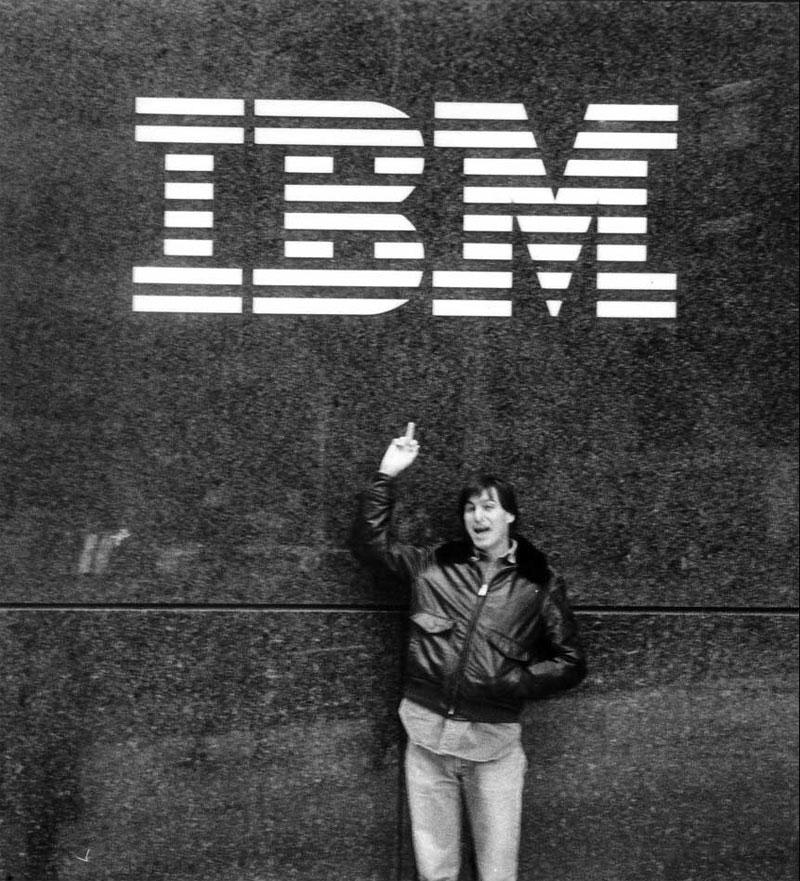
Core Insights - Apple is celebrating its 50th anniversary, marking a significant milestone in its history and evolution as a tech company [2] - The company has maintained a unique position in the market by integrating hardware and software, which has allowed it to remain competitive against modular competitors like Microsoft and Android [6][16] - Apple's strategy in AI involves leveraging its existing user base and device ecosystem to integrate multiple AI providers into its platform, enhancing the functionality of Siri and potentially increasing revenue through third-party subscriptions [20][21] Company History - Apple's journey began with the Apple I, which was a hobbyist computer, and the Apple II, which gained significant attention and market share [4][8] - The introduction of OS X and innovative designs by Jony Ive revitalized Apple's brand and product offerings, leading to the success of the iMac and later the iPhone [5][6] - The iPhone revolutionized the smartphone market, positioning Apple as a leader in both hardware and software integration, which has been a key factor in its sustained success [15][16] Competitive Landscape - Apple has faced nominal competition from companies like IBM, Microsoft, and various consumer electronics firms, but its unique integration of hardware and software has set it apart [7][11][13] - The iPhone's introduction marked a shift in the smartphone market, where Apple outperformed early competitors like RIM and Nokia by offering a more capable device built on a robust operating system [15][16] - Android has gained significant market share globally, but Apple continues to dominate the high-end market in the U.S. due to its performance advantages and brand loyalty [17][19] AI Strategy - Apple plans to open Siri to external AI assistants, allowing users to access various AI services through its platform, which could enhance user experience and generate additional revenue [20][21] - The company is not heavily investing in AI infrastructure compared to its competitors, focusing instead on integrating AI capabilities into its existing devices [19][25] - Apple's approach to AI emphasizes owning the customer relationship and leveraging its hardware-software integration to provide superior user experiences [22][26] Future Considerations - The long-term threat to Apple's business model may arise if AI technology evolves to a point where traditional user interfaces become obsolete, potentially diminishing the relevance of smartphones [33][34] - Apple has the option to adapt by opening its devices to deeper integration with third-party AI providers, which could help mitigate potential threats from emerging competitors [36]
Why 1 Top Analyst Says Apple Is a Screaming Buy Right Now
The Motley Fool· 2026-03-31 08:26
Core Viewpoint - The technology sector is currently underperforming, with Apple experiencing a decline in stock price, yet Wall Street analysts remain optimistic about its future growth potential [1][2]. Company Performance - Apple shares are down over 10% year to date, making it one of the laggards in the technology sector [1]. - The consensus 12-month price target for Apple reflects an upside potential of around 20%, with approximately 60% of analysts rating it as a "buy" or "strong buy" [2]. Market Insights - Morgan Stanley's AlphaWise Global Smartphone Survey indicates a record high in the number of consumers in the U.S. and China planning to upgrade to new iPhones over the next 12 months [4]. - Apple is expected to be the only major global smartphone vendor to gain market share this year, as competitors may face lower demand due to high prices from memory chip shortages [5]. Brand Loyalty and Consumer Behavior - Apple's net switching rate has risen to 11%, a five-year high, indicating strong brand loyalty and consumer interest [6]. - The survey revealed that consumers are motivated to upgrade due to new features and better device quality, although interest in generative AI features has decreased by 11% year over year [8][9]. Future Product Expectations - There is significant interest in foldable iPhones, with 27% of current iPhone users expressing extreme interest in purchasing one, particularly in China where interest rises to nearly 40% [9]. - Morgan Stanley projects that the launch of a foldable iPhone could expand the global foldable smartphone market by more than 2x within 18 months, potentially generating annual revenue of up to $60 billion [10]. Valuation and Market Position - Apple's forward price-to-earnings ratio is 28.8, making it one of the most expensive stocks among the "Magnificent Seven," second only to Tesla [11]. - Despite its high valuation, the strong demand for new iPhones and the upcoming foldable model suggest that the stock may not be overly expensive, as quality products command a premium [12].
Apple Inc. Turns 50 on April 1: A look back at its journey
BusinessLine· 2026-03-31 06:38
Core Insights - Apple, founded on April 1, 1976, has evolved from a small garage operation into a leading technology brand, celebrating its 50th anniversary on April 1, 2026 [1] Group 1: Historical Milestones - In 1976, Apple Computer, Inc. was established by Steve Jobs and Steve Wozniak, introducing the Apple I priced at $666.66, marking its entry into personal computing [4] - The Apple II, launched in 1977, was Apple's first true consumer product, featuring color graphics and user-friendly software [6] - The Macintosh was introduced in 1984, popularizing the "point and click" mouse interface [7] - Steve Jobs returned to Apple in 1997, initiating a significant corporate turnaround [10] - The iMac was launched in 1998, characterized by its colorful design and USB connectivity, moving away from traditional beige computers [13] - In 2001, Apple expanded into portable music with the iPod and launched Mac OS X, while also opening its first retail stores [16] - The iPhone was unveiled in 2007, revolutionizing mobile technology with its touchscreen design [18] - The App Store was launched in 2008, initially featuring 500 apps, and the MacBook Air was introduced [21] - The iPad was released in 2010, bringing multitouch technology to a larger device [23] - The Apple Watch and Apple Music were introduced in 2015, solidifying Apple's position in both hardware and software [26] - In 2020, Apple began transitioning to its own custom silicon with the M1 chip, enhancing performance and efficiency [29] - The Vision Pro, Apple's first spatial computer, was launched in 2024, marking the beginning of spatial computing [32] Group 2: Recent Developments - By 2025, demand for the iPhone 17 reached record highs, with the Services division surpassing $100 billion annually, driven by Apple Music, Apple TV+, and the App Store [34] - Apple's focus on India has intensified, with smartphone shipment share increasing to 12% in Q4 2025 from 9% in Q3 2025, and five iPhone manufacturing plants now operational in Tamil Nadu and Karnataka [35]
Design, disruption, and drama: Apple's most defining controversies
ETBrandEquity.com· 2026-03-31 04:57
Core Insights - Apple has faced numerous controversies over the years, including product issues like "Bendgate" and "Batterygate," as well as legal scrutiny regarding its App Store control and employee relations [1][13][15] - Despite these challenges, Apple remains a powerful and influential brand, shaping consumer behavior and technology while managing its public image [2][13] Product Controversies - In 2014, the iPhone 6 was criticized for its tendency to bend, impacting Apple's reputation, although the company claimed the issue was rare [3][13] - In 2015, Apple admitted to slowing down older iPhones to prevent unexpected shutdowns, which led to backlash and forced the company to apologize and improve communication regarding performance management [4][13] - Apple faced keyboard issues with its MacBooks, leading to consumer complaints and the eventual discontinuation of the problematic keyboards [5][13] - The initial release of Apple's Maps app was met with significant criticism due to inaccuracies, prompting an apology from CEO Tim Cook [5][13] - A recent advertisement for the iPad Pro was poorly received by audiences, indicating ongoing challenges in product marketing [5][13] App Store Control - Apple has been criticized for its control over the App Store, including charging commissions on in-app purchases and regulating software distribution, which some argue gives the company excessive power over the digital ecosystem [6][13] - The legal dispute with Epic Games, which involved the removal of the popular game Fortnite from the App Store, highlighted concerns over Apple's app control [7][15] Privacy Stance - In 2016, Apple resisted U.S. government efforts to unlock an iPhone linked to a criminal investigation, reinforcing its image as a privacy-first company while sparking debate on security versus law enforcement [8][15] Employee Relations - Apple has faced internal pressures from employees advocating for better pay, equality, and flexible work arrangements, reflecting broader trends in workplace expectations within the tech industry [10][15] Supply Chain Issues - The company relies on third-party suppliers, some of which have faced allegations of poor labor conditions, prompting Apple to enhance oversight and publish supplier responsibility reports [11][15]
13 Best Stocks to Invest in for Good Returns
Insider Monkey· 2026-03-31 03:54
Core Insights - The article discusses the best stocks to invest in for good returns, highlighting the impact of the Iran war on market growth and inflation [1][2]. Economic Context - The ongoing Iran war is expected to negatively affect growth by up to 2% and contribute to inflationary pressures in the US economy [1][2]. - Major US stocks have declined this year, marking a shift from previous years of significant gains, with the Federal Reserve's decision to refrain from raising interest rates adding uncertainty [2]. Investment Strategies - Historical trends suggest that buying stocks after market downturns can be beneficial, as emphasized by RBC Capital Markets and Warren Buffett's investment philosophy [3]. - Buffett advises against chasing hot tech trends, focusing instead on high-quality stocks available at discounted prices [4]. Stock Analysis Methodology - The list of recommended stocks was compiled from Berkshire Hathaway's Q4 2025 portfolio, focusing on stocks with high 5-year returns and significant hedge fund ownership [7]. - Stocks were further filtered for those with an upside potential exceeding 15%, and ranked accordingly [7]. Featured Stocks - **Nucor Corporation (NYSE:NUE)**: - Berkshire Hathaway's stake is approximately $1.05 billion, with a 5-year return of 108.94% and an upside potential of 18.29% [10]. - The company anticipates first-quarter earnings between $2.70 and $2.80 per diluted share, a significant increase from last year's earnings [10][11]. - Nucor has repurchased 0.7 million shares at an average price of $175.19 and returned $250 million to shareholders through buybacks and dividends [12]. - **Apple Inc. (NASDAQ:AAPL)**: - Berkshire Hathaway's stake is about $61.96 billion, with a 5-year return of 109.70% and an upside potential of 20.14% [14]. - Analysts maintain an Outperform rating, citing strong momentum in Apple's services segment, with a price target of $330 [14][15]. - Apple is diversifying its revenue streams, targeting double-digit growth in its services segment, including potential advertising in its Maps App [15][16].
Femto Technologies Inc. - Early Warning Report of Yftah Ben Yaackov
Thenewswire· 2026-03-30 21:30
Core Viewpoint - Femto Technologies Inc. has filed an early warning report due to an increase in its issued and outstanding subordinate voting shares, as required by applicable securities laws [1][2]. Group 1: Early Warning Disclosure - The early warning report was filed by Yftah Ben Yaackov, the CEO and director of Femto, in compliance with National Instrument 62-103 [2]. - The requirement for this disclosure was triggered by the issuance of 169,811 subordinate voting shares to a shareholder of Gilad R.G. Planning and Implementation of Technologies and Software 2025 Ltd. [3]. Group 2: Share Ownership Changes - Prior to the issuance, Mr. Yaackov owned 70,219 subordinate voting shares, representing approximately 8.15% of the total issued and outstanding subordinate voting shares, and 4,412 enhanced voting shares, representing 100% of the enhanced voting shares, totaling about 26.88% of the aggregate voting rights [4]. - Following the issuance, Mr. Yaackov's ownership of subordinate voting shares remained at 70,219, but his percentage ownership decreased to approximately 6.81%, while his aggregate voting rights decreased to about 23.24%, reflecting a decrease of approximately 3.64% in voting rights [4]. Group 3: Report Availability - A copy of the early warning report filed by Mr. Yaackov can be accessed under the company's profile on SEDAR+ and from the company's chief financial officer [5].

Apple Stock at a Crossroads: How Are Options Traders Reacting?
Schaeffers Investment Research· 2026-03-30 18:36
Group 1 - Apple Inc (AAPL) stock is currently down 0.9% trading at $246.53, with a year-to-date deficit of 9.3% [1] - Options traders remain bullish on AAPL, with approximately 4.1 million calls and 3 million puts traded over the past two weeks [2] - AAPL's 10-day put/call volume ratio is 0.71, ranking higher than 89% of readings from the past year, indicating increased put buying activity [7] Group 2 - AAPL is at risk of breaching its 320-day moving average for the first time since October, with only four weekly wins since December [5] - The stock's performance has seen a significant decline from its all-time high of $288.62 reached on December 3 [5] - The current Schaeffer's Volatility Index (SVI) for AAPL is 30%, which is in the 20th percentile of annual readings, suggesting options are affordably priced [7]