Apple

Search documents
Formula One Group: Short-Term Pain, Long-Term Gains
Seeking Alpha· 2026-03-30 17:44
Core Insights - The new F1 season has commenced, but the stock price of Formula One Group (FWONA) has decreased by approximately 16% year-to-date [1] Company Summary - The stock was previously rated as a Buy, indicating a positive outlook despite the recent decline [1] Industry Context - The article emphasizes the importance of independent analysis and understanding financial statements to identify investment opportunities within the industry [1]



Apple subsidiary fined by UK government over Moscow sanctions breach
The Guardian· 2026-03-30 12:49
Core Viewpoint - The UK government has fined Apple Distribution International £390,000 for breaching sanctions related to payments made to a Russian streaming platform, Okko, which is linked to a sanctioned entity [1][2][3]. Group 1: Details of the Breach - Apple Distribution International (ADI) made two payments totaling over £635,000 to Okko from a UK bank account [2]. - The payments occurred in June and July 2022, after Okko was sold to JSC New Opportunities, a company under UK sanctions since June 2022 [4]. - Sberbank, which owned Okko prior to the sale, was among the first Russian companies sanctioned following the invasion of Ukraine [4]. Group 2: Regulatory Actions and Responses - The Office of Financial Sanctions Implementation (OFSI) imposed the fine after determining that ADI likely breached financial sanctions [3]. - ADI voluntarily disclosed the payments and engaged in settlement talks with OFSI, asserting it had no reason to suspect a breach of sanctions [5][6]. - OFSI emphasized that non-UK companies could be penalized for using UK financial institutions for payments, highlighting the need for robust due diligence frameworks [7]. Group 3: Company Statements and Compliance Efforts - An Apple spokesperson stated that the company takes sanctions compliance seriously and reported the payments to the UK government upon discovery [8]. - The company is actively working to enhance its compliance protocols to align with industry standards [8].
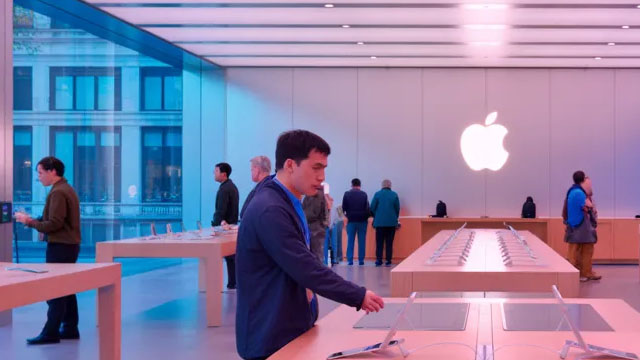
Apple at 50: What an Investment in the IPO Has Become
247Wallst· 2026-03-30 12:25
Core Viewpoint - Apple has transformed from a computer maker to a services and ecosystem powerhouse, with significant growth in services revenue and a large installed base of active devices, despite facing short-term stock declines due to external concerns [5][7][3]. Financial Performance - In Q1 FY2026, Apple generated an all-time high services revenue of $30.013 billion, supported by an installed base exceeding 2.5 billion active devices [2][7]. - The company's trailing 12-month revenue stands at $435.6 billion, with a profit margin of 27% [8]. Investment Returns - A $1,000 investment at Apple's IPO in December 1980 would have grown to approximately $2,533,032 by March 2026, representing a total return of 253,203% [10]. - Over the past 10 years, Apple has returned more than triple the S&P 500, although the one-year return has matched the index [9]. Market Position and Analyst Outlook - Apple trades at a forward P/E of 28.9, with analyst consensus price targets at $295.31, indicating a positive long-term outlook despite current challenges [2][11]. - The ongoing rollout of Apple Intelligence features is expected to sustain the upgrade cycle and support revenue growth [11].
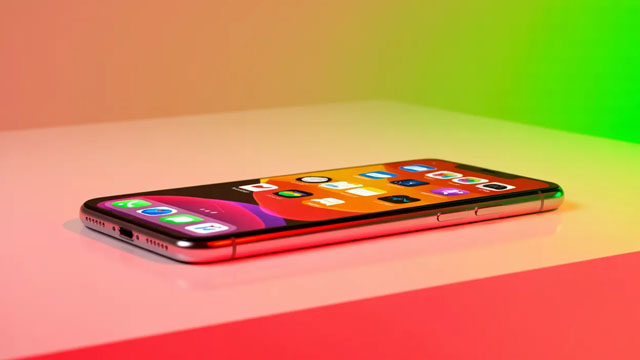
Design, disruption, and drama: Apple’s most defining controversies
The Economic Times· 2026-03-30 11:59
Core Insights - Apple Inc. has faced significant challenges throughout its history, including product issues such as 'Bendgate' and 'Batterygate' which have tested its reputation [1] - The company has also been under antitrust scrutiny regarding its App Store practices and its stance on privacy, drawing considerable attention from regulators and the public [1] - Despite these controversies, Apple continues to innovate and has maintained strong brand loyalty among its customers [1]

苹果公司:亚洲调研-可折叠机型将至,新 iPhone 分批发布;目标价上调至 320 美元
2026-03-30 05:15
Summary of Apple Inc. Conference Call Company Overview - **Company**: Apple Inc. (AAPL) - **Sector**: IT Hardware - **Description**: Designs, manufactures, and markets consumer electronics and computers, with revenues primarily from iPhones, Services, Macintosh computers, iPads, and wearables [doc id='13'][doc id='14']. Key Points Product Launch Strategy - **Foldable iPhone Launch**: Apple plans to introduce its first foldable iPhone in 2026, featuring a 7.7-7.8" inner screen and under 10mm thickness when folded. Initial demand is expected to be strong, with supply chain preparations for 10-20 million units [doc id='1'][doc id='2']. - **Staggered Launch Cadence**: The launch of the foldable and Pro models will occur in September, while base models will launch in the first half of 2027, likely in March. This change is expected to shift unit sales and revenue from the September/December quarter to March [doc id='2'][doc id='3']. Financial Estimates and Adjustments - **Price Objective**: The price objective has been adjusted to $320 from $325, based on a 32x multiple of the estimated EPS for 2027 of $9.94 [doc id='4'][doc id='20']. - **Revenue Estimates**: Adjusted revenue estimates for 2026 are $462.1 billion, down from $474.8 billion, and for 2027, $521.2 billion, down from $524.4 billion [doc id='6'][doc id='17']. - **Earnings Per Share (EPS)**: EPS estimates for 2026 have been revised to $8.36 from $8.51, and for 2027 to $9.53 from $9.77 [doc id='6'][doc id='17']. Financial Performance Metrics - **Sales Growth**: Projected sales growth of 11% year-over-year in 2026, with net income growth of 12% [doc id='19']. - **Gross Margin**: Expected gross margin improvements due to a better mix of higher-end iPhones and lower memory costs [doc id='22']. - **Free Cash Flow**: Expected free cash flow for 2026 is $127.3 billion, with a year-over-year increase of 28.9% [doc id='11']. Risks and Opportunities - **Downside Risks**: Potential risks include a weaker iPhone cycle, declining gross profit dollars, and legal issues. Other risks involve competition in the smartphone and tablet markets, and the impact of a stronger dollar [doc id='21']. - **Upside Risks**: Opportunities include stronger sales of Pro iPhone models, potential new products in AR/VR, and a faster-than-expected recovery in emerging markets [doc id='22']. Investment Rationale - **Buy Rating Justification**: The Buy rating is supported by expected strong iPhone upgrade cycles, higher growth in Services revenue, and ongoing capital returns [doc id='14']. Stock Data - **Current Price**: $247.99 - **Market Valuation**: $3.64 trillion - **Average Daily Volume**: 43,806,988 shares [doc id='15'][doc id='7']. This summary encapsulates the key insights from the conference call, focusing on product strategies, financial adjustments, and the overall investment outlook for Apple Inc.
Prediction: Apple Will Be the Worst "Magnificent Seven" Stock to Own Between Now and 2030
The Motley Fool· 2026-03-30 02:30
Core Viewpoint - Apple is expected to underperform compared to its big tech peers due to several challenges, which could impact investors' returns [1][2]. Group 1: Challenges Facing Apple - Apple is facing three main challenges: an aging signature product, increasing competition, and global regulatory, supply, and trade headwinds [2][3]. - The iPhone, which accounts for about 50% of Apple's revenue, is experiencing market saturation as it approaches its 20th anniversary, leading to reliance on price hikes for growth [4]. - In the U.S., Apple holds a 60% market share, but in China, it only has about 25%, facing stiff competition from local brands like Huawei, Vivo, and Xiaomi [5]. - Regulatory scrutiny is increasing, particularly regarding the App Store, with European regulators forcing Apple to allow alternative app stores and the U.S. Department of Justice suing Apple on antitrust grounds [6]. - Apple's supply chain is at risk due to potential trade conflicts, especially with China, which could impact its offshore manufacturing operations [7]. Group 2: Stock Performance and Valuation - Apple's stock is transitioning from a growth stock to a value stock, despite still being priced like a growth stock [8]. - The company's price-to-earnings (P/E) ratio is currently at 31, above its 10-year average of 25, while its diluted earnings-per-share (EPS) growth has averaged about 16% over the last decade [10]. - Revenue growth has been around 7% for the past 10 years, with recent increases primarily driven by services and panic-buying of iPhones due to tariffs [10]. - These figures suggest that Apple is lagging behind other big tech stocks that are benefiting from high growth rates and margins, particularly in the context of AI applications [11]. Group 3: Investment Strategies - Investors are advised to consider reallocating some capital from Apple to more innovative companies within the "Magnificent Seven," such as Meta Platforms, Alphabet, and Nvidia, which are experiencing significant revenue growth [12]. - Alternatively, investors might consider diversifying away from the Magnificent Seven by trimming their Apple holdings and investing in ETFs or defensive sectors like consumer staples [13]. - While Apple is not expected to collapse imminently, it faces serious challenges that may position it as the worst-performing stock among the Magnificent Seven over the next four years [14].

Apple Centering AI Plans on App Store and Hardware
PYMNTS.com· 2026-03-29 21:37
Core Viewpoint - Apple is reportedly conceding the AI race to competitors like Google, Meta, and OpenAI, focusing instead on hardware and services [2][11] Group 1: AI Competition - Apple has been caught off guard by the rapid advancements in AI, particularly with the emergence of ChatGPT, leading to a loss of AI talent to rivals [2] - The company is not expected to compete directly with leading AI firms but will leverage its hardware dominance while allowing others to innovate in AI [11] Group 2: Strategic Approach - Apple's strategy may resemble its App Store model, where it offers in-house apps while allowing third-party versions, but the foundational nature of AI makes this approach more complex [3] - Some Apple executives believe that AI can be likened to web search, but this analogy is flawed as AI is becoming a fundamental operating system rather than just a destination [4] Group 3: User Behavior and Market Dynamics - Research indicates that 52% of dedicated AI users access technology through installed apps, suggesting a shift towards habitual AI usage in persistent environments [8] - A significant concentration of user engagement is noted, with 83% of AI users having tried ChatGPT, compared to 48% for Google Gemini and 30% for Microsoft Copilot, indicating that initial access points can shape long-term user behavior [9] - Among users of dedicated AI platforms, 43% have fully replaced previous methods with AI, highlighting the increasing switching costs as user context and preferences accumulate [10]
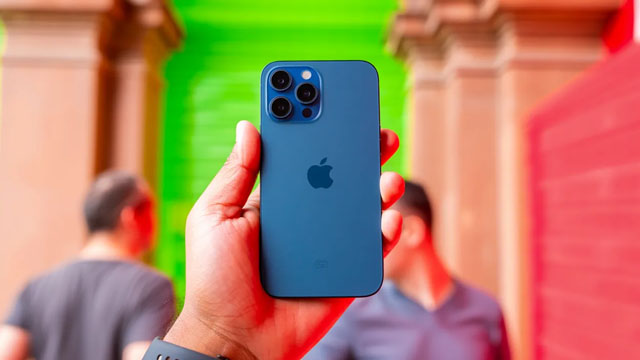
Apple Recruits Google Shopping Exec to Lead AI Marketing
PYMNTS.com· 2026-03-29 20:13
Group 1 - Apple has appointed Lilian Rincon, a former Google executive, as vice president of product marketing for AI, indicating a strategic move to enhance its AI capabilities [2][3] - Rincon's hiring coincides with Apple's plans to introduce an updated version of its Siri virtual assistant, which will utilize Google AI technology [2][3] - Apple and Google have partnered to base the next version of Apple's Foundation Models on Google's Gemini and cloud technology, aimed at improving Siri and other AI tools [3] Group 2 - Apple is planning to introduce a feature called "Extensions" in the upcoming iOS 27, allowing users to access other companies' AI assistants through Siri [7][8] - The new system is expected to enhance Siri's functionality and potentially increase Apple's revenue from third-party app subscriptions via the App Store [9] - Apple will showcase its AI advancements at the Worldwide Developers Conference (WWDC) scheduled for June 8-12, highlighting updates for its platforms [10]

Meta to launch new AI glasses aimed at prescription wearers
The Economic Times· 2026-03-29 13:40
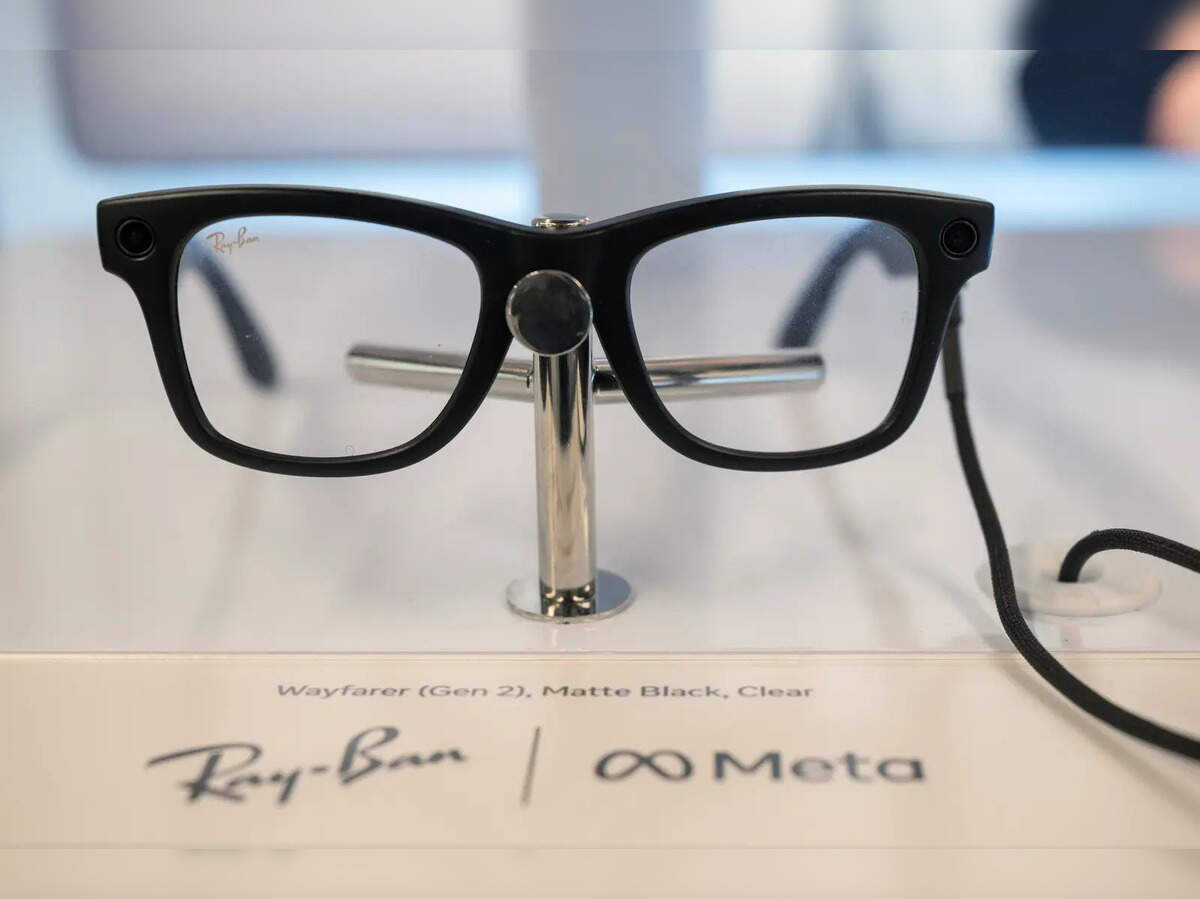
Group 1 - Meta Platforms Inc. plans to launch two new Ray-Ban smart glasses models specifically designed for prescription wearers, marking the first time these glasses are tailored for this demographic [1][3] - The new models, codenamed Scriber and Blazer, will be available in rectangular and rounded styles and are expected to be sold primarily through traditional prescription eyewear channels [1][3] - The introduction of these prescription-focused glasses aligns with CEO Mark Zuckerberg's vision of a future where AI glasses become the norm, as billions of people currently rely on glasses or contacts for vision correction [2][3] Group 2 - Meta has experienced early success in the smart glasses market, competing with other technology companies like Apple Inc., which plans to release its first glasses without displays or augmented reality next year [2][3] - The new Ray-Ban models do not represent a new generation of Meta's smart glasses but are part of the company's broader AI strategy [3]

China's Hansoh Pharmaceutical Group beats net profit expectations in 2025
Reuters· 2026-03-29 12:16
Core Viewpoint - Hansoh Pharmaceutical Group reported a 27% increase in annual profit for the fiscal year 2025, driven by innovative medicines and business development deals, surpassing market expectations [1][3]. Financial Performance - The net profit for the fiscal year ending December 31, 2025, was 5.56 billion yuan ($804.44 million), exceeding the consensus forecast of 4.97 billion yuan [3]. - Revenue for the year rose by 22.6% to 15.03 billion yuan [3]. Business Development - The company has expanded its licensing agreements, including a significant deal with Roche worth up to $1.45 billion for an investigational treatment of colorectal cancer and other solid tumors [3]. - Hansoh has also engaged in multiple licensing agreements with other international pharmaceutical companies, including Glenmark Pharmaceuticals and Regeneron Pharmaceuticals [4].