赛诺菲

Search documents
IL-6加速开辟新战场
3 6 Ke· 2025-09-22 12:37
Core Insights - IL-6 has emerged as a significant target in autoimmune diseases, with four drugs targeting IL-6/IL-6R approved globally, including tocilizumab, which reached sales of $3.96 billion in 2021 due to its first-mover advantage and multiple indications [1][3] - The expiration of tocilizumab's patent and the entry of biosimilars have intensified competition, prompting pharmaceutical companies to explore new indications beyond rheumatic diseases [3][6] - Recent acquisitions, such as Novartis's $1.4 billion purchase of Tourmaline Bio, indicate a strategic focus on differentiating therapies targeting IL-6 in cardiovascular diseases [4][6] Group 1: IL-6's Role and Market Dynamics - IL-6 is a multifunctional cytokine involved in various physiological and pathological processes, playing a crucial role in inflammation and immune response [2] - The complexity of IL-6's functions makes it challenging to develop drugs that inhibit its harmful effects while preserving its beneficial roles [2][8] - The cardiovascular field is becoming a rapidly advancing area for IL-6 monoclonal antibodies, with Novartis and Novo Nordisk actively pursuing this market [5][7] Group 2: Clinical Developments and Challenges - Novartis's acquisition of Tourmaline Bio was driven by promising Phase II clinical results of pacibekitug, which significantly reduced hs-CRP levels, indicating anti-inflammatory effects [6][8] - The ongoing clinical trials, such as ZEUS, will be critical in validating the efficacy of IL-6 inhibitors in improving hard endpoints like myocardial infarction and stroke [8] - Potential risks associated with long-term IL-6 suppression, including infection and liver toxicity, necessitate careful monitoring in clinical settings [8][9] Group 3: Future Directions and Research - The exploration of IL-6's role in chronic kidney disease and ocular diseases is gaining momentum, with ongoing studies indicating its potential in these areas [9][10] - Innovative approaches, such as dual-targeting antibodies and personalized medicine, are being developed to enhance treatment efficacy for conditions like rheumatoid arthritis [10] - The quest to understand the underlying mechanisms of elevated IL-6 levels and its varied effects across diseases remains a critical area for future research [10]


高额“回扣”下,药企纷纷撤离英国
Hu Xiu· 2025-09-22 06:17
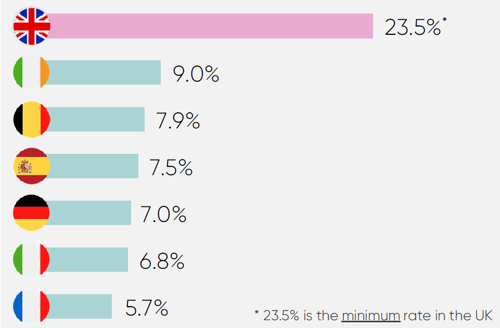
Core Viewpoint - The article discusses a significant retreat of multinational corporations (MNCs) from the UK pharmaceutical sector, driven by increasing tax burdens and unfavorable policy changes, leading to a perception of the UK as an "investment black hole" for the industry [6][30]. Group 1: Corporate Actions - Merck announced the closure of its drug research center in London, transferring all R&D operations to the US [2]. - Eli Lilly halted its planned biotechnology incubator project in the UK, citing a need to wait for a clearer life sciences environment [3]. - AstraZeneca froze a £200 million investment in its Cambridge research center, signaling a broader trend of MNCs withdrawing from the UK [4]. - Sanofi also publicly stated it would adopt a similar stance towards the UK, joining the retreat [5]. Group 2: Tax and Policy Challenges - MNCs are facing multiple tax burdens in the UK, including corporate tax, R&D tax, and drug sales rebates, which are pressuring their operations [8]. - The NHS's pricing scheme requires pharmaceutical companies to rebate a percentage of their sales to the NHS, directly impacting their investment returns [9]. - The rebate rate for drugs under the statutory pricing scheme was increased to 22.9%, with proposals suggesting it could rise to 23.8%, meaning companies may have to return up to 32.2% of their sales to the NHS [12]. Group 3: Impact of Brexit - The UK's exit from the EU has led to a significant decline in approval efficiency for new drugs, with the UK dropping from 6th to 18th in global rankings for drug approvals [19]. - The cancellation of the EU's free movement policy has hindered the formation of cross-border research teams and slowed clinical trial processes [21]. - The UK government's pursuit of higher rebates and budget cuts for drugs has further marginalized the country in the global pharmaceutical landscape [29]. Group 4: Industry Sentiment and Future Outlook - The lack of consensus between the government, pharmaceutical companies, and patients has led to a situation where all parties are losing out, with companies withdrawing, patients facing limited access to drugs, and the government experiencing a trust crisis [30][34]. - The article warns that if the rebate rates remain above 20%, the UK could lose approximately £11 billion (about 106.6 billion RMB) in R&D investments by 2033 [16]. - Despite some companies like BioNTech and GSK remaining in the UK, their commitment is questioned as they also plan significant investments elsewhere, such as GSK's $30 billion investment in the US [16].


Press Release: Sanofi and Regeneron’s Dupixent to treat chronic spontaneous urticaria advances in EU with positive CHMP opinion
Globenewswire· 2025-09-22 04:30
Core Viewpoint - The European Medicines Agency's Committee for Medicinal Products for Human Use (CHMP) has issued a positive opinion recommending the approval of Dupixent (dupilumab) for the treatment of chronic spontaneous urticaria (CSU) in adults and adolescents aged 12 years and above who have moderate to severe disease and inadequate response to histamine-1 antihistamines [1][2] Group 1: Clinical Data and Efficacy - Dupixent demonstrated significant reduction in itch and hives at 24 weeks compared to placebo in two studies from the LIBERTY-CUPID phase 3 program [2][10] - A third study provided additional safety data for Dupixent in a different CSU patient population [2] Group 2: Safety Profile - The safety results were consistent with Dupixent's known safety profile, with common adverse events including injection site reactions, COVID-19, hypertension, CSU, and accidental overdose [3] Group 3: Current Approvals and Market Presence - Dupixent is already approved for CSU in certain adults and adolescents in multiple countries, including Japan and the US [4][7] - The drug has received regulatory approvals in over 60 countries for various indications, with more than one million patients currently being treated globally [7] Group 4: Background on CSU and Dupixent - Chronic spontaneous urticaria (CSU) is a chronic inflammatory skin disease often inadequately controlled by standard treatments, leaving patients with limited options [5] - Dupixent is a fully human monoclonal antibody that inhibits interleukin-4 and interleukin-13 signaling pathways, addressing type 2 inflammation [6] Group 5: Ongoing Research and Future Indications - Sanofi and Regeneron are exploring Dupixent for additional diseases driven by type 2 inflammation in ongoing phase 3 studies [9]



Paris-based Juisci raises €5.5 million to transform how healthcare professionals access scientific knowledge
EU· 2025-09-19 10:51
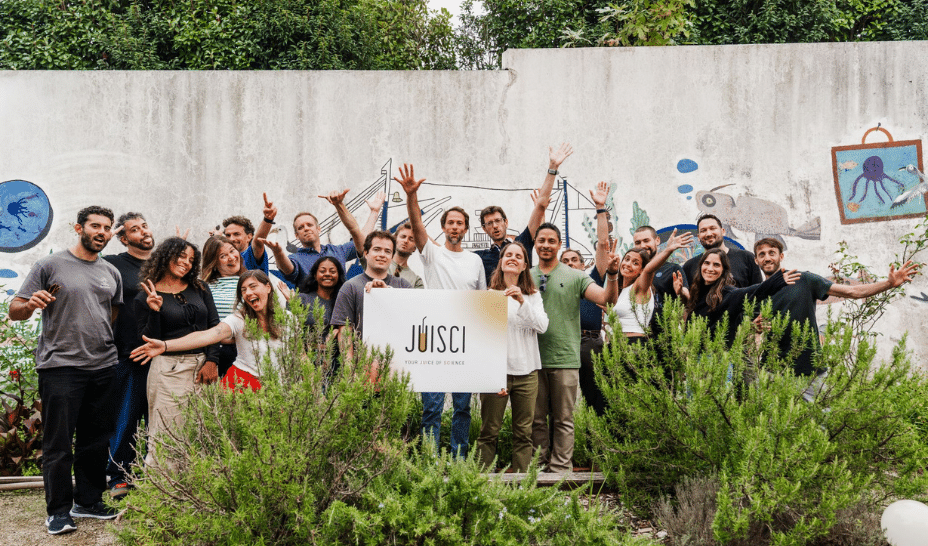
Core Insights - Juisci, a HealthTech startup, has raised €5.5 million in Seed funding to enhance R&D, expand its team, and accelerate international growth, particularly in the U.S. market [1] - The platform aims to provide healthcare professionals with quick and trustworthy access to scientific knowledge, helping them save time and combat misinformation [2][3] Company Overview - Founded in 2021 by Robin Roumengas and Dr. David Luu, Juisci is a SaaS platform that democratizes access to scientific knowledge through proprietary AI and a mobile-first experience [3] - The platform currently has over 200,000 users across 60 countries and supports 10 languages, collaborating with major pharmaceutical companies, MedTech firms, and hospitals [4][6] Market Need - The volume of medical knowledge is rapidly increasing, doubling every 73 days, making it challenging for healthcare professionals to keep up with the latest research [5] - Juisci addresses this issue by utilizing AI specifically trained on scientific literature to convert extensive research into clear and reliable insights [5] Product Features - The platform offers digestible summaries, article recommendations, videos, podcasts, and infographics, enabling healthcare professionals to save up to 8 hours a week [6] - Juisci has secured over 30 major clients, including well-known companies like Sanofi, UCB, and Johnson & Johnson, as well as various hospitals and scientific societies [7]

United Kingdom Paroxysmal Supraventricular Tachycardia Market Research Report (2025) By Leading Players, Emerging Technologies, Opportunity 2032
Medium· 2025-09-19 05:16
Market Overview - The global Paroxysmal Supraventricular Tachycardia (PSVT) market was valued at USD 1.35 billion in 2024 and is projected to reach USD 2.12 billion by 2032, with a CAGR of 5.8% from 2025 to 2032 [1][23]. Technological Innovations - AI is enhancing diagnostic accuracy, personalizing treatment strategies, and accelerating drug discovery in the PSVT market [2][4]. - Advanced electrophysiology mapping systems and miniaturized wearable devices are improving the identification of arrhythmia origins and enabling continuous heart rhythm monitoring [6][8]. Key Drivers of Market Growth - The increasing prevalence of cardiovascular diseases and an aging population are significant factors driving market expansion [5][12]. - Growing awareness among patients and healthcare providers about PSVT management is further propelling market growth [5][19]. Treatment and Diagnostic Trends - The market is witnessing a shift towards minimally invasive procedures like catheter ablation, which offers curative solutions for many patients [8][16]. - Advanced diagnostic techniques, including AI-powered ECG analysis and wearable monitoring devices, are enabling earlier and more accurate detection of PSVT episodes [8][18]. Regional Insights - North America, particularly the United States, is a dominant market due to advanced healthcare infrastructure and high awareness of cardiovascular diseases [24]. - The Asia Pacific region is expected to be the fastest-growing market, driven by improving healthcare infrastructure and rising disposable incomes [26]. Future Outlook - The PSVT market is expected to continue its robust growth from 2025 to 2032, driven by technological advancements and a focus on remote monitoring and homecare [17][30]. - The integration of AI and wearable technologies will enhance diagnostic precision and therapeutic interventions [17][20].


四强激战糖尿病
3 6 Ke· 2025-09-19 03:32
Group 1: Diabetes Market Overview - Diabetes is a chronic health condition characterized by long-term high blood sugar levels, affecting a significant portion of the global population. In 2021, 537 million adults aged 20-79 were diagnosed with diabetes, projected to rise to 643 million by 2030 [1] - The global diabetes drug market is valued at $88.32 billion in 2024, expected to grow to $1001.48 billion by 2025 and reach $2338.4 billion by 2032, with a compound annual growth rate (CAGR) of 12.7% during the forecast period [1] - The increasing prevalence of diabetes is driving demand for treatment drugs, leading to intensified development efforts by pharmaceutical companies [1] Group 2: Eli Lilly - Eli Lilly's China division merged its Immunology and Oncology divisions into a new "Immunology and Oncology Division," effective October 1, 2025, with a new leader appointed [2] - In the first half of 2025, Eli Lilly's revenue in China reached $917 million, a 19% year-on-year increase, driven by a 1.6-fold increase in sales of GLP-1 drugs [2] - Eli Lilly's total revenue for the first half of 2025 was $28.2862 billion, a 41% increase from the previous year, with diabetes and weight loss drugs contributing nearly half of its revenue [3] Group 3: Novo Nordisk - Novo Nordisk announced a global transformation plan to simplify its organizational structure and refocus resources on growth opportunities in diabetes and obesity [4] - The company plans to cut approximately 9,000 jobs globally, representing about 11% of its workforce, with an expected annual cost saving of 8 billion Danish Krone by the end of 2026 [5] - In the first half of 2025, Novo Nordisk reported revenue of 154.944 billion Danish Krone (approximately 173.7 billion Yuan), an 18% increase at fixed exchange rates, with significant contributions from GLP-1 products [6] Group 4: Merck & Co. - Merck & Co. announced a restructuring of its diabetes division, merging it with other mature product lines into an Entrepreneurial Business Unit, indicating a decline in the diabetes product lifecycle [7] - The company reported total revenue of $31.3 billion for the first half of 2025, a 2% decrease, with a significant drop in revenue from its diabetes products in China [8] - Merck plans to implement a cost-saving initiative aiming to save $3 billion annually by 2027, including a workforce reduction of approximately 6,000 employees [9] Group 5: Sanofi - Sanofi ceased the promotion of its new lipid-lowering drug in China due to global supply issues and strategic adjustments in its cardiovascular market [10] - In the first half of 2025, Sanofi's revenue in China was €1.388 billion (approximately 11.7 billion Yuan), showing a slight growth of 0.1% [10] - Sanofi has shifted its focus from diabetes to immunology and inflammation, attempting to transform from a diabetes giant to a leader in the immunology sector [11]
AI医学的“DeepSeek时刻”快来了?
Di Yi Cai Jing· 2025-09-19 00:32
Core Insights - The article highlights the emergence of AI technologies in the pharmaceutical and medical fields, particularly focusing on the advancements made by Chinese AI company DeepSeek and its large model R1, which has gained recognition in the scientific community [2] - The integration of AI in drug discovery and clinical applications is accelerating, with significant investments from major pharmaceutical companies aiming to revolutionize the drug development process [4][5] Group 1: AI in Drug Discovery - Major pharmaceutical companies, including Bristol-Myers Squibb and Sanofi, are investing billions in AI drug discovery, hoping to achieve breakthroughs that will transform the drug development process [4] - Medidata's data indicates that the proportion of clinical trials initiated by Chinese companies has surged from approximately 3% to 30% by 2024, positioning China as the second-largest clinical trial market globally [4] - AI is expected to drive a new wave of drug development, becoming a crucial force in the transformation of new drug research [4] Group 2: AI in Medical Applications - The "Meta-Medical" laboratory, launched by Zhongshan Hospital affiliated with Fudan University, aims to develop AI agents and apply large model technologies to enhance medical knowledge digitization and productization of diagnostic capabilities [6] - AI is changing the paradigm of diagnosis and treatment, with significant advancements in areas such as heart disease risk prediction and real-time monitoring through wearable devices [6] - The successful application of AI in specific medical fields has reached clinical levels, exemplified by the monitoring of intermittent atrial fibrillation using wearable technology [6] Group 3: Challenges and Ethical Considerations - Despite the potential of AI in drug discovery, challenges remain, including a 90% failure rate in clinical trials and the need to address complex biological issues and regulatory hurdles [5] - Ethical considerations are paramount, with the responsibility for medical decisions still resting with physicians, who must ensure that AI technologies are used safely and effectively in clinical settings [7]


Rigel Gains 77% in 3 Months: Is This an Indication to Buy the Stock?
ZACKS· 2025-09-18 16:25
Core Insights - Rigel Pharmaceuticals (RIGL) shares have surged 76.7% over the past three months, driven by investor confidence in the growth of its lead drug, Tavalisse, and other marketed products [1][11]. Product Performance - Tavalisse, an oral spleen tyrosine kinase inhibitor, is FDA-approved for treating adult patients with chronic immune thrombocytopenia (ITP) who have had insufficient response to prior treatments. It is also approved in several other countries [2]. - In Q2 2025, Rigel's net product sales increased by 76.2% year over year, with Tavalisse accounting for over 65% of these sales, marking the company's best quarter ever [3][11]. - Tavalisse generated sales of $68.5 million in the first half of 2025, reflecting a 44% year-over-year increase, driven by strong new patient demand [4]. - Rigel's second FDA-approved product, Rezlidhia, indicated for relapsed/refractory acute myeloid leukemia (AML), saw sales increase by 31% year over year in the first half of 2025 [5]. - The company has also added Gavreto to its portfolio, which contributed to sales growth in the first half of 2025 [7]. Financial Guidance - Rigel has raised its total revenue guidance for 2025 to $270-$280 million, up from a previous estimate of $200-$210 million. Net product sales are now expected to be between $210-$220 million, compared to the earlier guidance of $185-$192 million [8][11]. Market Outlook - Sales are anticipated to grow steadily as Rigel expands its commercial footprint and enhances its marketing infrastructure, focusing on Tavalisse, Rezlidhia, and Gavreto [9]. - Rigel's stock has outperformed the industry and the S&P 500, with a year-to-date increase of 103.5% compared to the industry's 9.9% rise [16]. Valuation and Earnings Estimates - Rigel is currently trading at a price-to-sales (P/S) ratio of 2.32, which is lower than the industry average of 2.42 [17]. - The Zacks Consensus Estimate for 2025 earnings per share (EPS) has risen from $2.25 to $5.10 over the past 60 days, with 2026 EPS estimates increasing from $1.60 to $3.07 [20]. Pipeline Development - Rigel is developing additional candidates, including R289, a dual IRAK1 and IRAK4 inhibitor, which has received Orphan Drug designation for treating myelodysplastic syndromes [12][13].
CAC 40 Rises 1.1% As Stocks Rally On Fed Interest Rate Cut
RTTNews· 2025-09-18 10:47
Group 1: Market Overview - French stocks are in positive territory, boosted by the Federal Reserve's 25-basis point interest rate cut and indications of further easing this year [1] - The benchmark CAC 40 index increased by 87.75 points or 1.13%, reaching 7,874.73 [1] Group 2: Company Performance - STMicroElectronics shares rose by 4.3%, Legrand by 3.7%, and Capgemini by 3.2% [2] - Schneider Electric's stock advanced nearly 3%, while other companies like ArcelorMittal, Dassault Systemes, and LVMH saw gains between 1.3% and 2.7% [2] - Michelin's stock decreased by approximately 1.2%, with Eurofins Scientific, Pernod Ricard, and Danone down by 0.4% to 0.7% [2] Group 3: Economic Indicators - The euro area current account surplus fell to EUR 27.7 billion in July from EUR 35.8 billion in June, and down from EUR 31.6 billion in the same period last year [3] - The surplus on goods trade increased to EUR 25 billion from EUR 23 billion, while the surplus on services decreased to EUR 12 billion from EUR 16 billion [3] - Primary income halved to EUR 7 billion from EUR 14 billion, and the shortfall in secondary income narrowed to EUR 16 billion from EUR 17 billion [4] - Over the twelve months to July, the current account surplus was EUR 315 billion or 2% of GDP, down from EUR 394 billion or 2.6% of GDP in the same period last year [4]

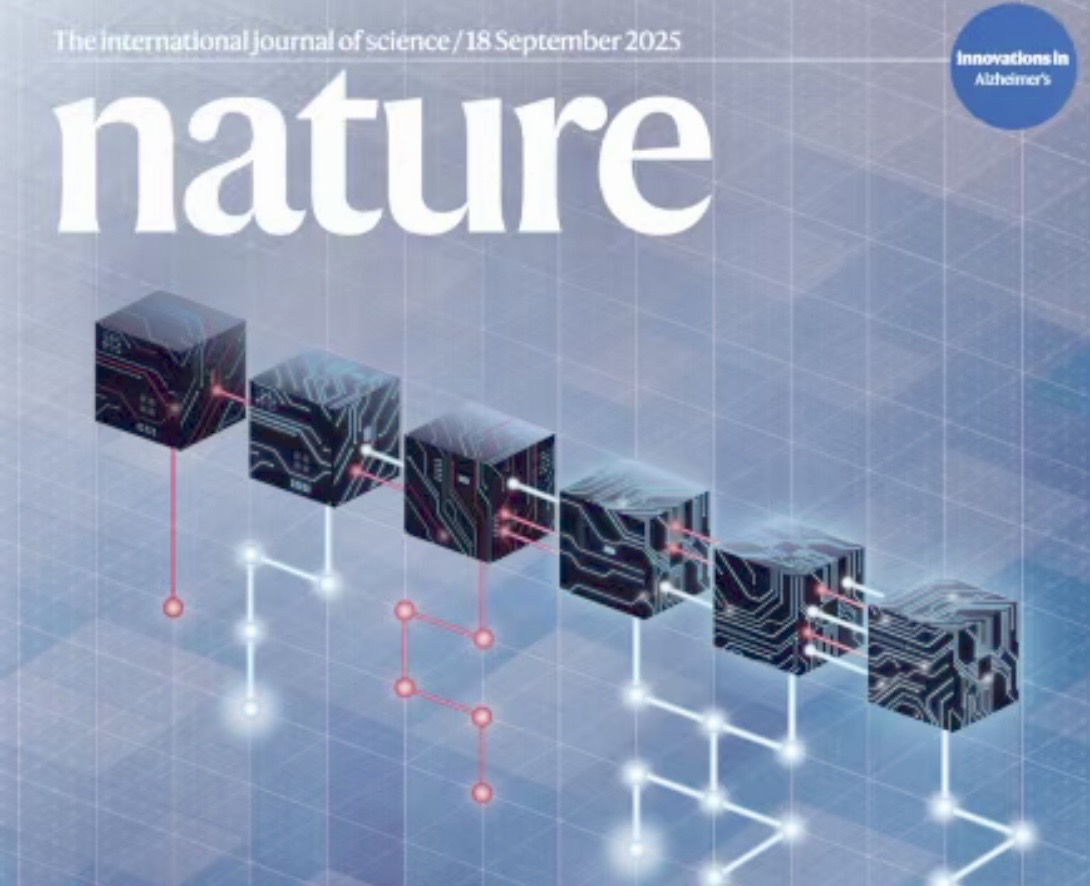
中国大模型首登《自然》封面,AI医学的DeepSeek时刻还远吗?
Di Yi Cai Jing· 2025-09-18 07:02
Group 1: AI in Drug Development - AI has become a significant focus for multinational pharmaceutical companies, with substantial investments aimed at transforming the drug discovery process and generating breakthroughs in understanding biological data [3][4] - The global proportion of clinical trials initiated by Chinese companies has increased from approximately 3% to 30% by 2024, positioning China as the second-largest clinical trial market [3] - AI is expected to drive a new wave of drug development, becoming a crucial force in the transformation of new drug research and development [3][4] Group 2: AI Applications in Medical Diagnosis - Major medical institutions in China are actively promoting the integration of large models and AI agents in clinical applications, exemplified by the launch of the "Meta-Medical Simulation Laboratory" by Fudan University and technology companies [5] - AI is changing the paradigm of diagnosis and treatment, with significant advancements in areas such as heart rate screening, imaging analysis, and risk assessment [6] - The application of AI in medicine involves three key aspects: data quality, computational power, and algorithm optimization, which are essential for effective clinical application [6] Group 3: Challenges and Considerations - Despite the potential of AI in drug discovery, there are significant challenges, including a 90% failure rate in clinical trials and the need to address complex biological and regulatory issues [4] - Ethical considerations are paramount, with the understanding that physicians remain the primary decision-makers in clinical settings, and the responsibility for medical actions lies with them [6]