Hyundai

Search documents
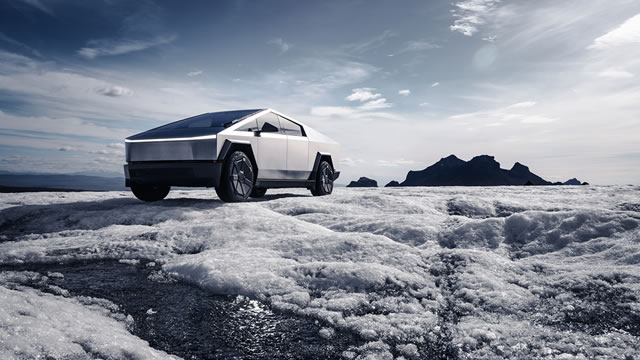
Tesla reports 418,227 deliveries for the fourth quarter, down 16%
CNBC· 2026-01-02 14:05
Core Insights - Tesla is recalling nearly all vehicles sold in the US due to a defect in the Autopilot system identified by the National Highway Traffic Safety Administration [1] - Tesla's Q4 2025 vehicle production and deliveries report showed a slight increase in shares by about 2% following the release of the numbers [1] Delivery and Production Numbers - Wall Street had estimated 426,000 deliveries for Q4 2025, while Tesla's own consensus indicated a 15% drop from the previous year to 422,850 vehicles [2] - Total deliveries for Q4 2025 were reported at 418,227, which is approximately 16% lower than the 495,570 deliveries in Q4 2024 [3][5] - Total production for Q4 2025 was 434,358 vehicles, reflecting a 5.5% decrease from the previous year when production was 459,445 vehicles [3][5] Competitive Landscape - Tesla is facing increased competition in the electric vehicle market from companies such as BYD from China, Kia and Hyundai from South Korea, and Volkswagen in Europe [3] Energy Business Performance - In the energy sector, Tesla deployed 14.2 gigawatt hours (GWh) of battery energy storage products in Q4 2025, an increase from 12.5 GWh in the previous period [4]


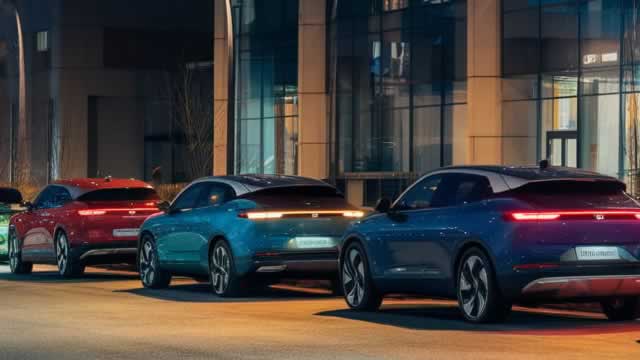
Factorial Energy Plans IPO: What It Means for QS and SLDP
ZACKS· 2025-12-30 13:35
Core Insights - The solid-state battery sector is experiencing increased activity, with Factorial Energy planning to go public in mid-2026 to raise $100 million for its battery technology [1][3] - The public listing is expected to enhance investor interest in the solid-state battery market and raise questions about the positioning of established players like QuantumScape and Solid Power [2] Factorial's Public Debut - Factorial will go public through a SPAC merger with Cartesian Growth Corporation III, valuing the company at approximately $1.1 billion and allowing it to avoid traditional IPO hurdles [3] - The company aims to start trading on Nasdaq under the ticker FAC around mid-2026 [3] Partnerships and Technology - Factorial collaborates with major automakers such as Mercedes-Benz, Stellantis, and Hyundai, which facilitates real-world testing and commercialization of its batteries [4] - The company's solid-state batteries promise higher energy storage, lighter weight, faster charging, and longer driving ranges compared to conventional lithium-ion cells [4] Performance Potential - In tests, a Factorial battery cell enabled a prototype vehicle from Mercedes to travel nearly 750 miles on a single charge, indicating significant potential for electric vehicles [5] - Factorial's batteries are expected to first appear in high-performance or luxury vehicles, with plans to expand into more affordable models over time [5] Industry Context - Solid-state batteries represent the next evolution in EV energy storage, offering improved safety and energy density compared to lithium-ion cells [6] - Despite their promise, challenges remain in scaling production, with high costs and complex manufacturing processes posing significant hurdles [7] Competitive Landscape - Factorial enters a competitive space that includes QuantumScape and Solid Power, both of which are also focused on solid-state battery development [8] - QuantumScape has made strides in manufacturing and testing, with its Cobra process being 25 times faster and more compact than previous systems, showcasing tangible progress [9] - Solid Power emphasizes collaborations with automakers like BMW and Ford, advancing pilot-scale production and focusing on operational efficiency [10][11] Investor Considerations - Investors are evaluating the three companies based on risk versus visibility, with QuantumScape providing a clearer roadmap but facing execution risks, while Solid Power has strong OEM ties and measured progress [12] - Factorial, being newer and less proven, benefits from strong partnerships and a significant capital injection from its SPAC merger, potentially accelerating early adoption of its technology [12] Overall Implications - Factorial's upcoming IPO is a significant development in the solid-state battery sector, potentially accelerating industry momentum and pushing automakers towards faster adoption of solid-state technology [13]



Hyundai halts plan to buy back Russian plant amid war – report
Yahoo Finance· 2025-12-30 12:07
Core Viewpoint - Hyundai is unable to proceed with the buyback of its former production plant in Russia due to the ongoing war in Ukraine, with the contractual option set to expire in January 2026 [1][3]. Group 1: Buyback Situation - The option for Hyundai to repurchase the St Petersburg plant, sold for Won140,000 ($97 million) in 2024, is contingent on the resolution of the conflict in Ukraine [1][2]. - The sale agreement includes a two-year clause allowing Hyundai to buy back 100% of the facility, which is set to lapse in January 2026 [2][4]. - There is uncertainty regarding whether failing to meet the January deadline would permanently cancel the buyback right or if an extension could be negotiated [4]. Group 2: Production and Market Impact - The St Petersburg plant was one of the largest car factories in Russia owned by a foreign company, with an annual production capacity exceeding 200,000 vehicles for Hyundai and Kia [4]. - In 2019, Hyundai and Kia together accounted for approximately 23% of new car sales in Russia, delivering over 400,000 vehicles, with about half manufactured locally [5]. Group 3: Related Developments - Hyundai Mobis, the main parts supplier for Hyundai Motor Group, is expanding its R&D operations in India to cater to increasing global demand, establishing a new facility in Bengaluru [6].
Car sales take an unexpected turn to close out 2025
Yahoo Finance· 2025-12-29 19:17
Describing an unsteady trajectory as a roller-coaster ride has become cliché, but there is genuinely no other way to describe auto sales in 2025. This year has been an anomaly for the car industry for many reasons, but the top issue has been tariffs and their impact on U.S. car buyers. U.S. 2025 new-vehicle sales forecast GM: 2.83 million vehicles (+5.1% year over year); 17.3% market share Toyota: 2.52 million vehicles (+8.4% YoY); 15.5% market share Ford: 2.18 million vehicles (+5.6% YoY); 13.4% mark ...


Exclusive: Hyundai not in a position to buy back Russian auto factory, source says
Reuters· 2025-12-29 10:50
South Korean automaker Hyundai is not in a position to repurchase its former manufacturing plant in Russia due to the continuing war in Ukraine, a source familiar with the matter told Reuters, as a buyback option appears set to expire next month. ...
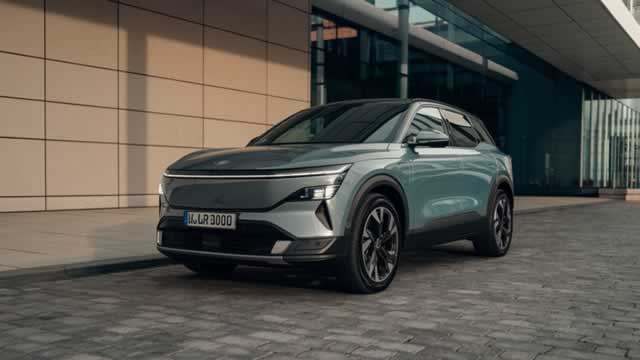
Exclusive-Hyundai not in a position to buy back Russian auto factory, source says
Yahoo Finance· 2025-12-29 10:49
Group 1 - Hyundai is unable to repurchase its former manufacturing plant in Russia due to the ongoing war in Ukraine, with the buyback option set to expire next month [1][3][5] - Hyundai and its affiliate Kia were once the largest foreign carmakers in Russia, having sold their St. Petersburg plant in 2024 after operations were suspended in March 2022 due to the invasion of Ukraine [2][6] - The sale of the plant to AGR Automotive Group was for a symbolic amount of 140,000 won ($97) and included a two-year buyback option, which is now nearing expiration [3][4] Group 2 - The ongoing conflict in Ukraine and Western sanctions against Russia have hindered Hyundai's ability to act on the buyback option, with uncertainty surrounding the potential for negotiating an extension [5][6] - Most foreign carmakers have exited the Russian market due to reputational risks and operational challenges, with Hyundai reporting a 287-billion-won loss from the sale of its Russian assets [6][7] - The plant that Hyundai sold is now producing vehicles under the Solaris brand, which was previously associated with Hyundai's own models for the Russian market [7]
Wealthy buyers expose distressing auto industry trend
Yahoo Finance· 2025-12-23 19:03
Market Trends - Car buyers rushed to dealerships in the first half of the year to secure purchases before anticipated price increases due to higher tariffs [1] - Automakers provided substantial incentives to maintain sales momentum, despite rising prices [3] - Consumer interest in the auto industry declined in the second half of the year as incentive spending decreased and car prices rose [3] Sales Data - New car sales showed weakness in Q3 and continued to decline in Q4, with December's annual sales rate expected to be around 15.9 million, down from 16.8 million in December of the previous year but up from 15.6 million in November [4] - In November, the average price paid for new vehicles reached $49,814, a 1.3% increase year-over-year and only $54 higher than October's average [5] Incentives and Pricing - Dealer incentives decreased, with the average discount on cars falling to 6.7% in November from 7.9% the previous year [9] - Throughout 2025, average incentives are projected to be 7% of the final sales price [9] Consumer Behavior - Many new-car buyers are in their peak earning years and are less sensitive to price, opting for higher-end vehicles that offer desired features [10]


By the numbers: 2025 manufacturing trends
Yahoo Finance· 2025-12-23 12:08
Core Insights - The manufacturing sector is experiencing significant challenges due to tariffs and trade uncertainties, with experts urging companies to avoid hasty decisions regarding relocation and supplier relationships [1][12] - Major firms like TSMC and Nvidia are making substantial investments in the U.S., but skepticism remains about the overall impact on domestic manufacturing revitalization [1] - The U.S. Congress estimates a potential 13% annual decline in manufacturing investments by 2029 due to prolonged trade uncertainties [2] Tariffs and Economic Impact - A significant percentage of manufacturers plan to pass on tariff-related cost increases to consumers, with 54% indicating they will pass on some costs or absorb them through reduced margins [3] - President Trump's tariffs could generate approximately $1 trillion in revenue over the next decade, translating to an average tax increase of $1,100 per U.S. household in 2025 [4] Manufacturing Trends - In 2025, 18% of manufacturers are actively considering shifting production back to the U.S. within six months, while another 18% are looking to do so but require more time [10] - Kearney's Reshoring Index fell by 311 points in 2025, indicating a gap between intentions to reshore and the reality of implementation [11] M&A and Investments - Industrial deal volume saw an 11.4% year-over-year decline from Q2 2025 to Q2 2024, attributed to tariffs affecting M&A activity [16] - TSMC plans to invest $100 billion in the U.S., with Apple also committing $100 million to domestic investments [18] Workforce Dynamics - The U.S. manufacturing sector employed approximately 76,000 fewer people in November 2025 compared to the previous year, with 329,000 job separations reported in October [23][24] - The unemployment rate in manufacturing stands at 3.3%, lower than the national average, with 3.6 million women employed in the sector [24][25] Automation and Technology - 80% of manufacturing executives plan to invest over 20% of their improvement budgets into smart manufacturing initiatives, viewing it as a key driver of competitiveness [29] - The global installation of industrial robots reached 542,000 units in 2024, with the U.S. accounting for 34,200 units, reflecting a 9% decline from the previous year [30] Federal Policy and Regulation - The Trump administration has taken 43 actions to modify or roll back various EPA regulations, impacting the manufacturing sector [35] - The EPA estimates potential cost savings of $786 million for manufacturers from modifying reporting requirements under the Toxic Substances Control Act [37]
EV realism is here. How automakers react in 2026 will be telling
CNBC· 2025-12-23 12:00
Core Viewpoint - The U.S. automotive industry is transitioning to a more realistic approach regarding electric vehicles (EVs), moving away from initial euphoria to a focus on consumer demand and market realities [2][10]. Industry Overview - Early 2020s saw high expectations for EVs, but consumer demand did not meet projections, leading automakers to reassess their strategies [2][19]. - Automakers have incurred significant financial losses, with GM reporting a $1.6 billion impact from reduced EV investments and Ford expecting $19.5 billion in restructuring costs [5][19]. Consumer Demand and Market Dynamics - U.S. EV sales peaked at 10.3% of the new vehicle market in September but fell to an estimated 5.2% in the fourth quarter [9]. - The end of federal incentives for EV purchases in September has contributed to a slowdown in demand and sales [24][25]. Strategic Shifts by Automakers - GM plans to focus on large trucks and SUVs, with limited expansion in EV offerings, while also considering plug-in hybrids [14]. - Ford is shifting investments towards hybrid vehicles and smaller, more affordable EVs, canceling plans for a new generation of large all-electric trucks [15]. - Stellantis is deprioritizing EVs, including for its Jeep brand, to boost U.S. sales [15]. Long-term Outlook - Industry experts believe the long-term direction towards electrification remains, but the timeline is being adjusted, with EVs expected to comprise 19% of the U.S. market by 2030 [10][12]. - Automakers are expected to expand hybrid offerings to align with current consumer preferences [10]. Tesla's Influence - Tesla's success has created a unique market for its brand rather than a general market for EVs, influencing other automakers' strategies [20][21]. - The influx of new EV companies has led to many failures, highlighting the challenges in replicating Tesla's success [22][23].
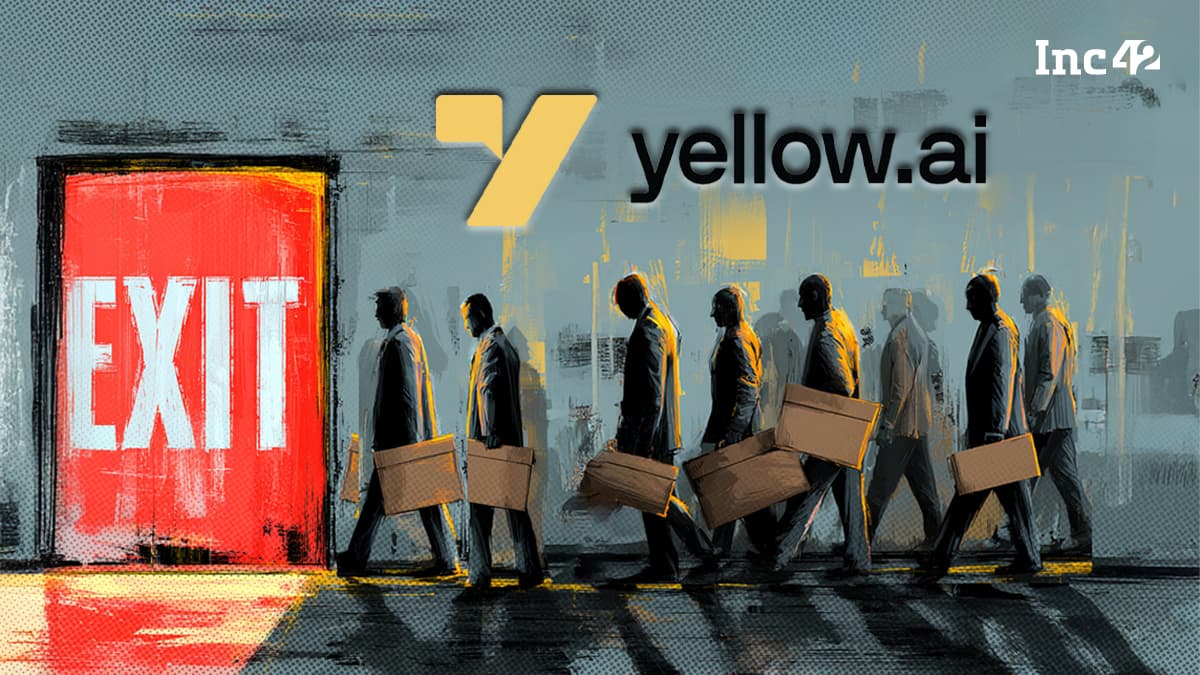
Exclusive: Yellow.ai Lays Off Over 100 Employees Amid Automation Push
Inc42 Media· 2025-12-23 08:58
Core Insights - Yellow.ai has laid off over 100 employees, accounting for approximately 30% of its workforce, primarily affecting engineering and product teams [1][2] - The layoffs are part of a strategic shift towards agentic AI technologies, which require fewer personnel for development and support [3][4] - The company has deferred salary increments and appraisals for the past two years, indicating ongoing cost-cutting measures [2] Financial Performance - Yellow.ai's revenue in India declined marginally to INR 233.6 Cr in FY25 from INR 237.9 Cr in the previous fiscal year, while employee benefit expenses decreased by 23% YoY [4] - Despite the decline in local revenue, the company reported strong consolidated global growth of about 40% in FY25, with the North American market expanding nearly 90% [5] Compliance and Regulatory Issues - The auditor's report flagged non-compliance with FEMA regulations related to foreign currency advances, but Yellow.ai stated that it is a procedural matter and is working to regularize the situation [5][6][7] Business Model and Market Position - Founded in 2015, Yellow.ai transitioned from a consumer-facing model to a platform-led approach for enterprises, allowing them to manage chatbots and customer interactions [8][9] - The company serves over 1,100 enterprises across 85 countries, automating more than 16 billion conversations annually [10][11] - Yellow.ai competes with other players in the conversational AI space, such as Gupshup and Haptik [12]