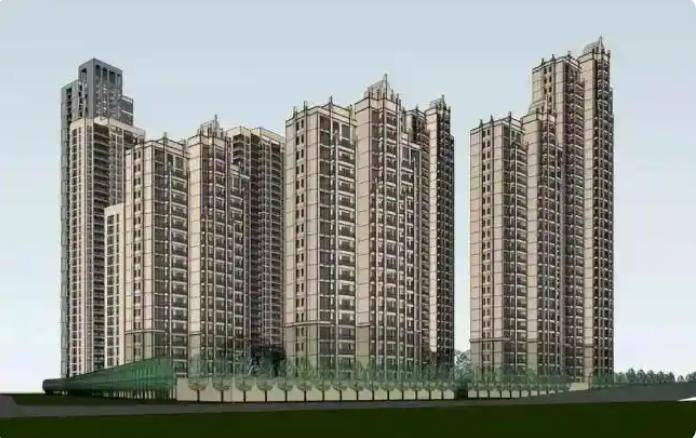
买房选楼层

Search documents
买房为何要避开这个楼层?入住舒适感比底楼和顶楼还差,别踩雷!
Sou Hu Cai Jing· 2026-02-15 18:19
Core Viewpoint - Choosing the right floor when buying a house is crucial for ensuring comfort and avoiding regrets, as certain floors can lead to significant living issues [3][9]. Group 1: Top Floor Concerns - The top floor may seem appealing due to good ventilation and lighting, but it has hidden drawbacks such as inconvenient access and unstable water and electricity supply, which can severely affect daily life quality [3][9]. Group 2: Bottom Floor Issues - The bottom floor, while convenient and often cheaper, suffers from persistent dampness that can lead to an uncomfortable living environment and potential health risks over time [5][6][9]. Group 3: Equipment Floor Risks - The equipment floor, used for housing large machinery, can produce disruptive noise and potential electromagnetic radiation, posing health risks for residents living nearby [8][9].

都说买房不能买4楼?错了,这3个楼层才是真的有问题
Sou Hu Cai Jing· 2026-01-29 21:40
Group 1 - The article discusses the pros and cons of different apartment floors, emphasizing that the "golden floor" is subjective and depends on individual lifestyle and the specific conditions of the property [8] - Living on the first floor can be convenient for elderly residents or families with young children, but it may come with issues like humidity and pests [1][6] - The second floor is often perceived as a safer choice, but it can face plumbing issues, particularly if it is located at a pressure point in the building's drainage system [2] - The top floor offers great views but can suffer from temperature extremes and potential water leakage, especially in older buildings [3] - The fourth floor is often overlooked due to superstitions, but it can be a practical choice for those who prioritize comfort over numerology [4] Group 2 - The article suggests that personal preferences and practical needs should guide the choice of floor, rather than relying solely on common beliefs or experiences [9] - Recommendations include installing anti-backflow valves for lower floors and ensuring proper sealing and pest control for ground-level apartments to mitigate common issues [9] - The importance of visiting the property, assessing the environment, and understanding neighbors' experiences is highlighted as crucial for making an informed decision [9]
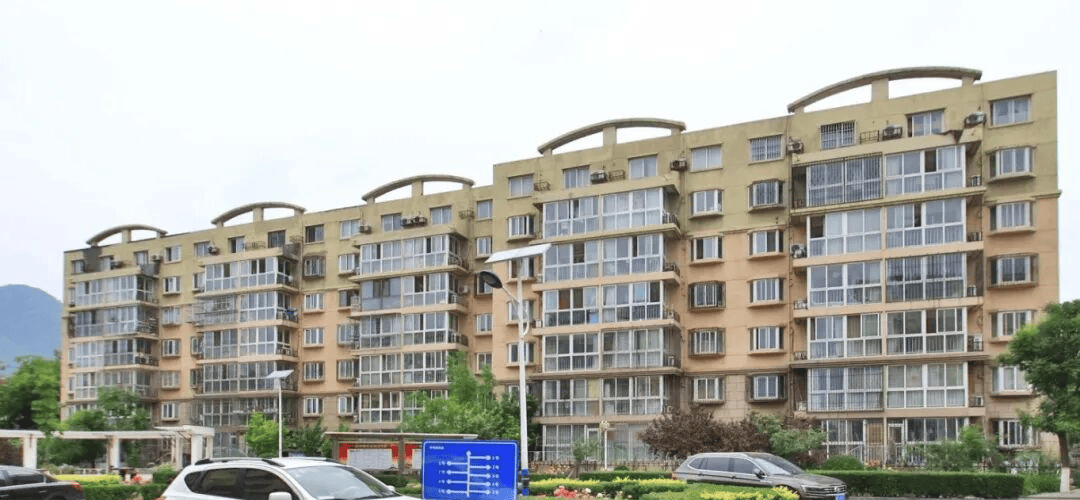
搬家4次才终于明白:这5个楼层才是“黄金楼层”,都有科学依据!
Sou Hu Cai Jing· 2026-01-25 09:31
Group 1 - The selection of floor levels in real estate is a complex decision influenced by various factors, rather than just personal preferences or superstitions [1][3] - A common recommendation is to choose a floor that is two-thirds of the total number of floors in the building, which is considered an optimal position [3]

为什么3楼、7楼、13楼、17楼容易成为 “问题楼层”?藏着多少买房人不知道的坑?
Sou Hu Cai Jing· 2026-01-20 14:42
Group 1 - The article reflects on the emotional experience associated with choosing a floor in a building, particularly the third floor, which is described as having both advantages and disadvantages [1][3] - The narrative suggests that every floor has its unique challenges and small joys, indicating that the choice of floor is subjective and varies from person to person [1] - The third floor is characterized by its aesthetic appeal, with decorative strips enhancing the building's exterior, which may influence the perception of living on that floor [3]
宁可买4楼、18楼,也不要买的5个楼层,缺点太多,令人难以接受!
Sou Hu Cai Jing· 2026-01-12 12:03
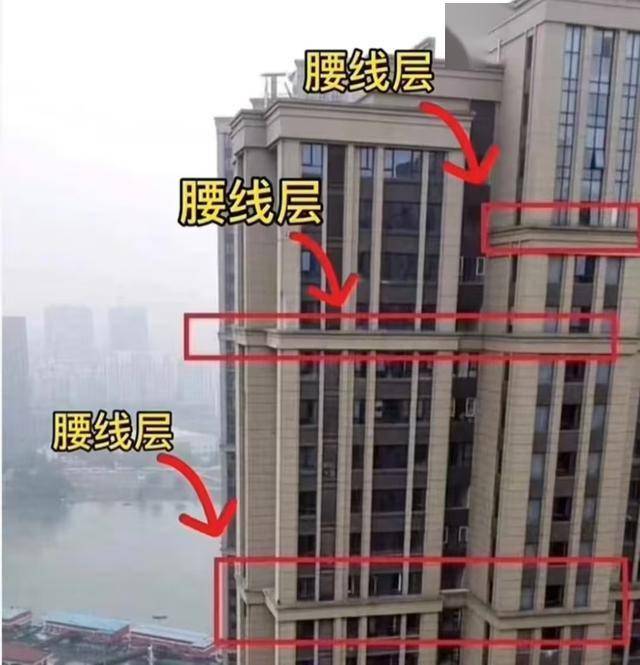
Core Viewpoint - The importance of floor selection in real estate is often underestimated, with specific floors presenting unique challenges that can significantly impact living experience [1] Group 1: Floor Selection Issues - Avoid first floors without a yard due to poor lighting, ventilation, and high humidity, which can lead to discomfort and health issues [3][5][7] - High waistline floors can suffer from inadequate lighting and potential water leakage, making them less desirable [10][14] - Living above restaurants can lead to noise and odor issues, detracting from the overall living experience [16][19][21] - Floors near parking lot entrances are prone to noise and dust, negatively affecting quality of life [23][25][27] - Proximity to children's play areas can result in constant noise disturbances, impacting peace at home [28][30] Group 2: Recommendations for Homebuyers - It is advisable to visit potential homes multiple times at different times of the day to assess noise, lighting, and environment [33] - Engaging with current residents can provide valuable insights into the living experience and potential issues [33] - Caution is advised against choosing significantly cheaper floors, as they may have underlying problems that affect comfort and health [33]
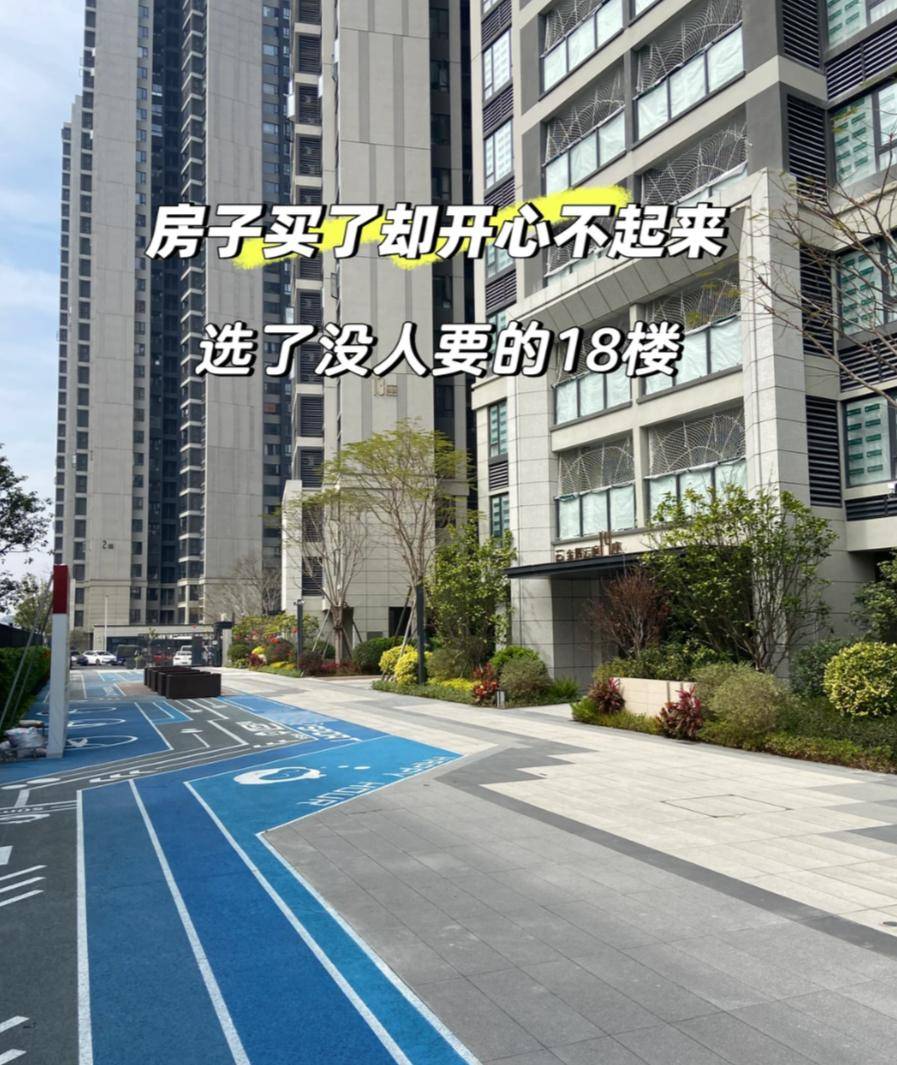
买房慎选这“4个楼层”!硬伤多影响生活,尤其是第一个
Sou Hu Cai Jing· 2025-12-16 23:53
Group 1 - The article discusses the importance of carefully considering the floor level when purchasing a property, emphasizing that comfort and safety should be prioritized over superstitions associated with certain floors [1] Group 2 - The first floor is often preferred for its convenience, but it has significant drawbacks such as poor lighting, ventilation issues, humidity, privacy concerns, and safety risks from potential theft and falling objects [3] - The "return water layer," typically found on the second or third floor, is prone to sewage backflow if the main drainage system is blocked, leading to unpleasant and costly cleanup [5] - Equipment floors, which house machinery for elevators and utilities, can cause noise and vibrations that disrupt living conditions, especially at night, and may require frequent maintenance access [7] - Living above commercial shops can lead to persistent noise from business operations and unpleasant odors from food establishments, making it difficult to enjoy a peaceful home environment [9]
内行人说:不能买的楼层不是4楼、18楼,而是这5个,买了就是吃亏
Sou Hu Cai Jing· 2025-12-05 15:14
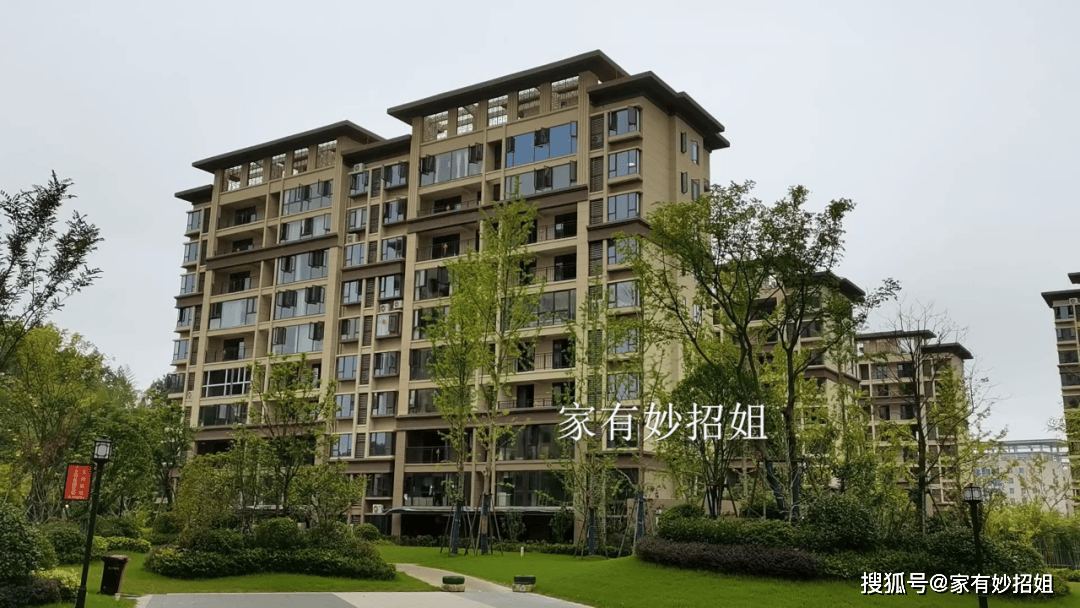
Core Viewpoint - The article discusses the five types of floors that are considered undesirable for homebuyers, emphasizing that these floors can lead to poor living conditions and difficulties in resale. Group 1: Unfavorable Floor Types - Waistline Floor: This floor type is characterized by decorative waistlines on the building's exterior, which do not enhance the interior and can lead to various inconveniences, such as maintenance issues and aesthetic drawbacks [2][4][6]. - Slot Steel Floor: This floor has embedded slot steel used for scaffolding, which can lead to water leakage due to unsealed holes left after construction. Residents have reported significant issues with water seepage and maintenance costs [5][9][11]. - Ground Floor without Yard: Particularly in high-rise buildings, ground floors without a yard lack security and are prone to issues like dampness and poor lighting. Residents have expressed regret over purchasing such units due to safety concerns [11][15][13]. Group 2: Additional Unfavorable Floor Types - Top Floor without Attic: While top floors offer good ventilation and views, those without an attic are susceptible to water leakage and extreme temperatures. Residents have reported discomfort and maintenance challenges [19][21][23]. - Upper Floor above Commercial Shops: Living above commercial spaces can lead to disturbances from noise, odors, and safety hazards. Residents have shared negative experiences regarding the impact on their living conditions due to nearby businesses [25][27].
4楼、13楼、14楼、18楼不能买?其实最不建议买的是这4层
Sou Hu Cai Jing· 2025-11-26 03:12
Core Viewpoint - The article discusses the misconceptions surrounding certain floor numbers in residential buildings and emphasizes the importance of rational analysis over superstitions when choosing a floor for purchasing a property. Group 1: Misunderstood Floors - The 4th floor, while considered unlucky in some regions, offers advantages such as better lighting and ventilation, and is typically priced 5-10% lower than other floors due to superstitions [3][4] - The 13th and 14th floors, despite being avoided due to cultural beliefs, often provide good lighting and views, with younger buyers increasingly valuing the cost savings associated with these floors [3][4] - The 18th floor is debated for its interpretations but is generally seen as a favorable option in many cities, balancing accessibility and comfort [3][4] Group 2: Floors to Avoid - The top floor can lead to higher temperatures and increased air conditioning costs, as well as potential water leakage issues, making it less desirable [4][5] - Equipment floors, which house mechanical systems, can generate noise and vibrations that negatively impact living conditions, often located in mid-levels [5] - The ground floor, particularly the first floor, suffers from poor lighting, high humidity, and security concerns, making it less appealing for residents [7][8] - The second floor, while seemingly a compromise, can still face lighting issues and potential plumbing problems due to proximity to sewage systems [8] Group 3: Ideal Floor Choices - Ideal choices for multi-story buildings are typically the 3rd to 4th floors, for small high-rise buildings the 6th to 8th floors, and for high-rise buildings the 8th to 15th floors, balancing comfort and accessibility [9] - Personal circumstances, such as the presence of elderly or young children, may influence the choice of lower floors for ease of access, while those seeking views may prefer higher floors, avoiding the top [9][11] Group 4: Practical Considerations - Factors such as building spacing, overall community planning, and elevator availability are crucial in the decision-making process, as they can significantly affect living quality [8][12] - Engaging with current residents can provide insights into real living conditions, which are often not disclosed by sales personnel [12]
这“8个楼层”的房子是不值得花钱买的,不是指4楼和18楼哦
Sou Hu Cai Jing· 2025-10-30 13:42
Core Viewpoint - The article emphasizes the importance of selecting the right floor when purchasing a property, highlighting various floors that may present significant issues for homeowners [1][3]. Group 1: Issues with Specific Floors - Ground floors in low-lying areas can lead to problems such as poor lighting, dampness, noise, and flooding during heavy rains, making them less desirable despite their accessibility [4][7][11]. - The second floor may experience sewage backflow issues, especially in older buildings where the first floor lacks independent drainage, leading to potential economic losses for residents [14][19][21]. - Equipment floors, which house essential machinery like pumps and elevators, can cause noise disturbances and potential health risks due to electromagnetic radiation, making them undesirable for living [24][26]. Group 2: Design Flaws and Environmental Concerns - Floors with protruding waistlines can lead to water accumulation and leakage issues, especially in rainy seasons, and may also harbor unsanitary conditions [29][31]. - Living above commercial spaces can expose residents to noise and odors from restaurants, as well as fire hazards, making such properties unsuitable for residential use [35][39]. - Top floors without usable terraces or attics are prone to weather-related issues, such as leaks and extreme temperatures, diminishing their appeal [41][45]. Group 3: Structural Concerns - Certain floors, particularly the 3rd, 7th, 10th, and 17th, may be constructed with structural steel that can lead to water infiltration and deterioration over time, necessitating caution when selecting these levels [47]. - Low floors that are obstructed by taller buildings or trees may receive insufficient sunlight, leading to dampness and mold issues, making them undesirable for potential buyers [50][52]. Conclusion - The article concludes that potential homeowners should be well-informed about the implications of floor selection to avoid financial losses and ensure a satisfactory living environment [1].
4楼、13楼、14楼、18楼真不能买?错了,其实真正不能买的是这3楼层
Sou Hu Cai Jing· 2025-10-16 21:27
Core Viewpoint - The article discusses the misconceptions surrounding the selection of residential floors, emphasizing that traditional beliefs and superstitions should not dictate choices. Instead, practical considerations such as noise, lighting, ventilation, and safety should guide decisions when purchasing high-rise apartments [1][9]. Group 1: Impact of Superstitions on Floor Prices - Superstitions regarding certain floors, such as the 4th, 13th, and 14th, lead to lower average transaction prices, with these floors selling for approximately 3% less than adjacent ones [1][9]. - High-rise apartments (8 floors and above) constitute 67.3% of new urban residential buildings, with this figure rising to 78.5% in major cities, indicating a significant market trend towards taller buildings [1]. Group 2: Noise Pollution Concerns - Floors 2 and 3 are particularly affected by noise pollution, with outdoor noise levels averaging 5-8 decibels higher than those above the 6th floor [3][4]. - Proximity to elevator machinery can result in noise levels exceeding 45 decibels at night, surpassing the World Health Organization's recommended indoor noise standard of 30 decibels [4]. Group 3: Lighting and Ventilation Issues - Lower floors (1-3) experience a 30% reduction in winter sunlight compared to those above the 10th floor in buildings with a 24-meter spacing [5]. - Air quality is poorer on lower floors, with PM2.5 concentrations 15% higher on floors 1-3 compared to those above the 15th floor [5]. Group 4: Safety Hazards - Top floors in older buildings face significant leakage issues, with over 35% of residents reporting leaks, which can lead to structural damage and safety risks [7]. - Ground floors are more susceptible to burglary, accounting for approximately 62% of residential thefts, and also face higher humidity and pest problems [8]. Group 5: Rational Floor Selection Strategies - Buyers should consider family composition when selecting a floor; lower floors may be more suitable for families with elderly or young children [11]. - Conducting thorough inspections at various times can provide insights into noise, lighting, and air quality [11]. - The quality of construction and property management can mitigate issues related to top floors, such as leaks and temperature control [11]. - The orientation and layout of the apartment can significantly impact living conditions, sometimes outweighing the floor level itself [12]. - Awareness of surrounding developments is crucial, as future constructions can affect light and noise levels [12]. - Decisions should be based on practical needs rather than superstitions, as floors often deemed undesirable may offer better value [9][13].