
人类卫生健康共同体

Search documents
中国—上海合作组织代谢性疾病合作中心在沪揭牌
Xin Lang Cai Jing· 2026-02-28 01:38
Core Insights - The establishment of the China-Shanghai Cooperation Organization (SCO) Metabolic Disease Cooperation Center at Ruijin Hospital represents a forward-looking initiative aimed at enhancing healthcare accessibility and efficiency among SCO member states [2][3] - Metabolic diseases, such as diabetes and obesity, pose significant public health challenges, affecting quality of life and placing immense pressure on healthcare systems in the region [2][3] Group 1: Establishment and Purpose - The SCO Metabolic Disease Cooperation Center was inaugurated on February 27, with representatives from over 20 countries in attendance, highlighting the collaborative effort to address health challenges [2] - The center aims to create a specialized platform for the prevention and treatment of metabolic diseases, fostering cooperation and resource sharing among member countries [3][4] Group 2: Health Challenges and Responses - Metabolic diseases are a major health threat in the SCO region, with over 70% of deaths related to non-communicable diseases attributed to these conditions [2] - The center's establishment aligns with China's commitment to connect its development with the aspirations of SCO member states for better living standards [3] Group 3: Collaborative Efforts and Innovations - The center plans to train 2,000 experts in metabolic disease prevention and share 500 medical technologies within three years, promoting regional health cooperation [7] - Successful strategies from various countries, such as India's integration of yoga into health management and Kazakhstan's mobile health initiatives, demonstrate the potential for a coordinated and inclusive approach to disease prevention [5][6] Group 4: Impact and Future Plans - Ruijin Hospital has developed a comprehensive health management system for metabolic diseases, significantly improving patient outcomes and reducing healthcare costs [7] - The center will also facilitate medical assistance, training, and technology transfer, serving as a vital engine for health empowerment within the SCO [7]

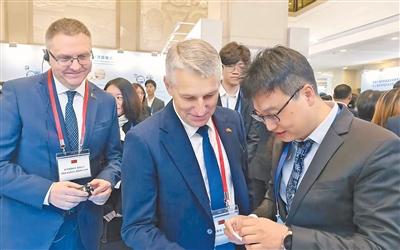
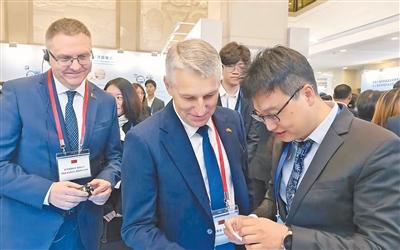
中国—上海合作组织代谢性疾病合作中心在沪揭牌—— 打造服务上合组织各国人民健康的民生工程
Ren Min Ri Bao· 2026-02-27 23:15
Core Viewpoint - The establishment of the China-SCO Metabolic Disease Cooperation Center in Shanghai represents a forward-looking initiative aimed at enhancing healthcare accessibility and treatment efficiency among SCO member states, leveraging advancements in digital and telemedicine technologies [1][2]. Group 1: Establishment and Significance - The China-SCO Metabolic Disease Cooperation Center was inaugurated on February 27, with representatives from over 20 countries in attendance, highlighting the collaborative effort to address metabolic diseases [1]. - The center's establishment aligns with the aspirations of member countries for improved healthcare and reflects China's commitment to building a community of shared health and well-being within the SCO framework [2][7]. Group 2: Health Challenges and Regional Impact - Metabolic diseases such as diabetes and obesity pose significant public health threats, affecting quality of life and placing immense pressure on healthcare systems across SCO member states, which collectively cover approximately 34 billion people [1]. - Data indicates that one in two metabolic disease patients globally comes from SCO-related countries, with over 70% of deaths linked to these diseases, marking them as the leading cause of non-communicable diseases in the region [1]. Group 3: Collaborative Efforts and Knowledge Sharing - The center aims to create a specialized platform for the prevention and treatment of metabolic diseases, fostering cooperation and resource sharing among member countries to address regional health needs [2][3]. - Various countries within the SCO have developed unique strategies for managing metabolic diseases, showcasing a wealth of local experience that can be shared to create an inclusive and effective governance system [3][4]. Group 4: China's Health Management Model - The China-SCO Metabolic Disease Cooperation Center will undertake tasks such as medical assistance, training, and technology transfer, with plans to train 2,000 experts and share 500 medical technologies within three years [7]. - The successful implementation of China's "prevention, screening, diagnosis, treatment, and management" health management system has led to significant improvements in patient outcomes, with a notable increase in the comprehensive compliance rate of metabolic indicators from 7% to 21% over the past decade [6][7].
打造服务上合组织各国人民健康的民生工程
Ren Min Ri Bao· 2026-02-27 23:07
Core Viewpoint - The establishment of the China-Shanghai Cooperation Organization (SCO) Metabolic Disease Cooperation Center at Ruijin Hospital represents a significant step towards enhancing healthcare accessibility and efficiency in the region, addressing the rising public health challenges posed by metabolic diseases such as diabetes and obesity [4][5]. Group 1: Establishment and Purpose - The SCO Metabolic Disease Cooperation Center was inaugurated on February 27, with representatives from over 20 countries in attendance, highlighting the collaborative effort to tackle metabolic diseases [4]. - The center aims to create a specialized platform for the prevention and treatment of metabolic diseases, pooling resources and expertise from member countries to address regional health needs [7][8]. Group 2: Health Challenges and Statistics - Metabolic diseases are a major public health threat, with over 70% of deaths in the region attributed to non-communicable diseases related to conditions like diabetes and obesity [4]. - The SCO encompasses 27 countries with a population of approximately 3.4 billion, where one in two metabolic disease patients globally resides [4]. Group 3: Collaborative Efforts and Innovations - The center will facilitate medical assistance, training, and technology sharing, with plans to train 2,000 experts in metabolic disease prevention and share 500 medical technologies within three years [9]. - The center's initiatives are expected to enhance the existing healthcare framework in the region, leveraging China's successful "prevention, screening, diagnosis, treatment, and management" model, which has already shown significant improvements in patient outcomes [9]. Group 4: International Engagement and Experience Sharing - Representatives from various countries expressed strong support for collaboration, indicating a shared commitment to addressing health challenges [7]. - The center will also promote the sharing of successful practices from different countries, such as India's integration of yoga into health management and Kazakhstan's mobile healthcare solutions [7].
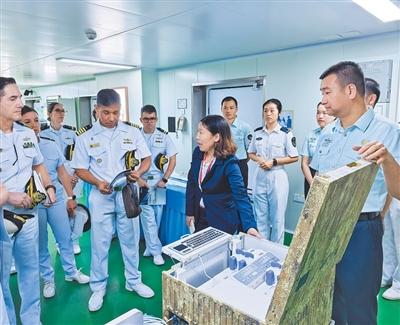
跨越重洋的友谊之舟
Ren Min Ri Bao· 2026-01-24 09:15
Core Viewpoint - The "Silk Road Ark" hospital ship, operated by the Chinese Navy, has successfully completed a medical mission in Brazil, enhancing bilateral cooperation and providing humanitarian medical services to local communities [5][10]. Group 1: Mission Overview - The "Silk Road Ark" hospital ship visited Brazil from January 8 to 15, conducting medical exchanges and friendly visits [5]. - This mission is part of the "Harmonious Mission 2025" initiative, aimed at improving international cooperation and public safety [5][10]. - The hospital ship is equipped with 14 clinical departments and 7 auxiliary departments, capable of performing over 60 types of medical treatments and surgeries [6]. Group 2: Medical Services and Impact - During its stay in Brazil, the hospital ship provided medical services to local residents and conducted professional discussions with the Brazilian Navy's medical personnel [6][10]. - The ship has cumulatively served over 390,000 people across 57 countries since its inception, with over 21,000 medical consultations and 2,200 surgeries performed [10]. - The ship's presence has been praised for alleviating medical pressures in host countries, as noted by officials from Barbados and Jamaica [10]. Group 3: Cultural Exchange and Humanitarian Efforts - The hospital ship serves as a "floating bridge of friendship," promoting cultural understanding and humanitarian care through medical services [7]. - Local communities expressed gratitude through cultural performances, highlighting the ship's role in fostering goodwill between China and Latin America [9][11]. - The ship's medical team also shared knowledge of traditional Chinese medicine, enhancing cultural exchange during their missions [8].
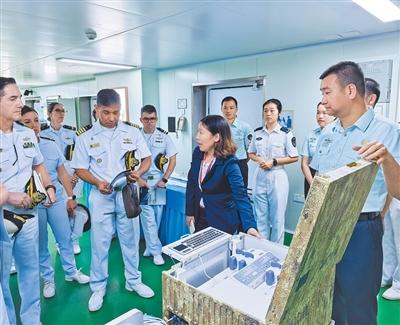
开设14个临床科室,中国有座跨越重洋的“海上医院”
Xin Lang Cai Jing· 2026-01-24 04:11
Core Viewpoint - The "Silk Road Ark" hospital ship of the Chinese Navy is executing the "Harmonious Mission - 2025" task, aimed at enhancing friendly cooperation between China and relevant countries while providing humanitarian medical services to the international community [8][14]. Group 1: Mission Overview - The "Silk Road Ark" hospital ship, designed and built by China, is a 10,000-ton ocean-going hospital ship equipped with 14 clinical departments and 7 auxiliary departments, capable of performing over 60 types of examinations, treatments, and surgeries [9]. - The ship's mission includes medical rescue and evacuation for maritime casualties, routine medical visits for island residents and military personnel, and international humanitarian medical services [9][10]. - The ship has visited 57 countries and regions since 2010, serving over 390,000 people and covering a total sailing distance of more than 350,000 nautical miles [13]. Group 2: Recent Activities - During its recent visit to Brazil from January 8 to 15, the hospital ship conducted medical exchanges and opened its services to local residents and overseas Chinese [8][9]. - The ship's medical team engaged in professional discussions with the Brazilian Navy and conducted practical demonstrations of emergency rescue techniques [9][10]. - The ship has provided medical services to 21,000 people and performed over 2,200 surgeries by the end of 2025 [13]. Group 3: Humanitarian Impact - The hospital ship has played a crucial role in emergency medical services, such as providing aid in Jamaica after Hurricane Melissa, where it offered medical services for 12 days across three ports [10][11]. - The ship's medical staff have received positive feedback from local patients, highlighting the efficiency and professionalism of the Chinese medical team [11][12]. - The ship not only provides high-quality medical services but also fosters cultural exchanges, enhancing mutual understanding between the Chinese and local populations [10][14].
找准医学生人文素养培育着力点
Xin Lang Cai Jing· 2025-12-30 11:54
Core Viewpoint - The article emphasizes the importance of medical humanistic care in the education of medical students, highlighting its role in building a strong nation and promoting public health, as outlined in the "Medical Humanistic Care Enhancement Action Plan (2024-2027)" [1] Group 1: Building Medical Humanistic Cognition - Medical students should establish a strong ideological foundation by integrating Marxist beliefs and Xi Jinping's thoughts to enhance their understanding of humanistic values in medicine [2] - Recognizing the significance of socialism with Chinese characteristics is essential for medical students to develop resilience and a sense of identity in their profession [2] - The aspiration for the great rejuvenation of the Chinese nation serves as a motivational source for medical students, encouraging them to contribute to the healthcare sector with dedication and passion [2] Group 2: Enhancing Medical Humanistic Recognition - Cultivating a sense of national pride and responsibility is crucial for medical students to remember their commitment to health and well-being [3] - The rich heritage of Chinese medicine provides valuable cultural resources that can enhance medical students' humanistic qualities [3] - Promoting stories of Chinese medicine and its contributions to global health can help establish a positive image of Chinese medical practices [3][4] Group 3: Strengthening Medical Humanistic Practice - Practical experience is vital for medical students to develop their humanistic qualities, which will invigorate the healthcare sector [5] - Medical schools should create a curriculum that addresses real-world issues in health and ethics, integrating Marxist principles with medical education [6] - Establishing humanistic practice platforms, such as patient service centers and communication labs, can enhance students' skills in real-life scenarios [6][7] - Social practice education bases should be developed to cultivate comprehensive skills in medical students, including clinical skills and ethical decision-making [7]
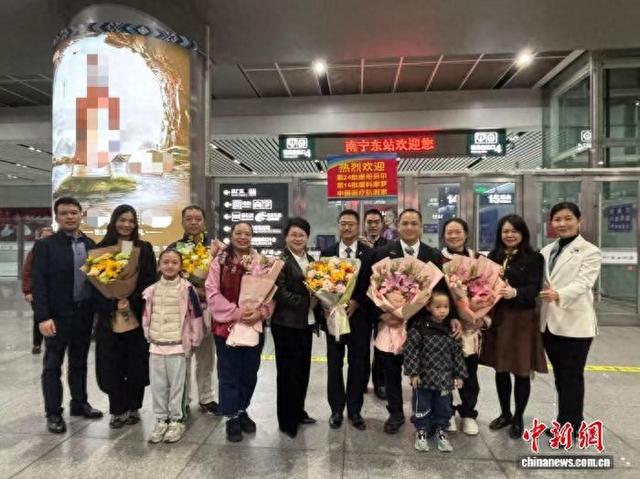
医者仁心架桥梁 广西援非医疗队4名队员载誉凯旋
Xin Lang Cai Jing· 2025-12-21 10:25
Core Viewpoint - The 24th batch of China's medical team to Niger, consisting of four members from Guangxi Zhuang Autonomous Region People's Hospital, has successfully completed a 1.5-year mission, enhancing medical cooperation between China and African nations [1][3]. Group 1: Medical Team Achievements - The team members demonstrated exceptional medical skills, addressing complex health issues such as traumatic injuries and cardiovascular diseases, significantly improving local healthcare capabilities [4]. - The team received high recognition from the Nigerien Ministry of Health, with certificates awarded for their outstanding contributions to local healthcare [4][7]. Group 2: Ongoing Medical Cooperation - Guangxi Zhuang Autonomous Region People's Hospital has been actively involved in international medical assistance since 1976, sending 23 batches of medical personnel to Niger and 10 batches to Comoros, transitioning from unilateral aid to deep cooperation [4][7]. - The hospital plans to expand its medical cooperation with African countries, aiming to enhance healthcare development and strengthen traditional friendships between China and Africa [7].
中国医疗队向巴布亚新几内亚医院捐赠医疗物资
Xin Hua She· 2025-12-07 07:11
Core Viewpoint - The 15th Chinese medical team has donated a batch of medical supplies to the Port Moresby General Hospital in Papua New Guinea, enhancing local healthcare services and reflecting China's long-term commitment to aid the country [1] Group 1: Donation Details - The donated medical supplies include commonly used medicines, diagnostic instruments, and medical consumables [1] - The donation ceremony was attended by key figures including Ken Wai, the Permanent Secretary of the Papua New Guinea Ministry of Health, and Yang Xiaoguang, the Chinese Ambassador to Papua New Guinea [1] Group 2: Impact and Future Cooperation - Ken Wai expressed gratitude for the donation, stating it will significantly improve clinical service levels at the hospital and benefit the local population [1] - Yang Xiaoguang highlighted that China has sent medical teams to Papua New Guinea for 23 consecutive years, emphasizing the "teach a man to fish" philosophy to enhance local medical capabilities [1] - The year 2024 marks the beginning of China's 14th Five-Year Plan and the 50th anniversary of diplomatic relations between China and Papua New Guinea, with a commitment to further cooperation in public health [1] Group 3: Historical Context - Since 2002, China has dispatched 15 batches of medical personnel, totaling 149 medical staff, to provide medical assistance to Papua New Guinea [1]
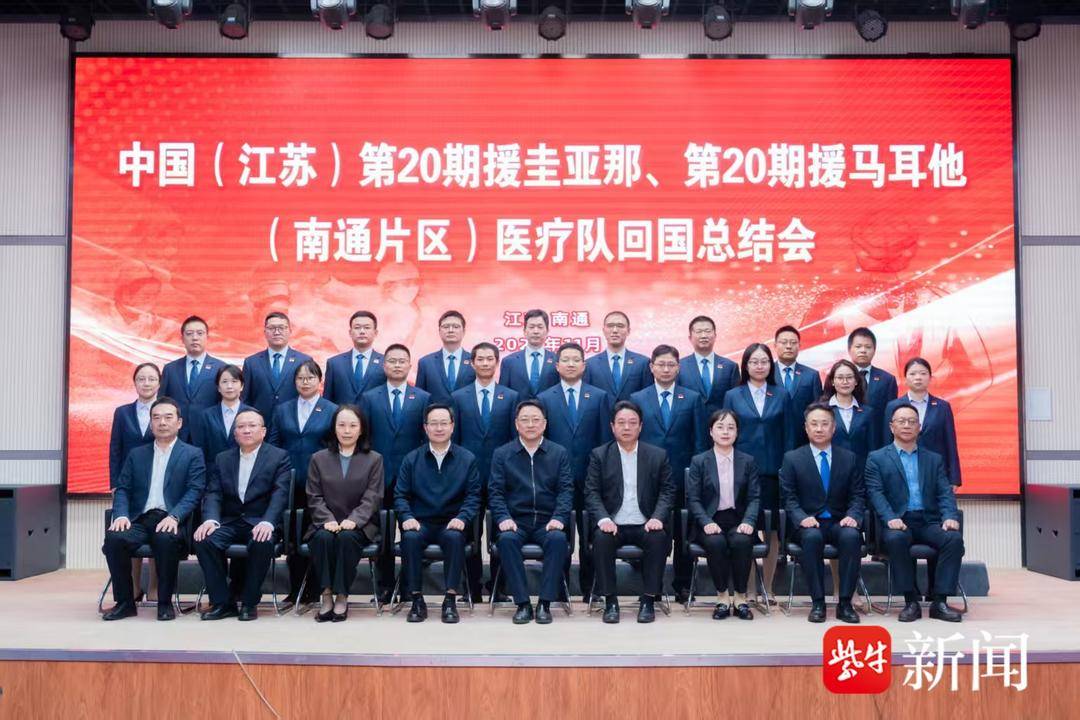
诊疗超1.8万人次,南通援外医疗队回国总结会举行
Yang Zi Wan Bao Wang· 2025-11-14 03:07
Core Insights - The article highlights the successful return and summary meeting of the 20th medical aid teams to Guyana and Malta, emphasizing their contributions to local healthcare needs and the promotion of Chinese medical practices [1][3]. Group 1: Medical Aid Contributions - Over the past year, the two medical teams treated more than 18,000 patients and conducted 81 public health activities, addressing urgent health needs in resource-scarce regions [3]. - The teams introduced over 110 new medical technologies and provided training sessions, enhancing local medical capabilities and fostering long-term healthcare development [6]. Group 2: Cultural Exchange and Diplomacy - The medical teams acted as informal diplomats, promoting cultural exchange through events like Chinese food festivals and collaborations with local institutions, thereby strengthening ties between China and the host countries [7]. - The initiative aims to create a sustainable impact by not only treating patients but also training local medical personnel, ensuring that the knowledge and skills remain within the community [6][7]. Group 3: Future Directions - The local government plans to use the experiences gained from this mission to enhance future medical cooperation and contribute to the broader goal of building a community with a shared future for mankind [6][7]. - There is a focus on transforming medical aid from a "blood transfusion" model to a "blood production" model, emphasizing the importance of training and knowledge transfer [6].
加蓬卫生部:中国医疗队为当地患者带来健康
Xin Hua She· 2025-11-13 00:49
Core Points - The Chinese medical teams have been providing selfless contributions to Gabon for many years, significantly improving local healthcare [1] - The cooperation between China and Gabon in the medical field is highlighted as a crucial pillar of their friendship, with ongoing efforts to enhance this collaboration [1] Group 1: Medical Cooperation - The Secretary-General of Gabon's Ministry of Health, Alain Charles Rotambo, acknowledged the contributions of Chinese medical teams in improving health outcomes for local patients [1] - The 26th batch of medical teams has been actively involved in grassroots hospitals, conducting free medical consultations across nine provinces in Gabon, receiving high praise from the Gabonese government and citizens [1] - Since 1977, a total of 27 batches of medical teams, comprising over 600 personnel, have been dispatched from Tianjin, China, to Gabon, providing extensive medical services [1]